
Service de Soudage de Pièces en Superalliage Coulées sous Vide
Soudage de Haute Intégrité pour Composants en Superalliage Coulés
Les composants en superalliage produits par coulée de précision sous vide sont essentiels pour les moteurs aérospatiaux, les systèmes énergétiques et les turbines industrielles. Ces pièces coulées nécessitent souvent une réparation par soudage en post-traitement, un assemblage de précision ou un soudage d'assemblage. Cependant, le soudage des superalliages coulés sous vide — en particulier les nuances à base de nickel comme l'Inconel, le Rene et le Hastelloy — présente des défis significatifs en raison de la microségrégation, de la fissuration à chaud et de la sensibilité à l'oxydation.
Neway AeroTech propose des services de soudage de superalliages conformes au NADCAP pour les aubes de turbine, les segments de pales, les pièces d'échappement et les pièces coulées structurelles. Nous intégrons le soudage TIG, laser et en chambre sous vide avec le traitement thermique post-soudage, le pressage isostatique à chaud (HIP) et une vérification complète par END.
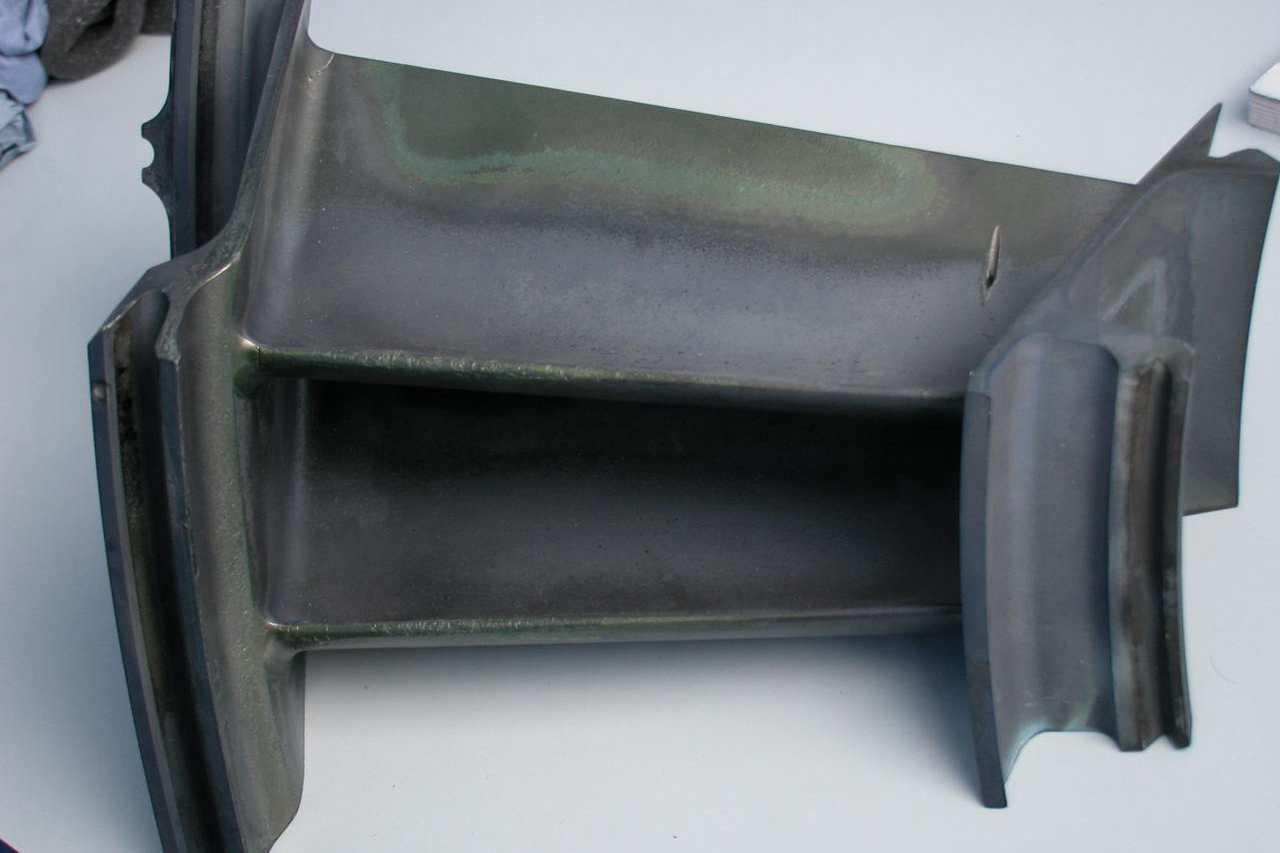
Processus de Soudage Principaux pour les Pièces en Superalliage Coulées sous Vide
Neway AeroTech applique des procédures de soudage contrôlées, adaptées à la chimie de l'alliage, à la structure granulaire et à la géométrie de coulée de chaque pièce.
Soudage TIG avec métal d'apport adapté en Inconel, Rene ou Hastelloy
Soudage laser pour les zones à parois minces ou sensibles à la chaleur
Chambres de soudage sous vide et sous gaz inerte pour éliminer l'oxydation
Traitement thermique post-soudage et HIP pour la restauration microstructurale
Nous prenons en charge la reconstruction d'extrémités de pales, le soudage de surfaces d'étanchéité, la réparation de fissures et l'assemblage de composants pour les pièces en superalliage coulées.
Superalliages Courants pour Applications Coulées et Soudées
Alliage | Température Max (°C) | Limite d'Élasticité (MPa) | Pièces Souvent Soudées |
|---|---|---|---|
950 | 760 | Aubes de turbine, segments de tuyère | |
1050 | 880 | Aubes directrices, carter de section chaude | |
1050 | 880 | Liner de combustion, enveloppes | |
1175 | 790 | Conduits de transition, anneaux d'échappement |
Ces alliages nécessitent des protocoles de soudage précis pour éviter la microfissuration et conserver leurs performances à haute température.
Étude de Cas : Réparation par Soudage TIG d'un Segment d'Aube Coulée en Inconel 738
Contexte du Projet
Un client a soumis des aubes équiaxes en Inconel 738 présentant de la porosité de coulée et une érosion des bords. Nous avons appliqué une reconstruction par soudage TIG en utilisant un métal d'apport adapté en Inconel, suivie d'un traitement thermique de relaxation des contraintes et d'une inspection par rayons X. Les pièces restaurées répondaient aux spécifications géométriques et microstructurales du constructeur.
Composants en Superalliage Souvent Soudés et Industries
Composant | Type de Soudure | Alliage | Industrie |
|---|---|---|---|
Aube Directrice de Turbine | TIG multi-passes | Inconel 738 | |
Liner d'Échappement | Cordon de soudure laser | Hastelloy X | |
Extrémité de Pale | Reconstruction TIG | Rene 80 | |
Anneau d'Étanchéité | Soudure d'assemblage TIG | Inconel 713C |
Chaque soudure est qualifiée pour résister à la fatigue thermique et aux charges à haut cycle dans les environnements de combustion et d'échappement.
Défis du Soudage pour les Pièces en Superalliage Coulées sous Vide
La microségrégation dans les zones coulées augmente le risque de fissuration à chaud pendant la fusion
La teneur élevée en phase gamma prime nécessite un contrôle des températures inter-passes
La distorsion des parois minces pendant le chauffage localisé du soudage
Le grossissement des grains dans la ZAT si le traitement thermique post-soudage est mal appliqué
La porosité et les inclusions dues à une protection gazeuse ou une oxydation de surface inappropriée
Solutions de Soudage Certifiées pour les Assemblages en Superalliage Coulés
Préparation pré-soudage des joints et élimination des oxydes par rectification de contour CNC
Soudage TIG sous argon avec faible apport de chaleur et métal d'apport adapté à l'alliage
Soudage laser pour les cordons submillimétriques et une faible propagation de la ZAT
HIP post-soudage et traitement thermique pour restaurer la ductilité et la microstructure
Finition finale, inspection et revêtement barrière thermique (TBC) optionnel pour la protection de surface
Résultats et Vérification
Exécution du Soudage
Les segments d'aubes coulées ont été soudés TIG en utilisant un fil d'apport en Inconel 738 sous atmosphère d'argon contrôlée. Des passes multicouches ont été déposées jusqu'à une épaisseur de 3 mm, puis finies et usinées.
Traitement Post-Soudage
Un traitement thermique a été effectué à 980°C pour relaxer les contraintes de la ZAT et normaliser la structure. Un traitement HIP optionnel a éliminé la porosité interne. Les pièces ont été passivées et re-revêtues si spécifié.
Inspection
L'END par rayons X a confirmé une fusion de soudure sans défauts. L'inspection par MMT a validé les dimensions. La MEB a confirmé l'intégrité granulaire et la qualité de surface. Toutes les pièces ont été approuvées pour l'assemblage de turbine.
FAQ
Quelles nuances de superalliage sont couramment soudées après coulée sous vide ?
Comment prévenez-vous la fissuration dans les alliages à haute teneur en gamma prime ?
Le HIP peut-il être appliqué après soudage pour éliminer la porosité ?
Quelle est l'épaisseur minimale de soudure pour les réparations d'aubes de turbine ?
Quels traitements de surface sont disponibles après soudage ?
