Comment la fabrication additive améliore-t-elle le prototypage des pièces de système d'échappement e...
Flexibilité de conception et prototypage fonctionnel
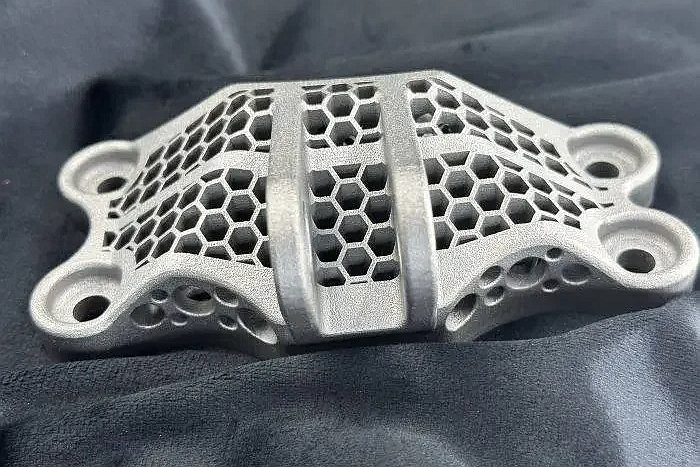
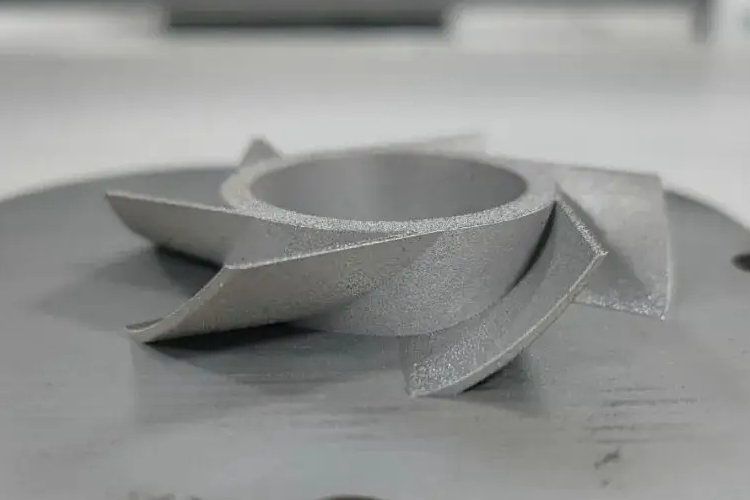
La fabrication additive accélère considérablement le développement de prototypes de systèmes d'échappement en superalliage en permettant des géométries complexes difficiles ou impossibles à réaliser avec la fonderie traditionnelle. Avec l'impression 3D de superalliages, les ingénieurs peuvent créer directement des prototypes fonctionnels avec des formes optimisées pour l'écoulement des gaz d'échappement, la dissipation thermique et la réduction de poids. Cela permet d'évaluer rapidement plusieurs itérations de conception sans avoir besoin d'outillages ou de moules coûteux.
Refroidissement intégré et amélioration de l'écoulement
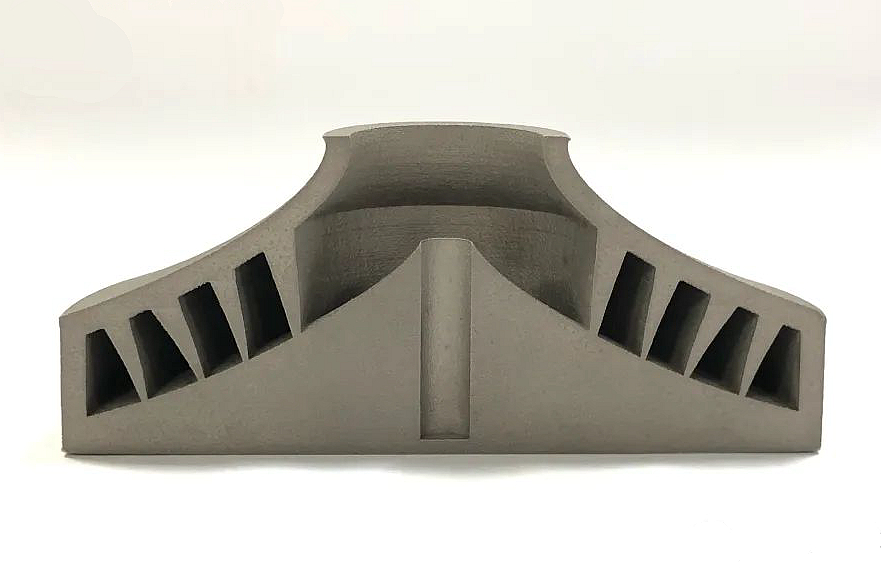
Le prototypage par procédés additifs permet l'intégration de canaux de refroidissement internes, de parois à structure en treillis et de caractéristiques optimisées pour l'écoulement qui améliorent l'efficacité du moteur. Ces caractéristiques sont particulièrement précieuses dans les mélangeurs d'échappement, les transitions de conduits et les assemblages de buses. Pour les alliages à haute température tels que l'Inconel 718 et le Rene 65, la fabrication additive permet de tester des concepts avancés de gestion thermique avant la production à grande échelle.
Réduction du temps et des coûts de développement
Le développement traditionnel de prototypes nécessite un outillage complexe et des délais de réalisation longs. Grâce à l'utilisation d'un service d'impression 3D, les prototypes peuvent être produits en quelques jours plutôt qu'en quelques semaines, permettant une validation plus rapide des propriétés mécaniques et de la résistance thermique. Cela réduit considérablement les coûts de R&D et améliore l'agilité lors du développement initial du moteur et des tests de performance.
Post-traitement et validation des performances
Bien que les composants fabriqués par FA nécessitent des traitements ultérieurs, ils peuvent être qualifiés pour atteindre des propriétés proches du niveau de production après un post-traitement approprié. Des méthodes telles que le compactage isostatique à chaud (CIC ou HIP) et les tests et analyses de matériaux éliminent la porosité et valident la résistance à la fatigue. Une fois validé, le même fichier de fabrication numérique peut être mis à l'échelle pour la production en série en utilisant la fonderie à modèle perdu sous vide de précision ou des procédés avancés spécifiques aux alliages.