
KBB: Fabricante de Álabes Directrices de Turbina de Fundición de Cristales Equiaxiales
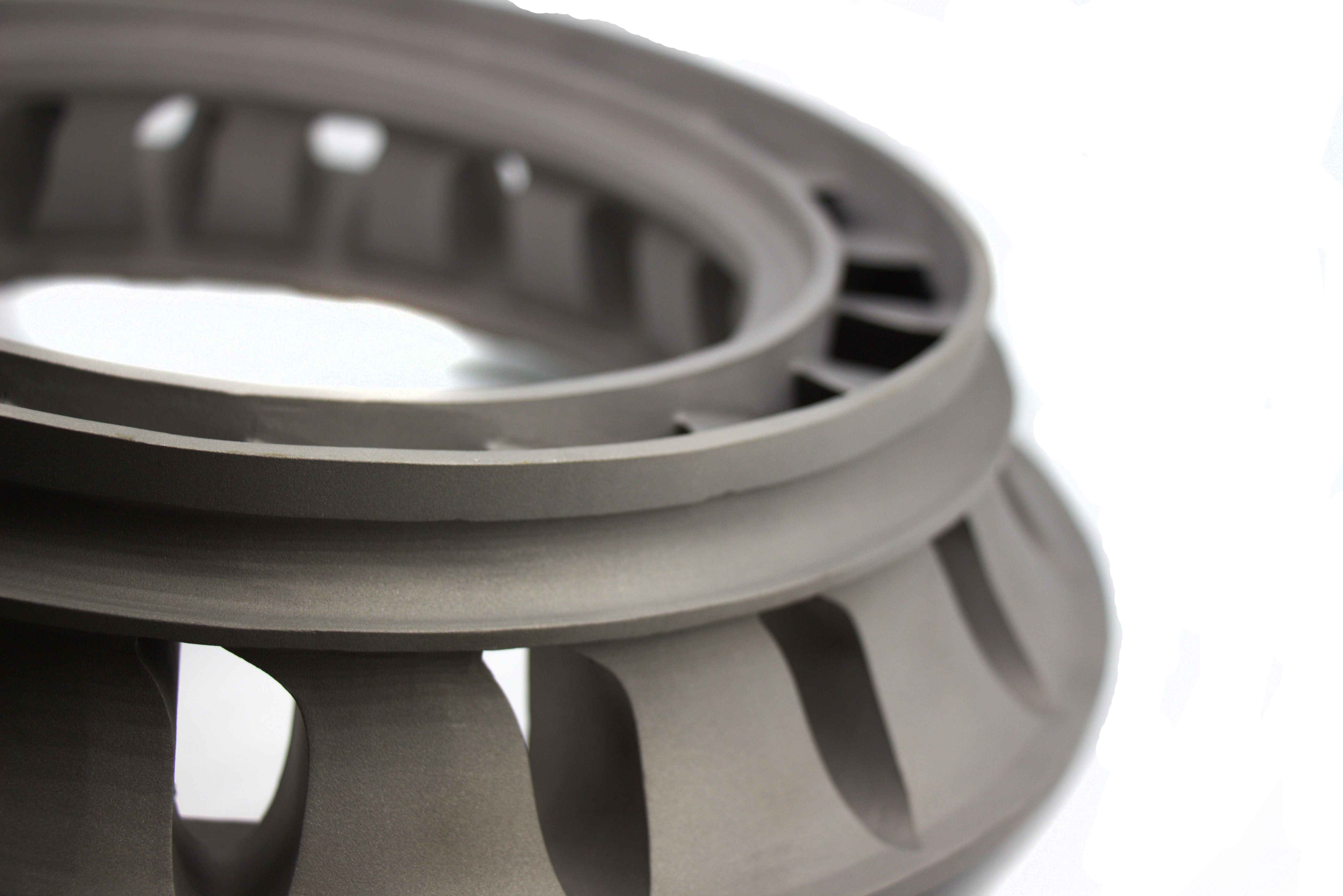
En la búsqueda de una energía más limpia y una mayor eficiencia, la industria de turbinas de gas enfrenta demandas crecientes de componentes capaces de soportar entornos extremos. Los álabes directrices de turbina, que controlan el flujo de gases calientes a través de las etapas de la turbina, desempeñan un papel fundamental para lograr una mayor eficiencia y menores emisiones. A medida que la industria avanza hacia la neutralidad de carbono, fabricantes como KBB están desarrollando sus tecnologías de componentes para hacer frente a estos desafíos.
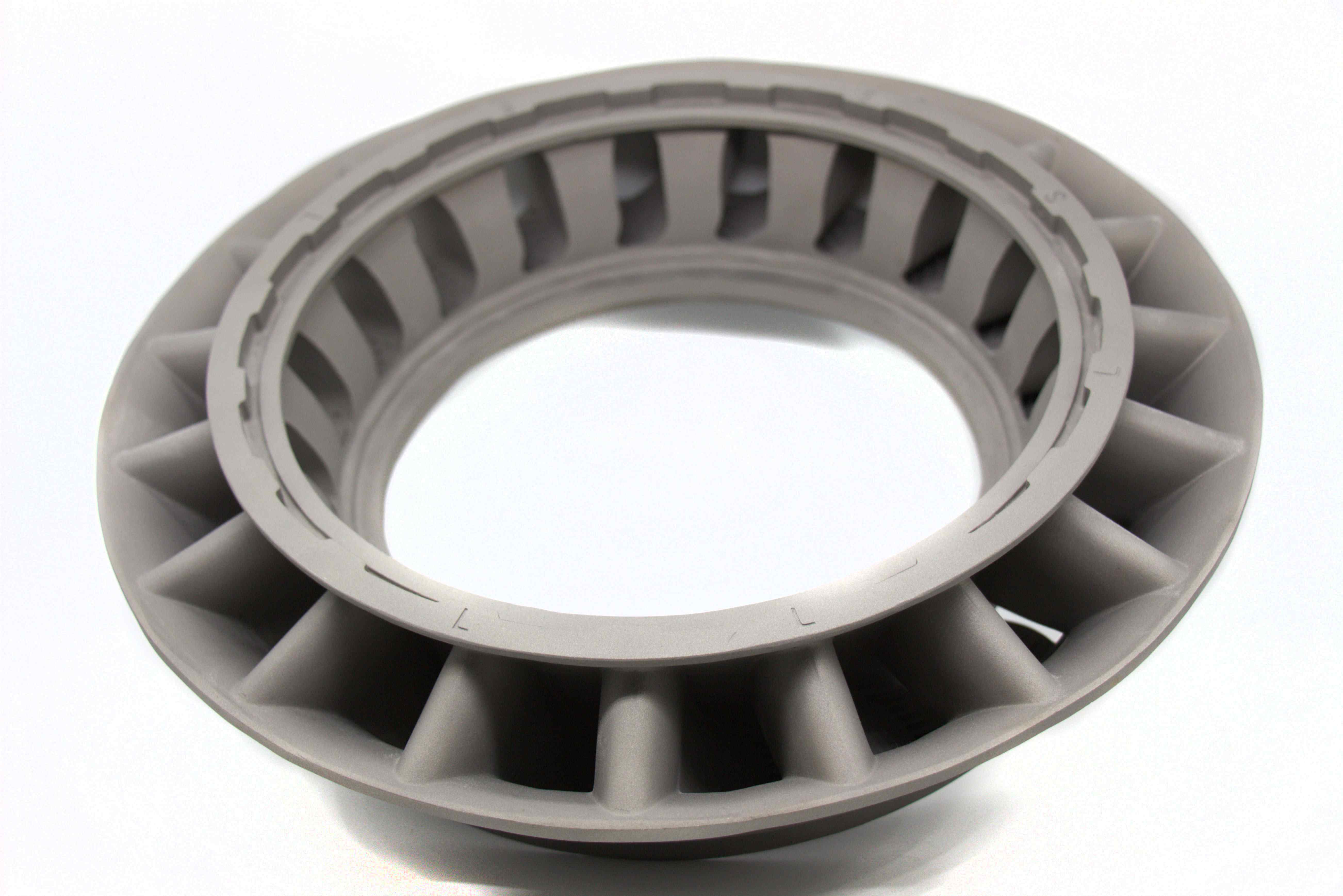
La reciente iniciativa de KBB para localizar y optimizar la producción de álabes directrices de turbina aprovecha la fundición de cristales equiaxiales, un método de fabricación probado que equilibra rendimiento, costo y escalabilidad. Este estudio de caso explora cómo KBB desarrolló e industrializó esta solución para cumplir con los estrictos requisitos de las turbinas de gas modernas.
Requisitos del Cliente y Contexto de Aplicación
Los álabes directrices de turbina en los últimos modelos de turbinas de gas de KBB operan bajo temperaturas superiores a 1050 °C, expuestos a tensiones térmicas cíclicas, oxidación y productos de combustión corrosivos. Los álabes directrices también deben mantener una geometría aerodinámica precisa para garantizar un flujo de gas eficiente y el rendimiento de la turbina.
KBB especificó un conjunto de requisitos exigentes para este proyecto:
Alta resistencia a la tracción a temperatura elevada y resistencia a la fluencia (creep)
Excelente durabilidad frente a la fatiga térmica
Superior resistencia a la oxidación y corrosión
Definición precisa de canales de refrigeración complejos y exactitud dimensional
Estructura de costos competitiva con calidad consistente en producción en serie
La fundición de cristales equiaxiales fue seleccionada como el proceso ideal para cumplir con estos objetivos, ofreciendo un control optimizado de la estructura del grano y la flexibilidad para fabricar geometrías de álabes complejas.
Diseño de Material y Proceso
Selección del Material
Se eligió Inconel 738LC para esta aplicación debido a su destacada combinación de resistencia mecánica, vida útil a la fluencia y resistencia a la oxidación a temperaturas elevadas. La composición y estabilidad de fase de la aleación la hacen altamente compatible con la fundición de cristales equiaxiales.
Inconel 738LC se utiliza ampliamente en superaleaciones de fundición avanzadas para componentes de turbinas, proporcionando una línea base de rendimiento bien establecida para este proyecto.
Diseño del Proceso
El proceso de fabricación fue cuidadosamente diseñado para garantizar una calidad constante:
Producción de patrones de cera de precisión con control dimensional para canales de refrigeración internos complejos
Construcción avanzada de moldes cerámicos utilizando materiales de permeabilidad optimizada
Fundición de precisión al vacío bajo gradientes térmicos controlados para promover un crecimiento uniforme del grano equiaxial
Perfiles de enfriamiento personalizados para refinar la estructura del grano y minimizar la tensión residual
Tratamiento térmico posterior a la fundición para estabilizar la microestructura y mejorar las propiedades mecánicas
Cada etapa del proceso fue modelada y validada digitalmente para garantizar la repetibilidad y el cumplimiento de las especificaciones de KBB.
Superación de Desafíos Técnicos
Gestión de la Complejidad Geométrica
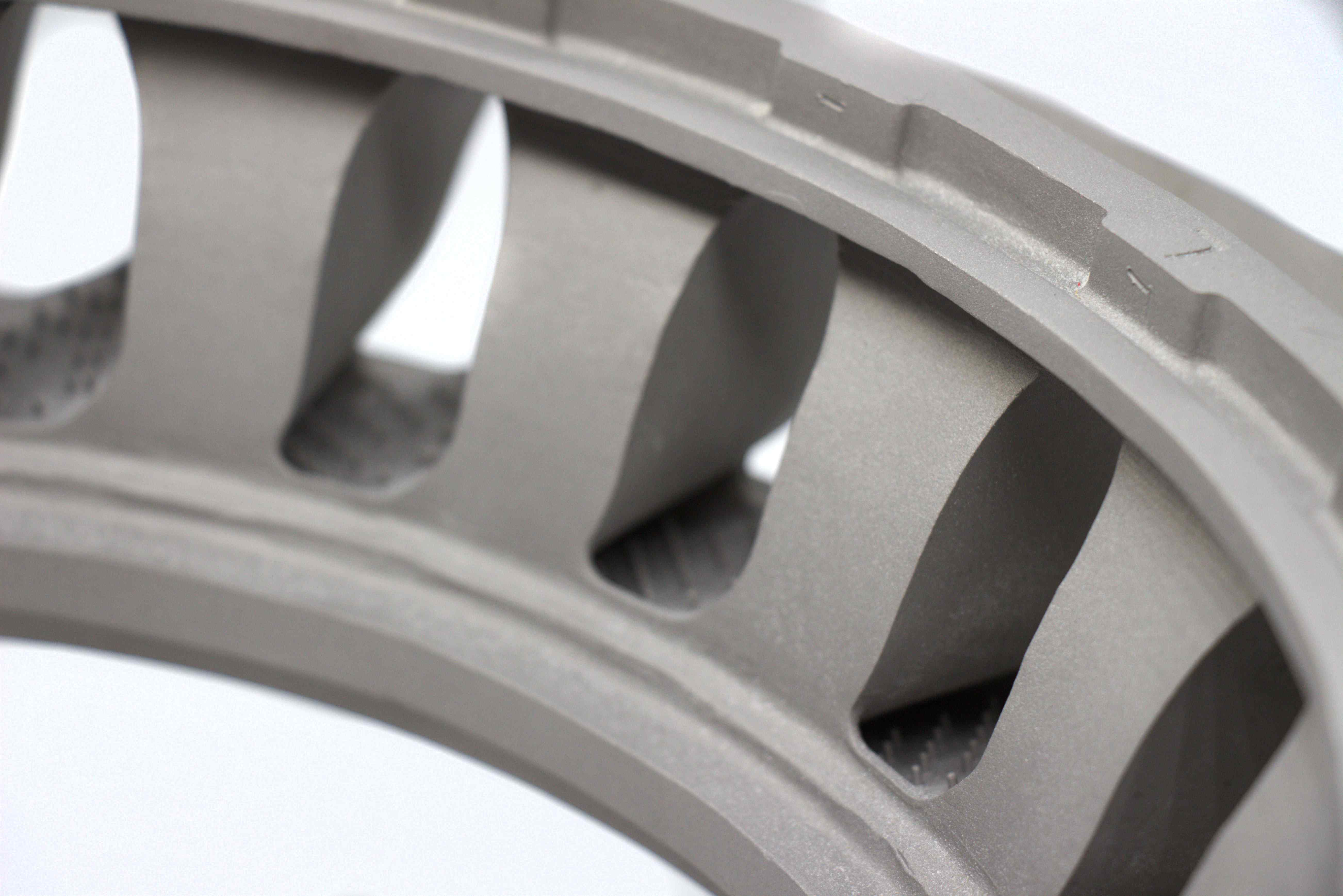
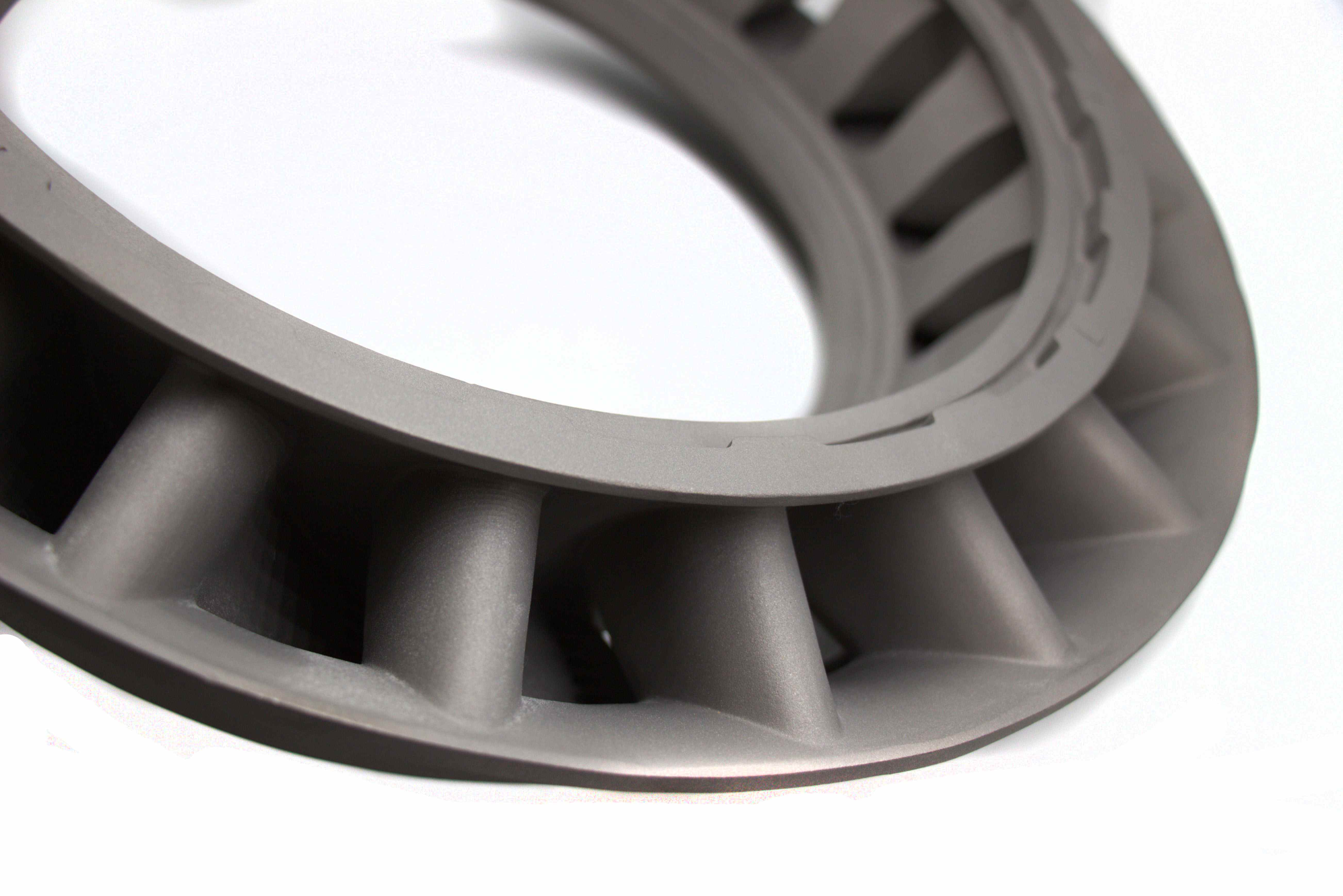
Los álabes directrices de turbina presentan perfiles aerodinámicos intrincados y redes de refrigeración internas que son críticas para la gestión térmica y la eficiencia. Mantener la precisión dimensional en estas características fue un desafío principal.
Para abordar esto, el equipo integró la verificación con MMC (Máquina de Medición por Coordenadas) y el escaneo 3D en el flujo del proceso. Esto permitió una verificación precisa de las dimensiones críticas y la corrección proactiva de cualquier desviación durante el desarrollo de herramientas y procesos.
Control de la Uniformidad del Grano y Tasas de Defectos
La uniformidad de la estructura del grano es esencial para lograr propiedades mecánicas consistentes en toda la población de álabes. Los parámetros de fundición se optimizaron mediante pruebas extensas de temperaturas de precalentamiento del molde, sobrecalentamiento de vertido y tasas de enfriamiento.
La inspección no destructiva mediante inspección por rayos X y microscopía metalográfica verificó que la calidad interna cumpliera o superara constantemente los criterios de aceptación de KBB.
Integración con Recubrimientos de Barrera Térmica
Dado el severo entorno térmico, los álabes directrices de turbina suelen recubrirse con recubrimientos de barrera térmica avanzados. Garantizar la compatibilidad entre la aleación base y el sistema de recubrimiento requirió un control cuidadoso de la química superficial y la rugosidad durante la fundición y el postprocesamiento.
El proceso de fabricación se refinó para producir superficies que proporcionaran una adhesión óptima y un rendimiento térmico una vez recubiertas, mejorando aún más la durabilidad del álabe.
Resultados Iniciales y Métricas de Calidad
Las corridas de producción piloto demostraron una excelente alineación con los objetivos técnicos de KBB. A continuación se presentan los resultados clave:
Parámetro | Objetivo | Resultado Real | Estándar KBB |
|---|---|---|---|
Tamaño de grano (μm) | 50-150 | 55-140 | ≤150 |
Defectos internos (Nivel de Rayos X) | ≤Nivel 2 | Nivel 1-2 | ≤Nivel 2 |
Rugosidad superficial Ra (μm) | ≤3.2 | 2.9-3.1 | ≤3.2 |
Resistencia a la tracción a 1050 °C (MPa) | ≥850 | 860-880 | ≥850 |
Ciclos de fatiga térmica | ≥3000 | >3200 | ≥3000 |
Resistencia a la oxidación (1050 °C/1000 h) | Aprobado | Aprobado | Aprobado |
Estos resultados confirmaron la solidez del proceso de fundición de cristales equiaxiales y su idoneidad para la producción a gran escala de álabes directrices de turbina.
Escalado a Producción Total
Con la producción piloto validada con éxito, el proyecto avanzó hacia la fabricación a gran escala para cumplir con los requisitos operativos de KBB para sus últimos modelos de turbinas de gas.
La línea de producción se optimizó para garantizar:
Alta repetibilidad del proceso en todos los lotes de producción
Monitoreo en tiempo real de los parámetros críticos del proceso
Captura automatizada de datos y seguimiento de calidad para cada componente
Se implementó una gestión avanzada de herramientas para mantener una calidad constante del molde durante ciclos de producción prolongados. El control estricto de las propiedades de la carcasa cerámica y los protocolos de precalentamiento del molde aseguraron un comportamiento térmico uniforme durante la fundición. El registro continuo de los perfiles de temperatura de fundición mejoró aún más la estabilidad del proceso.
Garantía de Calidad Integral
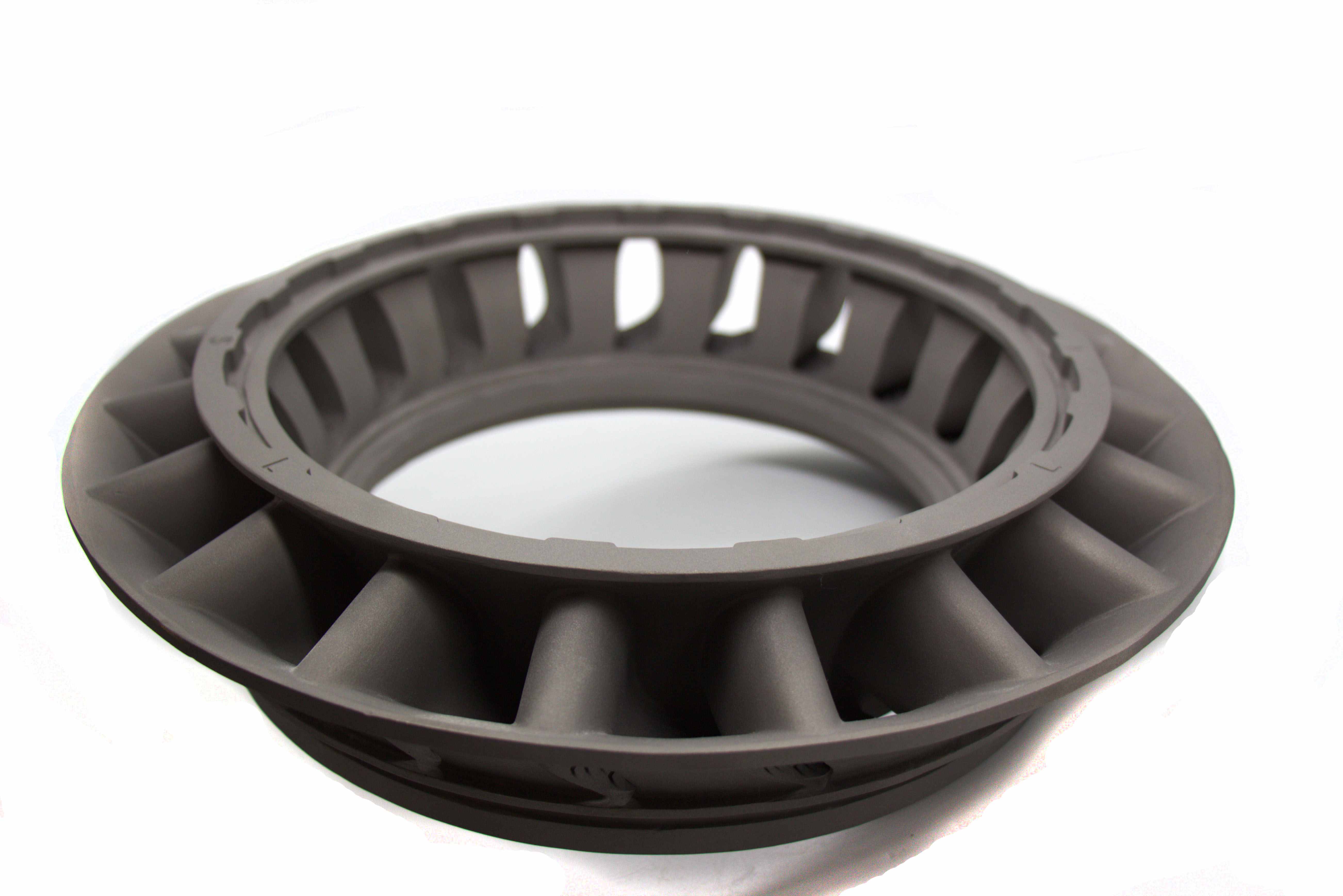
Para mantener los más altos estándares de calidad, cada lote de producción pasó por un proceso de verificación en múltiples pasos:
Validación dimensional utilizando máquinas de medición por coordenadas y escaneo óptico
Inspección no destructiva mediante inspección por rayos X y pruebas ultrasónicas
Análisis microestructural utilizando microscopía metalográfica
Pruebas de propiedades mecánicas, incluidas pruebas de tracción a temperatura elevada
Validación de la compatibilidad del recubrimiento mediante la aplicación y evaluación de muestras de recubrimiento de barrera térmica
Este enfoque integral garantizó que cada álabe directriz de turbina cumpliera o superara las especificaciones de KBB para componentes críticos de rendimiento.
Rendimiento en Campo y Comentarios de los Clientes
Tras la calificación final, los álabes directrices de turbina fundidos con cristales equiaxiales se integraron en los últimos prototipos de turbinas de gas de KBB y se desplegaron en pruebas de campo en plantas de energía.
Los datos operativos recopilados de estas pruebas revelaron varios resultados notables:
Integridad mecánica estable bajo severos gradientes térmicos
Estabilidad dimensional consistente en intervalos de servicio prolongados
Sin delaminación ni fallo de los recubrimientos de barrera térmica
Vida útil de fatiga térmica mejorada en relación con los componentes de generaciones anteriores
Eficiencia general de la turbina mejorada gracias al control aerodinámico preciso
El equipo de ingeniería de KBB reportó una alta satisfacción con la calidad de fabricación y el rendimiento en servicio de los componentes, y varios clientes señalaron mejoras tangibles en la eficiencia de la planta de energía y una reducción en los costos de mantenimiento.
Innovación de Procesos y Desarrollo Futuro
El éxito de este proyecto destaca el potencial de la fundición de cristales equiaxiales como una solución madura y adaptable para componentes de turbinas de alto rendimiento. Basándose en esta base, se están explorando varias vías de innovación:
Integración de la prensado isostático en caliente (HIP) para mejorar aún más la densidad del componente y la resistencia a la fatiga
Aplicación de control de procesos impulsado por IA para refinar la uniformidad de la estructura del grano
Combinación de la fundición tradicional con la impresión 3D para permitir la fabricación híbrida de características altamente complejas
Desarrollo de aleaciones avanzadas de alta temperatura, como las aleaciones Rene, para plataformas de turbinas de próxima generación
Al invertir continuamente en estas innovaciones, KBB tiene como objetivo mantener su liderazgo en tecnología de turbinas de gas y ofrecer un valor aún mayor a sus clientes.
Contexto Industrial e Impacto Amplio
Este estudio de caso subraya la importancia de las tecnologías de fabricación avanzada para satisfacer las demandas cambiantes de la industria energética.
A medida que las turbinas de gas continúan desempeñando un papel vital en la estabilidad de la red y la generación de energía baja en carbono, el rendimiento de los componentes de la sección caliente, como los álabes directrices de turbina, se vuelve cada vez más crítico. Las turbinas de alta eficiencia contribuyen directamente a un menor consumo de combustible y a una reducción de las emisiones de gases de efecto invernadero, alineándose con los objetivos globales de sostenibilidad.
La localización de la fabricación de componentes de turbinas a través de asociaciones con especialistas en fundición de precisión también apoya la resiliencia de la cadena de suministro regional y fomenta el desarrollo industrial local.
Mediante la ingeniería colaborativa y la optimización incansable de procesos, KBB y sus socios están entregando componentes que permiten soluciones energéticas más eficientes, fiables y sostenibles.
Conclusión
El desarrollo de álabes directrices de turbina fundidos con cristales equiaxiales para KBB ejemplifica cómo la ingeniería de precisión, los materiales avanzados y los procesos de fabricación optimizados pueden entregar componentes que cumplen con los más altos estándares de la industria.
Al combinar una profunda experiencia técnica con una innovación continua, KBB ha logrado localizar con éxito la producción de este componente crítico, posicionándose para apoyar la próxima generación de turbinas de gas de alta eficiencia.
A medida que evoluciona el panorama energético global, esfuerzos colaborativos como este continuarán impulsando el progreso en rendimiento, sostenibilidad y liderazgo tecnológico.
Preguntas Frecuentes (FAQ)
¿Qué ventajas ofrece la fundición de cristales equiaxiales para la fabricación de álabes directrices de turbina?
¿Por qué se seleccionó Inconel 738LC para los álabes directrices de turbina de KBB?
¿Cómo mejora la fundición de precisión al vacío la calidad de los componentes de la turbina?
¿Qué métodos de inspección se utilizan para garantizar el rendimiento de los álabes directrices de turbina?
¿Qué innovaciones futuras están planificadas para la fabricación de álabes directrices de turbina en KBB?
