
Fabricante de Fundição por Cera Perdida de Peças de Turbina a Gás
Introdução
Fundição por cera perdida proporciona precisão incomparável (tolerâncias ±0,05 mm) e qualidade superficial superior (Ra ≤3,2 µm) necessárias para a fabricação de componentes complexos de turbinas a gás. Na Neway AeroTech, somos especializados na produção de peças de turbina a gás de alto desempenho utilizando técnicas avançadas de fundição de precisão. Nossas capacidades garantem funcionalidade ideal em indústrias críticas, incluindo aeroespacial, geração de energia e petróleo e gás.
Nossos componentes de turbina exibem propriedades mecânicas robustas (resistência à tração 900–1450 MPa), resistência excepcional à corrosão e oxidação, e desempenho confiável em temperaturas de até 1100°C.
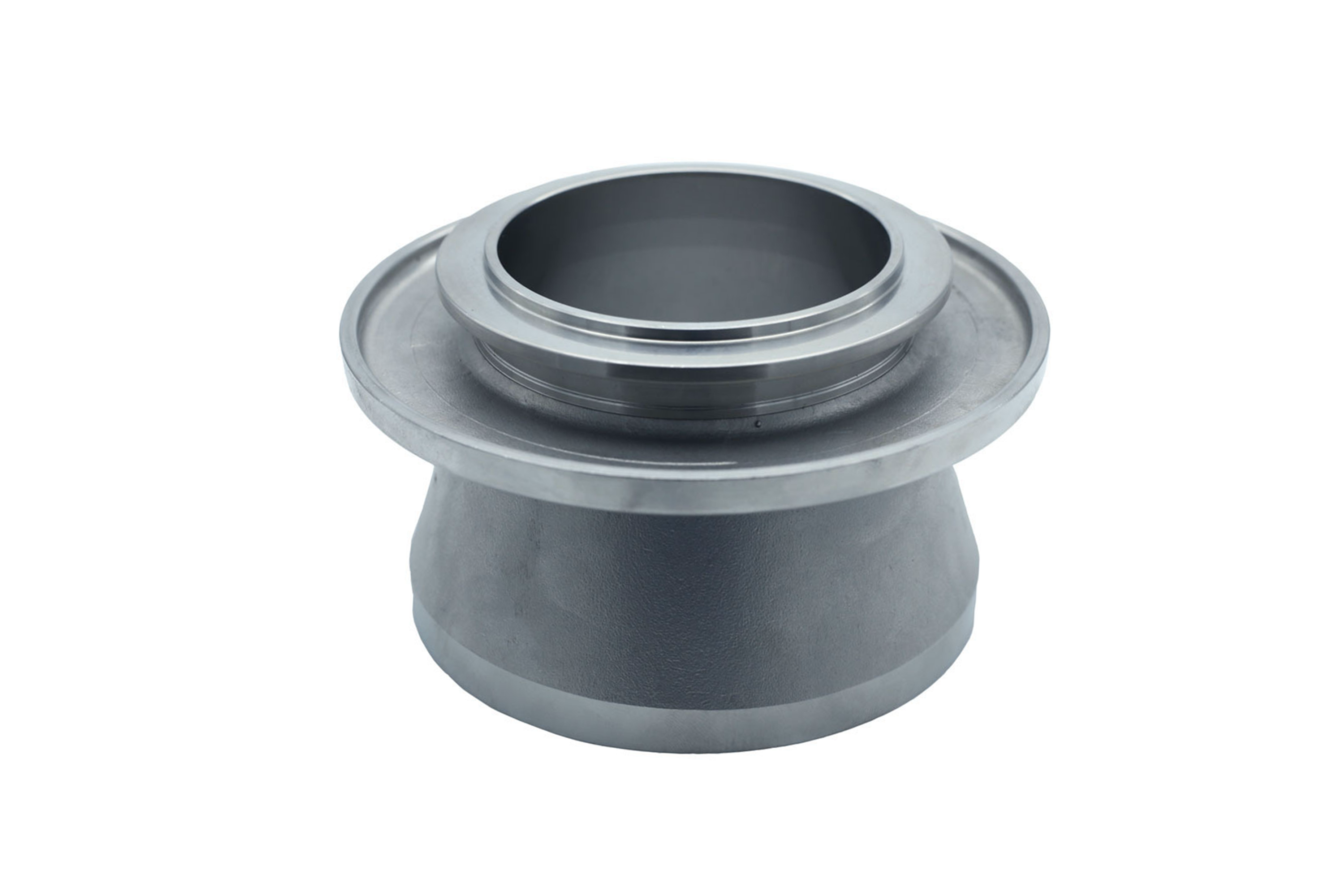
Tecnologia Central da Fundição por Cera Perdida
Injeção do Modelo de Cera: Modelos de cera altamente precisos são criados com precisão dimensional de ±0,03 mm, replicando geometrias complexas de turbinas com consistência.
Desenvolvimento do Molde Cerâmico: Cascas cerâmicas (espessura de 10–15 mm) formadas por imersões repetidas em suspensão proporcionam integridade estrutural durante a fundição.
Remoção Controlada da Cera: Moldes cerâmicos aquecidos a aproximadamente 250°C, removendo a cera de forma eficaz sem distorção, garantindo a replicação exata da forma.
Fundição Assistida a Vácuo: Fundição realizada a temperaturas de até 1650°C sob vácuo (<0,01 MPa de oxigênio), garantindo porosidade mínima (<0,1%) e peças livres de oxidação.
Remoção da Casca e Acabamento: As cascas cerâmicas são removidas mecanicamente; as peças são limpas e acabadas com precisão para atingir rugosidade superficial Ra ≤3,2 µm.
Tratamento Térmico Avançado: Os componentes passam por tratamentos térmicos especializados, incluindo solubilização e envelhecimento (cerca de 1050°C), aumentando a resistência à tração e a vida à fadiga.
Características dos Materiais para Componentes de Turbina a Gás
Propriedade | Especificação |
|---|---|
Materiais Típicos | Ligas à base de níquel (Inconel 718, Inconel 738), CMSX-4, Ligas de titânio (Ti-6Al-4V) |
Resistência à Tração | 900–1450 MPa |
Limite de Escoamento | ≥850 MPa |
Resistência à Temperatura | Até 1100°C |
Precisão Dimensional | ±0,05 mm |
Acabamento Superficial | Ra ≤3,2 µm |
Corrosão/Oxidação | Excepcional em altas temperaturas |
Capacidade de Pressão | Até 80 MPa |
Estudo de Caso: Fundição por Cera Perdida de Peças de Turbina a Gás
Contexto do Projeto
Um importante fornecedor global de geração de energia necessitava de componentes de turbina projetados com precisão, capazes de operação sustentada em alta temperatura (até 1100°C) e alta pressão (80 MPa). Os principais critérios de desempenho incluíam precisão dimensional rigorosa, propriedades mecânicas robustas e alta resistência à oxidação.
Componentes Comuns de Turbina a Gás e Aplicações
Pás da Turbina: Fundidas em ligas monocristalinas (ex.: CMSX-4) para garantir máxima resistência ao fluência em temperaturas de até 1100°C.
Palhetas Guia do Bocal: Otimizadas para direcionar gases de alta temperatura (≥1000°C), utilizando ligas como Inconel 738 para resistência superior à fadiga térmica.
Revestimentos da Câmara de Combustão: Projetados para resistência excepcional à oxidação, durabilidade e estabilidade em operação contínua de alta temperatura (até 1050°C).
Discos da Turbina: Fabricados com superligas à base de níquel, oferecendo resistência à fadiga excepcional e confiabilidade em aplicações rotacionais em temperaturas elevadas.
Seleção e Características Estruturais
Materiais como CMSX-4 e Inconel 718 foram selecionados por sua alta resistência à temperatura (>900 MPa de resistência à tração), resistência à oxidação e resistência ao fluência. Otimizações estruturais incluem formas aerodinâmicas, passagens de resfriamento e pontos de tensão reforçados.
Solução de Fabricação de Componentes de Turbina a Gás
Injeção de Cera de Precisão: Modelos de cera formados com precisão (tolerâncias ±0,03 mm), permitindo a reprodução consistente de canais de resfriamento intrincados e formas de pás.
Construção da Casca Cerâmica: Revestimentos repetidos com suspensão atingem espessuras de casca de 10–15 mm, essenciais para integridade dimensional e durabilidade do molde.
Fundição a Vácuo: Fundição da liga a ~1600°C sob vácuo (<0,01 MPa de oxigênio), garantindo porosidade <0,1% e microestruturas livres de defeitos.
Tratamento Térmico: Tratamentos personalizados de solubilização e envelhecimento a ~1050°C aumentam significativamente a resistência mecânica (até 1450 MPa de resistência à tração).
Usinagem CNC de Precisão: A avançada usinagem CNC de superligas garante precisão dimensional (±0,05 mm) e detalhamento superficial intrincado.
Revestimentos de Barreira Térmica (TBC): Aplicação de Revestimentos de Barreira Térmica especializados aumenta a proteção térmica e prolonga a vida útil do componente.
Ensaios Não Destrutivos (END): Avaliação radiográfica rigorosa (inspeção por raios-X) e ultrassônica confirma a integridade estrutural interna.
Teste de Desempenho Operacional: Testes de alta fidelidade replicam condições da turbina, verificando confiabilidade e desempenho do componente em condições reais.
Principais Desafios de Fabricação
Manter tolerâncias dimensionais rigorosas (±0,05 mm).
Minimizar níveis de porosidade na fundição (<0,1%).
Garantir propriedades mecânicas e térmicas consistentes em geometrias complexas.
Protocolos de teste extensivos para validar resistência à fadiga e corrosão em temperaturas extremas.
Resultados e Verificação
Verificação da Precisão Dimensional: Máquinas de Medição por Coordenadas (CMM) avançadas validaram a precisão dentro dos requisitos de tolerância de ±0,05 mm.
Validação de Testes Mecânicos: As resistências à tração atingiram consistentemente 900–1450 MPa, superando critérios de projeto e referências do setor.
Confirmação da Resistência à Oxidação: Testes de oxidação cíclica padrão ASTM demonstraram resistência excepcional a temperaturas superiores a 1000°C.
END e Garantia de Qualidade: Inspeções radiográficas e ultrassônicas confirmaram zero defeitos internos, atendendo rigorosos padrões aeroespaciais e industriais.
Verificação do Acabamento Superficial: Rugosidade superficial consistentemente abaixo de Ra 3,2 µm, reduzindo significativamente o arrasto aerodinâmico e melhorando a eficiência da turbina.
Perguntas Frequentes
Quais materiais a Neway AeroTech normalmente usa para componentes de turbina a gás?
Qual nível de precisão dimensional pode ser alcançado através da fundição por cera perdida?
Como a Neway AeroTech garante fundições livres de defeitos para componentes de turbina?
Projetos e especificações personalizadas podem ser acomodados para peças de turbina especializadas?
Que tipos de processos de teste e garantia de qualidade são usados para fundições de turbina?
