
WAAM、LMD、および SLM:最先端のアルミニウム 3D プリンティング技術
先進的なアルミニウム積層造形の概要
アルミニウム 3D プリンティングは、SLM、LMD、WAAM などの高度なプロセスにより、プロトタイピングから高性能製造へと進化しました。各技術は、強度、解像度、造形体積、材料効率において独自の利点を提供します。
Neway Aerotechでは、当社のアルミニウム 3D プリンティングサービスには、最先端の選択的レーザー溶融(SLM)、レーザー金属堆積(LMD)、およびワイヤアーク積層造形(WAAM)技術を使用した精密部品の製造が含まれます。
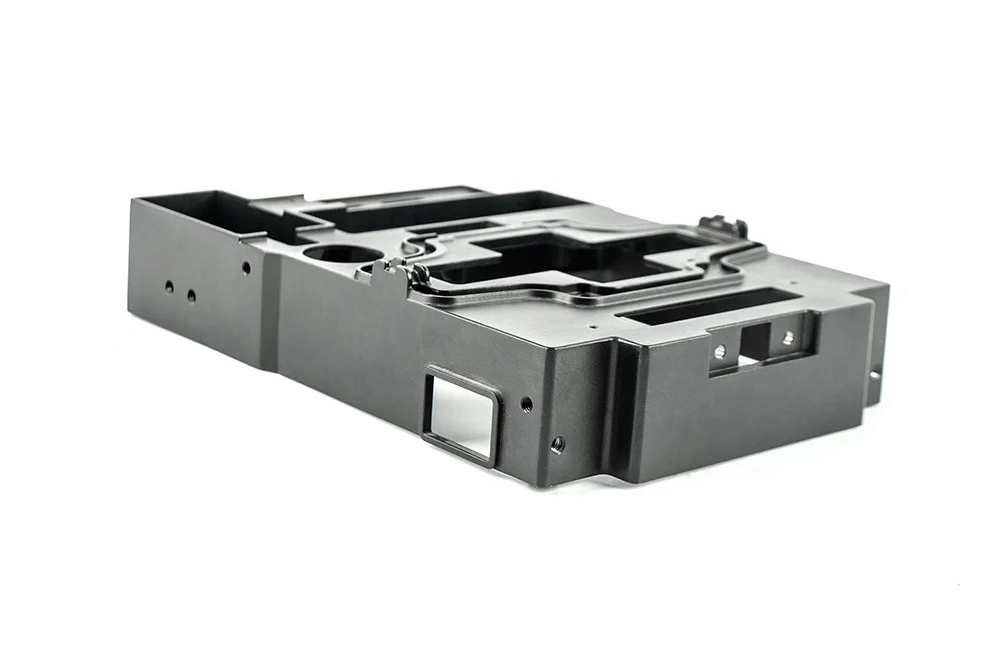
アルミニウム 3D プリンティング技術の概要
選択的レーザー溶融(SLM)
SLM は、高エネルギーのレーザーを使用して、制御された環境下でアルミニウム粉末を層ごとに完全に溶融させます。このプロセスは鍛造材に近い材料特性を生み出し、複雑な形状に最適です。
層厚:20~50 μm
密度:>99.5%
代表的な材料:AlSi10Mg、AlSi7Mg、Scalmalloy®
用途:航空宇宙用ブラケット、軽量エンクロージャー、流体マニホールド
レーザー金属堆積(LMD)
LMD は、集光されたレーザービームによって生成された溶融プールに金属粉末を供給し、アルミニウム部品またはクラッディング作業のための直接エネルギー堆積(DED)を可能にします。
堆積速度:5~15 cm³/min
壁厚:通常 1~5 mm
造形体積:中~大型
用途:タービン修理、コンフォーマルリブ、金型コアの補強
ワイヤアーク積層造形(WAAM)
WAAM は、アルミニウム溶接ワイヤと電気アークを使用して、高い堆積速度で大型部品を造形します。
堆積速度:100~300 cm³/min
ワイヤ径:1.2~1.6 mm
層高:0.8~1.2 mm
用途:大型アルミニウム構造物、工具用素材、航空宇宙用フレーム
プロセス選択戦略
技術 | 解像度 (μm) | 造形体積 | 堆積速度 | 主な強み |
|---|---|---|---|---|
SLM | 20~50 | <300 × 300 × 400 mm | 2~10 cm³/min | 高解像度、優れた表面仕上げ |
LMD | 100~300 | 500 × 500 × 1000 mm | 5~15 cm³/min | 中規模修理、ハイブリッド製造 |
WAAM | 800~1500 | >1 m³ | 100~300 cm³/min | コスト効率、大型構造物 |
後処理の必要性
SLM:300~400°C での応力除去を行い、その後表面仕上げ(例:機械加工または研磨)を実施。
LMD:変形や表面プロファイルを修正するために、CNC 機械加工が必要な場合が多い。
WAAM:表面粗さが大きいため(通常 Ra 20~40 μm)、大幅な機械加工が必要。
事例研究:WAAM による印刷された航空宇宙用アルミニウム治具
プロジェクト背景
ティア 1 の航空宇宙メーカーが、胴体組み立て用のカスタムアルミニウム治具を必要としていました。この部品は長さが 1200 mm を超え、厳しい構造公差が要求されました。
製造のハイライト
使用技術:ワイヤアーク積層造形
材料:ER5356 アルミニウム合金ワイヤ
堆積速度:1.2 mm ワイヤで 250 cm³/min
層高:1 パスあたり 1 mm
プレフォーム寸法:1250 mm × 400 mm × 150 mm
後処理と機械加工
CNC 機械加工:500 mm スパンあたり 0.05 mm 未満の平面度を達成
応力除去:330°C で 4 時間実施
X 線非破壊検査(NDT):気孔および溶着欠陥がないことを確認
結果と適用への影響
WAAM プロセスにより、ビレット機械加工と比較して材料廃棄物を 70% 以上削減しました。生産リードタイムも 40% 短縮されました。最終的な形状は、完全な後機械加工と仕上げの後、±0.1 mm 以内の寸法精度を維持しました。
よくある質問(FAQ)
アルミニウム部品における SLM、LMD、WAAM の主な違いは何ですか?
大型アルミニウム構造部品に最適な 3D プリンティングプロセスはどれですか?
WAAM によって印刷されたアルミニウム部品には、どのような後処理工程が必要ですか?
LMD を使用して、摩耗したアルミニウム工具や金型を修理できますか?
SLM による高解像度アルミニウムプリンティングから最も恩恵を受ける産業はどれですか?
