日本語

FGH97

FGH97 offers exceptional strength, creep resistance, and fatigue performance for advanced powder metallurgy turbine discs.

Material Introduction

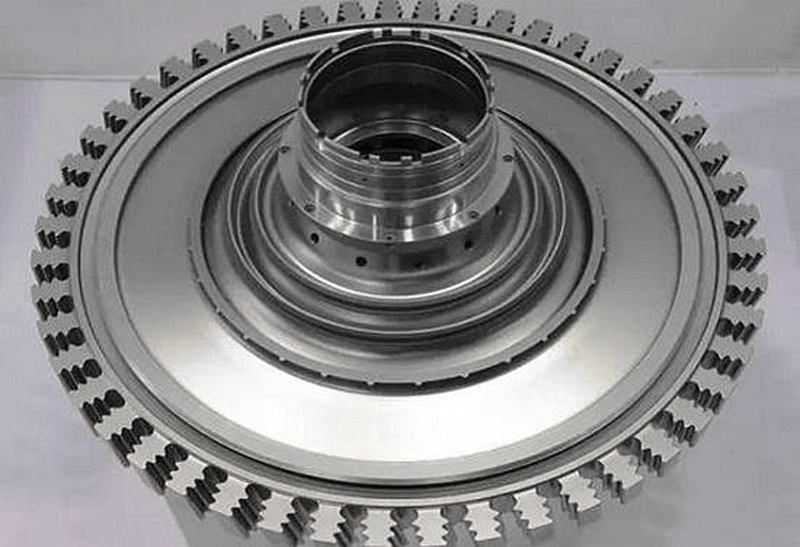
FGH97 is a high-performance nickel-based powder metallurgy (P/M) superalloy engineered for the most demanding powder metallurgy turbine disc applications in modern aero-engines. Designed for long-term service in extreme thermal and mechanical environments, FGH97 combines excellent creep resistance, outstanding fatigue strength, and exceptional microstructural stability at temperatures ranging from 700 to 750°C. Produced through P/M atomization, hot isostatic pressing (HIP), isothermal forging, and multi-step heat treatment, the alloy achieves a fine and uniform γ/γ′ microstructure, which significantly enhances its high-temperature performance. Optimized additions of chromium, cobalt, molybdenum, tungsten, aluminum, and titanium further strengthen the alloy through both solid-solution hardening and γ′ precipitation. Under Neway AeroTech’s advanced turbine disc manufacturing systems, FGH97 offers exceptional reliability, dimensional consistency, and long lifecycle performance for aviation propulsion systems.

Alternative Material Options

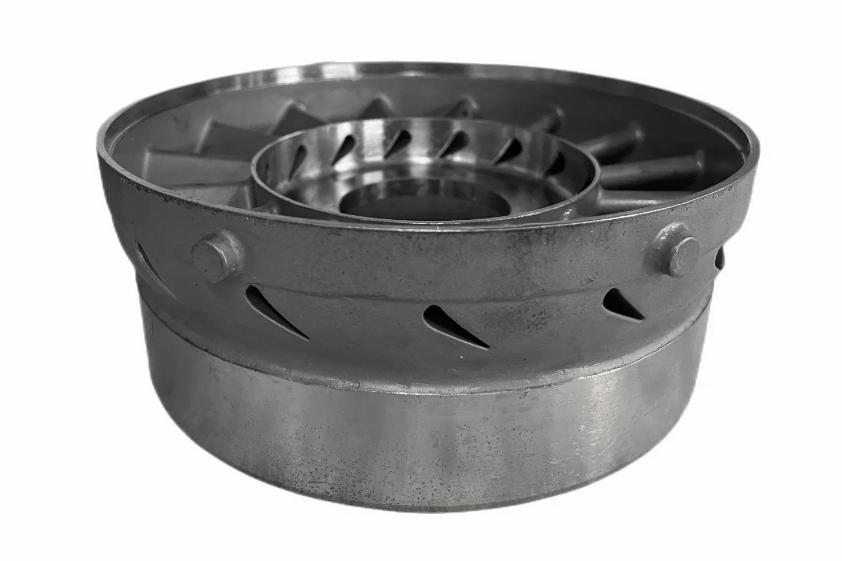
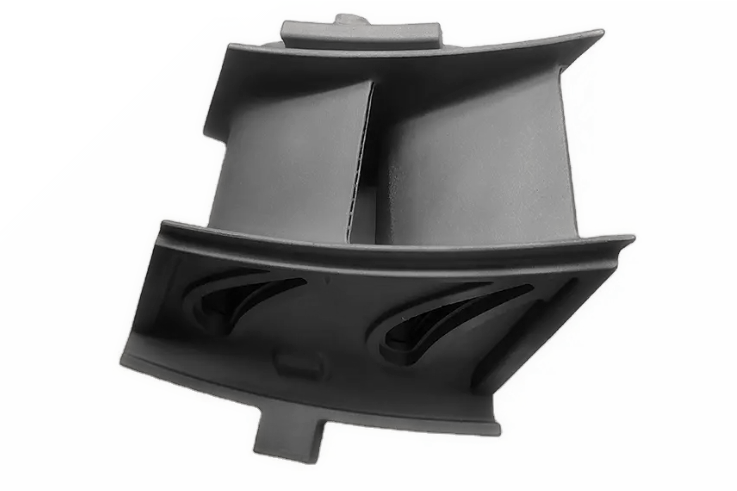
For ultra-high-temperature turbine blades or components exceeding FGH97’s capability, single-crystal alloys available under single crystal casting provide superior creep resistance. For corrosive or aggressive hot-gas environments, Hastelloy alloys or Monel alloys may offer better chemical durability. When hot wear or metal-to-metal galling is dominant, cobalt-based Stellite alloys provide superior performance. For lower-temperature stages that require strength at a reduced cost, casting steels or precipitation-hardened stainless steels are suitable. When lightweight structures are beneficial, titanium alloys such as TA15 may serve as substitutes for cooler turbine-stage components.

International Equivalent / Comparable Grade

Country/Region

Equivalent / Comparable Grade

Specific Commercial Brands

Notes

USA

René 104 / ME3 / René 95

GE ME3, GE René 104, GE René 95

Similar advanced P/M turbine disc alloys.

Europe (EN)

P/M Ni-based turbine alloys

EU aerospace-grade P/M disc materials

Used in high-duty turbine rotors.

China (GB/YB)

FGH97

FGH97 P/M alloy series

Widely used for military & commercial aero-engines.

ISO

Ni-based powder metallurgy superalloys

ISO P/M high-temperature alloys

Covers alloy composition and mechanical property requirements.

Neway AeroTech

FGH97 P/M superalloy

FGH97

Manufactured for precision turbine disc applications.

Design Purpose

FGH97 was developed as an upgraded turbine disc material capable of sustaining higher operating stresses and temperatures than earlier FGH-series alloys. Its metallurgical design focuses on maximizing γ′ volume fraction, improving creep resistance, and enhancing microstructural stability under extreme cyclic loading. The powder metallurgy route avoids macro-segregation found in cast superalloys and enables uniform grain size after forging. With its ability to maintain strength, fatigue resistance, and dimensional stability across thousands of flight cycles, FGH97 is ideal for high-pressure turbine (HPT) and intermediate-pressure turbine (IPT) discs, compressor discs, and structural rotors. Operators benefit from improved engine efficiency, longer service intervals, and enhanced reliability during long-duration missions.

Chemical Composition

Element

Ni

Co

Cr

Mo

W

Al

Ti

Others

Typical (%)

Balance

12–16

12–15

3–4

4–6

2–3

3–4

B, Zr, C, Hf (trace amounts)

Physical Properties

Property

Value

Density

~8.2–8.3 g/cm³

Melting Range

~1320–1370°C

Thermal Conductivity

~8–11 W/m·K

Electrical Conductivity

~2–4% IACS

Thermal Expansion

~13–15 µm/m·°C

Mechanical Properties

Tensile Strength (RT)

~1200–1500 MPa

Yield Strength (RT)

~950–1250 MPa

Elongation

~10–17%

High-Temperature Strength

Excellent to ~750°C

Creep Resistance

Superior long-term performance

Fatigue Strength

High under both HCF & LCF conditions

Key Material Characteristics

  • Very high tensile and yield strength at both room and elevated temperatures.

  • Excellent creep resistance, essential for long-duration turbine disc operation.

  • Enhanced fatigue performance suitable for repeated high-speed rotation.

  • Uniform microstructure due to powder metallurgy, eliminating casting segregation.

  • High γ′ volume fraction provides exceptional high-temperature reinforcement.

  • Stable microstructure under thermal cycling, reducing distortion and growth.

  • Strong oxidation resistance due to protective Cr and Al oxide layers.

  • Compatibility with HIP densification for premium integrity.

  • Suitable for advanced aviation turbine discs requiring extreme reliability.

  • Excellent damage tolerance and resistance to crack propagation.

Manufacturability And Post Process

  • Powder metallurgy processing produces fine, homogeneous alloy powder for segregation-free microstructure.

  • HIP consolidation provides full densification for crack-free turbine discs.

  • Isothermal forging aligns microstructure for optimal fatigue and creep resistance.

  • Multi-stage heat treatment improves γ′ precipitation and stability.

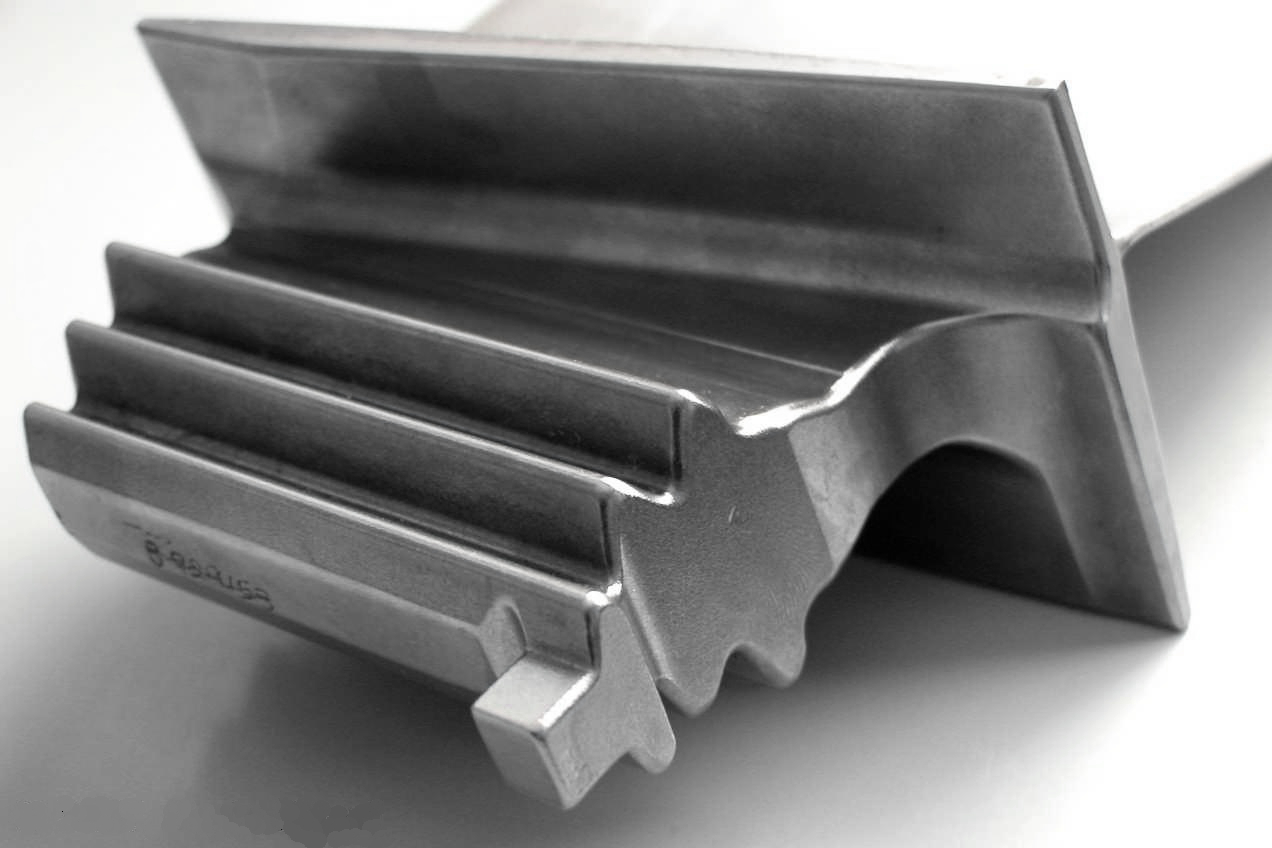
  • CNC machining achieves tight tolerances for bores, firtrees, and attachment surfaces.

  • EDM enables precision shaping of intricate features.

  • Deep hole drilling supports the integration of cooling channels when required.

  • Material testing and analysis confirm metallurgical integrity and flight-worthiness.

  • Shot peening enhances fatigue performance and crack resistance.

  • X-ray, UT, and CT ensure the defect-free quality of turbine discs.

Suitable Surface Treatment

  • Shot peening to introduce compressive stress and enhance fatigue life.

  • Diffusion coatings for oxidation and corrosion protection.

  • Thermal Barrier Coatings (TBC) for high-temperature turbine stages.

  • Precision grinding and polishing for mating interfaces.

  • Stress-relief heat treatments.

  • Metallographic verification via material testing.

Common Industries and Applications

When to Choose This Material

  • High-temperature turbine discs: Perfect for 650–750°C operational environments.

  • High-speed, high-stress rotating components: Offers exceptional fatigue and tensile strength.

  • Long-duration creep environments: Designed for prolonged high-temperature loading.

  • Segregation-free microstructure requirements: Powder metallurgy ensures uniformity.

  • Aerospace-level reliability: Suitable for mission-critical flight hardware.

  • Stable performance under thermal cycling: Maintains microstructural integrity across flight cycles.

  • High durability and long service life: Reduced maintenance downtime.

  • Advanced turbine designs: Ideal for enhancing next-generation aero-engine efficiency.

関連ブログを探索