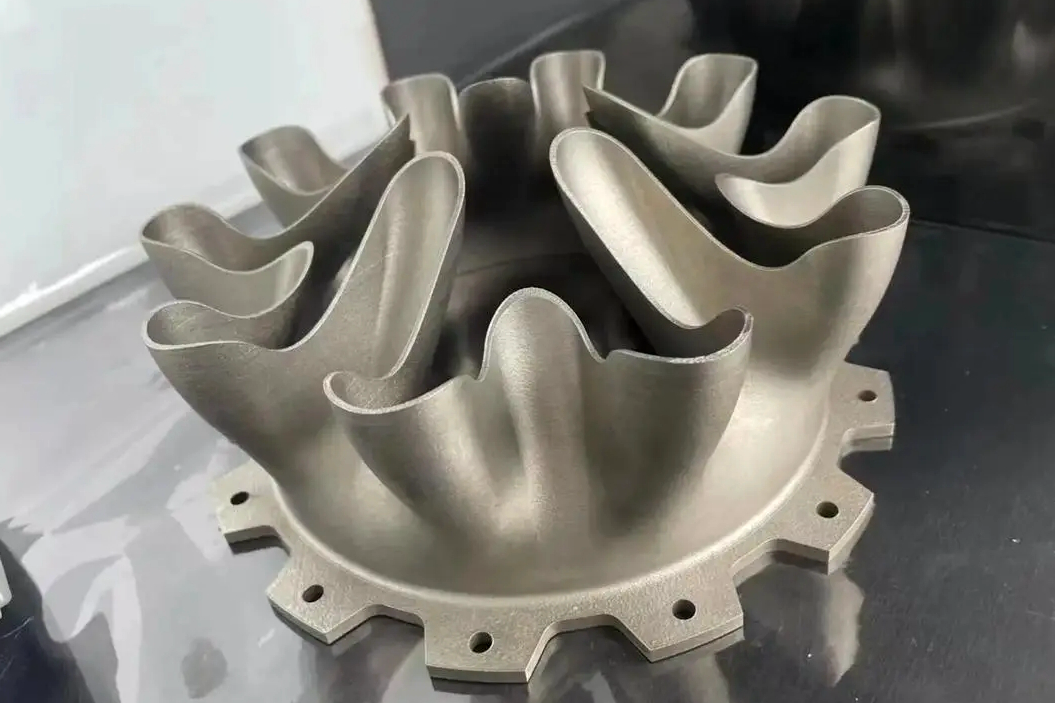
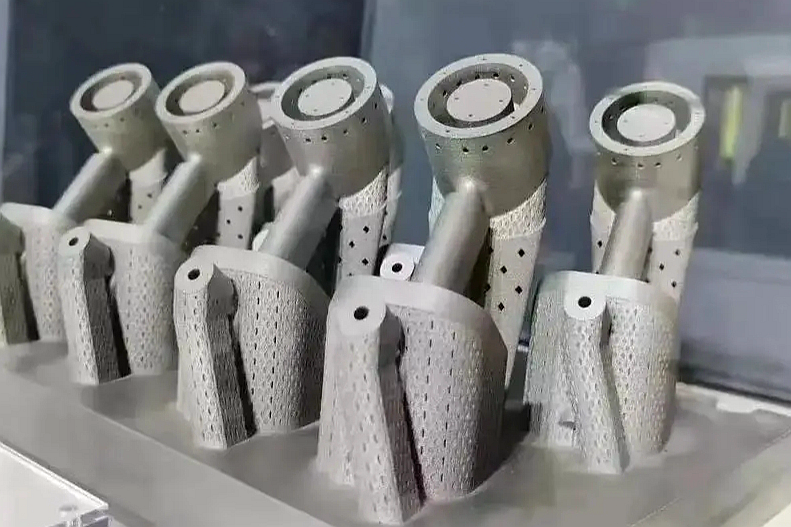
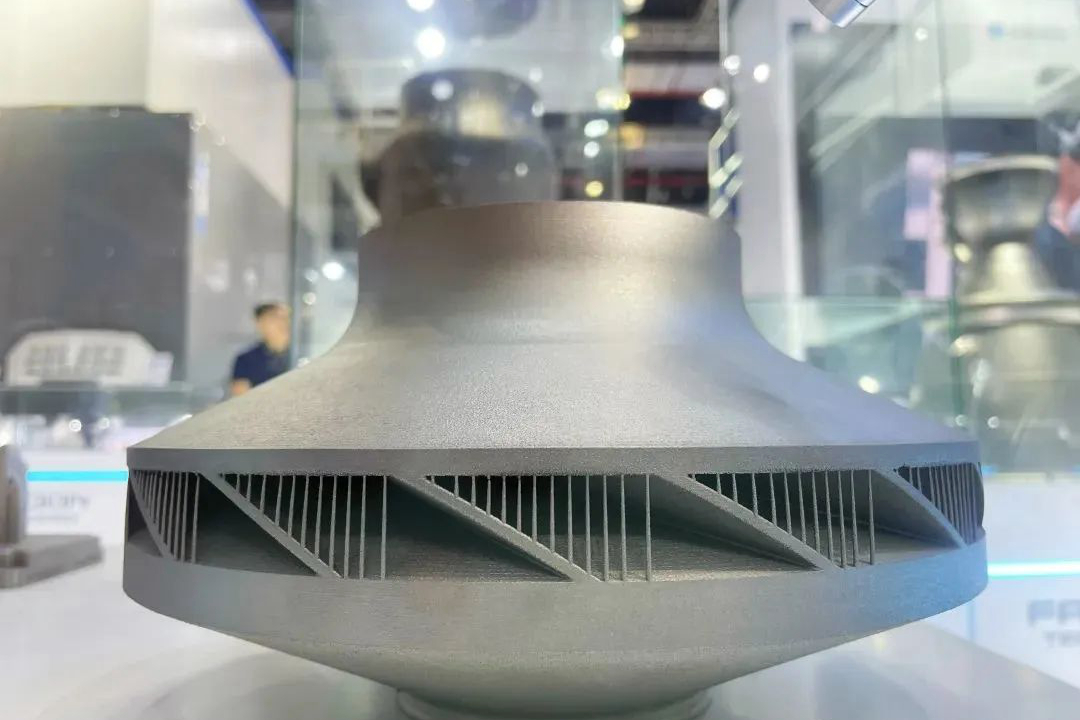
The aerospace and aviation industry is the primary beneficiary of laser cladded superalloys, particularly for turbine engine components. LC technology enables the repair and manufacturing of high-pressure turbine blades, vanes, and combustor liners using nickel-based superalloys like Inconel 718 and Rene 80. These components withstand temperatures exceeding 1000°C while maintaining structural integrity. The technology also manufactures and repairs compressor blades, shaft seals, and nozzle guide vanes, extending service life by 300-500% compared to replacement parts. The ability to apply thermal barrier coatings via LC further enhances performance in extreme environments.
The power generation sector utilizes LC superalloys for gas and steam turbine components subjected to extreme thermal cycling and corrosive environments. Applications include turbine blade tips, seal segments, burner cans, and heat shields in land-based turbines. Superalloys like Hastelloy X provide exceptional oxidation resistance at temperatures up to 1200°C. LC enables the repair of expensive turbine rotors and discs, avoiding replacement costs of up to 80% while restoring original performance characteristics. The technology also manufactures new components with integrated cooling channels that improve thermal efficiency.
The oil and gas industry employs LC superalloys for downhole tools, valves, and drilling equipment exposed to sour gas (H₂S) and high-pressure/high-temperature conditions. Components including drill bits, mud motor bearings, and Christmas tree valves benefit from the corrosion resistance of nickel-chromium superalloys. LC applies wear-resistant coatings to pump shafts and impellers, extending service life in abrasive environments. The technology also repairs expensive components like compressor rotors and turbine expanders, significantly reducing downtime and replacement costs in offshore and remote operations.
Various manufacturing sectors leverage LC superalloys for tooling, dies, and processing equipment. Applications include injection molds with conformal cooling channels, extrusion dies for high-temperature materials, and hot-work tooling for forging and casting operations. Cobalt-based superalloys like Stellite 6 provide exceptional wear resistance for cutting tools and wear plates. LC repairs and enhances industrial gas turbine components, chemical processing equipment, and high-temperature furnaces, providing cost-effective solutions for maintaining critical manufacturing infrastructure.
The medical industry utilizes LC superalloys for specialized surgical instruments and implant manufacturing tools requiring biocompatibility and sterilization resistance. While not for direct implantation, LC manufactures cobalt-chromium molds for plastic injection of medical devices and titanium fixtures for surgical robotics. The technology also produces and repairs components for chemical processing equipment where corrosion resistance is critical. Emerging applications include aerospace-grade components for satellite systems and rocket propulsion where the combination of lightweight design and high-temperature performance is essential.
Industry | Primary Applications | Key Superalloys | Benefits |
|---|---|---|---|
Aerospace | Turbine blades, combustors, vanes | Inconel 718, Rene 80 | High-temperature strength, oxidation resistance |
Power Generation | Turbine components, heat shields | Hastelloy X, Inconel 625 | Thermal cycling resistance, corrosion protection |
Oil & Gas | Downhole tools, valves, pumps | Inconel 725, Hastelloy C-276 | Sour service resistance, wear protection |
Industrial | Molds, dies, tooling | Stellite alloys, Colmonoy | Wear resistance, high-temperature hardness |
Medical | Surgical tools, manufacturing equipment | Cobalt-chromium, Titanium | Biocompatibility, sterilization capability |