
उच्च तापमान मिश्र धातु इनकोनेल 718 3D प्रिंटिंग एयरोस्पेस इंजन ईंधन पाइप पार्ट्स
ईंधन पाइप घटकों के लिए इनकोनेल 718 योगात्मक विनिर्माण का परिचय
इनकोनेल 718 एक निकेल-आधारित सुपरअलॉय है जिसे एयरोस्पेस-ग्रेड की ताकत, संक्षारण प्रतिरोध और उच्च तापमान पर दीर्घकालिक प्रदर्शन के लिए इंजीनियर किया गया है। 3D प्रिंटिंग के साथ, इनकोनेल 718 अनुकूलित ज्यामिति, कम वजन और उत्कृष्ट थकान प्रतिरोध वाले जटिल एयरोस्पेस इंजन ईंधन पाइपों के विनिर्माण को सक्षम बनाता है।
न्यूवे एयरोटेक में, हम चयनात्मक लेजर मेल्टिंग (SLM) का उपयोग करके इनकोनेल 718 योगात्मक विनिर्माण में विशेषज्ञ हैं, जिसमें इंजन ईंधन पाइप और तरल रूटिंग सिस्टम सहित परिशुद्ध एयरोस्पेस घटक प्रदान किए जाते हैं।
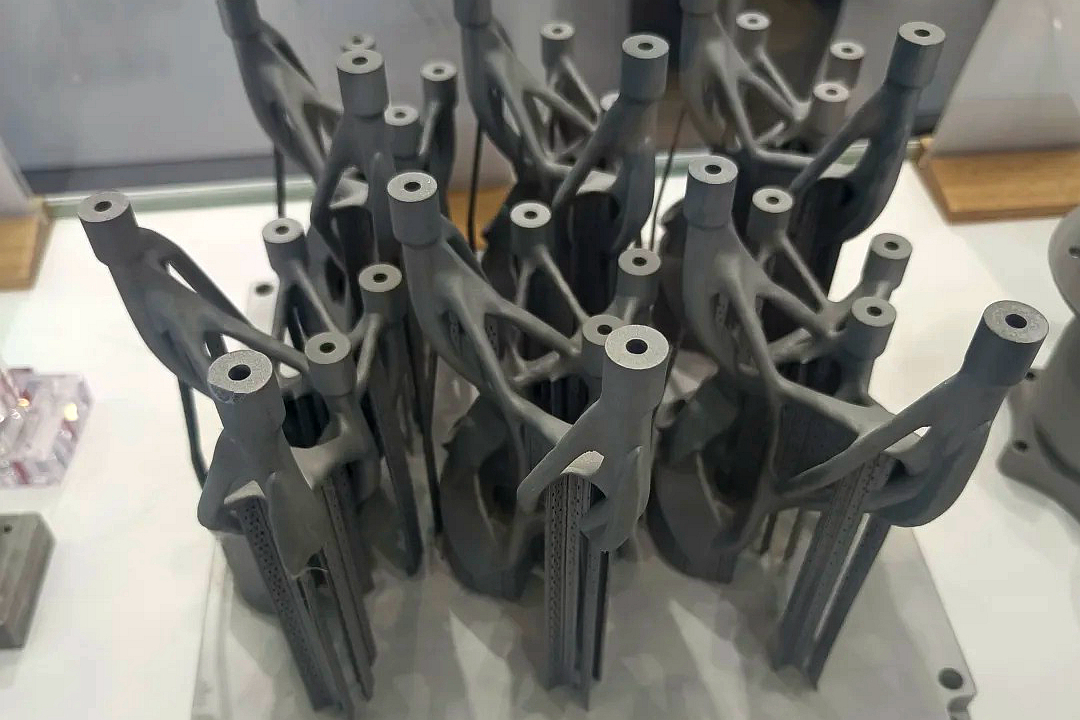
एयरोस्पेस ईंधन पाइपों के लिए योगात्मक विनिर्माण क्षमताएं
प्रक्रिया पैरामीटर
पैरामीटर | मान | विवरण |
|---|---|---|
प्रिंटिंग विधि | चयनात्मक लेजर मेल्टिंग (SLM) | बारीक रिज़ॉल्यूशन और उच्च घनत्व वाले निर्माण को सक्षम बनाता है |
परत की मोटाई | 30–50 μm | पतली दीवार वाली पाइप विशेषताओं का समर्थन करता है |
दीवार की मोटाई | 0.8–1.5 mm | दबाव सहन करने वाले एयरोस्पेस डक्ट्स के लिए इष्टतम |
सतह खुरदरापन (जैसा बनाया गया) | Ra 8–15 μm | पॉलिशिंग या आंतरिक प्रवाह उपचार के माध्यम से कम किया जा सकता है |
पोस्ट-प्रोसेसिंग | HIP, एजिंग, CNC मशीनिंग | यांत्रिक अखंडता और आयामी परिशुद्धता सुनिश्चित करता है |
ईंधन पाइप अनुप्रयोगों के लिए इनकोनेल 718 क्यों चुनें
गुण | मान | कार्यात्मक लाभ |
|---|---|---|
संचालन तापमान | 980°C तक | टर्बाइन वातावरण में थर्मल लोड को संभालता है |
700°C पर यील्ड स्ट्रेंथ | ≥ 720 MPa | चक्रीय तनाव और आंतरिक दबाव के تحت रूप बनाए रखता है |
संक्षारण प्रतिरोध | ऑक्सीडाइजिंग माध्यम में उत्कृष्ट | ईंधन और दहन गैस के संपर्क का प्रतिरोध करता है |
थकान जीवन | 650 MPa पर >10⁸ चक्र | कंपनकारी टर्बाइन माउंटिंग स्थानों के लिए उपयुक्त |
वेल्डेबिलिटी और तन्यता | उच्च | एकीकृत फिटिंग के साथ डिज़ाइन स्वतंत्रता को सक्षम बनाता है |
सामग्री और प्रसंस्करण रणनीति
पाउडर: गैस-परमाणुकृत इनकोनेल 718, गोलाकार D50 ~35 μm, एयरोस्पेस उपयोग के लिए प्रमाणित।
बिल्ड ओरिएंटेशन: प्रवाह क्षेत्रों में सपोर्ट को कम करने और आंतरिक चैनल विकृति से बचने के लिए संरेखित।
पोस्ट-ट्रीटमेंट:
आंतरिक सरंध्रता को समाप्त करने के लिए HIP।
AMS 5663 के अनुसार हीट ट्रीटमेंट: 980°C सॉल्यूशन + 720°C/8h + 620°C/8h एजिंग।
कनेक्टर इंटरफेस, फ्लैंज और थ्रेड ज्यामिति के लिए CNC मशीनिंग।
संक्षारण स्थायित्व के लिए पैसिवेशन।
केस स्टडी: एयरोस्पेस टर्बाइन के लिए इनकोनेल 718 3D प्रिंटेड ईंधन स्थानांतरण ट्यूब
परियोजना पृष्ठभूमि
एक टर्बाइन इंजन इंटीग्रेटर को पतली दीवार वाली ज्यामिति, एकीकृत ब्रैकेट और गैर-रैखिक रूटिंग वाले कस्टम-डिज़ाइन किए गए ईंधन पाइप की आवश्यकता थी। पारंपरिक निर्माण में बहु-भाग मोड़ना, वेल्डिंग और जोड़ना शामिल था, जिससे संभावित विफलता बिंदु पैदा हुए और लीड टाइम बढ़ गया।
विनिर्माण वर्कफ़्लो
डिज़ाइन: 1.2 mm नाममात्र दीवार और एकीकृत क्लैम्प/पोर्ट के साथ जटिल 3D मॉडल।
प्रिंटिंग: 400 W सिस्टम पर SLM, 40 μm परतें, आर्गन वातावरण।
पोस्ट प्रोसेसिंग:
4 घंटे के लिए 1200°C / 100 MPa पर HIP।
हीट-ट्रीटेड और एज्ड।
अबरাসिव फ्लो मशीनिंग का उपयोग करके आंतरिक सतह को Ra ≤ 5 μm तक चिकना किया गया।
फिनिशिंग:
AN फ्लैंज को ±0.01 mm तक मशीन किया गया।
वेल्ड-रेडी सॉकेट ग्राउंड और चैम्फर्ड।
संरेखण और फिटमेंट सहनशीलता को CMM द्वारा सत्यापित किया गया।
सत्यापन और निरीक्षण
एक्स-रे निरीक्षण और अल्ट्रासोनिक परीक्षण ने 100% बॉन्ड अखंडता दिखाई।
शून्य विफलता के साथ 2× संचालन दबाव (7 बार) तक लीक टेस्ट किया गया।
100°C और 950°C के बीच 500 चक्रों का थर्मल साइकिल टेस्ट किया गया—कोई आयामी या सूक्ष्म संरचनात्मक गिरावट नहीं देखी गई।
परिणाम और सत्यापन
प्रिंटेड इनकोनेल 718 ईंधन पाइप ने 5 वेल्डेड जोड़ों को समाप्त किया, वजन में 18% की कमी की, और आपूर्ति समयरेखा को 40% से अधिक कम किया। प्रमाणित टर्बाइन असेंबली में एकीकरण के लिए सभी यांत्रिक, थर्मल और प्रवाह परीक्षण आवश्यकताएं पास हो गईं।
अक्सर पूछे जाने वाले प्रश्न (FAQs)
इनकोनेल ईंधन पाइपों के लिए विश्वसनीय रूप से प्रिंट की जा सकने वाली न्यूनतम दीवार की मोटाई क्या है?
क्या इनकोनेल 718 प्रिंटेड पाइपों को अन्य धातु घटकों के साथ पोस्ट-वेल्डेड या ब्रेज़्ड किया जा सकता है?
कौन सी सतह फिनिशिंग प्रवाह में सुधार करती है और प्रिंटेड ईंधन लाइनों में दबाव ड्रॉप को कम करती है?
थकान-महत्वपूर्ण ईंधन रूटिंग घटकों के लिए HIP और हीट ट्रीटमेंट आवश्यक हैं?
क्या शिपमेंट से पहले दबाव, कंपन और थर्मल साइक्लिंग परीक्षण किए जा सकते हैं?
