
उच्च-तापमान मिश्र धातु सीएनसी मशीनिंग टर्बाइन डिस्क
परिचय
गैस टर्बाइनों में चरम तापीय और यांत्रिक भार का सामना करने में सक्षम सटीक घटक प्रदान करने के लिए उच्च-तापमान मिश्र धातु टर्बाइन डिस्क की सीएनसी मशीनिंग की जाती है। ये डिस्क आमतौर पर इंकोनेल, रेने, निमोनिक और हैस्टेलॉय मिश्र धातुओं से निर्मित की जाती हैं, जिन्हें एयरोस्पेस, बिजली उत्पादन और परमाणु ऊर्जा अनुप्रयोगों के लिए इंजीनियर किया गया है।
न्यूवे एयरोटेक में, हम 700°C से अधिक पर काम करने वाली टर्बाइन डिस्क के लिए ±0.01 मिमी के भीतर महत्वपूर्ण सहनशीलता को पूरा करने के लिए 5-अक्ष सीएनसी मशीनिंग, अनुकूली टूलपाथ रणनीतियों और इन-सीटू निरीक्षण को जोड़ते हैं।
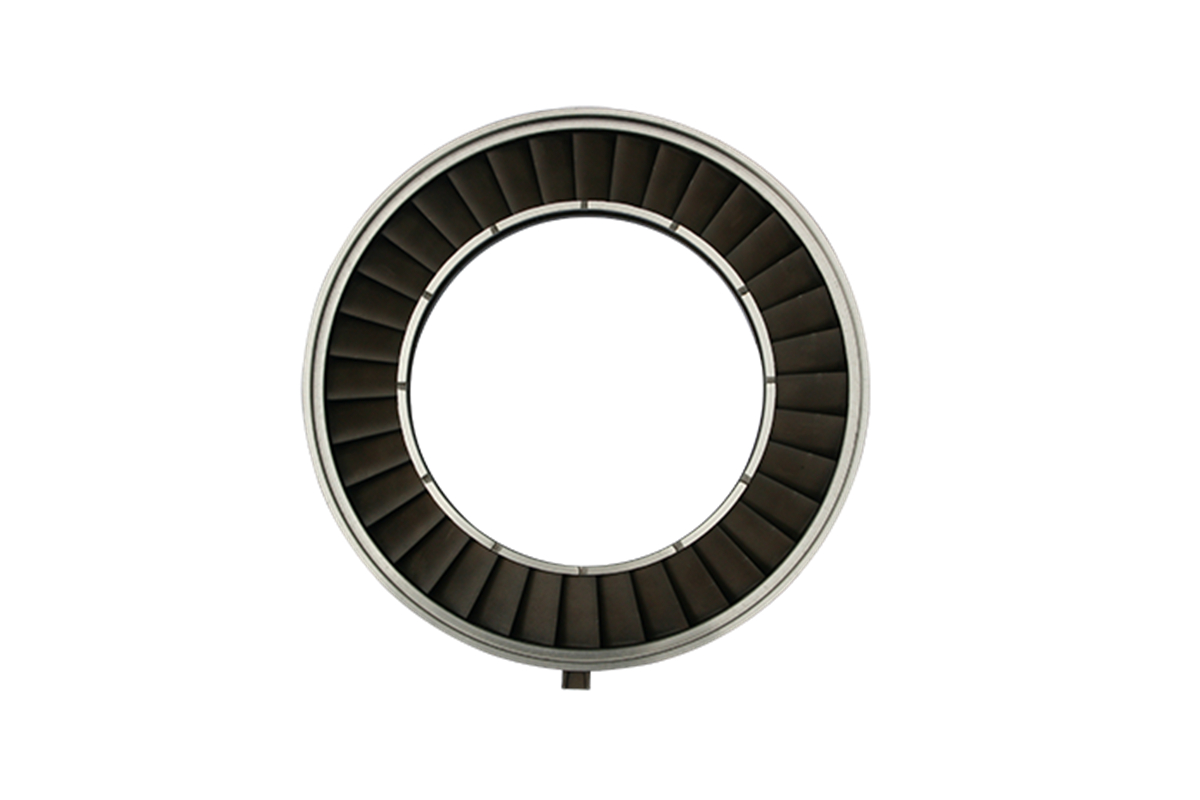
टर्बाइन डिस्क के लिए मुख्य सीएनसी मशीनिंग प्रौद्योगिकी
सामग्री पूर्व-योग्यता इंकोनेल 718, रेने 95, या निमोनिक 90 के कच्चे बिलेट्स का संरचनात्मक सटीकता के लिए जीडीएमएस और आईसीपी-ओईएस का उपयोग करके विश्लेषण किया जाता है।
रफ और फिनिश मशीनिंग मल्टी-एक्सिस मशीनिंग 400–600 सेमी³/मिनट (रफिंग) पर अतिरिक्त स्टॉक को हटाती है और ब्लेड जड़ों और बोर पर <0.8 µm Ra सतह के साथ फिनिश करती है।
अनुकूली टूलपाथ और कूलिंग कठोर सुपरएलॉय को काटते समय थर्मल विरूपण और टूल वियर को कम करने के लिए थ्रू-स्पिंडल कूलेंट के साथ कस्टम सीएएम एल्गोरिदम का उपयोग किया जाता है।
इन-सीटू माप और सत्यापन सीएमएम और 3डी स्कैनिंग सभी सेक्टरों में आयामी अखंडता और ब्लेड समरूपता की पुष्टि करते हैं।
पोस्ट-मशीनिंग हीट ट्रीटमेंट मशीनिंग के बाद यांत्रिक शक्ति और सूक्ष्मसंरचना एकरूपता को पुनर्प्राप्त करने के लिए डिस्क को सॉल्यूशन-ट्रीटेड और एज्ड किया जाता है।
केस स्टडी: विमान इंजन के लिए सीएनसी मशीनीकृत रेने 88 टर्बाइन डिस्क
प्रोजेक्ट पृष्ठभूमि
एक जेट इंजन ओईएम को रेने 88 से मशीनीकृत एक टर्बाइन डिस्क की आवश्यकता थी जो 850°C के निरंतर तापमान और 12,000 आरपीएम से अधिक की घूर्णन गति को संभाल सके। डिस्क को ब्लेड स्लॉट और बोर संकेंद्रिता के लिए कड़ी सहनशीलता को पूरा करना था।
निर्माण रणनीति
प्रयुक्त सामग्री: रेने 88 फोर्ज्ड बिलेट, टेन्साइल टेस्टिंग और एक्स-रे निरीक्षण का उपयोग करके पूर्व-परीक्षण किया गया
मशीनिंग सहनशीलता: हब व्यास पर ±0.01 मिमी, फ़िर-ट्री स्लॉट पिच पर ±0.005 मिमी
फिनिश सतह गुणवत्ता: 200 मीटर/मिनट कटिंग स्पीड के साथ सिरेमिक इन्सर्ट का उपयोग करके Ra 0.6 µm
पोस्ट-प्रोसेसिंग: हॉट आइसोस्टेटिक प्रेसिंग (एचआईपी) और 4 घंटे के लिए 980°C पर अंतिम स्ट्रेस रिलीफ
अंतिम सत्यापन
डायनेमिक बैलेंसिंग: रोटर डिस्क ने आईएसओ 1940 जी2.5 बैलेंस विनिर्देश पास किया
थर्मल साइकिल टेस्टिंग: 200°C से 850°C तक 20,000 चक्रों का सामना किया, कोई क्रैकिंग या वार्पेज नहीं
सतह दोष निरीक्षण: औद्योगिक सीटी स्कैनिंग का उपयोग करके कोई समावेशन या उप-सतह दोष का पता नहीं चला
टर्बाइन डिस्क सीएनसी मशीनिंग में उपयोग की जाने वाली सामान्य मिश्र धातुएं
मिश्र धातु | अधिकतम कार्य तापमान | यील्ड स्ट्रेंथ | उल्लेखनीय अनुप्रयोग क्षेत्र |
|---|---|---|---|
इंकोनेल 718 | ~700°C | 1030 एमपीए | बिजली उत्पादन, एयरोस्पेस |
रेने 88 | ~850°C | 1160 एमपीए | जेट इंजन रोटर्स |
निमोनिक 90 | ~820°C | 1000 एमपीए | औद्योगिक गैस टर्बाइन |
हैस्टेलॉय एक्स | ~1175°C | 880 एमपीए | कंबस्टर डिस्क, एग्जॉस्ट |
टर्बाइन डिस्क ज्यामिति और मशीनिंग विचार
डिस्क व्यास: आमतौर पर 250 मिमी से 600 मिमी तक होता है
स्लॉट प्रोफाइल: फॉर्म टूल्स के साथ मशीनीकृत फ़िर-ट्री, डोवटेल और सिंगल-हुक स्लॉट
हब बोर सटीकता: IT6 सहनशीलता वर्ग के साथ कोएक्सियलिटी <0.01 मिमी
सामग्री निष्कासन दर: रफिंग: 500–800 सेमी³/मिनट, फिनिशिंग: 80–120 सेमी³/मिनट
गुणवत्ता आश्वासन और अंतिम वितरण
आयामी सत्यापन: सभी प्रमुख आयामों का सीएमएम और 3डी स्कैनिंग सिस्टम के साथ निरीक्षण किया जाता है।
यांत्रिक परीक्षण: चक्रीय लोडिंग के तहत प्रदर्शन सुनिश्चित करने के लिए यील्ड, टेन्साइल और फैटिग टेस्टिंग की जाती है।
सतह अखंडता: अंतिम पॉलिशिंग और निरीक्षण यह गारंटी देता है कि कोई माइक्रो-क्रैक या हीट-अफेक्टेड जोन नहीं हैं।
ट्रेसेबिलिटी: एयरोस्पेस-स्तरीय ट्रेसेबिलिटी के लिए सामग्री प्रमाणपत्र, प्रक्रिया शीट और निरीक्षण रिकॉर्ड संग्रहीत किए जाते हैं।
अक्सर पूछे जाने वाले प्रश्न
उच्च-तापमान मिश्र धातुओं से बनी सीएनसी मशीनीकृत टर्बाइन डिस्क के लिए विशिष्ट लीड टाइम क्या है?
हीट-रेजिस्टेंट मिश्र धातुओं की मशीनिंग के दौरान आप आयामी स्थिरता कैसे बनाए रखते हैं?
टर्बाइन डिस्क में थकान प्रतिरोध को सुधारने के लिए कौन सी पोस्ट-प्रोसेसिंग विधियाँ हैं?
सुपरएलॉय डिस्क मशीनिंग में टूल वियर के सबसे सामान्य कारण क्या हैं?
क्या न्यूवे एयरोटेक ओईएम प्रदर्शन आवश्यकताओं के आधार पर टर्बाइन डिस्क डिजाइन को अनुकूलित कर सकता है?
