
Ti-6Al-4V TC4 टर्बोचार्जर व्हील्स 3D प्रिंटिंग निर्माता
परिचय
Ti-6Al-4V (TC4) एक टाइटेनियम मिश्रधातु है जो उच्च शक्ति (~900 MPa), कम घनत्व (4.43 g/cm³), उत्कृष्ट जंग प्रतिरोध और शानदार थकान प्रदर्शन का श्रेष्ठ संयोजन प्रदान करती है। इसे ऑटोमोटिव, एयरोस्पेस और औद्योगिक टर्बो मशीनरी में उच्च-गति, उच्च-तापमान टर्बोचार्जर व्हील्स के लिए प्रमुख सामग्री के रूप में व्यापक रूप से माना जाता है।
Neway AeroTech में, हम सेलेक्टिव लेजर मेल्टिंग (SLM) तकनीक का उपयोग करके 3D प्रिंटिंग Ti-6Al-4V टर्बोचार्जर व्हील्स में विशेषज्ञता रखते हैं, जो उत्कृष्ट यांत्रिक गुणों, सटीक ज्यामिति और अधिकतम टर्बोचार्जर दक्षता के लिए बेहतर डिजाइन लचीलेपन के साथ नेट-शेप के करीब घटक प्रदान करते हैं।
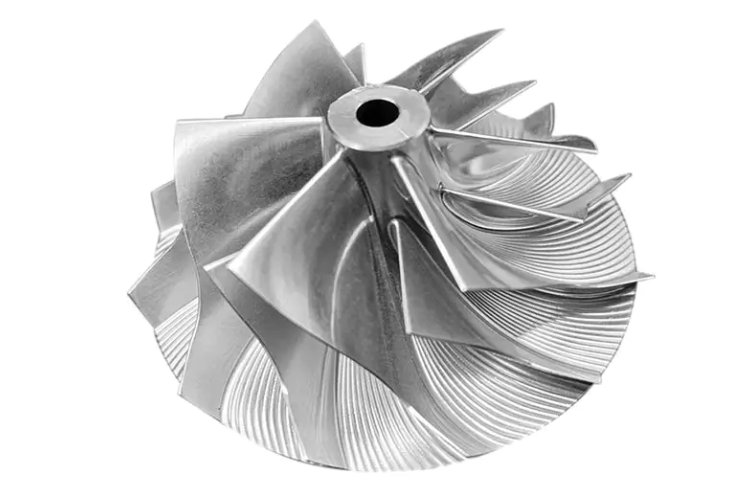
Ti-6Al-4V टर्बोचार्जर व्हील्स के लिए प्रमुख निर्माण चुनौतियाँ
रासायनिक संरचना बनाए रखना (Al 5.5–6.75%, V 3.5–4.5%) इष्टतम यांत्रिक प्रदर्शन के लिए।
सूक्ष्म संरचना को नियंत्रित करना थकान शक्ति के लिए महीन α+β चरणों के साथ पूरी तरह से सघन भाग प्राप्त करने के लिए।
आयामी सहनशीलता प्राप्त करना उच्च-गति रोटर संतुलन के लिए ±0.05 mm के भीतर।
सतह परिष्करण सुनिश्चित करना (निर्मित के रूप में Ra ≤5 µm, पोस्ट-प्रोसेसिंग के बाद Ra ≤1.6 µm) वायुगतिकीय प्रदर्शन के लिए।
Ti-6Al-4V टर्बोचार्जर व्हील्स के लिए 3D प्रिंटिंग प्रक्रिया
उन्नत SLM निर्माण प्रक्रिया में शामिल हैं:
CAD मॉडलिंग और सिमुलेशन: हल्केपन के अनुकूलन के साथ उच्च-दक्षता व्हील ज्यामिति डिजाइन करना।
पाउडर लेयरिंग और लेजर मेल्टिंग: निष्क्रिय गैस वातावरण में ~1600°C पर Ti-6Al-4V पाउडर की परत-दर-परत संलयन।
सपोर्ट संरचना हटाना: आंतरिक तनावों को कम करने के लिए निर्माण के बाद सपोर्ट्स हटाना।
हीट ट्रीटमेंट (एनीलिंग): सूक्ष्म संरचना को परिष्कृत करने और अवशिष्ट तनावों को दूर करने के लिए ~800°C–950°C पर आयोजित।
परिशुद्ध CNC मशीनिंग: कड़ी सहनशीलता और चिकनी वायुगतिकीय सतहों को प्राप्त करने के लिए अंतिम महत्वपूर्ण सतह परिष्करण।
टर्बो व्हील्स के लिए निर्माण विधियों का तुलनात्मक विश्लेषण
प्रक्रिया | सतह परिष्करण | आयामी परिशुद्धता | यांत्रिक गुण | डिजाइन लचीलापन | लागत दक्षता |
|---|---|---|---|---|---|
SLM 3D प्रिंटिंग + मशीनिंग | अच्छा से उत्कृष्ट (Ra ≤1.6 µm) | बहुत उच्च (±0.05 mm) | उत्कृष्ट (~900 MPa) | उत्कृष्ट | छोटे बैचों के लिए उच्च |
इन्वेस्टमेंट कास्टिंग | अच्छा (Ra ~3–5 µm) | मध्यम (±0.2 mm) | बहुत अच्छा (~860 MPa) | सीमित | बड़े बैचों के लिए कम |
फोर्जिंग + मशीनिंग | उत्कृष्ट (Ra ≤0.8 µm) | बहुत उच्च (±0.01 mm) | श्रेष्ठ (~950 MPa) | कम | उच्च |
Ti-6Al-4V टर्बो व्हील्स के लिए इष्टतम निर्माण रणनीति
SLM 3D प्रिंटिंग: अत्यधिक जटिल, हल्केपन के अनुकूलित टर्बोचार्जर व्हील डिजाइनों के लिए सर्वोत्तम जिन्हें कड़ी सहनशीलता और श्रेष्ठ प्रदर्शन की आवश्यकता होती है।
इन्वेस्टमेंट कास्टिंग: उच्च-मात्रा उत्पादन में सरल, मोटी-दीवार वाली ज्यामिति के लिए उपयुक्त।
फोर्जिंग + CNC मशीनिंग: ऐसे अनुप्रयोगों के लिए सर्वोत्तम जिन्हें अत्यधिक उच्च यांत्रिक शक्ति की आवश्यकता होती है लेकिन कम डिजाइन लचीलापन चाहिए।
Ti-6Al-4V (TC4) मिश्रधातु प्रदर्शन अवलोकन
गुण | मान | अनुप्रयोग प्रासंगिकता |
|---|---|---|
तन्य शक्ति | ~900 MPa | उच्च-गति टरबाइन व्हील स्थायित्व |
उपज शक्ति | ~830 MPa | उच्च अपकेंद्रीय बलों के तहत शक्ति बनाए रखती है |
घनत्व | 4.43 g/cm³ | हल्केपन डिजाइन, स्पूल-अप प्रतिक्रिया में सुधार |
थकान शक्ति | ~510 MPa | दीर्घकालिक उच्च-गति घूर्णन के लिए महत्वपूर्ण |
अधिकतम कार्य तापमान | ~400°C | टर्बो वातावरण में उन्नत तापमान का सामना करती है |
टर्बोचार्जर व्हील्स के लिए Ti-6Al-4V उपयोग के लाभ
उच्च शक्ति-से-वजन अनुपात टर्बोचार्जर त्वरण को बढ़ाता है और जड़त्व को कम करता है।
उत्कृष्ट जंग प्रतिरोध गर्म गैसों और दहन उपोत्पादों से सुरक्षा करता है।
शानदार थकान प्रतिरोध चरम चक्रीय भार के तहत सेवा जीवन बढ़ाता है।
श्रेष्ठ डिजाइन स्वतंत्रता अनुकूलित, खोखली, या एकीकृत ज्यामिति के निर्माण को सक्षम बनाती है।
Ti-6Al-4V टर्बोचार्जर व्हील्स के लिए पोस्ट-प्रोसेसिंग तकनीकें
हॉट आइसोस्टेटिक प्रेसिंग (HIP): अवशिष्ट सरंध्रता को समाप्त करके संरचना को सघन करती है, थकान जीवन में 20–30% सुधार करती है।
हीट ट्रीटमेंट (एनीलिंग): संतुलित शक्ति और तन्यता के लिए α+β चरण सूक्ष्म संरचना को परिष्कृत करती है।
परिशुद्ध CNC मशीनिंग: ±0.01 mm के भीतर अंतिम सहनशीलता और वायुगतिकीय सतह चिकनाई (Ra ≤0.8 µm) प्राप्त करती है।
सतह परिष्करण (पॉलिशिंग/शॉट पीनिंग): थकान जीवन को बढ़ाती है और बेहतर गैस प्रवाह के लिए सतह खुरदरापन कम करती है।
टर्बोचार्जर व्हील्स के लिए निरीक्षण और गुणवत्ता आश्वासन
कोऑर्डिनेट मेजरिंग मशीन (CMM): महत्वपूर्ण वायुगतिकीय प्रोफाइलों को ±0.01 mm सटीकता से मापती है।
कम्प्यूटेड टोमोग्राफी (CT) स्कैनिंग: आंतरिक सरंध्रता या दोषों का गैर-विनाशकारी रूप से पता लगाती है।
अल्ट्रासोनिक परीक्षण (UT): एयरोस्पेस मानकों के लिए आंतरिक गुणवत्ता का मूल्यांकन करती है।
डाई पेनेट्रेंट परीक्षण (PT): 0.002 mm जितने छोटे महीन सतह दरारों की पहचान करती है।
उद्योग अनुप्रयोग और केस स्टडी
Neway AeroTech द्वारा निर्मित Ti-6Al-4V टर्बोचार्जर व्हील्स का व्यापक रूप से उपयोग उच्च-प्रदर्शन ऑटोमोटिव टर्बोचार्जर्स, एयरोस्पेस सहायक बिजली इकाइयों (APUs) और औद्योगिक उच्च-गति टर्बो कंप्रेसर्स में किया जाता है। एक प्रतिस्पर्धी मोटरस्पोर्ट कार्यक्रम में, हमारे 3D-प्रिंटेड Ti-6Al-4V व्हील्स ने पारंपरिक एल्यूमीनियम टरबाइन व्हील्स की तुलना में स्पूल-अप समय में 18% सुधार किया और 25% अधिक थकान जीवन प्रदर्शित किया।
अक्सर पूछे जाने वाले प्रश्न
Neway AeroTech Ti-6Al-4V टर्बोचार्जर व्हील्स के लिए कौन सी आयामी सहनशीलता प्राप्त कर सकता है?
जटिल टर्बोचार्जर व्हील डिजाइनों के लिए SLM 3D प्रिंटिंग को क्यों पसंद किया जाता है?
टर्बोचार्जर अनुप्रयोगों के लिए Ti-6Al-4V की तुलना एल्यूमीनियम मिश्रधातुओं से कैसे होती है?
Ti-6Al-4V टर्बो व्हील्स के लिए कौन से पोस्ट-प्रोसेसिंग चरण महत्वपूर्ण हैं?
Neway AeroTech 3D-प्रिंटेड टर्बोचार्जर व्हील्स की गुणवत्ता और स्थायित्व कैसे सुनिश्चित करता है?
