WAAM Metal Printing for High-Temperature Alloy Build-Up RFQs
WAAM metal printing is best treated as a build-up or near-net metal deposition route, not as a direct substitute for fine-detail investment casting, single crystal casting, or precision CNC machining. Buyers considering WAAM for high-temperature alloy parts should define the part size, deposited envelope, machining stock, alloy requirement, heat-treatment need, and inspection evidence before asking for a firm quotation. The process can be useful when the project needs metal added to a large or repair-oriented component, but it needs a clear boundary between printed stock and finished surfaces.
NewayAeroTech can review superalloy 3D printing and metal additive manufacturing RFQs for high-temperature alloy parts depending on alloy, geometry, build size, post-process scope, and inspection requirements. Suitable requests usually involve near-net build-up, prototype or repair-oriented hardware, and parts that will be machined, heat treated, or inspected after deposition. The route does not fit tiny cooling features, thin precision airfoils, or finished surfaces that require casting-level detail straight from the build.
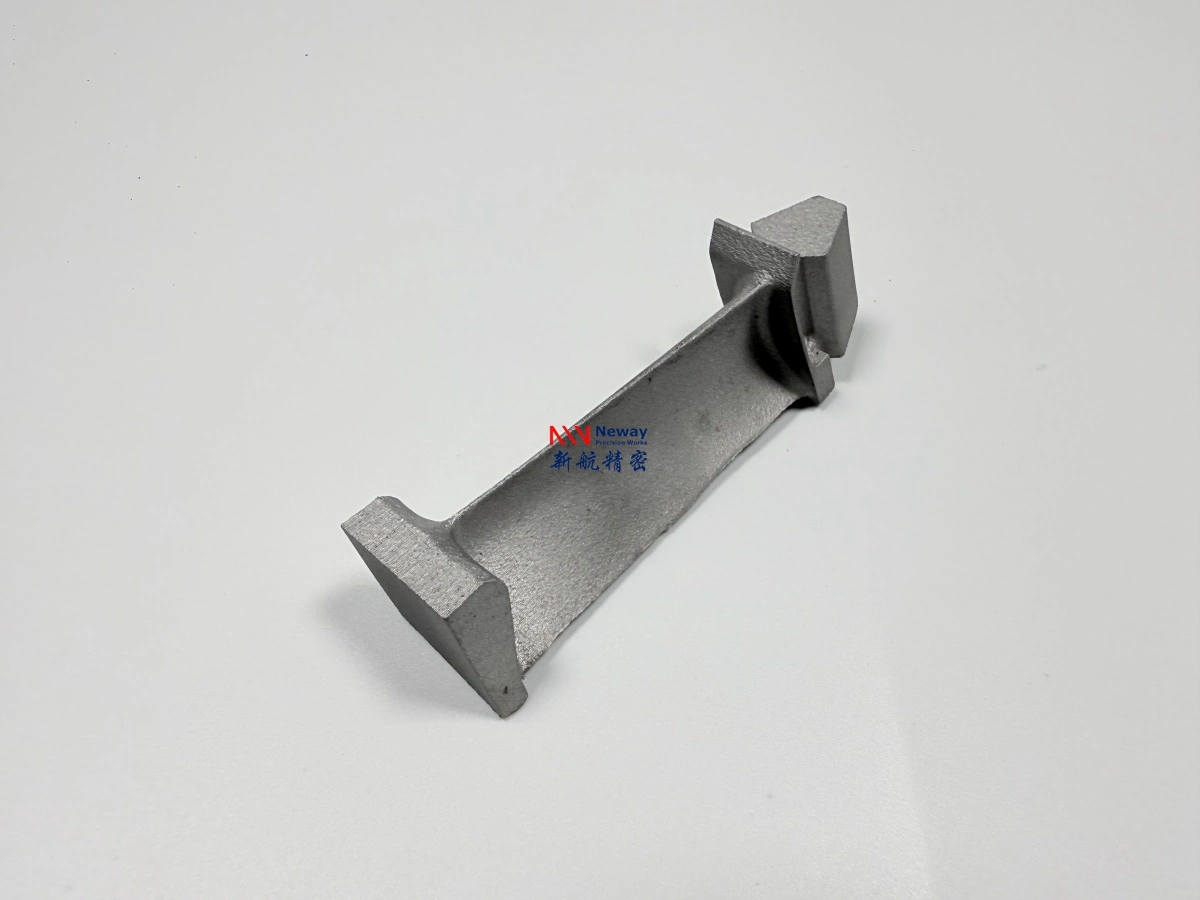
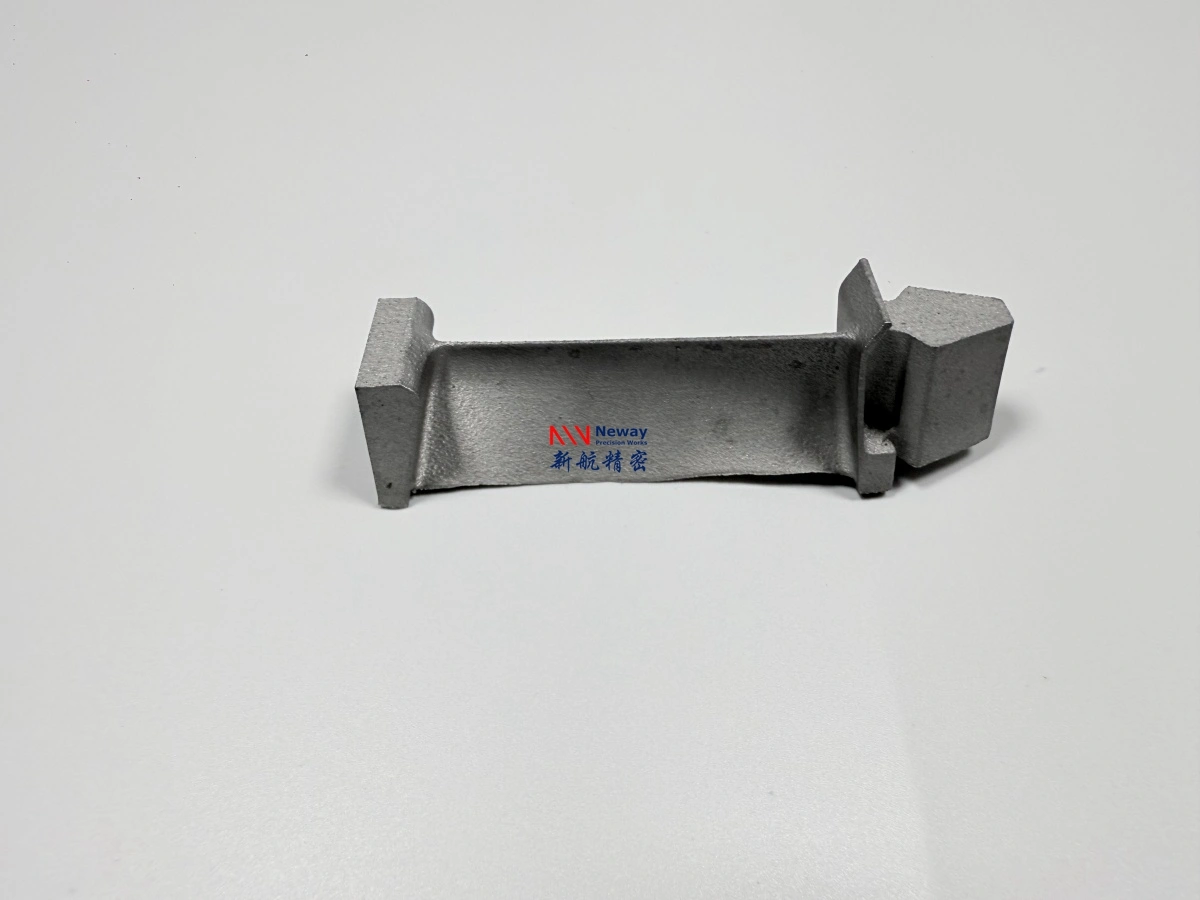
When WAAM Is a Build-Up Route, Not a Fine-Detail Casting Substitute
For this RFQ, buyers should first decide whether the goal is to add high-temperature alloy material, create a near-net blank, repair or restore a large region, or make a finished precision component. WAAM can be attractive for large build envelopes and deposition volume, but the buyer should expect later machining and inspection. It is not the right route for small internal cooling passages, thin airfoil trailing edges, crystal-controlled blade geometry, or features that need final tolerance directly after printing.
The supplier needs to know the starting condition. A new part build-up from a substrate differs from adding material to a used component. A repair-oriented build differs from a near-net blank. A prototype differs from a repeat production item. If the buyer has only a worn sample, identify which surfaces are reliable and which are damaged before the WAAM boundary is set.
Project goal | WAAM can fit when | Better route may be |
|---|---|---|
Large near-net blank | The part needs added metal volume and later machining can create final surfaces. | Forging or casting if material structure, detail, or economics fit better. |
Repair-oriented build-up | The damaged region can be defined and later machined or inspected. | Laser cladding or replacement manufacturing for smaller local features. |
Prototype high-temperature part | The buyer accepts first-article review and route learning. | SLM, casting, or machining depending on detail and material requirement. |
Fine cooling or airfoil detail | Usually not a strong fit for WAAM without another finishing route. | Investment casting, EDM, deep hole drilling, or CNC machining. |
Geometry, Wall Thickness, and Allowance Decisions for WAAM Parts
WAAM quotations depend heavily on the deposited envelope and stock allowance. Buyers should define the starting substrate or blank, target build geometry, minimum machining stock, functional surfaces, and areas where extra material is allowed. The final CAD model alone is not enough if it only shows finished geometry. The supplier must understand the pre-machined WAAM shape and which surfaces need cleanup after heat treatment or stress relief.
Large ribs, bosses, flanges, repaired edges, and thick build-up zones may be practical when the tool path and machining access are clear. Deep pockets, hidden surfaces, narrow grooves, and sharp internal corners can be difficult to build and finish. If the part later needs superalloy CNC machining, the RFQ should identify datums, fixture surfaces, final tolerances, and inspection points before printing is quoted.
Geometry item | RFQ information needed | Why it changes scope |
|---|---|---|
Build-up envelope | Starting surface, target stock, and allowed overbuild region. | Controls deposition time, material use, and machining cleanup. |
Functional surface | Seal face, bore, datum, mounting pad, or flow surface requiring finish machining. | Defines machining sequence and CMM report boundary. |
Wall or rib thickness | Minimum and maximum section, thermal mass, and local distortion concern. | Affects process stability, heat input, and post-process review. |
Existing component condition | Wear, cracks, oxidation, coating, previous repair, and material condition. | Determines whether build-up is feasible or sample review comes first. |
High-Temperature Alloy Selection and Deposition Review
Alloy choice should be settled before a WAAM route is treated as quote-ready. Nickel-based, cobalt-based, or other high-temperature alloys may require different wire availability, deposition behavior, heat input control, cracking review, and post-process planning. If the buyer specifies Inconel, Hastelloy, Stellite, Rene, Nimonic, or another alloy family, include the exact grade and acceptance requirement. If an equivalent or alternative is being considered, state who approves it.
Deposition review should include substrate compatibility. Adding material to a used superalloy part is different from building on a known new substrate. The supplier may need chemical verification, surface preparation notes, preheat or interpass-control review, and post-deposition heat treatment planning depending on the alloy and geometry. The RFQ should not assume that any high-temperature alloy can be deposited onto any base without metallurgical review.
NewayAeroTech can review metal additive build-up requests based on supplied drawings, alloy requirements, and sample condition. When the material evidence is uncertain, the first step may be testing and feasibility review rather than a production quote. That is especially important when the component will later see heat, corrosion, load, or rotating-adjacent service.
Buyers should also define whether the deposited alloy must match the base material or whether a compatible overlay alloy is being reviewed. A matched alloy may be requested for continuity with the drawing. An overlay alloy may be considered for wear, heat, or corrosion exposure, but it needs a clear acceptance path. The supplier response should state what material assumption is being quoted and which tests are needed before that assumption becomes manufacturing scope.
Post-WAAM Machining, Heat Treatment, and Inspection Scope
Post-processing usually decides whether a WAAM project is practical. The buyer should assume that many WAAM parts need machining to create final surfaces. Heat treatment or stress relief may be required depending on alloy, build size, and project requirement. Surface finishing, material testing, FPI, X-ray or CT, hardness, metallography, and CMM may be needed according to the acceptance plan.
If superalloy heat treatment is included, the RFQ should say whether it occurs before or after rough machining. If inspection is needed, define whether it happens after deposition, after heat treatment, after machining, or at final release. If the project includes superalloy post process support, state which surfaces and records are required.
A first WAAM article should be reviewed as a route sample. It should answer whether the deposited region has enough stock, whether distortion is manageable, whether machining can clean up the target surfaces, and whether the selected inspection methods reveal the expected risks. If the first article is only checked visually, the buyer may miss the feature that will control the next batch: base-metal condition, bond region, heat-affected zone, machining datum, or material evidence.
Post-WAAM item | Buyer decision | Supplier response should define |
|---|---|---|
Rough machining | Which surfaces need cleanup before heat treatment or inspection. | Stock allowance, fixture plan, and datum creation. |
Heat treatment | Required condition, stress relief, or supplier-route review. | Process sequence and record boundary. |
Final machining | Tolerances, surface finish, holes, slots, and datum surfaces. | CNC scope, EDM or drilling need, and final CMM report. |
Inspection | Material, surface, internal, dimensional, and first-article evidence. | Hold points and release documents. |
RFQ Data for WAAM High-Temperature Alloy Parts
A quote-ready WAAM RFQ should include the part drawing, 3D model, starting substrate or sample, alloy grade, deposited region, target stock allowance, quantity, functional surfaces, heat treatment requirement, machining scope, inspection standard, and final delivery condition. Photos are especially useful when the project begins from a used part or repair-oriented surface.
Buyers should also state the first decision after quotation. For an early project, the next step may be feasibility and sample review. For a mature design, it may be first article. For a repair-oriented component, it may be material confirmation and surface preparation before build-up. NewayAeroTech can review whether WAAM, machining, heat treatment, material testing, and post-process support fit the high-temperature alloy part RFQ.
RFQ item | Information to send | Quote decision it supports |
|---|---|---|
Part and substrate | Drawing, model, starting blank, used part condition, or substrate material. | Feasibility of build-up and material compatibility. |
Build region | Deposit area, added volume, stock allowance, and restricted zones. | WAAM path planning, cost, and machining cleanup. |
Post-process scope | Heat treatment, machining, finishing, and inspection requirement. | Complete delivery route and release evidence. |
Acceptance plan | First article, batch quantity, report format, and decision owner. | Whether the project is ready for production or only route review. |
Send the drawing, model, alloy grade, starting condition, build-up region, machining stock, heat treatment need, inspection records, and delivery condition. Include the intended first-article decision and which surfaces must be ready for final machining. NewayAeroTech can review whether WAAM metal printing fits the high-temperature alloy build-up RFQ or whether another superalloy manufacturing route is more suitable.
Related FAQs
What post-processes ensure quality of SLM manufactured superalloy parts?
How does NewayAero ensure quality of its SLM printed Inconel 718 parts?
How does NewayAero ensure quality and reliability in SLM printed Hastelloy X parts?
What are the advantages of 3D printing in gas turbine component manufacturing?
Why is rapid prototyping essential in gas turbine component production?
What inspection methods are commonly used after heat treatment?
Which testing methods ensure quality of superalloy components?