What are the advantages of 3D printing in gas turbine component manufacturing?
Design Freedom and Weight Reduction
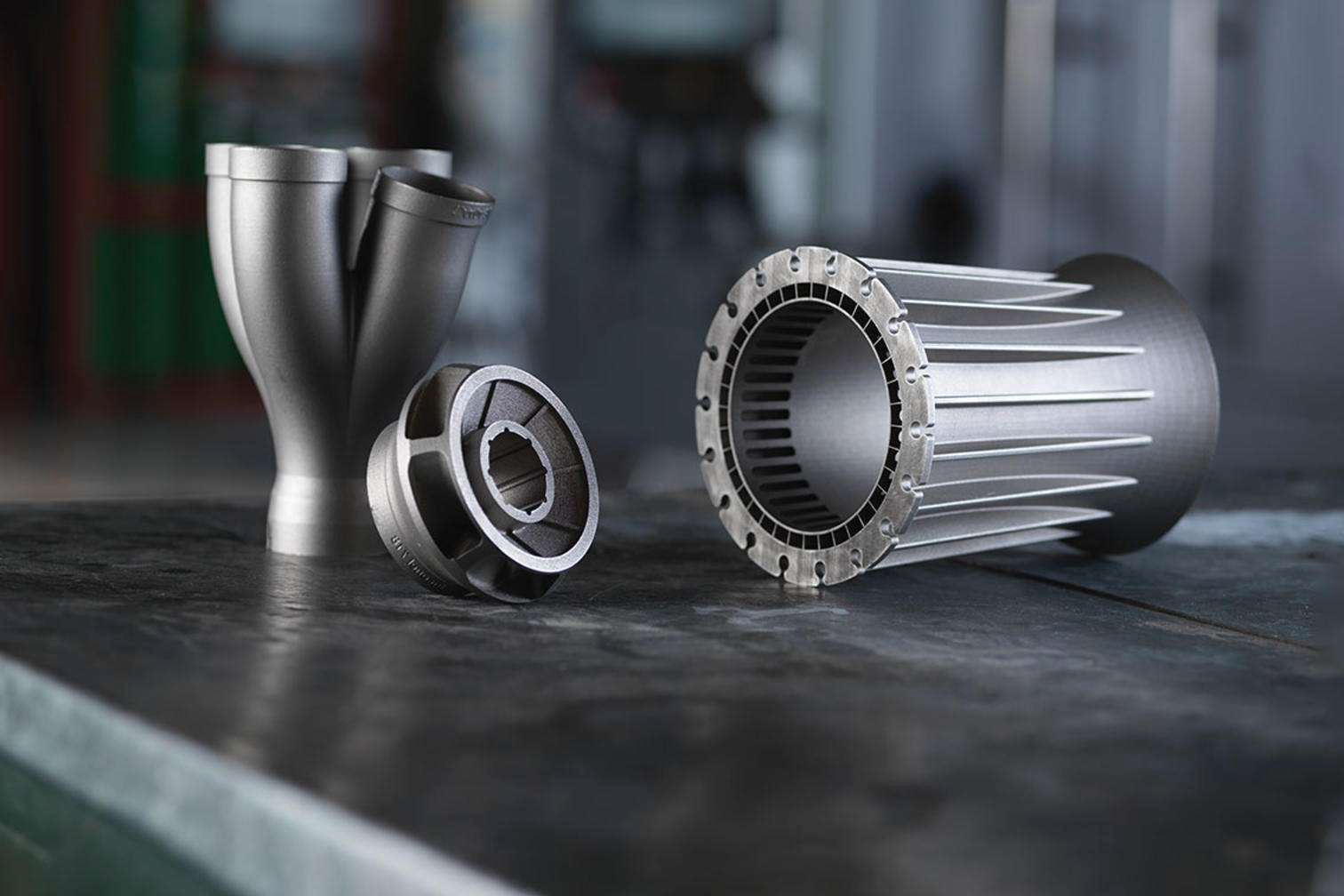
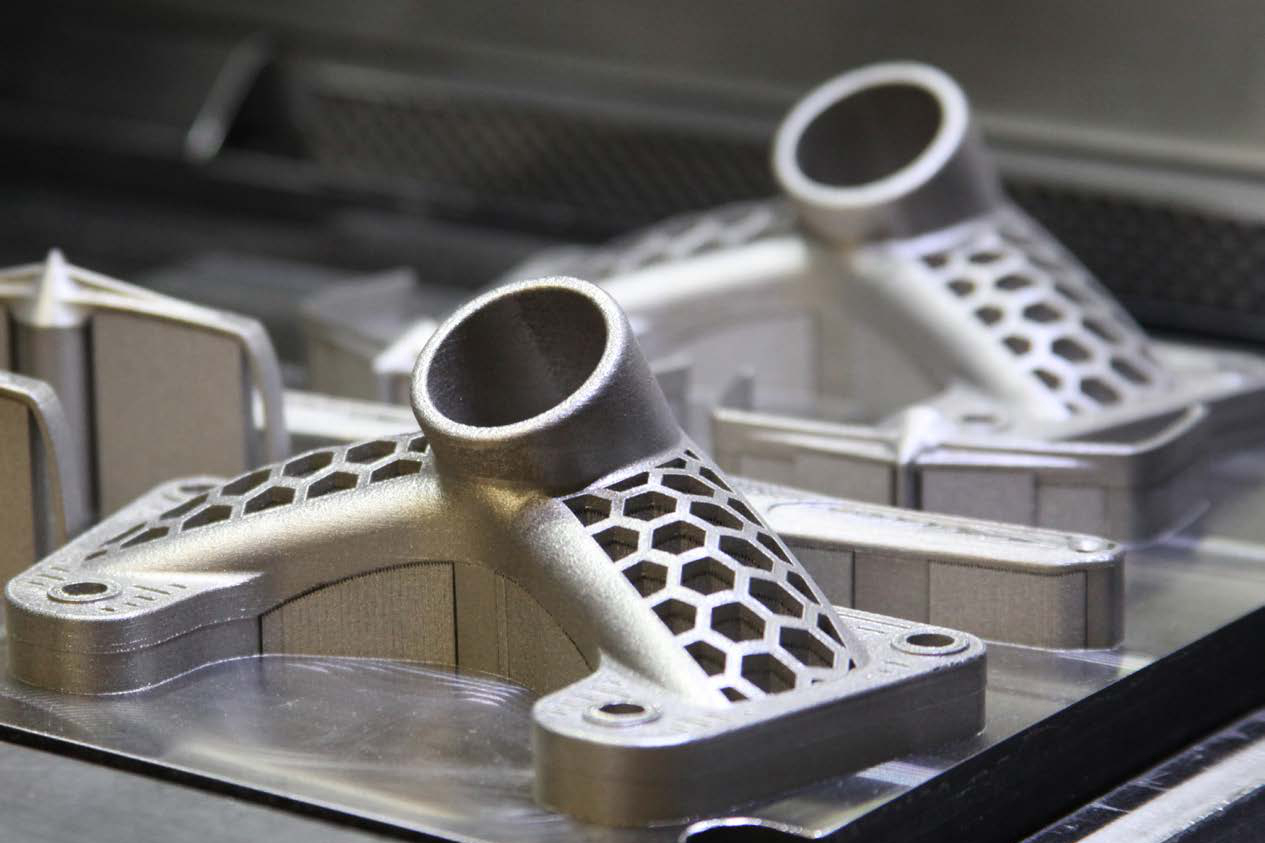
3D printing services revolutionize turbine manufacturing by enabling complex geometries that cannot be achieved through conventional casting or machining. Engineers can integrate internal cooling channels, lattice structures, and aerodynamic contours directly into turbine blades and combustor components. Materials such as superalloy 3D printing and titanium 3D printing enable the production of lightweight yet high-strength parts, thereby improving turbine efficiency and fuel economy. The reduction of part count also minimizes assembly errors and improves long-term reliability.
Rapid Prototyping and Lead-Time Reduction
Unlike traditional vacuum investment casting that requires tooling and molds, additive manufacturing directly produces parts from CAD models. This shortens prototype development cycles from months to days. In gas turbine R&D, this enables faster validation of new blade profiles, combustor liner designs, and heat exchanger configurations. Rapid iteration accelerates innovation while reducing material waste and cost.
Enhanced Material Utilization and Microstructure Control
Metal additive processes, such as selective laser melting (SLM) and electron beam melting (EBM), used for Inconel 718, Hastelloy X, and Rene 77, create near-full-density structures with refined microstructures. Post-process consolidation through hot isostatic pressing (HIP) eliminates residual porosity and enhances fatigue life. Follow-up heat treatment tailors precipitation hardening to achieve optimal creep resistance for turbine operation above 1000°C.
Integration with Post-Processing and Machining
3D printed turbine parts often require precision finishing. Superalloy CNC machining refines mating surfaces and aerodynamic contours, while electrical discharge machining (EDM) creates cooling holes without inducing thermal stress. Surface protection is achieved through thermal barrier coating (TBC), extending oxidation life in the combustion zone. The integration of additive and subtractive manufacturing ensures both precision and durability.
Industrial Impact and Application Fields
Additive manufacturing has become a core technology across aerospace and aviation, power generation, and energy industries. Turbine OEMs leverage 3D printing to produce custom combustor swirlers, seal segments, and cooling inserts for performance tuning and rapid repair. By reducing weight, improving cooling efficiency, and lowering life-cycle costs, 3D printing contributes directly to higher turbine efficiency and reduced emissions.