Why is rapid prototyping essential in gas turbine component production?
Accelerating Innovation in Turbine Engineering
In gas turbine development, speed and precision are critical. Rapid prototyping enables engineers to design, test, and optimize complex geometries in significantly shorter timeframes compared to traditional tooling-based methods. By integrating additive manufacturing technologies such as 3D printing services and superalloy 3D printing, manufacturers can produce functional prototypes that replicate the mechanical and thermal behavior of final components. This accelerates validation, minimizes design risks, and reduces overall development costs for high-performance turbine systems.
Design Flexibility and Geometric Precision
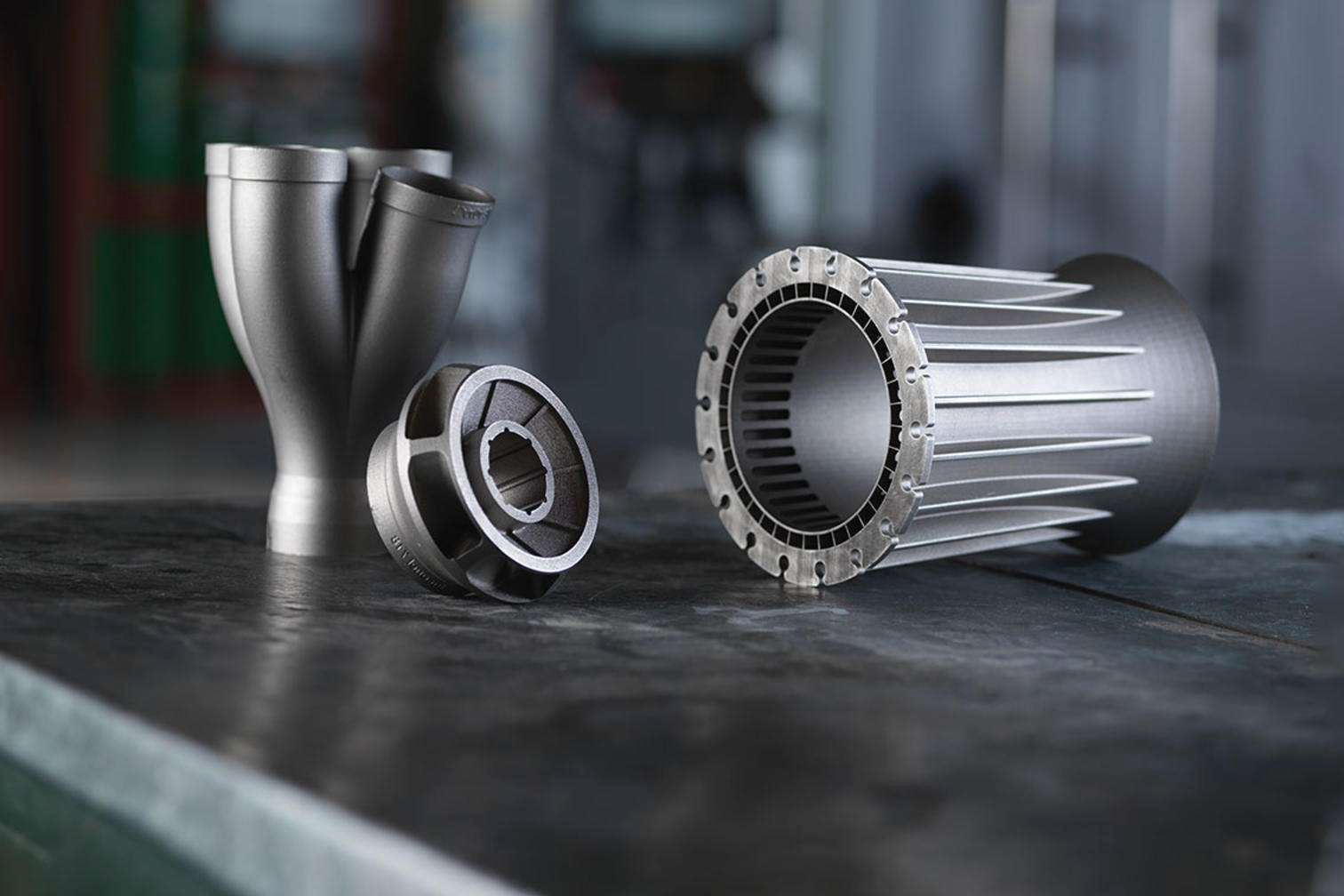
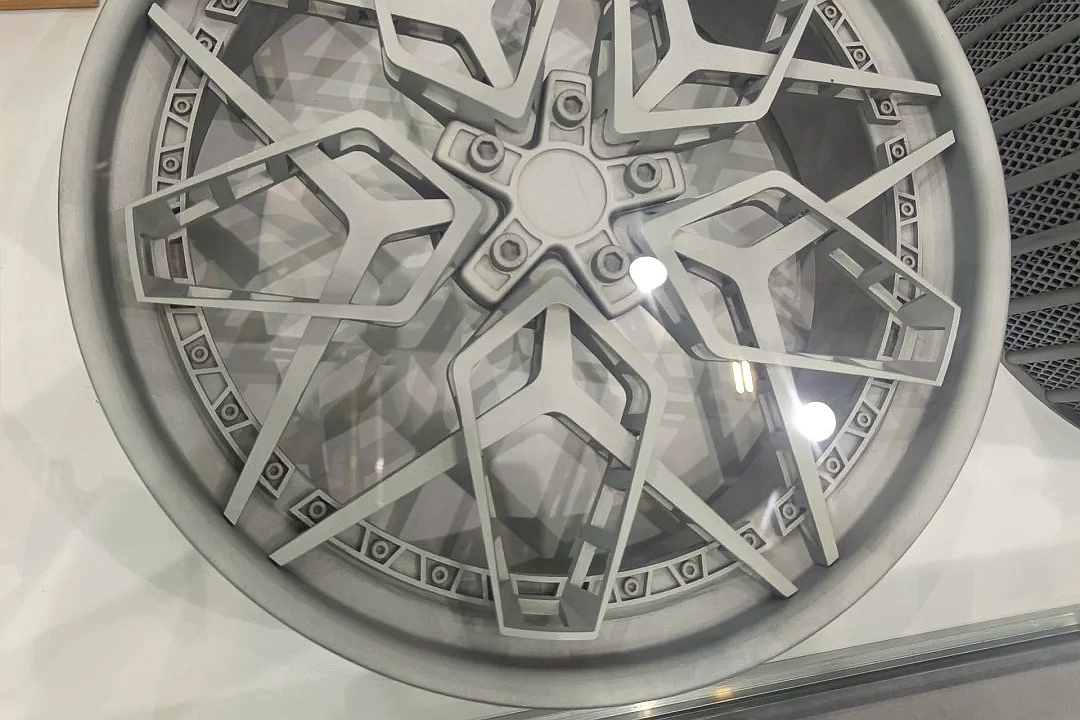
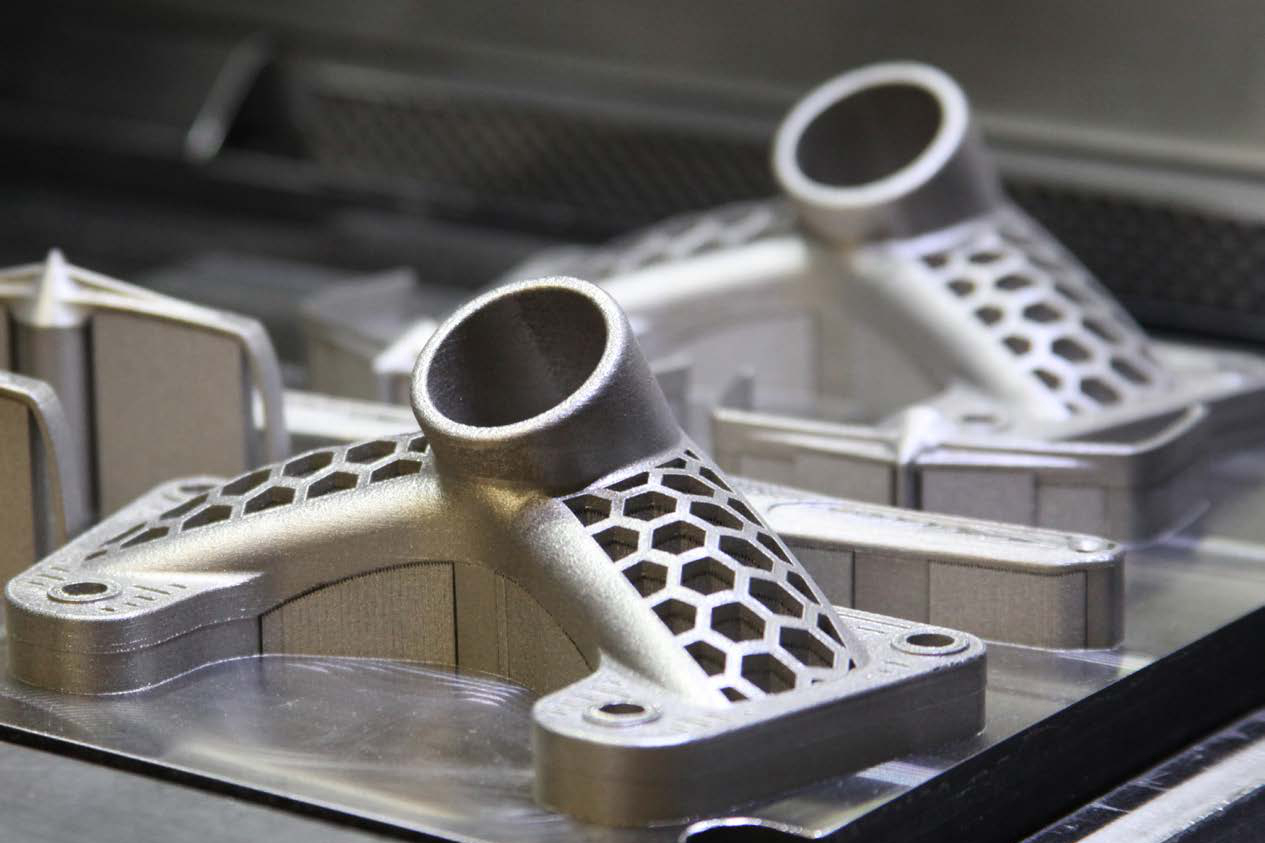
Gas turbine parts—like blades, combustor liners, and cooling channels—often feature intricate internal structures that are difficult or impossible to machine conventionally. Through advanced aluminum 3D printing and stainless steel 3D printing, engineers can rapidly produce complex designs with optimized airflow paths and heat dissipation.
For high-temperature sections, materials such as Inconel 718, Rene 77, and Hastelloy X are used in laser powder bed fusion or electron beam melting processes to create prototypes that can withstand realistic test environments. These superalloys enable engineers to simulate performance under operational loads before transitioning to full-scale production, utilizing vacuum investment casting.
Process Validation and Testing Efficiency
Rapid prototyping bridges the gap between concept and production. By fabricating test-ready samples early, manufacturers can perform aerodynamic, thermal, and fatigue testing to refine part design and manufacturing parameters. This iterative workflow reduces the risk of costly retooling and ensures that final components meet the stringent performance criteria of aerospace-grade standards.
To verify the structural and metallurgical soundness, prototypes often undergo material testing and analysis, as well as superalloy heat treatment. These processes align prototype performance with real turbine service conditions.
Industrial Application and Integration
Rapid prototyping plays a vital role across industries like aerospace and aviation, energy, and military and defense, where design validation time directly impacts innovation speed and market entry. It supports seamless transitions from prototype to serial production using compatible alloys and hybrid manufacturing routes, such as combining additive manufacturing with superalloy CNC machining for fine tolerances.
Conclusion
Rapid prototyping is indispensable in the development of gas turbine components. It enables faster design cycles, material testing, and process optimization while maintaining the precision and durability demanded by aerospace and power generation systems. Through additive manufacturing, engineers can confidently transition from digital models to fully qualified turbine parts, achieving reduced lead times and enhanced design innovation.