
एयरोस्पेस फ्यूल सिस्टम अटैचमेंट्स: हाई-परफॉर्मेंस एलॉय समाधान
परिचय
फ्यूल सिस्टम अटैचमेंट्स एयरोस्पेस उद्योग के भीतर अत्यंत महत्वपूर्ण कंपोनेंट्स हैं, जो निर्बाध ईंधन आपूर्ति और स्थिर सिस्टम प्रदर्शन सुनिश्चित करते हैं। इन अटैचमेंट्स को उच्च तापमान, दबाव, और संक्षारक वातावरण सहित सबसे चुनौतीपूर्ण परिस्थितियों में कार्य करना पड़ता है। इन अत्यधिक मांगों को पूरा करने के लिए, निर्माता उच्च-प्रदर्शन मिश्रधातुओं का उपयोग करते हैं, जिन्हें विशेष रूप से श्रेष्ठ टिकाऊपन और विश्वसनीयता के लिए इंजीनियर किया गया है। यह ब्लॉग एयरोस्पेस क्षेत्र के लिए फ्यूल सिस्टम अटैचमेंट्स के उत्पादन में शामिल विशेषताओं, विनिर्माण प्रक्रियाओं, औद्योगिक अनुप्रयोगों, और गुणवत्ता आश्वासन तकनीकों का अध्ययन करता है।
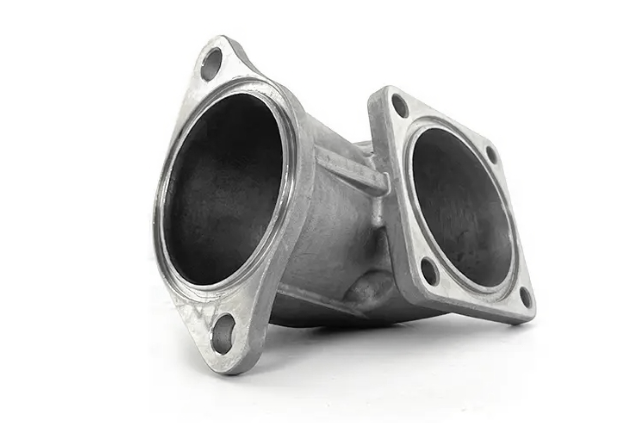
फ्यूल सिस्टम अटैचमेंट्स क्या हैं?
फ्यूल सिस्टम अटैचमेंट्स में विभिन्न कंपोनेंट्स शामिल होते हैं, जिनमें फिटिंग्स, कनेक्टर्स, कप्लिंग्स, और वाल्व्स शामिल हैं, जो विमान की फ्यूल डिलीवरी सिस्टम के विभिन्न सेक्शनों को जोड़ने के लिए आवश्यक होते हैं। ये कंपोनेंट्स सुनिश्चित करते हैं कि ईंधन सुचारु रूप से प्रवाहित हो और आवश्यक दबाव पर पह���������ँचे, जिससे इंजन का सर्वोत्तम प्रदर्शन बना रहे। फ्यूल सिस्टम अटैचमेंट्स की विश्वसनीयता विमान के सुरक्षित संचालन के लिए अत्यंत आवश्यक है, क्योंकि इन कंपोनेंट्स में कोई भी विफलता उड़ान सुरक्षा और दक्षता को प्रभावित कर सकती है। इनके मजबूत डिज़ाइन को तीव्र तापमान परिवर्तनों, तीव्र कंपन, और उच्च-ऊँचाई दबाव परिवर्तनों सहित विभिन्न परिचालन परिस्थितियों को सहन करना होता है।
फ्यूल सिस्टम अटैचमेंट्स के निर्माण में उपयोग की जाने वाली उच्च-तापमान मिश्रधातुएँ
एयरोस्पेस अनुप्रयोगों के लिए ऐसी सामग्रियों की आवश्यकता होती है जो उच्च तापमान पर भी असाधारण प्रदर्शन करें और अपनी यांत्रिक अखंडता बनाए रखें। उच्च-तापमान सुपरएलॉय इन आवश्यकताओं को पूरा करते हैं क्योंकि इनमें असाधारण मजबूती, ऑक्सीकरण-प्रतिरोध, और तापीय तनाव के तहत गुणों को बनाए रखने की क्षमता होती है। सामान्यतः उपयोग की जाने वाली कुछ मिश्रधातुएँ इस प्रकार हैं:
इनकोनेल मिश्रधातुएँ
इनकोनेल निकेल-क्रोमियम-आधारित सुपरएलॉय का एक परिवार है, जो अपनी उच्च-तापमान मजबूती और ऑक्सीकरण-प्रतिरोध के लिए जाना जाता है।
Inconel 718: एयरोस्पेस में सबसे अधिक उपयोग की जाने वाली सुपरएलॉय में से एक, जो उच्च तन्यता शक्ति, क्रीप-प्रतिरोध, और 1300°F (704°C) तक तापमान पर स्थिरता प्रदान करती है। यह मिश्रधातु उन कंपोनेंट्स के लिए आदर्श है, जैसे फ्यूल सिस्टम अटैचमेंट्स, जिन्हें उच्च तनाव में भी प्रदर्शन बनाए रखना होता है।
Inconel 625: अपनी उत्कृष्ट वेल्डेबिलिटी और ऑक्सीकरण तथा जंग दोनों के प्रति प्रतिरोध के लिए जानी जाती है। यह मिश्रधातु अक्सर उन कंपोनेंट्स में उपयोग की जाती है जो कठोर वातावरण के संपर्क में आते हैं, जहाँ टिकाऊपन और दीर्घायु अत्यंत महत्वपूर्ण होते हैं।
हैस्टेलॉय मिश्रधातुएँ
हैस्टेलॉय मिश्रधातुएँ उत्कृष्ट जंग-प्रतिरोध प्रदान करती हैं और अत्यधिक तापमान में भी अपनी मजबूती बनाए रखती हैं, जिससे वे उच्च-प्रदर्शन एयरोस्पेस अनुप्रयोगों के लिए आदर्श बनती हैं।
Hastelloy C-276: पिटिंग, क्रीविस कोरोजन, और स्ट्रेस कोरोजन क्रैकिंग के प्रति प्रतिरोध के लिए प्रसिद्ध। इसकी सहनशीलता इसे उन फ्यूल सिस्टम अटैचमेंट्स के लिए पसंदीदा बनाती है जो कठोर रसायनों और उच्च तापमान के संपर्क में आते हैं।
टाइटेनियम मिश्रधातुएँ
टाइटेनियम उच्च मजबूती, कम घनत्व, और जंग-प्रतिरोध का एक अनूठा संतुलन प्रदान करता है, जिससे यह एयरोस्पेस फ्यूल सिस्टम कंपोनेंट्स के लिए आदर्श सामग्री बनता है।
Ti-6Al-4V: एक लोकप्रिय टाइटेनियम मिश्रधातु, जिसमें उच्च शक्ति-से-वजन अनुपात होता है और यह 752°F (400°C) तक तापमान सह सकती है। इसका व्यापक उपयोग उन फ्यूल सिस्टम अटैचमेंट्स के लिए किया जाता है जिन्हें हल्की लेकिन मजबूत सामग्री की आवश्यकता होती है।
इन उच्च-तापमान मिश्रधातुओं के गुण यह सुनिश्चित करते हैं कि फ्यूल सिस्�� ������������ंट्स सबसे कठोर परिचालन परिस्थितियों में भी अपनी संरचनात्मक अखंडता और प्रदर्शन बनाए रखें।
फ्यूल सिस्टम अटैचमेंट्स के औद्योगिक अनुप्रयोग
फ्यूल सिस्टम अटैचमेंट्स एयरोस्पेस के अनेक अनुप्रयोगों में उपयोग किए जाते हैं, जिनमें से प्रत्येक की विशिष्ट प्रदर्शन आवश्यकताएँ होती हैं:
वाणिज्यिक विमान: वाणिज्यिक विमानन में, फ्यूल सिस्टम अटैचमेंट्स की विश्वसनीयता सुरक्षित और कुशल ईंधन प्रबंधन के लिए अत्यंत महत्वपूर्ण है। फ्यूल वाल्व्स, कप्लिंग्स, और फिटिंग्स जैसे कंपोनेंट्स पूरे विमान में ईंधन के सही ट्रांसफर और नियंत्रण को सुनिश्चित करते हैं।
सैन्य और रक्षा विमान: सैन्य जेट्स ऐसी परिस्थितियों में कार्य करते हैं जो उनकी प्रणालियों को सीमा तक पहुँचा देती हैं। इन विमानों में फ्यूल सिस्टम अटैचमेंट्स को उच्च G-फोर्स, तीव्र तापमान परिवर्तन, और आक्रामक गुणों वाले ईंधनों के संपर्क को सहन करना होता है। Inconel 718 और Hastelloy C-276 जैसी उच्च-प्रदर्शन मिश्रधातुओं का सामान्यतः उपयोग यह सुनिश्चित करने के लिए किया जाता है कि ये कंपोनेंट्स बिना विफलता के कार्य करें।
अंतरिक्ष यान: फ्यूल सिस्टम अटैचमेंट्स जो अंतरिक्ष अनुप्रयोगों में उपयोग होते हैं, अद्वितीय चुनौतियों का सामना करते हैं, जिनमें अंतरिक्ष का निर्वात और अत्य����क तापमान प�ि�र्तन शामिल हैं। इन परिस्थितियों के लिए ऐसे सुपरएलॉय से बने कंपोनेंट्स की आवश्यकता होती है जो इन परिस्थितियों में विश्वसनीय रूप से कार्य कर सकें।
हेलीकॉप्टर: हेलीकॉप्टर फ्यूल सिस्टम्स ऐसे वातावरण में कार्य करते हैं जहाँ निरंतर कंपन और बदलते तापमान होते हैं। टाइटेनियम मिश्रधातुओं का उपयोग अक्सर उनके हल्के गुणों और थकान-प्रतिरोध के कारण किया जाता है, जो फ्यूल सिस्टम की अखंडता सुनिश्चित करते हैं।
फ्यूल सिस्टम अटैचमेंट्स की विनिर्माण प्रक्रिया और उपकरण
फ्यूल सिस्टम अटैचमेंट्स की विनिर्माण प्रक्रिया में एयरोस्पेस उद्योग के कठोर मानकों को पूरा करने के लिए सटीक तकनीकों और उपकरणों का उपयोग होता है। इसके चरण इस प्रकार हैं:
डिज़ाइन और इंजीनियरिंग: यह चरण फ्यूल सिस्टम अटैचमेंट्स की स्पेसिफिकेशन्स को परिभाषित करने के लिए अत्यंत महत्वपूर्ण है। उन्नत सॉफ़्टवेयर टूल्स, जैसे CAD और finite element analysis (FEA), का उपयोग विभिन्न तनाव और तापीय परिस्थितियों में कंपोनेंट्स के प्रदर्शन का डिज़ाइन और सिमुलेशन करने के लिए किया जाता है।
सामग्री चयन: इंजीनियर्स उच्च-तापमान मिश्रधातुओं का चयन ऊष्मा-प्रतिरोध, यांत्रिक मजबूती, और जंग-प्रतिरोध जैसे गुणों के आधार पर करते हैं। चुनी गई मिश्रधातु फ्यूल सिस्टम अटैचमेंट के समग्र प्रदर्शन और आयु को प्रभावित करती है।
फैब्रिकेशन विधियाँ:
वैक्यूम इन्वेस्टमेंट कास्टिंग: यह प्रक्रिया जटिल भागों को उच्च प्रिसिजन और श्रेष्ठ सतह फिनिश के साथ तैयार करती है। वैक्यूम में कास्टिंग करने से इन्क्लूज़न्स और दोष कम होते हैं, जिससे एयरोस्पेस अनुप्रयोगों के लिए आदर्श उच्च-शुद्धता कंपोनेंट्स प्राप्त होते हैं।
सिंगल क्रिस्टल और डायरेक्शनल कास्टिंग: ये तकनीकें ग्रेन संरचना को संरेखित करके कंपोनेंट्स के यांत्रिक गुणों में सुधार करती हैं, जिससे संभावित कमजोर बिंदु कम होते हैं। यह संरेखण थकान-प्रतिरोध को बेहतर बनाता है, जो चक्रीय तनाव के अधीन कंपोनेंट्स के लिए अत्यंत महत्वपूर्ण है।
सुपरएलॉय CNC मशीनिंग: CNC मशीनिंग फ्यूल सिस्टम अटैचमेंट्स में आवश्यक कड़े टॉलरेंस और जटिल ज्यामितियाँ प्राप्त करने के लिए आवश्यक है। CNC मशीनिंग की प्रिसिजन यह सुनिश्चित करती है कि प्रत्येक भाग एयरोस्पेस स्पेसिफिकेशन्स को पूरा करे।
रैपिड प्रोटोटाइपिंग और सत्यापन प्रक्रिया
रैपिड प्रोटोटाइपिंग ने फ्यूल सिस्टम अटैचमेंट्स के विकास में क्रांतिकारी परिवर्तन किया है। निर्माता 3D प्रिंटिंग तकनीकों जैसे Selective Laser Melting (SLM) और Laser Engineered Net Shaping (LENS) का उपयोग करके प्रोटोटाइप्स को तेज़ी से और कुशलतापूर्वक तैयार कर सकते हैं।
र�प�ड ��्��ो��ो��ाइपिंग के लाभ:
त्वरित विकास:
3D प्रिंटिंग प्रोटोटाइप निर्माण में तेज़ टर्नअराउंड टाइम प्रदान करती है, जिससे अधिक तेज़ iterations और कम development cycles संभव होती हैं। उन्नत रैपिड प्रोटोटाइपिंग के लिए SLM 3D Printing Superalloys के बारे में अधिक जानें।
लागत-प्रभावी:
एडिटिव मैन्युफैक्चरिंग महंगे tooling की आवश्यकता को कम करती है और सामग्री अपशिष्ट को न्यूनतम करती है, जिससे प्रोटोटाइपिंग चरण अधिक लागत-प्रभावी बनता है। Localized Repair LENS Technology प्रोटोटाइप समायोजन के दौरान संसाधनों के उपयोग को और बेहतर बना सकती है।
बेहतर डिज़ाइन लचीलापन:
जटिल ज्यामितियाँ, जिन्हें पारंपरिक विनिर्माण विधियों से बनाना कठिन या असंभव होता, 3D Printing Inconel 625 SLM तकनीक का उपयोग करके शीघ्रता से तैयार की जा सकती हैं।
सत्यापन प्रक्रिया:
प्रोटोटाइप्स को कठोर परीक्षणों से गुज़ारा जाता है, जिनमें mechanical stress testing, 3D Scanning and Reverse Engineering का उपयोग करके dimensional accuracy checks, और अपेक्षित परिस्थितियों में प्रदर्शन की पुष्टि के लिए thermal simulations शामिल हैं। यह iterative approach पूर्ण-स्तरीय उत्पादन से पहले डिज़ाइन समायोजन की अनुमति देती है, जिससे सर्वोत्तम परिणाम सुनिश्चित होते हैं।
फ्यूल सिस्टम अटैचमेंट्स के सामान्य पोस्ट-प्रोसेस और सतह उपचार
फ्यूल सिस्टम अटैचमेंट्स को प्रदर्शन और टिकाऊपन मानकों तक पहुँचाने के लिए पोस्ट-प्रोसेसिंग अत्यंत आवश्यक है। सामान्य पोस्ट-�्�ोस�स त��नी��ों में शामिल हैं:
हॉट आइसोस्टैटिक प्रेसिंग (HIP):
HIP Porosity Elimination Superalloys उच्च दबाव और ऊष्मा लागू करके सुपरएलॉय कंपोनेंट्स के यांत्रिक गुणों में सुधार करती है, जिससे आंतरिक पोरोसिटी प्रभावी रूप से समाप्त हो जाती है। यह प्रक्रिया घनत्व और थकान-प्रतिरोध को बढ़ाती है, जो उच्च तनाव में काम करने वाले पार्ट्स के लिए अत्यंत महत्वपूर्ण है।
हीट ट्रीटमेंट:
विभिन्न हीट ट्रीटमेंट प्रक्रियाएँ, जैसे solution treatment और aging, मिश्रधातु के माइक्रोस्ट्रक्चर को अनुकूलित करने के लिए लागू की जाती हैं। यह प्रक्रिया यांत्रिक मजबूती, toughness, और thermal fatigue resistance को बेहतर बनाती है।
सतह उपचार:
थर्मल बैरियर कोटिंग्स (TBC):
TBC Durability Efficiency Alloys ऊष्मा के विरुद्ध अतिरिक्त सुरक्षा प्रदान करती हैं, जिससे फ्यूल सिस्टम अटैचमेंट्स की सेवा आयु बढ़ती है।
एंटी-कोरोजन कोटिंग्स:
इनका उपयोग संक्षारक ईंधनों और पर्यावरणीय कारकों के संपर्क से होने वाले degradation को रोकने के लिए किया जाता है, जिससे समय के साथ कंपोनेंट की विश्वसनीयता सुनिश्चित होती है। Surface Treatment Corrosion Resistance जैसी तकनीकें दीर्घकालिक अखंडता बनाए रखने के लिए आवश्यक हैं।
फ्यूल सिस्टम अटैचमेंट्स के लिए सामान्य निरीक्षण
सर्वोच्च गुणवत्ता सुनिश्चित करने के लिए, फ्यूल सिस्टम अटैचमेंट्स को विभिन्न निरीक्षण और परीक्षण प्रोटोकॉल्स �े ग��ज़ा��ा जाता �ै:
इंडस्ट्रियल CT स्कैनिंग:
Internal Defect CT Imaging का उपयोग voids या cracks जैसे आंतरिक दोषों का पता लगाने के लिए किया जाता है, जो कंपोनेंट की अखंडता को प्रभावित कर सकते हैं। यह नॉन-डिस्ट्रक्टिव टेस्टिंग विधि आंतरिक संरचना का व्यापक दृश्य प्रदान करती है।
अल्ट्रासोनिक निरीक्षण:
इनका उपयोग सामग्री की स्थिरता का आकलन करने और subsurface flaws का पता लगाने के लिए किया जाता है। जैसा कि Ultrasonic Inspection CNC Superalloy में दर्शाया गया है, यह विधि सुपरएलॉय कंपोनेंट्स की homogeneity और reliability सुनिश्चित करने में प्रभावी है।
SEM (Scanning Electron Microscopy):
SEM Imaging Superalloy Components सतह और माइक्रोस्ट्रक्चर की विस्तृत imaging और analysis प्रदान करती है, जिससे निर्माता संभावित समस्याओं की पहचान और सुधार कर सकते हैं।
तन्यता और थकान परीक्षण:
कंपोनेंट के यांत्रिक गुणों का मूल्यांकन करते हैं, जिनमें tensile strength, yield strength, और fatigue life शामिल हैं। यह परीक्षण सुनिश्चित करता है कि भाग सेवा के दौरान आने वाले परिचालन तनावों को सहन कर सके।
निष्कर्ष
फ्यूल सिस्टम अटैचमेंट्स एयरोस्पेस उद्योग में अपरिहार्य हैं, जहाँ प्रदर्शन, विश्वसनीयता, और सुरक्षा सर्वोपरि हैं। Inconel 718, Hastelloy, और titanium जैसी उच्च-प्रदर्शन मिश्रधातुएँ यह सुनिश्चित करती हैं कि ये कंपोनेंट्स अत्यधिक परिस्थितियों को सहन कर सकें और स्थिर प्रदर्शन तथा संरचनात्मक अखंडता प्रदा�� करें। उन्�त विन��र्म��ण विधियों, रैपिड प्रोटोटाइपिंग, और कठोर पोस्ट-प्रोसेसिंग तथा निरीक्षण प्रक्रियाओं के माध्यम से निर्माता ऐसे फ्यूल सिस्टम अटैचमेंट्स तैयार कर सकते हैं जो सर्वोच्च मानकों को पूरा करते हों।
जैसे-जैसे तकनीक आगे बढ़ रही है, नवीन विनिर्माण तकनीकों और उच्च-गुणवत्ता सामग्रियों का एकीकरण फ्यूल सिस्टम अटैचमेंट्स के प्रदर्शन और विश्वसनीयता को और बेहतर बनाता रहेगा। यह प्रगति अधिक सुरक्षित और अधिक कुशल एयरोस्पेस संचालन का समर्थन करती है, और एयरोस्पेस प्रौद्योगिकी को आगे बढ़ाती है।
