Quels sont les principaux traitements de post-traitement pour les composants des unités de réacteur...
Objectif du post-traitement dans la fabrication nucléaire
Les traitements de post-traitement sont cruciaux pour transformer les pièces brutes moulées ou forgées en composants de haute fiabilité capables de résister aux conditions exigeantes d'un réacteur nucléaire. Les unités de réacteur fonctionnent sous haute température, haute pression et exposition aux radiations, ce qui exige des matériaux possédant une intégrité structurelle et une stabilité thermique exceptionnelles. Le post-traitement améliore la densité, la résistance, la microstructure et la résistance à la corrosion, garantissant que chaque pièce répond aux exigences strictes de performance nucléaire.
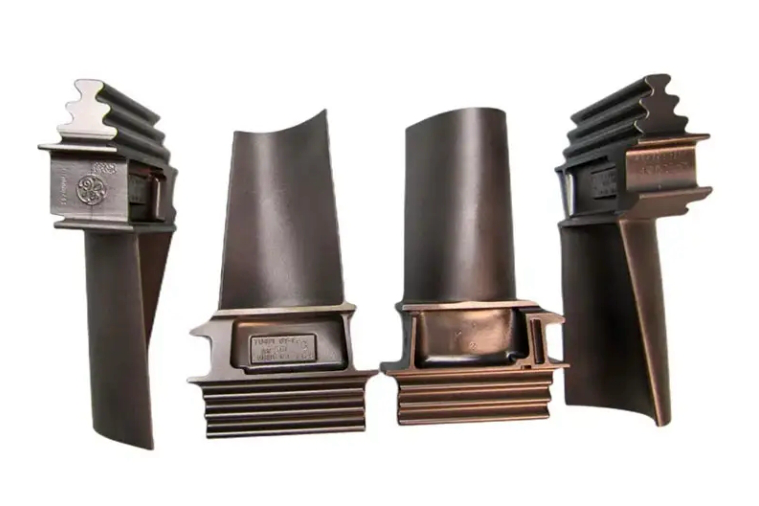
Les fabricants commencent généralement par des méthodes de formage de précision telles que le moulage à la cire perdue sous vide et le forgeage de précision des superalliages, suivis de traitements thermiques et sous pression spécialisés pour affiner la structure interne et éliminer les défauts microscopiques.
Pressage isostatique à chaud (HIP)
L'un des procédés les plus essentiels pour les superalliages de qualité nucléaire est le pressage isostatique à chaud (HIP). Le HIP densifie le matériau en appliquant uniformément une haute pression et une haute température, refermant les vides internes et la porosité formés lors du moulage. Des alliages tels que l'Inconel 718, le Hastelloy C-22 et le Rene 80 sont couramment soumis au HIP pour obtenir une microstructure uniforme et sans défauts. Ce traitement améliore la durée de vie en fatigue et assure la stabilité dimensionnelle des composants critiques tels que les structures de support du cœur du réacteur et les disques de turbine.
Traitement thermique
Le traitement thermique des superalliages affine les joints de grains, améliorant les propriétés mécaniques telles que la résistance au fluage, la résistance à la traction et la ductilité. Pour les alliages à base de nickel et le Nimonic 90, des cycles de chauffage et de refroidissement contrôlés optimisent la distribution des précipités γ′ (gamma-prime), ce qui est essentiel pour la stabilité thermique à long terme dans l'environnement du réacteur.
Amélioration et revêtement de surface
La protection de surface est critique pour les composants exposés à des milieux corrosifs ou radioactifs. Le revêtement barrière thermique (TBC) offre une résistance à l'oxydation et une protection thermique pour les composants de turbine et de confinement. Pour les surfaces sujettes à l'usure, des matériaux à base de cobalt, tels que le Stellite 6, sont souvent appliqués par placage ou soudage par rechargement pour améliorer la dureté et la résistance à l'érosion.
Finition et usinage de précision
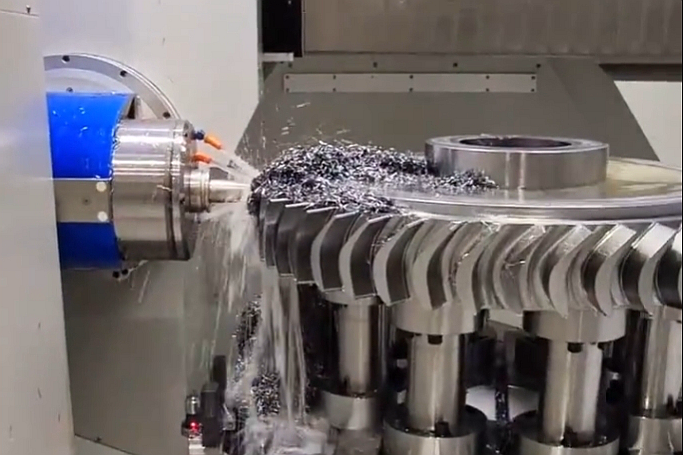
Les pièces post-HIP et traitées thermiquement subissent une finition de haute précision via l'usinage CNC des superalliages pour atteindre les tolérances serrées nécessaires à l'étanchéité et à l'alignement. Des formes complexes sont produites en utilisant l'usinage par décharge électrique (EDM), permettant des détails fins sans compromettre l'intégrité du matériau.
Validation et essais
Chaque composant post-traité est soumis à des essais et analyses de matériaux pour confirmer l'uniformité microstructurale, la cohérence mécanique et la résistance à la corrosion. Des techniques non destructives telles que l'inspection par ultrasons ou radiographique valident que les traitements ont atteint une densification complète et l'élimination des défauts.
Applications dans l'industrie nucléaire
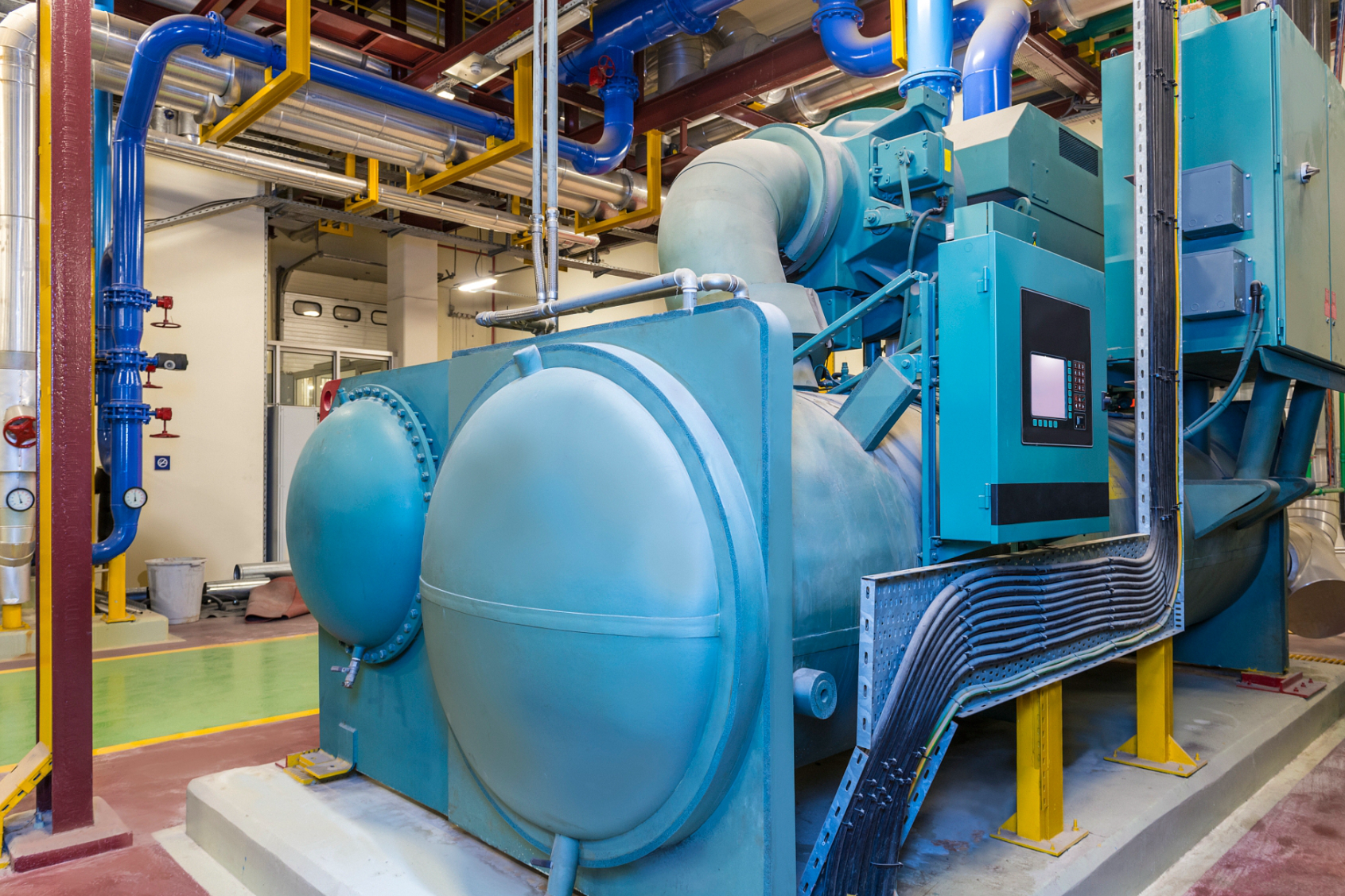
Dans les secteurs nucléaire et de la production d'énergie, ces post-traitements assurent la fiabilité opérationnelle à long terme des cuves de réacteur, des composants de barres de contrôle et des échangeurs de chaleur. Ils contribuent directement à prolonger la durée de vie et à réduire les intervalles de maintenance dans les réacteurs à eau pressurisée et à eau bouillante.
Conclusion
Les traitements de post-traitement, tels que le HIP, le traitement thermique, le revêtement de surface et l'usinage de précision, sont la base de la fiabilité des composants de réacteur nucléaire. Ils garantissent que chaque pièce en alliage atteint une densité, une résistance à la corrosion et une intégrité mécanique supérieures, nécessaires pour des décennies de performance sûre et efficace du réacteur.