Acide polylactique (PLA)
Présentation du matériau
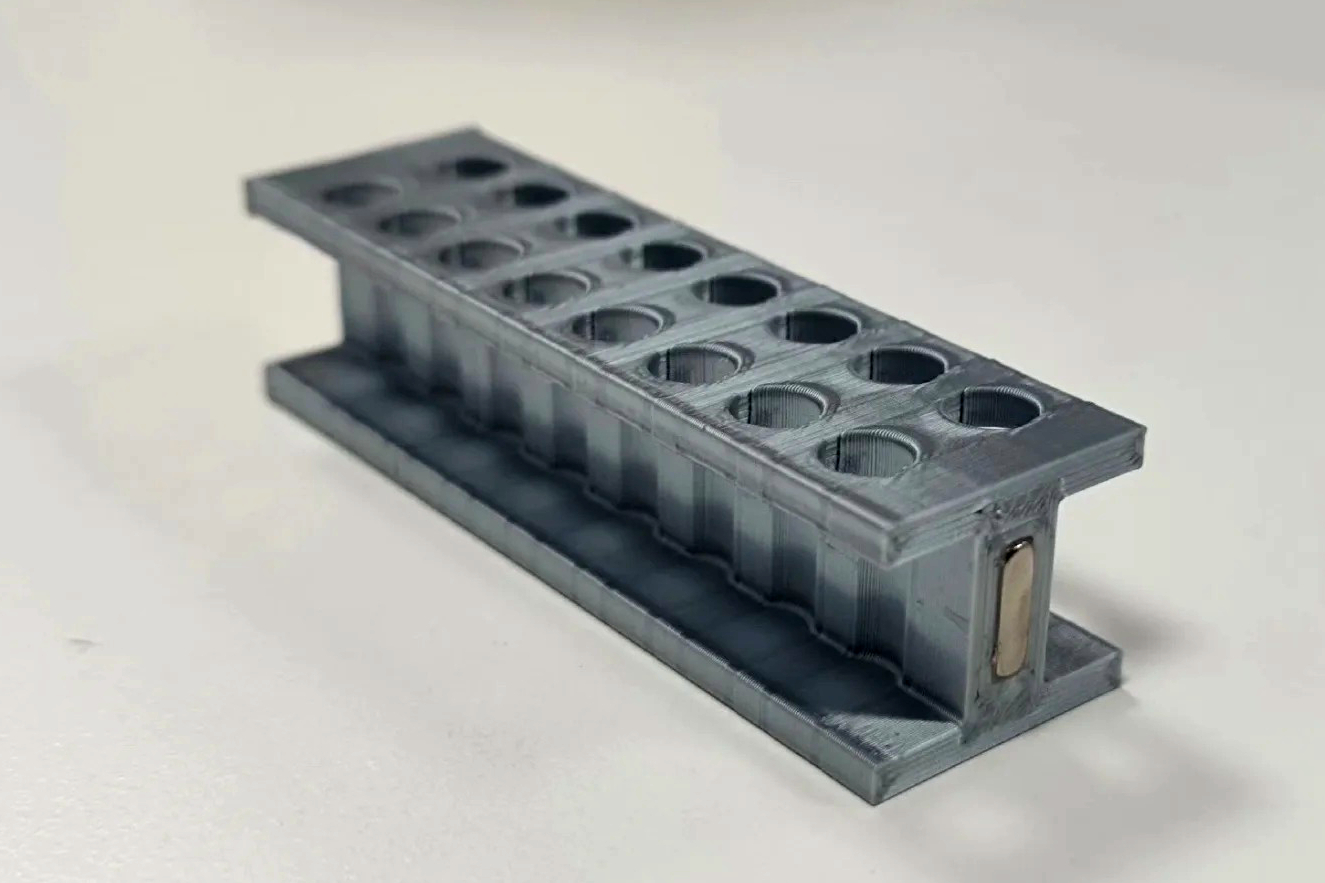
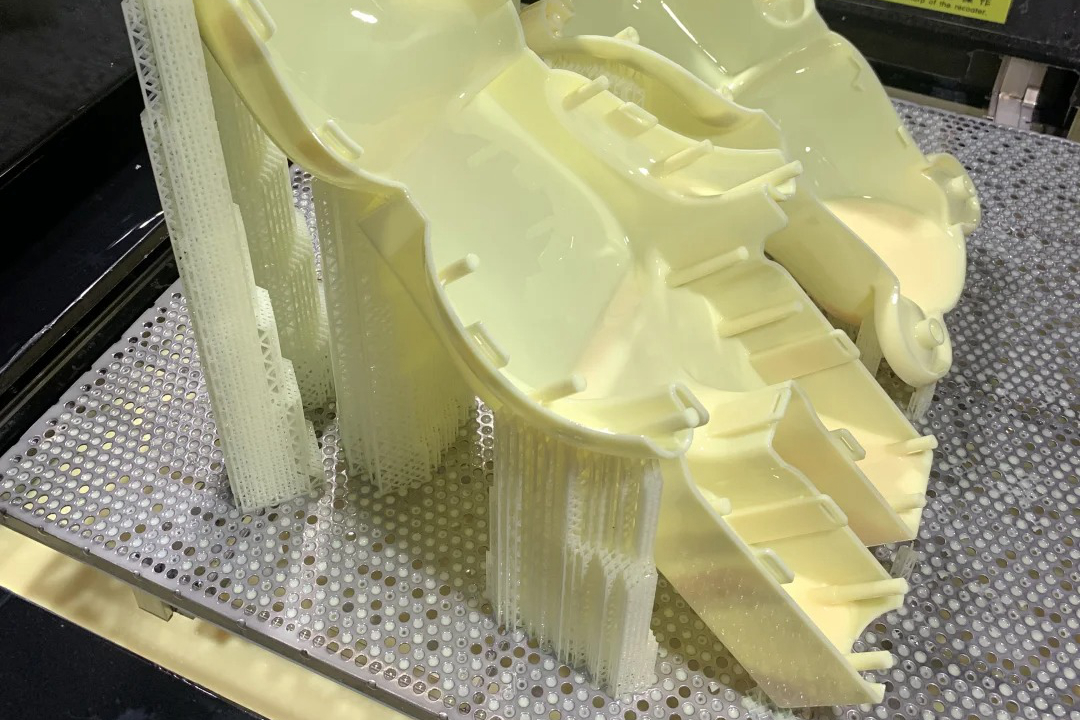
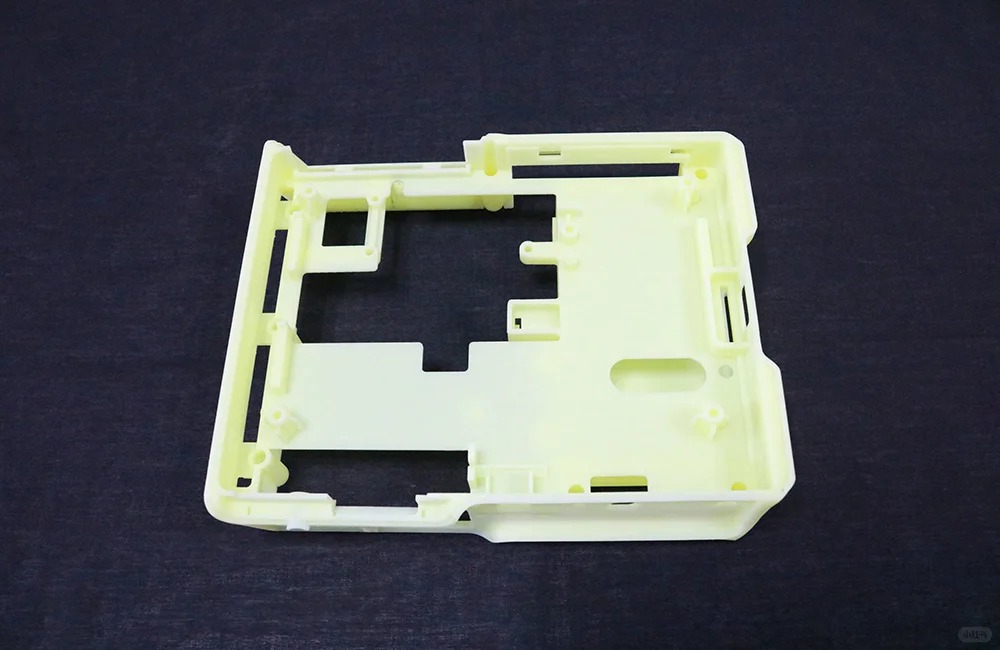
L'acide polylactique (PLA) est un thermoplastique biodégradable dérivé de ressources renouvelables telles que l'amidon de maïs et la canne à sucre. C'est l'un des matériaux les plus utilisés dans la fabrication additive de polymères sur bureau et industrielle en raison de son excellente imprimabilité, de sa faible déformation et de ses caractéristiques respectueuses de l'environnement. Le PLA est reconnu pour sa facilité d'extrusion, sa bonne rigidité et sa capacité à obtenir des finitions de surface propres et détaillées, ce qui le rend idéal pour le prototypage, les modèles visuels, les outils éducatifs et les composants fonctionnels à faible charge. Grâce à l'impression 3D en PLA avancée de Neway AeroTech, le matériau offre une précision dimensionnelle exceptionnelle et des capacités de fabrication rapide. Bien que le PLA ne soit pas destiné à une utilisation mécanique à haute température ou pour des charges lourdes, sa polyvalence, sa durabilité et son rapport coût-efficacité en font un matériau fondamental pour le développement de conceptions, les tests de produits en phase initiale et les flux de travail d'ingénierie à itération rapide.
Noms internationaux ou grades représentatifs
Région | Nom courant | Grades représentatifs |
|---|---|---|
États-Unis | PLA | PLA 4032D, PLA 4043D |
Europe | Thermoplastique biodégradable | PLA, série Ingeo |
Japon | Biopolyester | PLA |
Chine | 聚乳酸 (PLA) | PLA standard, PLA modifié |
Classification industrielle | Thermoplastique de grande consommation | PLA standard, PLA renforcé, PLA à haute fluidité |
Options de matériaux alternatifs
Pour les applications nécessitant une résistance mécanique ou thermique plus élevée, les thermoplastiques techniques tels que le Nylon (PA) et le Polycarbonate (PC) offrent des performances structurelles supérieures. Lorsqu'une plus grande durabilité chimique ou une meilleure résistance aux chocs sont nécessaires, des alternatives telles que l'ABS ou le PETG offrent une ténacité améliorée. Les composants flexibles peuvent être produits avec des élastomères tels que le TPU, tandis que les prototypes de haute précision avec des surfaces lisses peuvent utiliser des résines photopolymères. Pour les applications hautes performances nécessitant une endurance à la température, une résistance à l'usure ou une résistance de qualité aérospatiale, les plastiques hautes performances comme le PEEK offrent des capacités d'ingénierie exceptionnelles. Ces alternatives permettent aux concepteurs d'adapter les propriétés des matériaux aux exigences techniques et environnementales.
Objectif de conception
Le PLA a été initialement développé pour fournir un thermoplastique écologique pouvant être composté industriellement, facile à transformer et rentable pour un usage massif. Sa faible température de fusion et ses excellentes caractéristiques d'écoulement le rendent idéal pour la fabrication éducative, le prototypage rapide et l'expérimentation de produits de consommation. Dans l'impression 3D, son objectif de conception s'étend à la modélisation rapide, aux prototypes visuels dimensionnellement stables et aux composants esthétiques à surface propre. Le PLA permet aux concepteurs et aux ingénieurs d'itérer rapidement les concepts de conception sans le coût ou la complexité associés aux matériaux d'ingénierie plus performants.
Composition chimique (typique)
Composant | Teneur |
|---|---|
Polymère d'acide polylactique | ≥ 95 % |
D-Lactide | 1–5 % |
Additifs | Faibles quantités (colorants, stabilisants) |
Propriétés physiques
Propriété | Valeur |
|---|---|
Densité | 1,20–1,25 g/cm³ |
Température de transition vitreuse | ~55–65 °C |
Température de fusion | 150–170 °C |
Conductivité thermique | ~0,13 W/m·K |
Absorption d'eau | Faible |
Propriétés mécaniques
Propriété | Valeur |
|---|---|
Résistance à la traction | 50–70 MPa |
Résistance à la flexion | 70–110 MPa |
Allongement à la rupture | 3–10 % |
Dureté | Shore D 75–85 |
Résistance aux chocs | Modérée |
Caractéristiques clés du matériau
Excellente imprimabilité avec une déformation ou un retrait minimal
Dérivé de sources renouvelables et biodégradables
Produit des surfaces lisses et esthétiques idéales pour les modèles visuels
Bonne rigidité pour les pièces fonctionnelles à faible charge
Faible odeur et sûr pour une utilisation en intérieur
Haute précision dimensionnelle adaptée aux prototypes détaillés
Large disponibilité de couleurs et post-traitement facile
Vitesses d'impression rapides pour les environnements de prototypage rapide
Ne convient pas aux températures élevées ; déformation au-dessus de 55–60 °C
Fragile par rapport aux plastiques techniques, limitant l'utilisation pour des charges lourdes
Fabricabilité selon différents procédés
Fabrication additive : Largement utilisé dans l'extrusion FDM/FFF et compatible avec l'impression 3D de thermoplastiques.
Impression multi-matériaux : Utilisation de polymères flexibles comme le TPU pour créer des conceptions hybrides.
Applications de prototypage : Fonctionne exceptionnellement bien pour les modèles conceptuels et les itérations de produits en phase initiale.
Usinage CNC : Le PLA peut être usiné à basse vitesse pour la finition ou les ajustements de tolérance.
Transition vers le moulage : Le PLA aide à valider les géométries avant la transition vers les plastiques injectés.
Alternatives en résine : Lorsque des détails plus fins sont requis, la résine standard peut remplacer le PLA pour des surfaces plus lisses.
Ne convient pas à la fabrication à haute température, aux environnements à forte charge ou aux applications de cycles thermiques.
Méthodes de post-traitement appropriées
Ponçage ou polissage pour des bords et une finition plus lisses
Peinture ou revêtement pour les modèles visuels
Le lissage à la vapeur n'est généralement pas utilisé ; la finition mécanique est préférée
Recuit thermique pour améliorer la rigidité et la résistance à la température
Découpe, perçage ou taraudage pour améliorer l'assemblage
Inspection dimensionnelle via des essais et analyses de matériaux si nécessaire
Lissage chimique possible avec certains solvants mais rarement nécessaire
Assemblage par collage avec des adhésifs formulés pour les substrats polymères
Industries et applications courantes
Conception de produits en phase initiale, modélisation et visualisation
Prototypage de biens de consommation et composants décoratifs
Outils éducatifs et projets de fabrication en classe
Échantillons structurels à faible charge et conceptions d'ingénierie conceptuelles
Maquettes architecturales et installations artistiques
Boîtiers robotiques, gabarits et cadres légers
Modèles de formation médicale et prototypes de visualisation
Quand choisir ce matériau
Lorsqu'un prototypage rapide et peu coûteux est requis
Lorsque l'objectif principal est d'obtenir des modèles visuels ou des pièces de validation de conception
Lorsque des composants légers et à basse température sont adaptés
Lorsqu'un matériau écologique et biodégradable est préféré
Lorsque la précision dimensionnelle et la qualité esthétique de la surface importent plus que la résistance mécanique
Lorsqu'une itération rapide est nécessaire pendant les cycles de développement de produits
Lors de la production de modèles de démonstration, d'outils pédagogiques et de prototypes en phase initiale
Lorsque l'impression de grandes pièces avec une déformation ou des contraintes thermiques minimales est souhaitée
Explorer les blogs associés