
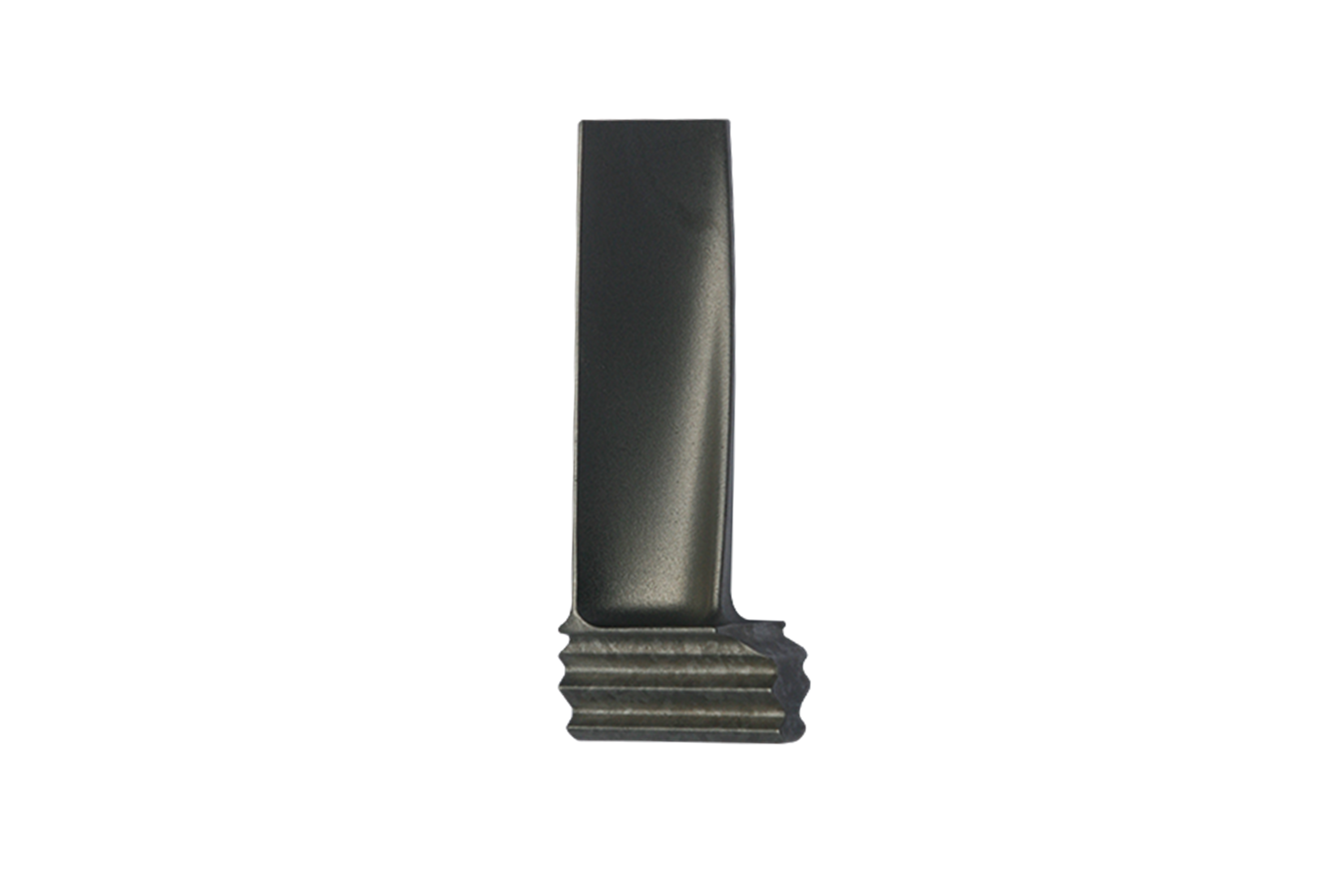
Pá do Compressor de Inconel 713 por Fundição de Cera Perdida a Vácuo
Introdução
A fundição de cera perdida a vácuo de Inconel 713 é um processo comprovado para fabricar pás de compressor de alta resistência usadas em ambientes térmicos e mecânicos severos. Na Neway AeroTech, fundimos pás de Inconel 713C e 713LC com núcleos internos de precisão, estrutura de grãos otimizada e excelente resistência à oxidação. Essas pás são amplamente utilizadas em estágios de compressores de aeroespacial, geração de energia e óleo e gás.
Nosso processo combina fusão a vácuo, moldagem de casca cerâmica e tratamento térmico pós-fundição para produzir componentes com propriedades mecânicas consistentes e tolerâncias dimensionais de ±0,05 mm.
Características do Material Inconel 713 para Pás de Compressor
Propriedade | Inconel 713C / 713LC |
|---|---|
Temperatura Máxima de Operação | ~980°C |
Resistência à Tração Máxima | 875–925 MPa |
Limite de Escoamento | ≥650 MPa |
Resistência ao Fluência | Moderada a Alta |
Resistência à Oxidação | Excelente em temperaturas elevadas |
Microestrutura | Equiaxial ou solidificada direcionalmente |
Usinabilidade | Moderada, requer ferramentas de metal duro |
Aplicações Típicas das Pás de Compressor de Inconel 713
Pás de Compressor LPC/IPC de Motores Aeronáuticos: Usadas em motores a jato comerciais e militares onde gradientes térmicos e carregamento dinâmico exigem estabilidade estrutural e resistência à oxidação.
Pás de Turbina a Gás Industrial: Servem em compressores para turbinas de ciclo combinado ou de ponta, proporcionando serviço de longo prazo acima de 900°C.
Turbomáquinas de Óleo e Gás: Empregadas em compressores de plataformas offshore e plantas de processo com ar carregado de sal e ambientes corrosivos.
Unidades Auxiliares de Potência (APUs): Fornecem fluxo de ar consistente sob condições de partida e parada em APUs aeroespaciais, onde fadiga e estabilidade térmica são críticas.
Processo de Fundição de Cera Perdida a Vácuo para Pás de Inconel 713
Produção do Modelo de Cera: Modelos de cera de alta precisão criados com geometria do aerofólio da pá, plataforma e rabo de andorinha dentro de ±0,05 mm.
Moldagem da Casca Cerâmica: Modelos imersos em barbotina cerâmica para construir 7–10 camadas, depois queimados para criar moldes duráveis capazes de suportar temperaturas de metal fundido.
Fusão e Fundição a Vácuo: O Inconel 713 é fundido sob vácuo (<10⁻³ torr) e vazado em moldes pré-aquecidos para evitar oxidação e garantir peças fundidas limpas e densas.
Resfriamento Controlado: Solidificação controlada para desenvolver grãos equiaxiais ou estrutura direcional dependendo da aplicação.
Tratamento Térmico Pós-Fundição: Tratamento de solubilização e envelhecimento a 1180–870°C melhora a distribuição de γ′, resistência à tração e resistência à fadiga.
Usinagem CNC e Perfuração de Furos: Características como ajustes da raiz da pá, ranhuras de balanceamento e furos de resfriamento por filme são usinados usando sistemas CNC de 5 eixos.
Acabamento de Superfície e Inspeção: Superfície acabada para Ra ≤1,6 µm; integridade interna verificada por END por Raios-X e geometria verificada via CMM.
Resultados e Validação
Resistência Mecânica: RTM >900 MPa e LE ≥650 MPa alcançados após tratamento térmico completo, adequados para estágios de compressor de alta pressão.
Controle Dimensional: Tolerâncias de ±0,05 mm atendidas na largura da plataforma, corda do aerofólio e geometria da raiz.
Desempenho de Oxidação: Aprovado por >1000 horas a 950°C sem pites ou escamação sob exaustão simulada de turbina a gás.
Vida à Fadiga:
20.000 ciclos verificados em simulações de fadiga térmica e carga centrífuga.
Integridade da Microestrutura: Estrutura de grãos e dispersão de γ′ confirmadas via MEV e metalografia óptica para atender às especificações da turbina.
Perguntas Frequentes
O que distingue o Inconel 713 de outras ligas à base de níquel na fundição de pás de compressor?
Quais tolerâncias dimensionais a Neway AeroTech pode alcançar com pás de Inconel fundidas a vácuo?
As pás de Inconel 713 podem ser personalizadas com resfriamento interno ou núcleos ocos?
Como a fundição a vácuo melhora o desempenho mecânico em comparação com a fundição ao ar?
Quais testes não destrutivos são usados para garantir a qualidade em pás de turbina de Inconel 713?
