Gas Turbine Combustion Hardware Repair Parts Manufacturing Boundary
Gas turbine combustion hardware repair-part RFQs need a manufacturing boundary before any supplier can quote the work responsibly. Combustion liners, transition hardware, caps, brackets, deflectors, shields, and related hot-section parts may arrive as drawings, worn samples, reverse-engineered packages, or incomplete legacy references. Each input changes what NewayAeroTech can review for custom manufacturing, coating readiness, machining, and inspection.
NewayAeroTech can support high-temperature superalloy casting, vacuum investment casting, CNC finishing, post-process work, inspection planning, and coating-readiness review for combustion-section hardware when buyers provide drawings, sample condition, alloy requirements, quantity, and acceptance records. The RFQ should make clear whether the buyer wants new custom parts, sample-based manufacturing, repair hardware, or support components for a maintenance program.
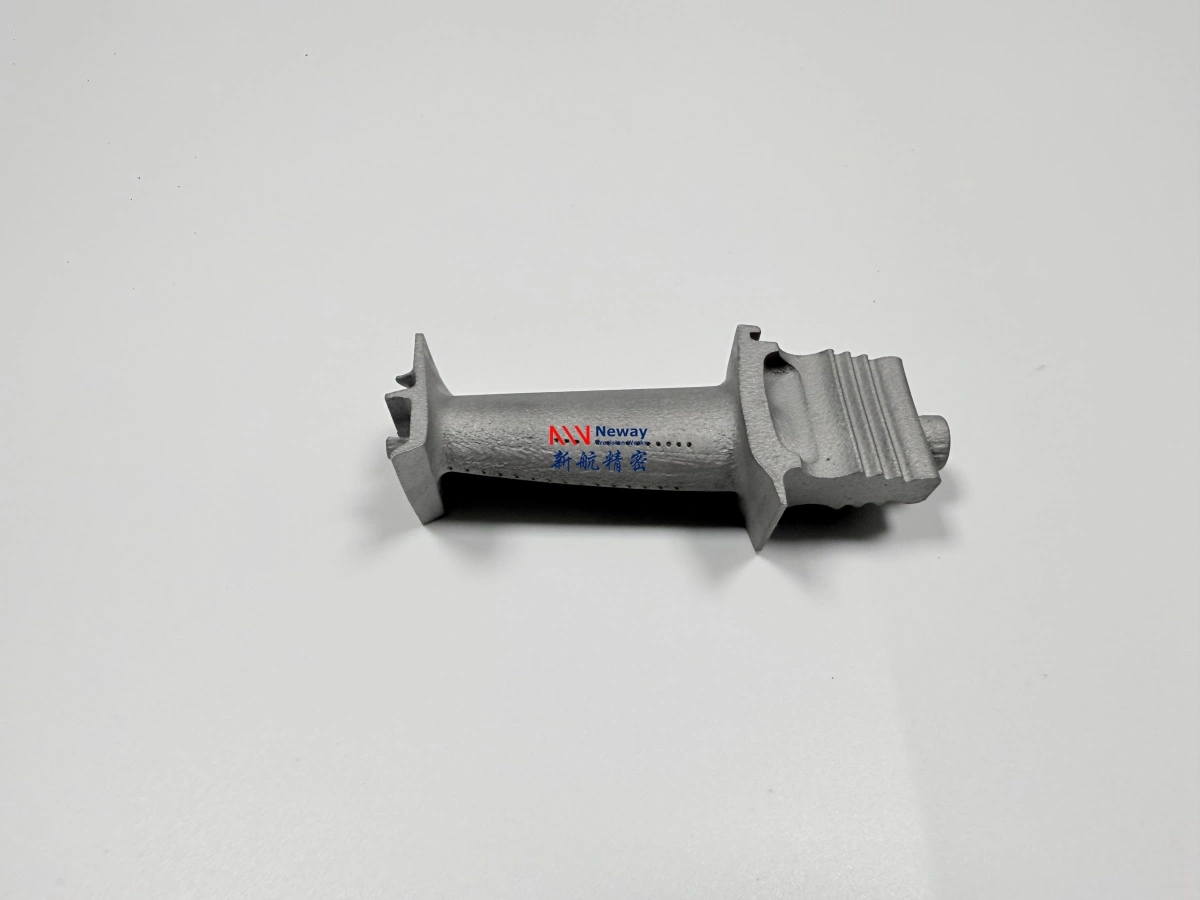
Separate Combustion Hardware Manufacturing From Resale Supply
For this RFQ, buyers should first state that they are requesting custom manufacturing or manufacturing support, not resale supply. A manufacturer can review drawings, alloys, forming or casting route, machining, coating-readiness steps, and inspection evidence. It cannot quote a controlled resale program from a vague part name. The manufacturing scope must be attached to a buyer-controlled drawing, approved reverse-engineering package, or clearly defined sample review.
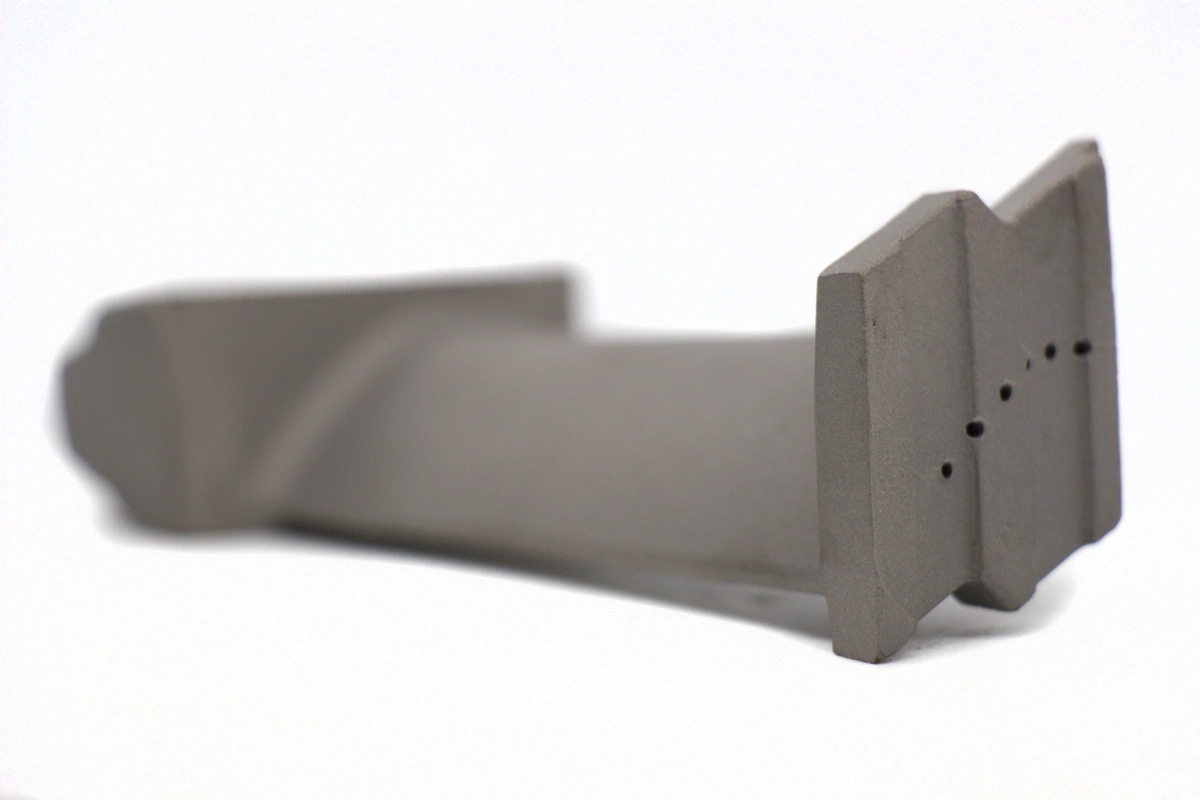
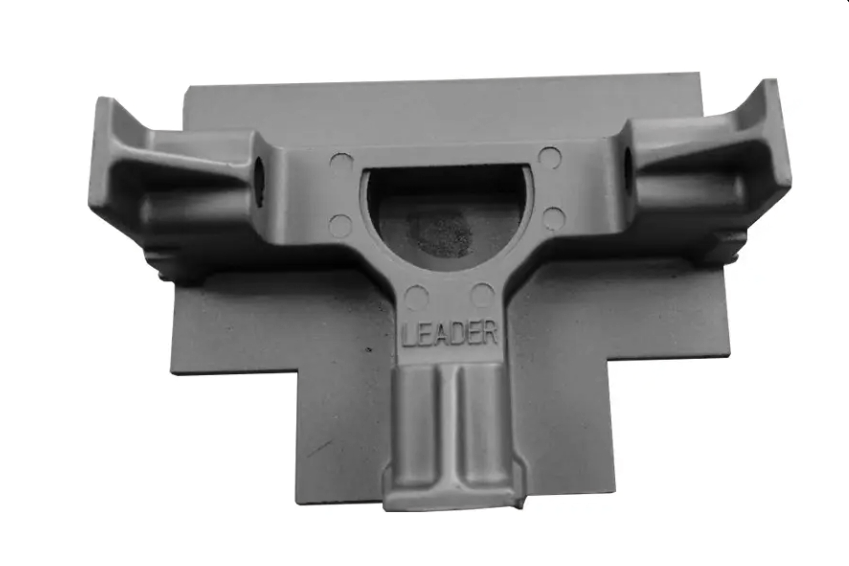
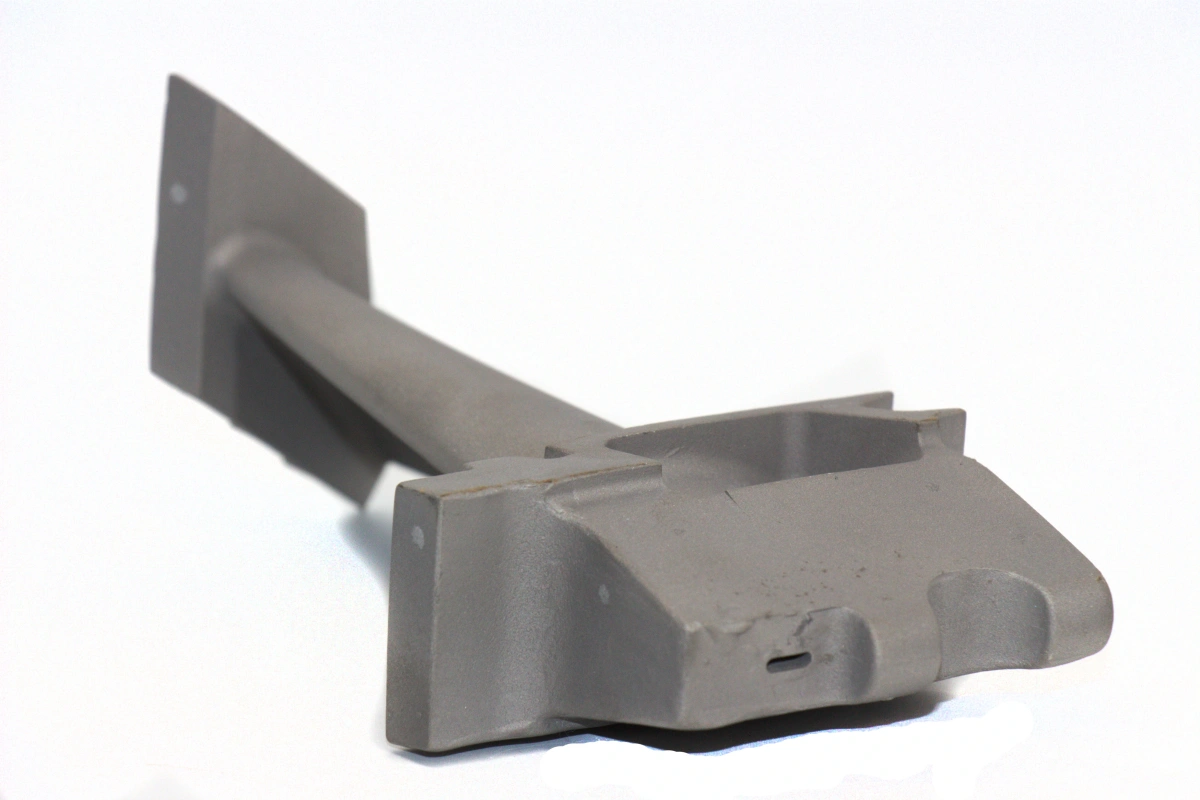
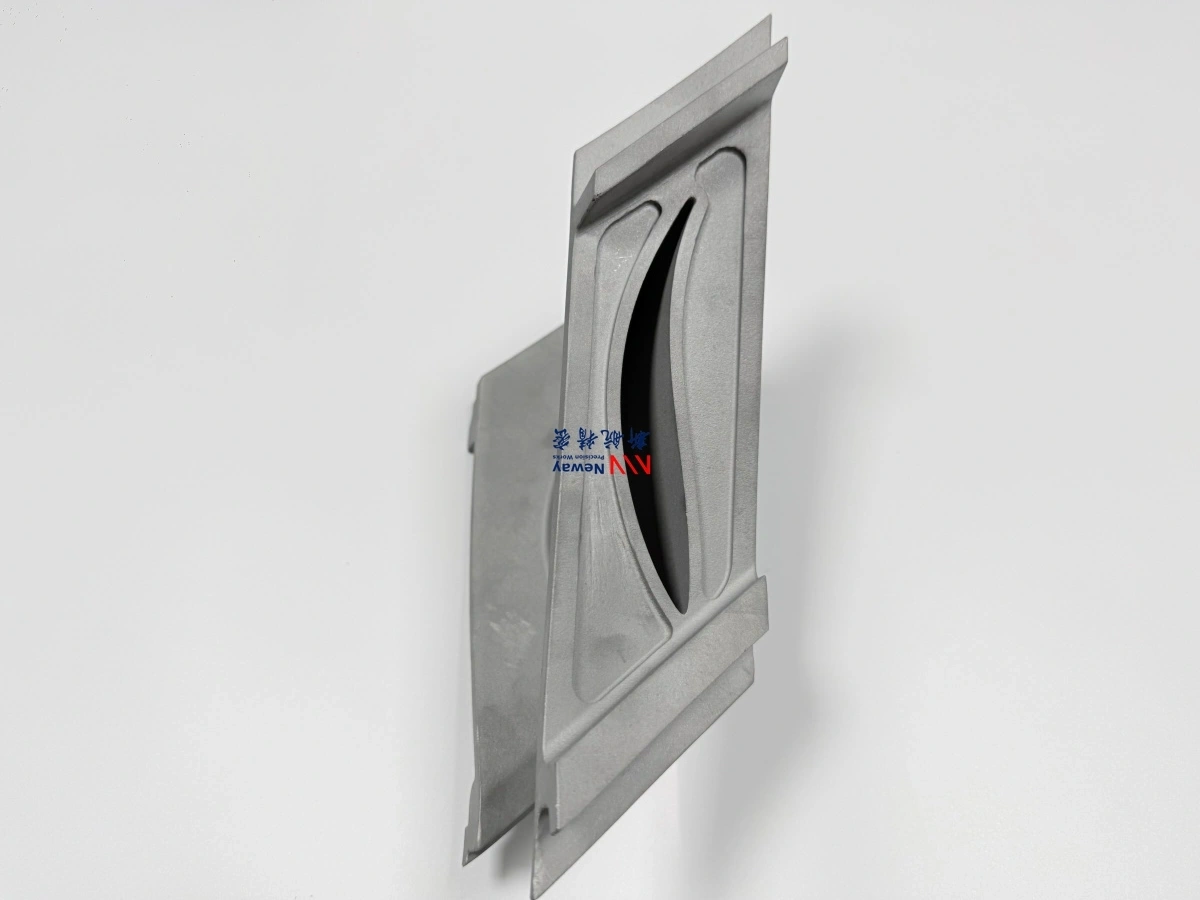
Combustion hardware often includes thin sheet-like forms, cast brackets, bosses, stiffeners, transition hardware, sealing rails, cooling features, and coated hot faces. Some parts may be cast; others may require forming, welding, machining, or a post-process route. The buyer should let the supplier see the component function before asking for price, because a liner panel, transition support, and combustor cap feature do not share the same manufacturing path.
RFQ description | What it usually means | Boundary to define before quote |
|---|---|---|
New combustion repair hardware | Custom manufactured components for maintenance or replacement planning. | Drawing ownership, alloy, route, quantity, and first-article approval scope. |
Sample-based liner or transition part | Manufacturing review begins from a used part or legacy reference. | Which surfaces are worn, which geometry is approved, and what must be redefined. |
Coating-ready hot-section component | Base part needs surface preparation before thermal barrier coating or buyer finishing. | Bond-coat readiness, masking, surface condition, and inspection before coating. |
Machined combustion fixture or bracket | Critical faces and holes control assembly more than raw casting shape. | Datum plan, machining stock, CMM report, and protected features. |
If the buyer is working in power generation maintenance, the RFQ should still avoid relying only on equipment shorthand. The supplier needs manufacturing data. A plant maintenance name may help identify the general application, but the quotation should be built from drawings, material, sample condition, and inspection requirements.
Used Liner and Transition Samples Need Condition Review First
A used combustion liner or transition sample is not final design geometry. Oxidation, coating loss, thermal distortion, crack repair, local rub, and previous field modification can all change the measured shape. If the buyer wants NewayAeroTech to review a sample, the RFQ should identify which dimensions come from the sample, which dimensions come from a drawing, and which features require buyer-side engineering confirmation before tooling or machining begins.
The sample review should separate three questions. First, can the part be measured and modeled with enough confidence? Second, which worn surfaces should not be copied? Third, what manufacturing route can reproduce the approved geometry? A supplier can inspect a sample and discuss manufacturing feasibility, but it should not be asked to decide final design intent from a damaged component.
Sample condition | RFQ risk | Buyer instruction to add |
|---|---|---|
Coating residue remains | True base metal surface may be hidden. | State whether coating will be stripped, documented, or used only as context. |
Oxidized or heat-affected hot face | Thickness and surface condition may no longer represent original geometry. | Provide target thickness or drawing reference for approval. |
Distorted liner panel or transition wall | Reverse-modeled shape may copy service deformation. | Mark datum features and geometry that engineering has corrected. |
Cracked, repaired, or welded region | Repair history can mislead feature shape and material assumptions. | Identify reference-only areas and the final drawing requirement. |
If only a sample is available, buyers should request a staged response: sample condition review, measurement plan, manufacturability review, first-article plan, and production quotation. This staged route reduces the chance that a supplier quotes production parts before the geometry is suitable for manufacturing.
The buyer should also define when the measured geometry becomes frozen. A sample can be scanned, sectioned, photographed, or manually measured, but those data are still inputs until engineering approves the manufacturing model. The RFQ should name the approval document that releases tooling, casting, forming, or machining. This is especially important for liner lips, transition-piece edges, cooling-hole areas, and attachment features that may have moved during service.
Alloy, Coating, and Oxidation Evidence That Affects Route Choice
Combustion hardware lives in a severe heat and oxidation environment, so material evidence should be part of the RFQ. Buyers should provide the alloy grade if known, any material specification, expected coating system, and whether the supplied sample has been coated, stripped, repaired, or heavily oxidized. If the alloy is unknown, chemical verification may be needed before the supplier can discuss a replacement manufacturing route.
The casting or forming route depends on wall thickness, alloy behavior, cooling or dilution features, and whether the component must be ready for thermal barrier coating. A surface that will receive coating may need different preparation than a surface delivered as-machined. A surface with coating residue may require cleaning or stripping before inspection. These steps should be quoted as process work, not assumed as a minor detail.
Oxidation evidence also affects inspection. Surface scale can hide cracks, thinning, or local damage. If the buyer expects material testing and analysis, the RFQ should define whether the test is for alloy identification, damage review, coating readiness, or final release. Each purpose leads to a different sample plan and report format.
Casting, Forming, Machining, and Coating-Readiness Scope
Combustion hardware can mix several manufacturing processes. Some supports, bosses, brackets, shields, and small hot-section details may be cast. Liner or transition features may require forming, welding, or machining. Cooling holes, slots, seal faces, and attachment features may require CNC, EDM, drilling, or post-process operations. The supplier response should show which process controls each feature instead of presenting one generic process chain.
The RFQ should also state whether NewayAeroTech is expected to deliver coating-ready hardware or only the base component. Coating-ready supply may include surface cleaning, dimensional checks before coating, masking information, bond-coat surface preparation, and acceptance review after coating if included. If the coating is handled by the buyer, the supplier still needs to know which surfaces must be protected and what stock or finish must remain.
Feature group | Manufacturing scope to define | Evidence to request |
|---|---|---|
Hot face or flow surface | As-cast, formed, machined, cleaned, or coating-ready delivery. | Surface condition record, inspection zone, and coating preparation note. |
Attachment boss or bracket | Casting plus machining, welded fabrication, or machined replacement feature. | Datum plan, hole inspection, and feature position report. |
Cooling feature | EDM, drilling, casting feature, or buyer-side completion. | Hole size, location, flow or dimensional inspection requirement. |
Seal rail or mating edge | Machined stock, blend radius, and final fit responsibility. | CMM or layout report tied to drawing revision. |
If the buyer wants a first article, the first-article scope should be written before production starts. A useful first-article package may include dimensional report, material records, coating-readiness evidence, NDT results where specified, and notes from trial assembly review. Without that list, both sides may agree that a first article is required while disagreeing later about what evidence proves it is acceptable.
Coating responsibility should also be separated into before-coating and after-coating evidence. Before coating, the supplier may need to show surface cleanliness, dimensional stock, masking surfaces, and absence of unacceptable surface indications. After coating, the buyer may need thickness, adhesion, visual condition, or final dimensional confirmation depending on who performs the coating. A clear RFQ states which side owns each record.
RFQ Checklist for Combustion Hardware Repair Parts
A complete combustion hardware repair-part RFQ should include the component drawing, STEP file if available, sample photos, sample condition notes, alloy requirement, wall thickness or critical surface map, quantity, manufacturing route preference, coating requirement, machining features, inspection records, and first-article expectations. If the buyer has only a used sample, send it with a clear statement of which surfaces are not reliable design geometry.
The quotation should separate engineering review, sample measurement, tooling, casting or forming, machining, coating-readiness work, inspection, and documentation. This lets buyers compare suppliers by responsibility. It also reduces the risk that a low price excludes the exact work needed to turn a damaged liner sample into an approved custom manufacturing package.
Send drawings, sample condition photos, alloy requirement, coating notes, quantity, manufacturing boundary, and inspection expectations. NewayAeroTech can review whether casting, forming support, CNC machining, coating-readiness work, and inspection planning fit the gas turbine combustion hardware RFQ.
Related FAQs
When is vacuum casting suitable for combustor liners and transition pieces?
Which alloys are used for high-temperature exhaust and combustor components?
What should be controlled before applying TBC to superalloy components?
Which inspections support coating readiness and final acceptance?
What inspections are typically conducted to ensure quality in gas turbine components?