
Entreprise de Traitement Thermique pour Composants de Turbine en Alliage Inconel à Cristaux Équiaxes
Optimisation des Composants de Turbine en Inconel par Traitement Thermique Contrôlé
Les composants de turbine en alliage Inconel produits par moulage à cristaux équiaxes offrent des performances fiables à haute température avec des structures de grains isotropes idéales pour les géométries complexes. Cependant, atteindre une résistance maximale, une résistance au fluage et une stabilité microstructurale nécessite des processus de traitement thermique précisément conçus, adaptés à chaque nuance d'Inconel et à chaque géométrie de pièce.
Neway AeroTech est une entreprise spécialisée en traitement thermique pour les composants de turbine en alliage Inconel. Nous proposons un traitement thermique post-moulage conforme NADCAP pour les aubes, les aubes directrices, les segments de tuyère et les équipements de chambre de combustion afin de répondre aux spécifications des industries aérospatiale et énergétique.
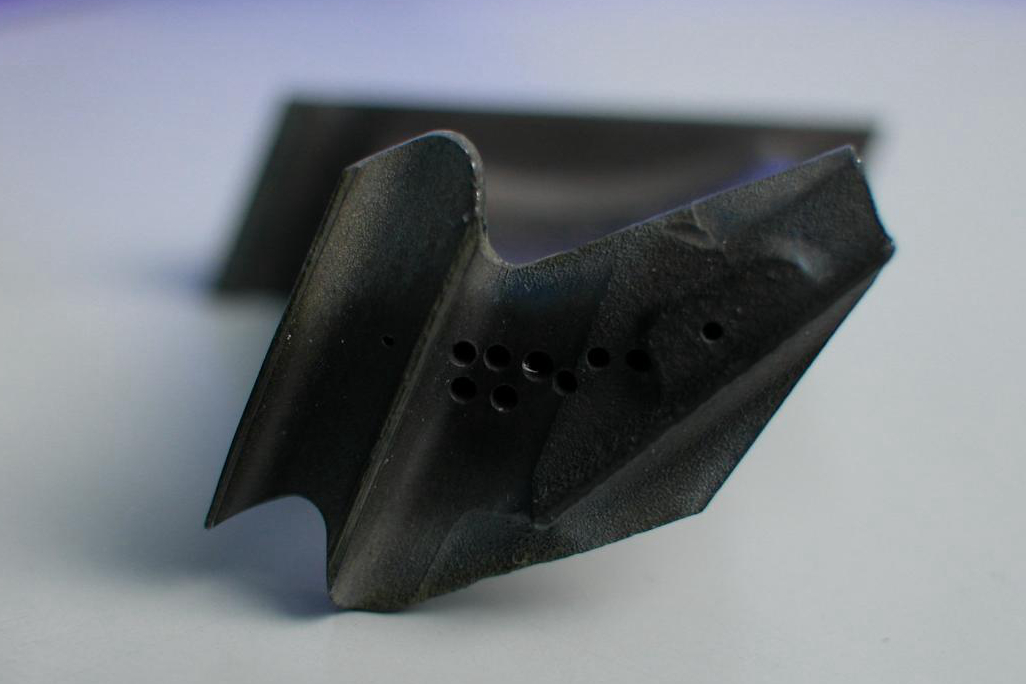
Capacités Essentielles de Traitement Thermique pour les Pièces Moulées en Inconel à Cristaux Équiaxes
Neway AeroTech utilise un contrôle précis de la température, une surveillance de l'atmosphère gazeuse et des cycles thermiques multi-étapes pour améliorer la microstructure et les propriétés mécaniques.
Recuit de mise en solution pour dissoudre les phases ségrégées et homogénéiser les joints de grains
Traitement de vieillissement pour une précipitation contrôlée de la phase gamma prime et le développement de la dureté
Détente des contraintes pour minimiser la déformation avant l'usinage CNC
Vitesses de montée en température personnalisées pour éviter la fusion naissante et le grossissement des grains
Les processus sont adaptés à chaque alliage et validés par des essais métallographiques et mécaniques.
Nuances d'Inconel Courantes et Applications
Alliage | Température Max (°C) | Limite d'Élasticité (MPa) | Objectif du Traitement Thermique |
|---|---|---|---|
1050 | 880 | Vieillissement pour augmenter la résistance au fluage | |
950 | 760 | Traitement de mise en solution pour réduire la ségrégation | |
1000 | 640 | Détente des contraintes avant soudage ou usinage CNC | |
980 | 827 | Vieillissement à basse température pour le renforcement structural |
Les alliages sont sélectionnés pour leur aptitude au moulage, leur résistance à l'oxydation et leur réponse au traitement thermique.
Étude de Cas : Traitement Thermique de Segments de Tuyère en Inconel 738
Contexte du Projet
Un fabricant d'équipements d'origine (OEM) pour la production d'énergie a fourni des pièces moulées de tuyère en Inconel 738 présentant une porosité modérée et des structures dendritiques de surface. Un traitement thermique contrôlé en deux étapes a été appliqué — un recuit de mise en solution à 1160°C suivi d'un vieillissement à 845°C pendant 16 heures. La microstructure finale présentait >60 % de phase gamma prime sans ségrégation interdendritique.
Composants Traités et Applications Industrielles
Composant | Alliage | Méthode de Traitement | Industrie |
|---|---|---|---|
Segment de Tuyère | Inconel 738 | Mise en solution + Vieillissement | |
Aube de Turbine | Inconel 713C | Détente des contraintes + Vieillissement | |
Écran de Chambre de Combustion | Inconel 625 | Détente des contraintes | |
Aube Directrice de Transition | Inconel 617 | Recuit + Usinage |
Chaque pièce subit une vérification du processus par des tests de dureté, une inspection de la structure des grains et une validation dimensionnelle.
Défis du Traitement Thermique pour les Composants de Turbine en Inconel à Cristaux Équiaxes
Contrôle de la précipitation de la phase gamma prime pour la dureté cible et la durée de vie en fatigue
Minimisation de la déformation pendant le recuit de mise en solution dans les géométries à parois minces
Éviter la fusion naissante près du liquidus pendant le maintien à haute température
Contrôle de la morphologie des carbures pour éviter l'affaiblissement des joints de grains
Assurer une taille de grain uniforme dans les régions de la couronne, de la plateforme et de l'aube
Solutions Éprouvées de Traitement Thermique
Traitement thermique de mise en solution à 1120–1180°C avec un contrôle de précision de ±2°C
Vieillissement à 845°C pendant 8–24 heures selon la section transversale du composant
Atmosphère inerte sous vide ou argon pour éliminer l'oxydation de surface
HIP avant le traitement thermique pour éliminer la porosité et améliorer la réponse des phases
Trempe à l'eau ou à l'air selon la sensibilité de l'alliage
Résultats et Assurance Qualité
Exécution du Processus
Chaque composant a reçu des profils thermiques personnalisés basés sur l'alliage, la géométrie et la spécification mécanique. Le contrôle de l'atmosphère a assuré des surfaces sans oxydation, et les fours programmables ont fourni une précision de cycle constante.
Résultats Métallurgiques
La dureté post-traitement pour l'Inconel 738 était comprise entre 350 et 390 HV. La MEB a confirmé une précipitation uniforme de la phase gamma prime ; la taille des grains est restée dans la plage ASTM 5–7. Aucune agglomération de carbures ou microségrégation résiduelle n'a été observée.
Contrôle Final
L'inspection par MMT a vérifié la stabilité dimensionnelle post-traitement. Les rayons X ont assuré l'absence de déformation ou de fissuration. L'analyse MEB a validé la structure des grains et la morphologie des précipités.
FAQ
Quel est le cycle de vieillissement standard pour les pièces moulées en Inconel 738 ?
L'Inconel 713C à cristaux équiaxes peut-il être traité sans déformation des sections minces des aubes directrices ?
Comment le traitement thermique est-il contrôlé pour éviter la fusion naissante ?
Proposez-vous des forfaits HIP + traitement thermique pour les pièces de turbine ?
Comment la distribution des phases est-elle vérifiée après le traitement thermique ?
