
Usine Personnalisée de Pièces Aérospatiales en Alliage Nimonic Haute Température pour Usage Aéronaut...
Introduction aux Alliages Nimonic pour Composants Aérospatiaux
Les alliages Nimonic sont des matériaux indispensables dans la fabrication aérospatiale, réputés pour leur résistance mécanique supérieure, leur excellente résistance au fluage et leur durabilité à haute température. Chez Neway AeroTech, nous sommes spécialisés dans les composants aéronautiques personnalisés fabriqués à partir d'alliages Nimonic avancés, en utilisant des technologies de pointe comme la fonderie à cire perdue sous vide et le forgeage de précision de superalliages.
Notre engagement envers la qualité et la précision garantit la production de composants qui répondent aux normes aéronautiques rigoureuses, améliorant la fiabilité et les performances même dans des conditions opérationnelles sévères. Nous fournissons des solutions Nimonic sur mesure qui soutiennent l'ingénierie aérospatiale avancée et prolongent les cycles de vie des composants.
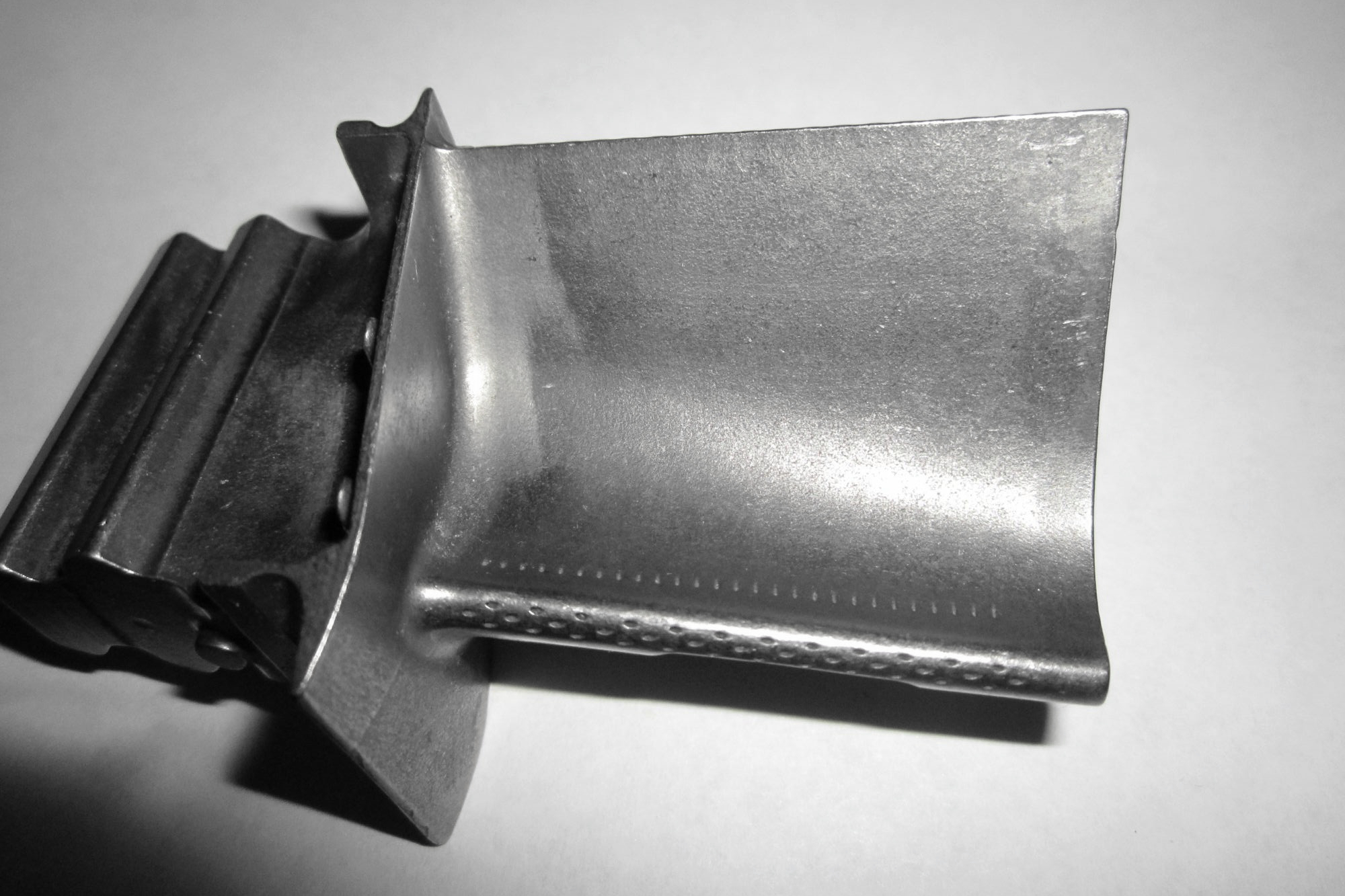
Principaux Défis dans la Fabrication de Pièces Aérospatiales en Nimonic
La fabrication de composants en alliage Nimonic de qualité aérospatiale implique de relever plusieurs défis techniques :
Résistance à Haute Température : Assurer l'intégrité structurelle à des températures de service supérieures à 1100°C.
Résistance au Fluage : Maintenir des microstructures stables lors d'expositions prolongées à des contraintes mécaniques et à des températures élevées.
Problèmes d'Usinabilité : Gérer les caractéristiques de durcissement par écrouissage rapide, nécessitant des outils de coupe et des stratégies d'usinage spécialisés.
Oxydation et Corrosion : Garantir des performances fiables contre l'oxydation et la corrosion dans des environnements aéronautiques hostiles.
Processus de Fabrication Détaillés des Alliages Nimonic
Fonderie à Cire Perdue sous Vide
Les modèles en cire de précision reproduisent des géométries aérospatiales complexes.
Les moules en céramique réfractaire sont formés en revêtant les modèles, suivis de l'élimination de la cire dans des autoclaves (environ 180°C).
Les alliages Nimonic fondus sont coulés dans des conditions de vide (<0,01 Pa) pour éviter toute contamination.
Refroidissement contrôlé (environ 50°C/heure) pour minimiser les contraintes internes et la distorsion.
Forgeage de Précision
Les billettes Nimonic sont chauffées uniformément aux températures de forgeage (950°C–1150°C).
Des matrices isothermes façonnent avec précision les composants, assurant une grande précision dimensionnelle et un gaspillage de matière minimal.
Les vitesses de refroidissement optimisées garantissent des propriétés mécaniques améliorées et une résistance à la fatigue.
Aperçu Comparatif des Processus de Fabrication Nimonic
Processus | Précision Dimensionnelle | Rugosité de Surface | Taux de Production | Capacité de Complexité |
|---|---|---|---|---|
Fonderie à Cire Perdue sous Vide | ±0,15 mm | Ra 3,2–6,3 µm | Modéré | Élevée |
Forgeage de Précision | ±0,10 mm | Ra 1,6–3,2 µm | Modéré | Modérée |
Usinage CNC | ±0,01 mm | Ra 0,8–3,2 µm | Modéré | Modérée |
Impression 3D SLM | ±0,05 mm | Ra 6,3–12,5 µm | Rapide | Très Élevée |
Sélection Stratégique des Processus de Fabrication pour les Composants Aérospatiaux en Nimonic
Fonderie à Cire Perdue sous Vide : Préférée pour les formes complexes et les volumes moyens, atteignant une précision dimensionnelle de ±0,15 mm avec une bonne efficacité économique.
Forgeage de Précision : Idéal pour les composants structurellement critiques exigeant une résistance et une intégrité de surface supérieures, avec une précision allant jusqu'à ±0,10 mm.
Usinage CNC : Recommandé pour la finition de surfaces de haute précision, offrant une précision jusqu'à ±0,01 mm et des finitions de surface supérieures.
Impression 3D SLM : Adaptée aux géométries complexes, au prototypage rapide et aux structures internes précises, atteignant des tolérances inférieures à ±0,05 mm.
Matrice de Performance des Alliages Nimonic pour Applications Aéronautiques
Alliage | Résistance à la Traction (MPa) | Limite Élastique (MPa) | Température de Service Max (°C) | Résistance au Fluage | Applications Aérospatiales |
|---|---|---|---|---|---|
750 | 275 | 1050 | Bonne | Supports d'aubes de turbine | |
960 | 600 | 815 | Excellente | Soupapes d'échappement | |
1180 | 750 | 920 | Supérieure | Disques haute performance | |
1150 | 800 | 950 | Exceptionnelle | Profils d'aubes de turbine | |
1100 | 850 | 1010 | Excellente | Aubes directrices de turbine à gaz | |
1000 | 585 | 950 | Supérieure | Revêtements de chambre de combustion |
Sélection Optimale des Alliages Nimonic pour Applications Aérospatiales
Nimonic 75 : Idéal pour les applications de résistance modérée nécessitant des performances fiables jusqu'à 1050°C, adapté aux structures de support d'aubes de turbine.
Nimonic 80A : Choix optimal pour les soupapes d'échappement nécessitant une excellente résistance à l'oxydation et une limite élastique (600 MPa) à des températures de fonctionnement de 815°C.
Nimonic 90 : Préféré pour les disques de turbine haute performance en raison de sa résistance à la traction supérieure (1180 MPa) et de son excellente résistance à la fatigue jusqu'à 920°C.
Nimonic 105 : Sélectionné pour les profils d'aubes de turbine exigeant une haute résistance (1150 MPa en traction) et une excellente résistance au fluage à 950°C.
Nimonic 115 : Meilleur pour les aubes directrices de turbine à gaz, offrant une limite élastique exceptionnelle (850 MPa) et une résistance à l'oxydation jusqu'à 1010°C.
Nimonic 263 : Recommandé pour les revêtements de combustion nécessitant de bonnes propriétés en traction (1000 MPa) et une résistance à la corrosion à des températures de service proches de 950°C.
Techniques de Post-traitement Critiques pour les Composants Aérospatiaux en Nimonic
Pressage Isostatique à Chaud (HIP) : Élimine la porosité interne et améliore la résistance à la fatigue en utilisant des pressions d'environ 150 MPa à des températures autour de 1200°C.
Revêtement de Barrière Thermique (TBC) : Fournit une isolation thermique essentielle, réduisant les températures de surface d'environ 200°C, crucial pour les aubes de turbine et les chambres de combustion.
Usinage par Décharge Électrique (EDM) : Réalise des canaux internes précis et des géométries complexes avec des tolérances aussi fines que ±0,005 mm.
Traitement Thermique : Optimise les microstructures, améliorant significativement les propriétés mécaniques et la fiabilité à des températures dépassant 900°C.
Application Industrielle et Analyse de Cas : Production de Disques de Turbine en Nimonic
Neway AeroTech a fabriqué avec succès des disques de turbine personnalisés en Nimonic 90 pour usage aéronautique, en employant le forgeage de précision couplé au HIP et à un traitement thermique spécialisé. Cette combinaison a significativement amélioré la résistance à la fatigue des disques, la précision dimensionnelle (±0,10 mm) et la résistance au fluage.
Notre expertise éprouvée et nos installations de pointe garantissent la conformité aux normes de qualité aéronautiques strictes, offrant une fiabilité inégalée et des durées de vie opérationnelles prolongées dans des environnements aérospatiaux exigeants.
FAQ sur la Fabrication de Pièces Aérospatiales en Nimonic
Quels délais de livraison typiques pouvez-vous offrir pour les composants aérospatiaux personnalisés en Nimonic ?
Votre installation peut-elle gérer des commandes en petites séries et du prototypage rapide pour des applications aéronautiques ?
À quelles certifications aérospatiales et normes de qualité votre fabrication Nimonic adhère-t-elle ?
Quels traitements de post-traitement recommandez-vous pour améliorer les performances et la durée de vie des composants en Nimonic ?
Fournissez-vous un support technique pour la sélection des alliages Nimonic et l'optimisation de la conception des composants ?
