
Por que a fundição monocristalina é desnecessária para algumas peças de reposição 6B?
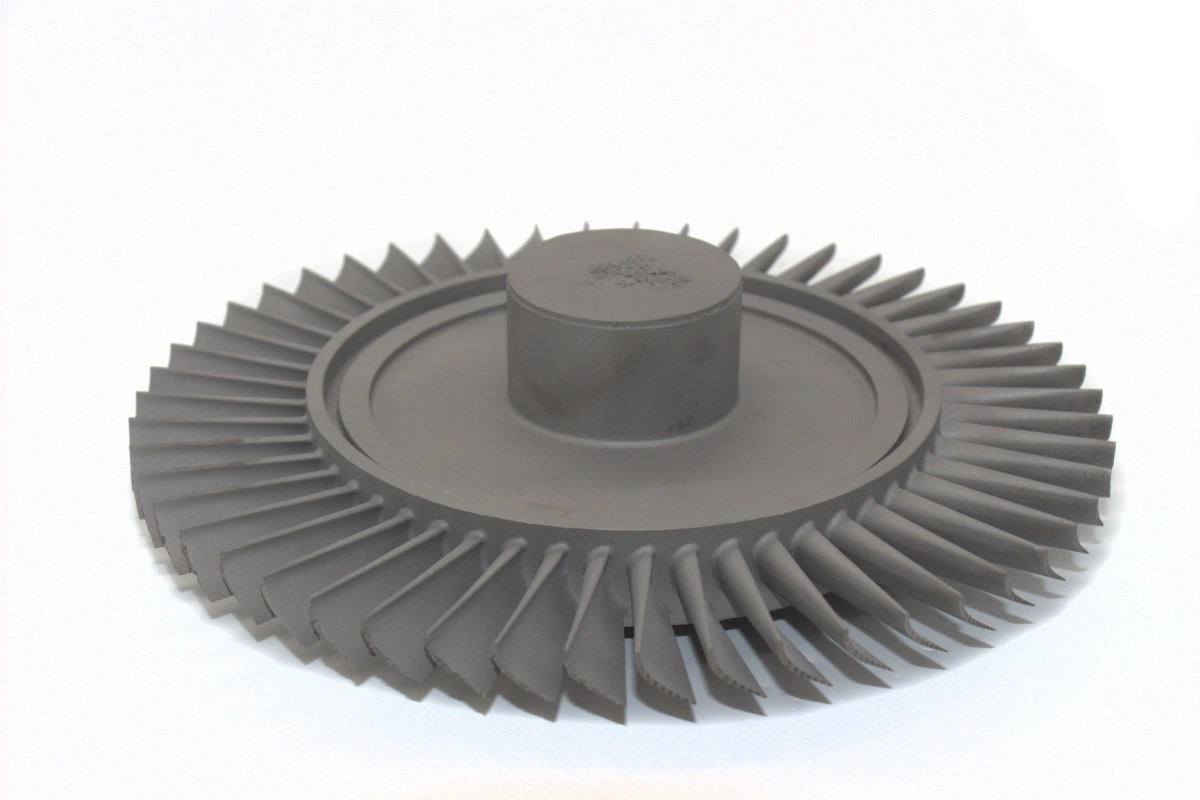
Por que a fundição monocristalina é desnecessária para algumas peças de reposição 6B?
A fundição monocristalina é desnecessária para algumas peças de reposição 6B porque muitos desses componentes não operam na zona de temperatura mais crítica limitada por fluência (creep), onde o benefício total de uma estrutura livre de contornos de grão é necessário. Em muitas aplicações 6B, a vida útil de serviço exigida já pode ser alcançada com fundição equiaxial ou fundição direcional, mantendo ao mesmo tempo o custo de fabricação, o prazo de entrega, o risco de qualificação e o preço de reposição em um nível mais prático.
1. O Monocristal É uma Solução de Alto Desempenho, Não um Padrão Automático
A fundição monocristalina é utilizada principalmente onde as peças enfrentam a combinação mais severa de alta temperatura do metal, tensão sustentada e exposição à fluência. Seu maior valor reside na eliminação dos contornos de grão transversais, o que melhora a resistência à fluência e a vida útil em fadiga de alta temperatura. No entanto, se uma peça de reposição 6B trabalhar em uma localização de menor carga, essa margem de desempenho extra pode não se traduzir em valor significativo em campo.
Nesses casos, especificar monocristal pode aumentar o custo e a complexidade de fabricação sem produzir um aumento proporcional na vida útil de serviço utilizável.
2. Quando a Condição de Serviço Não Justifica o Monocristal
Condição | Por Que o Monocristal Pode Ser Desnecessário | Alternativa Mais Adequada |
|---|---|---|
Temperatura moderada na seção quente | A peça não está na zona mais crítica de fluência | Rota equiaxial ou direcional |
Peça de reposição guiada pela geometria | O ajuste, a resistência à oxidação e a reparabilidade são mais importantes do que a vida máxima de fluência | Rota equiaxial |
Grande peça estrutural quente | O componente beneficia-se mais da fabricabilidade e do controle de custos | Rota equiaxial |
Serviço de nível intermediário para palhetas | Maior resistência na direção do grão é útil, mas o monocristal completo é excessivo | Rota direcional |
Intervalo de parada mais curto ou padrão como objetivo | O operador não precisa da extensão de vida útil premium máxima | Rota equiaxial ou direcional |
3. Muitas Peças de Reposição 6B Priorizam Desempenho Equilibrado, Não Vida Máxima de Fluência
Para um grande número de peças de reposição 6B, as verdadeiras prioridades são o ajuste dimensional, a resistência à oxidação, a durabilidade à fadiga térmica, a compatibilidade de reparo e um custo de reposição razoável. Essas necessidades são frequentemente atendidas com sucesso por fundições produzidas através de fundição de precisão a vácuo com uma estrutura de grão equiaxial estável e liga de alta temperatura adequada.
Exemplos típicos incluem anéis de bocal, segmentos de vedação, carcaças (shrouds), hardware relacionado à câmara de combustão, estruturas fundidas relacionadas à transição e muitos componentes gerais da seção quente. Essas peças podem operar em altas temperaturas, mas nem sempre estão sob a mesma tensão de fluência de longo prazo que as aplicações de pás de turbina mais exigentes.
4. Custo e Prazo de Entrega São Frequentemente Razões Principais
A fundição monocristalina geralmente requer controle de processo mais rigoroso, controle de defeitos mais exigente, seleção de cristal mais difícil e critérios de rejeição mais estritos. Isso geralmente aumenta o custo de fabricação e também pode aumentar o tempo de desenvolvimento e entrega. Para programas de reposição, especialmente onde os compradores precisam de suporte para paradas ou fornecimento repetível de lotes, esse ônus adicional pode não ser justificado.
Fator de Decisão | Equiaxial / Direcional | Monocristal |
|---|---|---|
Complexidade de fabricação | Baixa a média | Mais alta |
Custo de reposição | Mais econômico | Mais alto |
Risco de rendimento | Menor | Maior devido ao controle de defeitos cristalinos |
Pressão no prazo de entrega | Mais adequado ao fornecimento de reposição | Menos prático para algumas paradas urgentes |
5. A Fundição Direcional É Frequentemente o Melhor Meio-Termo
Para alguns componentes 6B, a escolha real não é entre equiaxial e monocristal, mas entre solidificação equiaxial e direcional. Se a peça precisar de melhor resistência à fluência e à fadiga térmica do que o material equiaxial padrão pode fornecer, mas não exigir a rota premium completa do monocristal, então a fundição direcional é frequentemente a opção mais racional.
Isto é especialmente verdadeiro para palhetas selecionadas e componentes do caminho de gás mais quentes, onde a estrutura de grão alinhada adiciona uma margem de vida útil significativa sem o custo total e o ônus do processo de uma parte monocristalina.
6. A Seleção da Liga Frequentemente Importa Mais Do Que Migrar Desnecessariamente para o Monocristal
Em muitos projetos de reposição 6B, escolher a família de ligas correta tem um efeito maior no desempenho prático do que atualizar para monocristal sem uma razão clara baseada na carga de trabalho. Materiais adequados das ligas Inconel, ligas Nimonic ou ligas Rene podem frequentemente fornecer a resistência à oxidação, estabilidade térmica e vida estrutural necessárias para peças de reposição 6B de carga não máxima quando combinadas com a rota de fundição correta.
Isso significa que a melhor questão de engenharia geralmente não é "Esta peça pode ser feita como monocristal?", mas "Esta peça realmente precisa de monocristal para atender aos alvos de vida útil e comerciais?"
7. O Pós-Processamento Também Pode Reduzir Parte da Lacuna de Desempenho
Para muitas fundições de reposição, a vida útil de serviço também é fortemente influenciada por etapas posteriores, como HIP (Prensagem Isostática a Quente), tratamento térmico, usinagem de acabamento e verificação de qualidade completa. Uma peça equiaxial ou direcional bem controlada com forte controle de pós-processo pode superar uma rota premium mal executada no serviço de campo real.
Esta é uma razão pela qual muitos programas práticos de reposição 6B focam na qualidade metalúrgica estável e na produção consistente, em vez de usar a estrutura de grão mais avançada em todos os lugares.
8. Resumo
O Monocristal É Geralmente Desnecessário Quando... | Razão |
|---|---|
A peça não está na zona de maior carga de fluência | O ganho de desempenho é limitado |
O custo equilibrado de reposição é importante | Rotas equiaxiais ou direcionais são mais econômicas |
Geometria, resistência à oxidação e ajuste são as principais prioridades | O desempenho máximo do monocristal não é necessário |
Uma atualização de desempenho intermediária é suficiente | A fundição direcional frequentemente fornece o melhor equilíbrio |
Em resumo, a fundição monocristalina é desnecessária para algumas peças de reposição 6B porque muitos desses componentes não operam em uma faixa de carga que realmente exija desempenho de fluência monocristalina. Para anéis de bocal, hardware da câmara de combustão, carcaças (shrouds), vedações, estruturas relacionadas à transição e muitas peças da seção quente de carga moderada, a fundição equiaxial ou direcional é frequentemente a solução técnica e comercial mais apropriada. Para referências relacionadas, consulte geração de energia, componentes de turbina a gás e casos de fundição equiaxial.
