Gas Turbine Components Superalloy Production Center For Power Generation Systems
A power-generation gas turbine component RFQ should be reviewed by component family, alloy route, hot-section risk, and inspection evidence, not by a broad equipment label. Blades, vanes, shrouds, seal segments, combustor liners, transition pieces, and support hardware each place different demands on casting, machining, post-processing, and dimensional control. NewayAeroTech can support custom high-temperature alloy manufacturing for drawing-based gas turbine parts when the buyer supplies geometry, material requirements, quantity, surface condition, and acceptance records needed for the project.
The production-center question is really a responsibility question: which supplier can connect alloy selection, primary forming, CNC/EDM finishing, heat treatment or HIP, coating preparation, and inspection into one controlled supply route. Plant maintenance buyers, power-generation equipment builders, and engineering contractors should ask for that route before comparing unit prices. A low price for a blank is not comparable with a quote for a finished hot gas path component delivered with reports.
Start With the Gas Turbine Component Family
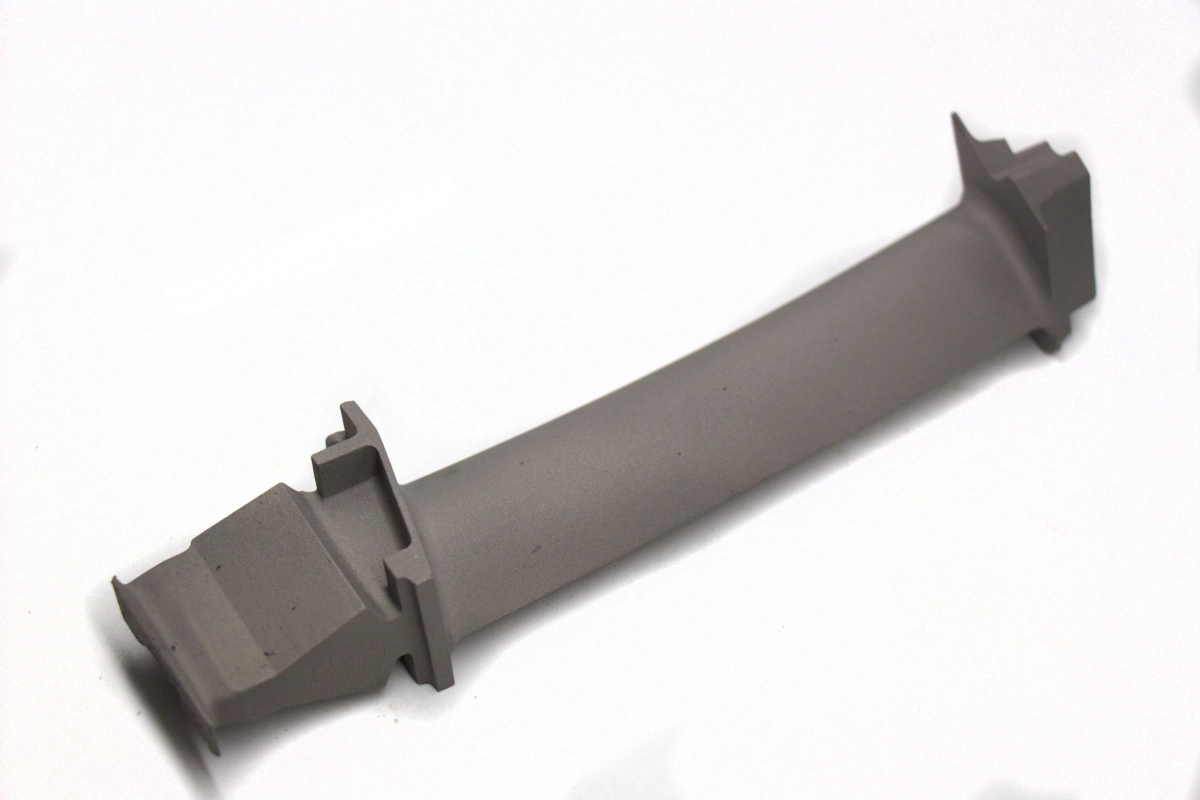
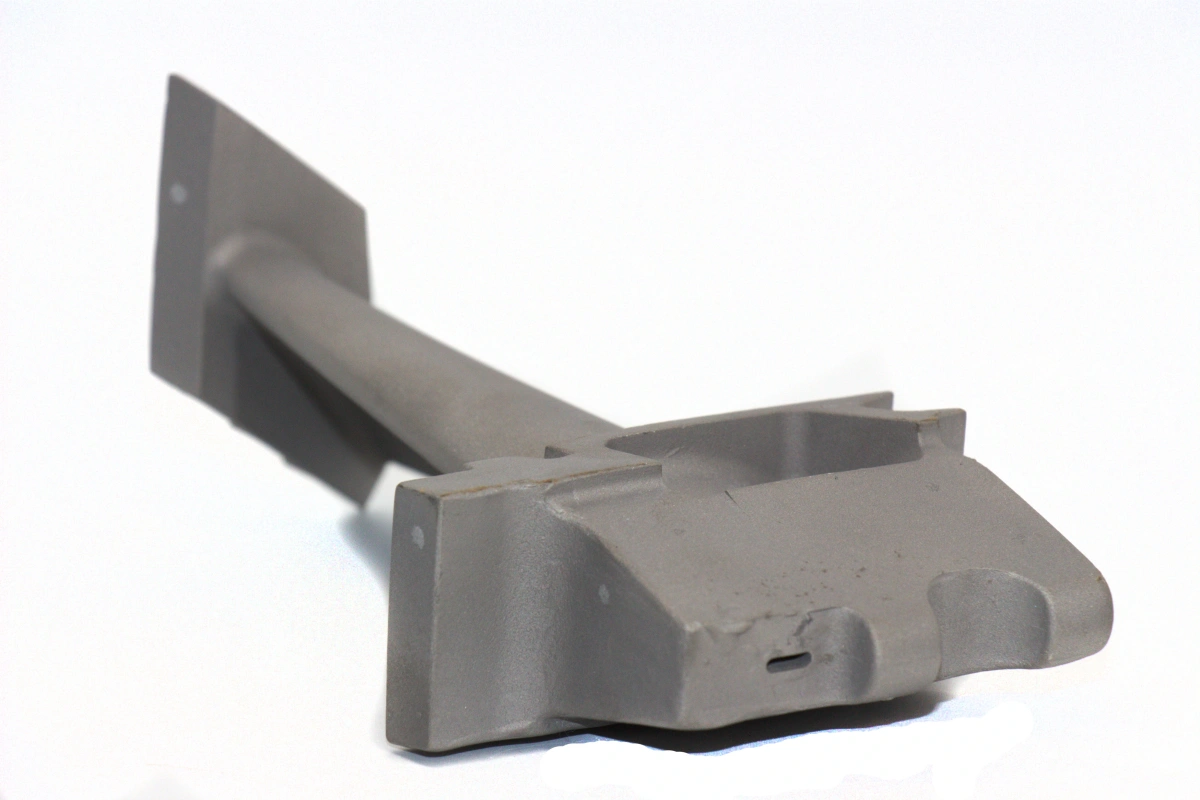
The first RFQ split should identify whether the part is rotating, static, flow-path, sealing, or structural support hardware. A turbine blade or bucket usually pushes the review toward airfoil geometry, root interfaces, platform stock, and possible crystal-route requirements. A nozzle guide vane or static vane segment needs thin-wall control, platform alignment, ceramic core risk, and flow-path surface review. Shrouds and seal segments place more attention on arc profile, seal features, coating preparation, and assembly fit. Combustor liners and transition pieces add oxidation, thermal cycling, fabrication, and local distortion questions.
NewayAeroTech should receive a part-level package rather than only a plant-level description. Useful inputs include drawings, 3D models, alloy callouts, operating area, quantity, replacement or new-build status, required machining stock, and inspection plan. If the buyer sends a used sample, the quote should separate sample measurement from final drawing approval. Power-generation components often carry service wear, coating residue, and local deformation that should not be copied into new manufacturing geometry without engineering review.
Component family | Main RFQ risk | Manufacturing review needed |
Turbine blade or bucket | Root fit, airfoil profile, platform stock, cooling features | Casting route, machining datum plan, crystal structure if specified, FPI/X-ray/CMM evidence. |
Nozzle guide vane or vane segment | Thin wall, core position, flow path, seal face | Vacuum casting or directional route, ceramic core control, machining allowance, CT or radiographic review. |
Shroud or seal segment | Arc geometry, wear face, coating readiness, mounting feature | Near-net casting or machined blank, seal-surface stock, coating-prep limits, CMM profile report. |
Combustor or transition hardware | Oxidation, thermal cycling, welded/fabricated areas | Alloy and fabrication route, heat treatment condition, surface cleaning, dimensional and visual inspection. |
Match Alloy Grade to Casting Route and Service Location
Gas turbine hot-section components may use nickel-based and cobalt-based superalloys such as IN738LC, Inconel 713C, Rene 80, GTD111-type materials, Hastelloy X, Haynes 188, FSX-414, or Stellite grades, depending on the drawing and application. The alloy choice should be tied to the service location and manufacturing route. A vane alloy that casts well as an equiaxed component may not be suitable for a blade design that specifies directional solidification or single crystal structure. A fabricated liner material may be selected for oxidation resistance and weldability instead of blade-root strength.
NewayAeroTech can review high-temperature alloy casting, vacuum investment casting, single crystal casting, and directional solidification casting options when the customer specification permits those routes. If the alloy is already fixed by the drawing, the supplier’s job is not to replace it casually; the supplier should confirm manufacturability, risk areas, and any process limits before quoting.
Alloy route question | What it clarifies | Buyer action |
Equiaxed casting route | Suitable for many vane, shroud, liner, and structural hot-section parts when grain orientation is not the controlling requirement | Confirm alloy grade, defect acceptance, machining stock, and NDT requirements. |
Directional solidification route | Used when aligned grain structure is specified for selected turbine components | Provide orientation requirement, drawing revision, and acceptance method for grain-related defects. |
Single crystal route | Used only when the blade or vane design specifies single crystal material behavior | Provide crystal orientation tolerance, selector geometry constraints, and orientation inspection requirement. |
Fabricated or machined route | Used for liners, supports, manifolds, or parts where sheet/blank machining is more practical | Define weld, heat treatment, datum, surface finish, and final inspection responsibility. |
Quote the Production Sequence Instead of a Single Operation
A capable production center should show how the component moves from raw material or wax pattern to accepted part. For a cast vane, the sequence may include tooling review, wax injection, ceramic shell, vacuum melt and pour, shell removal, cut-off, heat treatment, HIP if required, FPI, X-ray or CT, machining of platforms and seal faces, final CMM, and packing. For a blade blank, the sequence may separate airfoil casting from root machining and cooling-feature finishing. For a combustor liner, forming, welding, heat treatment, cleaning, and visual/dimensional inspection may dominate.
Buyers should ask suppliers to state what is included and excluded. Superalloy CNC machining, EDM, deep-hole drilling, heat treatment, and coating preparation can be major cost drivers. If these operations are not listed, they may not be included. A route table in the quotation helps purchasing compare suppliers without mixing a rough-casting quote with a finished-component quote.
Control Machining Allowance at Interfaces That Affect Assembly
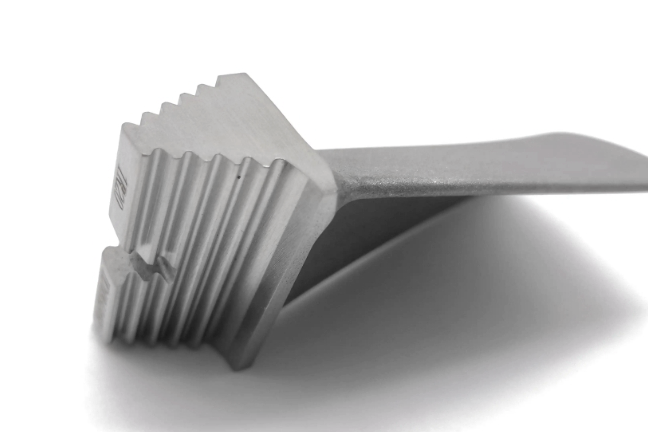
Power-generation gas turbine parts often fail supplier review at the interface level, not at the overall outline. Root forms, platform faces, seal lands, mounting slots, bolt patterns, shroud arcs, and flange faces require stable datum control. A casting may need enough stock for cleanup, but too much stock can create machining time, fixture load, and distortion risk. Too little stock can expose casting variation or make the final surface impossible to clean up without changing the model.
NewayAeroTech should review the datum scheme before committing to the final route. If the casting route is selected, the drawing should identify machining allowance and critical-to-fit dimensions. If the part is produced from a wrought or forged blank, the buyer should provide surface finish, tolerance class, tool-access constraints, and inspection method. For repeated batches, fixture strategy and first-article CMM reporting become part of the manufacturing plan rather than a separate quality afterthought.
Interface feature | Why it affects supply risk | Recommended quotation evidence |
Blade root or dovetail | Small profile errors affect fit and load transfer | Machining route, datum plan, profile inspection, and surface finish record. |
Vane platform or seal face | Flatness and relative position affect assembly leakage and alignment | Machining allowance, CMM report, and local cleanup plan. |
Shroud arc or segment edge | Arc mismatch can affect installation and wear behavior | Profile measurement, coating-prep allowance, and edge-condition review. |
Combustor liner attachment feature | Thin-wall distortion can shift holes or weld interfaces | Fixture plan, heat treatment sequence, visual/dimensional inspection. |
Inspection Evidence Should Follow Hot-Section Risk
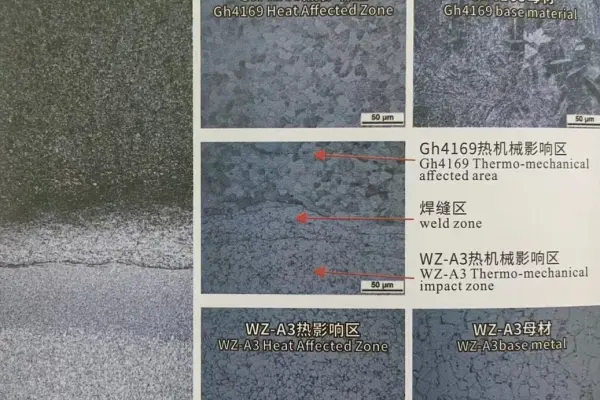
Inspection requirements should be chosen for the component’s risk, not copied as a generic checklist. Cast vanes and blades may need FPI for surface-connected indications and X-ray or CT for internal soundness. Single crystal parts may need orientation inspection and review for stray grain or recrystallization risk. Machined seal faces and root features require CMM reports. Alloy-sensitive projects may request chemical analysis, heat treatment records, hardness, metallography, or mechanical testing when required by the drawing or purchase specification.
NewayAeroTech can include material testing and analysis, heat-treatment documentation, and NDT coordination in the supply scope when the buyer defines acceptance requirements. If the buyer is unsure which reports are needed, the practical route is to identify critical surfaces, component family, material grade, and project stage first. A development sample and a production-intent hot gas path component should not carry the same inspection package.
Prototype, First Article, and Batch Production Need Different Controls
Prototype work for gas turbine components is useful when the buyer wants to verify geometry, fixture access, assembly fit, or route feasibility before committing to production tooling. Additive manufacturing or simplified machining may be acceptable for early fit checks, while a later production-intent article may require vacuum casting, heat treatment, HIP, CNC finishing, and formal inspection reports. The RFQ should state which stage the part belongs to, otherwise suppliers may quote a prototype route for a production expectation.
First-article validation should compare the manufacturing route against the drawing and acceptance evidence. Buyers should review dimensional reports, surface condition, NDT results, material documents, and any open deviations before releasing a repeat batch. For a small-batch power-generation project, that first-article step can prevent repeated defects in vane platforms, blade roots, shroud arcs, or liner mounting features. NewayAeroTech can support low-volume and small-batch custom manufacturing where the buyer provides clear drawings, material requirements, and inspection expectations.
Supplier Fit for Power-Generation Gas Turbine Projects
NewayAeroTech is a suitable manufacturing partner when the project needs custom superalloy components, drawing-based review, hot-section process planning, casting plus machining integration, and inspection evidence. The fit is strongest for parts such as blades, vanes, nozzle components, shrouds, seal segments, combustor liners, transition pieces, and high-temperature support hardware. The supplier fit is weaker for catalog spare-part resale, original inventory requests, or projects where the buyer cannot provide enough geometry, material, and acceptance information for manufacturing review.
Send the drawing package, 3D model, material grade, quantity, target manufacturing route if known, surface finish, heat treatment or HIP requirement, coating or coating-preparation note, inspection standard, and any sample photos or service-condition notes. NewayAeroTech can review the route and clarify whether the quotation covers a blank, machined part, or finished hot-section component with records.
Related FAQs
What are the most commonly used alloys in gas turbine components?
How do manufacturing processes affect the performance of gas turbine components?
Why is rapid prototyping essential in gas turbine component production?
What post-processing methods are essential for gas turbine components?
What inspections are typically conducted to ensure quality in gas turbine components?
What are the most common superalloys used in gas turbine assemblies?
What quality control tests are essential for gas turbine assemblies?
For gas turbine component RFQs, ask for a route-based quotation that names the alloy, component family, included operations, machining allowance, post-process scope, and inspection evidence. That gives buyers a clearer basis for comparing custom superalloy suppliers for power-generation hot-section projects.