How to Choose the Right Casting Route for GE 7B, 7E, and 7EA Parts
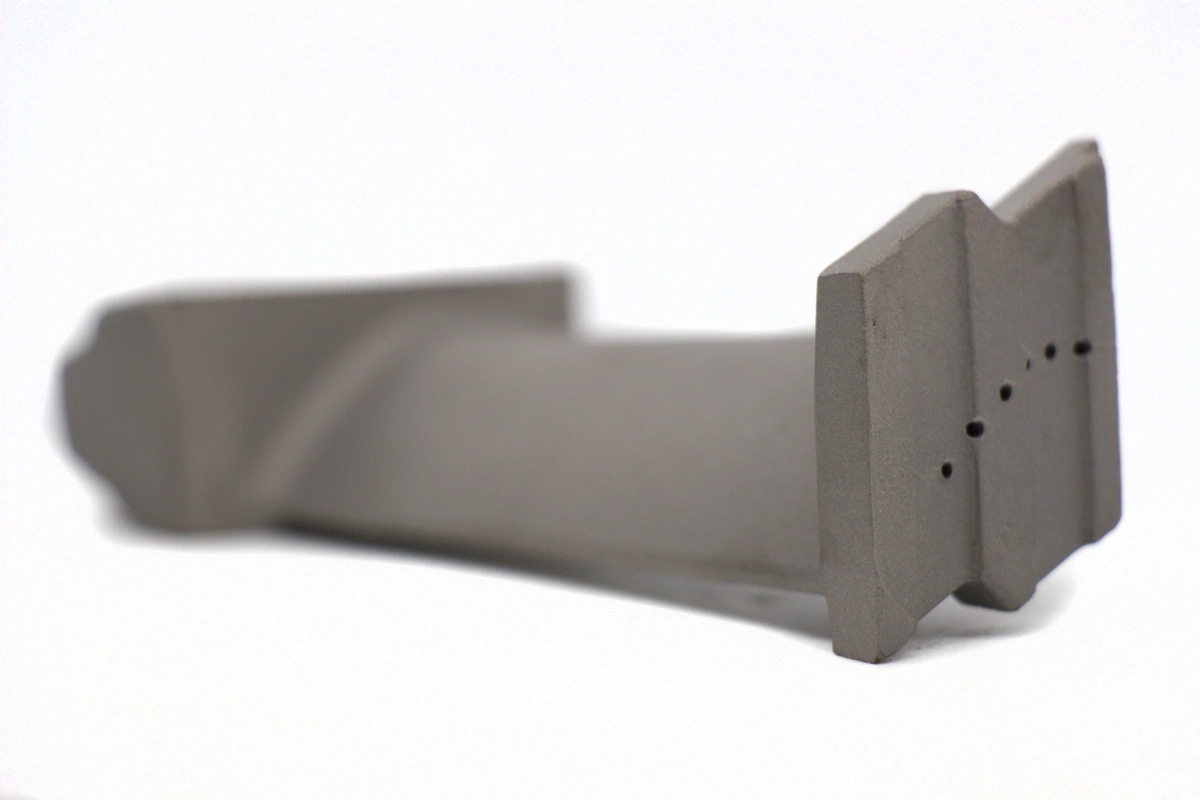
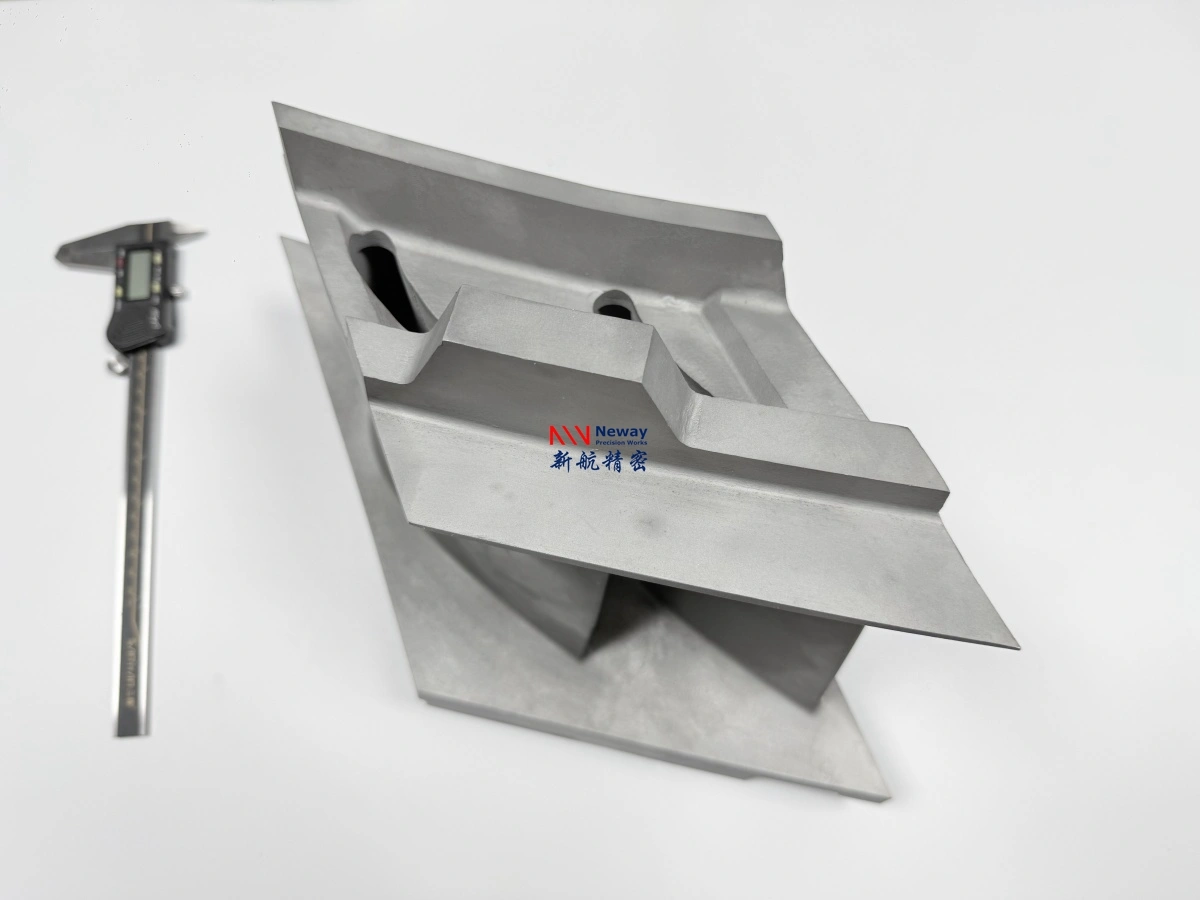
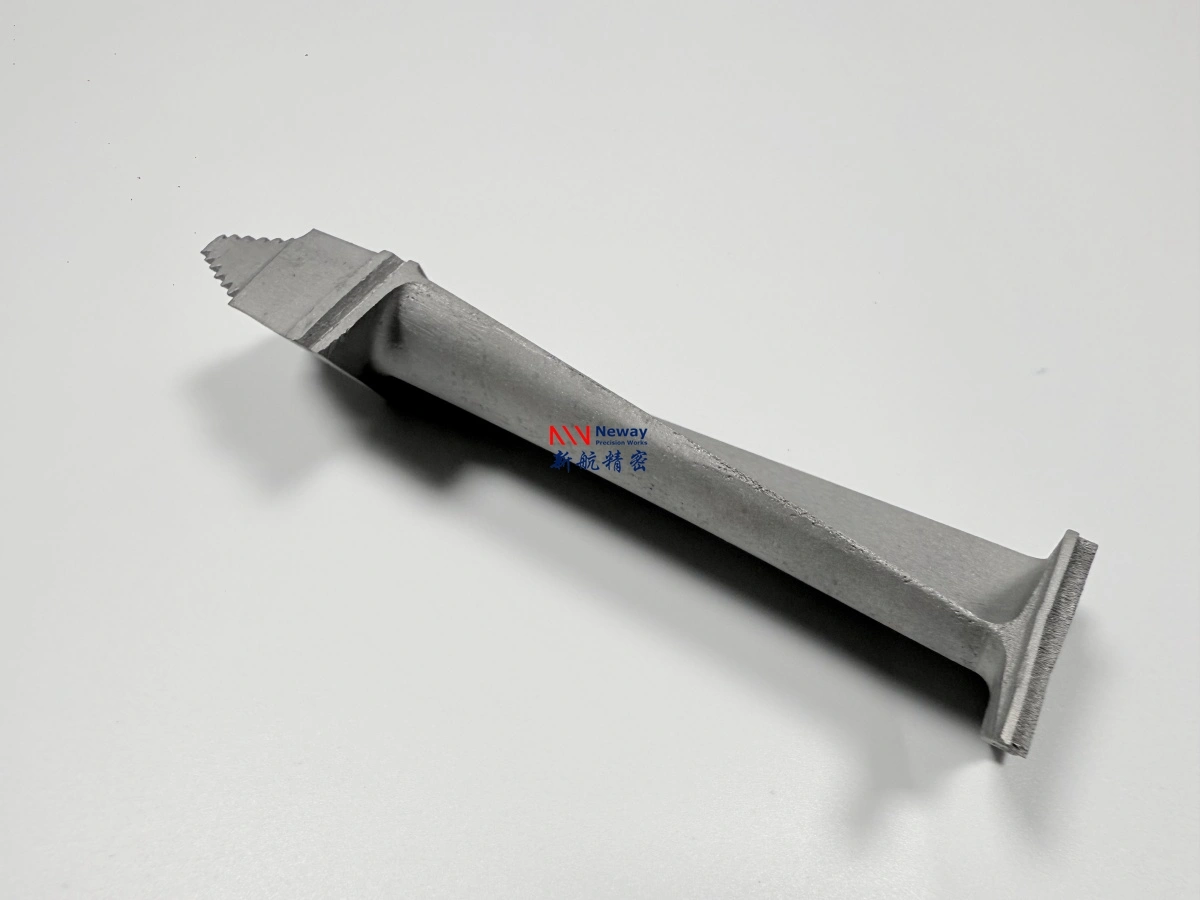
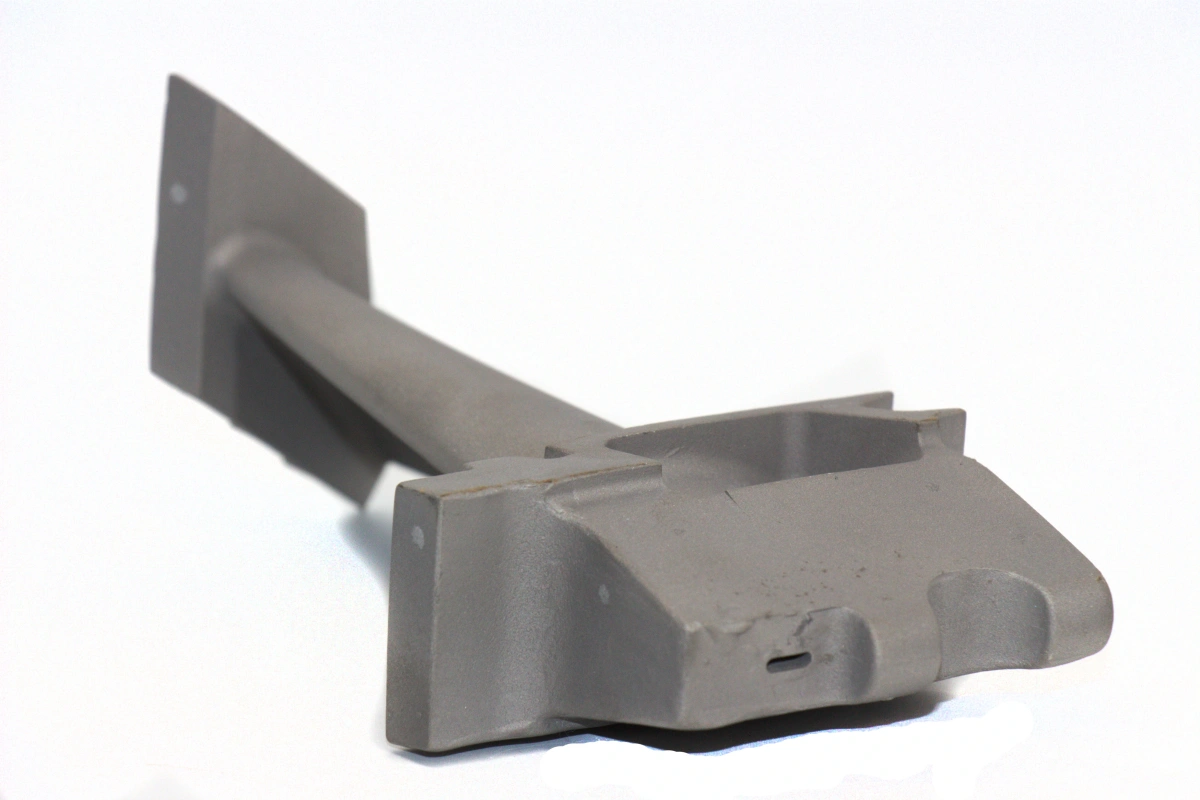 Choosing the right casting route for GE 7B, 7E, and 7EA parts is a critical step in controlling part life, manufacturing cost, lead time, and repair strategy. Although these turbine platforms do not always require the same casting sophistication as more advanced F-class systems, many of their hot-section and combustion-related parts still operate under significant thermal, mechanical, and oxidation loads. Turbine blades, vanes, nozzle segments, shrouds, combustion hardware, and other heat-resistant components must be matched with a casting route that fits their real service conditions rather than following a one-route-fits-all approach.
In most cases, the main options include Vacuum Investment Casting as the process platform, combined with one of three structural routes: Equiaxed Crystal casting, Superalloy Directional Casting, or Single Crystal Casting. The best choice depends on temperature exposure, creep demand, stress direction, required lifespan, cost target, downstream machining needs, and whether the part is expected to be repaired or replaced.
Why Casting Route Selection Matters for GE 7B, 7E, and 7EA Parts
GE 7B, 7E, and 7EA turbines are widely used in power generation and long-service industrial operation. Their parts are often purchased for aftermarket replacement, life-extension programs, or reverse-manufacturing support. In these applications, the casting route directly influences not only performance, but also commercial feasibility. If the selected route is too simple, the component may fail early from creep, oxidation, or thermal fatigue. If the route is too advanced, the part may become unnecessarily expensive, more difficult to inspect, and harder to deliver on a practical schedule.
This is why route selection must be based on the actual duty of the part. A first-stage blade, a nozzle segment, and a combustion support ring may all belong to the same turbine family, but they do not necessarily need the same grain structure or manufacturing route. A good selection balances technical performance with manufacturability.
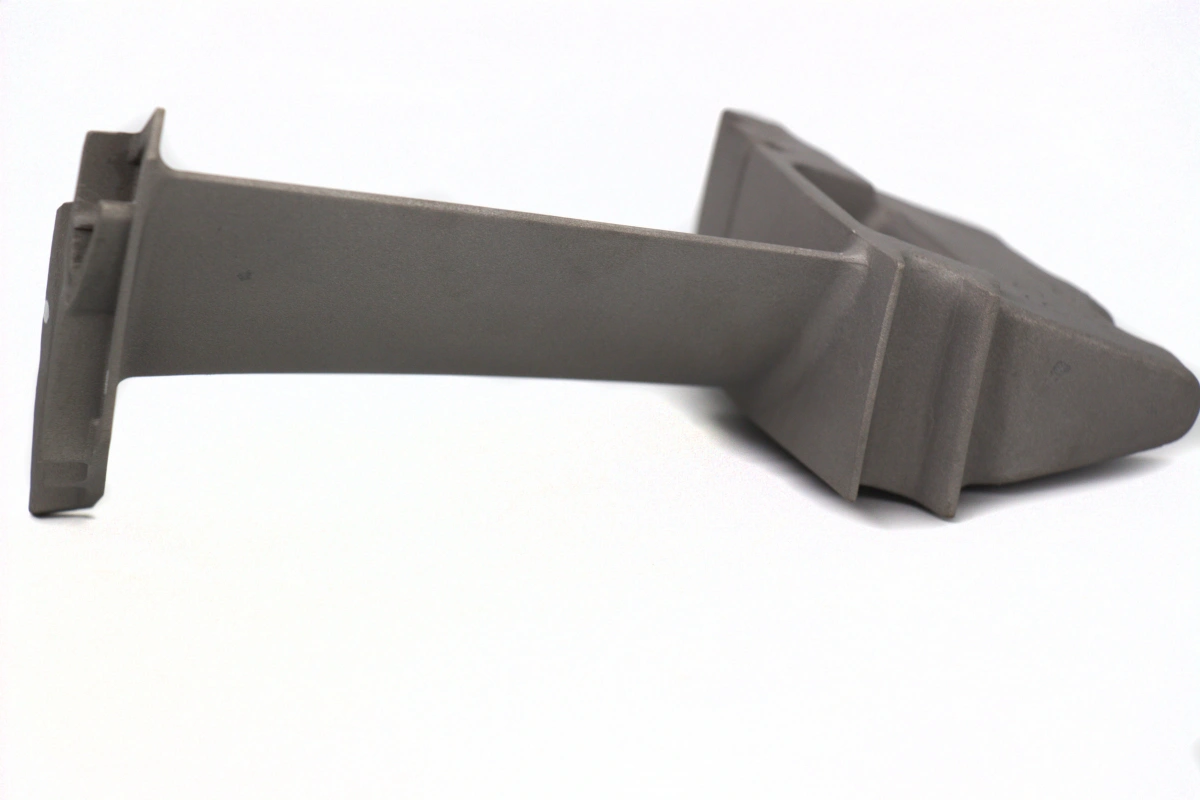
The Main Casting Routes for Industrial Gas Turbine Parts
Vacuum Investment Casting as the Foundation
Vacuum Investment Casting is the core precision casting process used for many high-temperature turbine parts. It supports complex geometry, good surface definition, and cleaner alloy processing under vacuum conditions. This is especially important for nickel-based and cobalt-based alloys because contamination and oxidation during melting can reduce performance.
For GE 7B, 7E, and 7EA parts, vacuum investment casting often serves as the manufacturing base regardless of whether the final grain structure is equiaxed, directional, or single crystal. It helps produce near-net-shape components that later move into Heat Treatment, Hot Isostatic Pressing (HIP), Superalloy CNC Machining, and inspection.
Equiaxed Casting Route
Equiaxed Crystal casting produces a polycrystalline grain structure with grains growing in multiple directions. It is usually the most economical and versatile route among the three main options. Equiaxed parts are widely used when good overall mechanical properties are needed but the service demand does not justify the added cost and process control of directional or single-crystal structures.
For many GE 7B, 7E, and 7EA components, equiaxed casting is the preferred route because it offers a good balance of cost, geometry capability, and high-temperature performance.
Directional Casting Route
Directional Casting aligns the grain structure in a preferred direction, usually along the main load path. This reduces transverse grain boundaries and improves creep resistance and high-temperature fatigue performance compared with equiaxed material.
Directional casting is often the right choice when the component sees more severe sustained loading at elevated temperature and benefits from better life in a defined stress direction. It occupies the middle ground between equiaxed practicality and single-crystal premium performance.
Single Crystal Casting Route
Single Crystal Casting eliminates grain boundaries almost entirely by producing the part as a single crystallographic structure. This route offers the highest creep strength and high-temperature fatigue resistance where the application truly needs it. However, it also introduces the highest cost, the strictest defect control requirements, and more complicated production management.
For GE 7B, 7E, and 7EA parts, single crystal is usually a selective solution rather than the default option. It should be chosen only where the operating conditions clearly justify the extra complexity.
When Equiaxed Casting Is the Right Choice
Equiaxed casting is often the best route for parts that face moderate-to-high temperature exposure but do not rely primarily on extreme creep performance. This can include many stationary hot-section parts, combustion-adjacent hardware, selected vanes, nozzle rings, support structures, and general replacement components in GE 7B, 7E, and 7EA service.
It is especially attractive when the component has complex geometry, cost sensitivity is important, and repair or replacement flexibility matters. In aftermarket manufacturing, equiaxed casting is frequently the most practical route because it supports good performance without the long lead time and tighter process risk associated with more advanced structures.
Material families commonly associated with this route include Inconel alloy, Nimonic alloy, Hastelloy alloy, Stellite alloy, and selected Rene Alloys, depending on the application.
When Directional Casting Is the Right Choice
Directional casting becomes the better option when the part operates at higher temperature under sustained loading and would benefit from improved creep resistance along a known stress path. This is often relevant for selected turbine blades, guide vanes, and high-duty hot gas path parts in GE 7E or 7EA configurations, especially where the part experiences longer exposure to elevated temperature and stronger mechanical demand than a typical equiaxed part.
Directional casting is also a good solution when equiaxed performance may be marginal, but the application still does not require or economically support a full single-crystal route. For many industrial gas turbine parts, this route provides the best balance between performance margin and manufacturing practicality.
When Single Crystal Casting Is the Right Choice
Single crystal casting should be considered when the part operates in the most thermally and mechanically demanding region and gains a clear benefit from eliminating grain boundaries. This usually applies to the highest-duty blade and vane positions where creep life and thermal fatigue resistance dominate the design requirement.
For GE 7B, 7E, and 7EA fleets, however, not every part benefits enough from single crystal to justify the cost. In many industrial power applications, the required balance of availability, cost, repair logic, and operating temperature may make directional or equiaxed routes more appropriate. Single crystal is therefore best treated as a targeted solution for premium hot-section parts, not as an automatic upgrade for all components.
Where it is appropriate, advanced material families such as CMSX Series, Single Crystal Alloy, and selected Rene N5 or Rene N6 routes may be relevant depending on the part design and duty.
How to Match the Casting Route to the Part
Consider Operating Temperature First
The higher the sustained metal temperature, the more likely the part will benefit from directional or single-crystal grain structure. Lower-duty parts or parts with intermittent thermal exposure often remain well suited to equiaxed casting.
Evaluate the Main Stress Mode
If the part sees strong loading in one main direction, directional casting may create a useful performance gain. If the stress state is less extreme or more distributed, equiaxed casting may be sufficient. Single crystal becomes most valuable when the component sees extreme creep demand and directional grain boundaries themselves become a limiting factor.
Check Part Geometry and Manufacturability
Complex shapes, thin walls, internal passages, and tight external contours all affect route selection. Some parts are easier to make repeatably in equiaxed form, while more advanced grain structures demand tighter solidification control and defect prevention.
Include Cost and Lead Time in the Decision
For many GE 7B, 7E, and 7EA parts, especially in aftermarket supply, speed and cost are major concerns. If equiaxed or directional casting can meet the actual life target, moving to single crystal may not improve the real business case.
Consider Repair Strategy Early
If the part is likely to be repaired through Superalloy Welding, dimensional restoration, and recoating, the casting route should be chosen with lifecycle support in mind. Some structures integrate more naturally into repair programs than others.
The Role of Post-Processing in Route Selection
Casting route selection is only one part of the final performance equation. After casting, most GE 7B, 7E, and 7EA parts require downstream processing to achieve service readiness. Heat Treatment stabilizes microstructure and reduces casting stress. HIP can improve density and internal soundness in critical castings. CNC Machining generates final datums, sealing areas, and interfaces. TBC may be required to reduce metal temperature and extend service life.
These post-processes can significantly improve the performance of equiaxed or directional parts, which means the most advanced grain structure is not always necessary to achieve a successful component. A well-controlled overall route is often more important than choosing the most expensive casting structure by default.
Why Inspection Must Be Part of the Decision
Each casting route comes with different defect risks and inspection needs. For this reason, Material Testing and Analysis should be part of the route decision from the beginning. Inspection may include dimensional verification, metallographic review, X-ray inspection, chemical verification, and other evaluations depending on the part type.
More advanced structures usually require tighter inspection standards because crystal defects, orientation problems, or internal discontinuities can affect performance more severely. For aftermarket turbine components, quality verification is what turns a technically possible route into a commercially reliable one.
Practical Recommendations for GE 7B, 7E, and 7EA Parts
For many general hot-section and combustion-adjacent parts, equiaxed casting is the most practical choice because it balances cost, geometry capability, and sufficient high-temperature performance. For more demanding blades, vanes, and other components under stronger sustained load, directional casting is often the better route. Single crystal should be reserved for premium-duty applications where its performance advantage directly improves service life enough to justify the added complexity.
In simple terms, the right route is not the most advanced one. It is the one that matches the real duty, supply requirement, and lifecycle strategy of the part.
Related High-Temperature Turbine Applications
The same casting-route logic used for GE 7B, 7E, and 7EA parts also applies across broader Power Generation and other severe-service industries such as Energy and Aerospace and Aviation. Similar decisions appear in gas turbine components, high-temperature alloy assemblies, exhaust system parts, and turbine engine parts.
Across all these applications, the most successful projects are the ones that align material structure, manufacturing route, post-processing, and inspection into a complete engineering plan.
Conclusion
To choose the right casting route for GE 7B, 7E, and 7EA parts, manufacturers must evaluate the true service demands of each component rather than applying the same route to every part. Equiaxed casting is often the best fit for balanced cost and performance. Directional casting is ideal when the part needs better high-temperature strength along a defined load path. Single crystal should be selected only where the service environment clearly requires its premium creep and fatigue resistance.
When supported by Vacuum Investment Casting, proper post-processing, and reliable inspection, each route can play a valuable role in GE 7B, 7E, and 7EA replacement and aftermarket part manufacturing. The best result comes from choosing the route that delivers the required life, manufacturability, and value at the same time.
FAQs
How does reverse engineering help when OEM data is incomplete or unavailable?
Which features usually require extra machining after investment casting?
How do foundries control dimensional repeatability on complex turbine components?
What usually causes delays in aftermarket gas turbine casting programs?