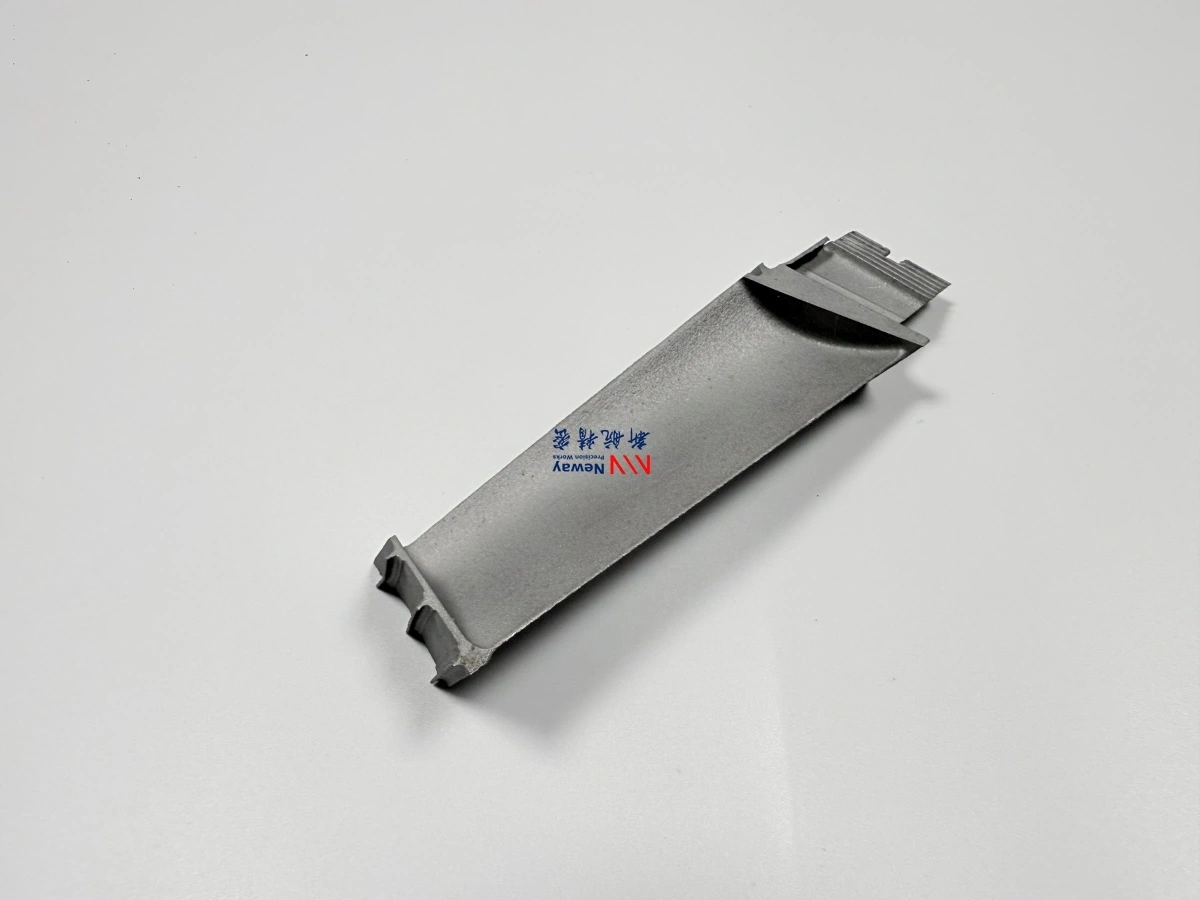
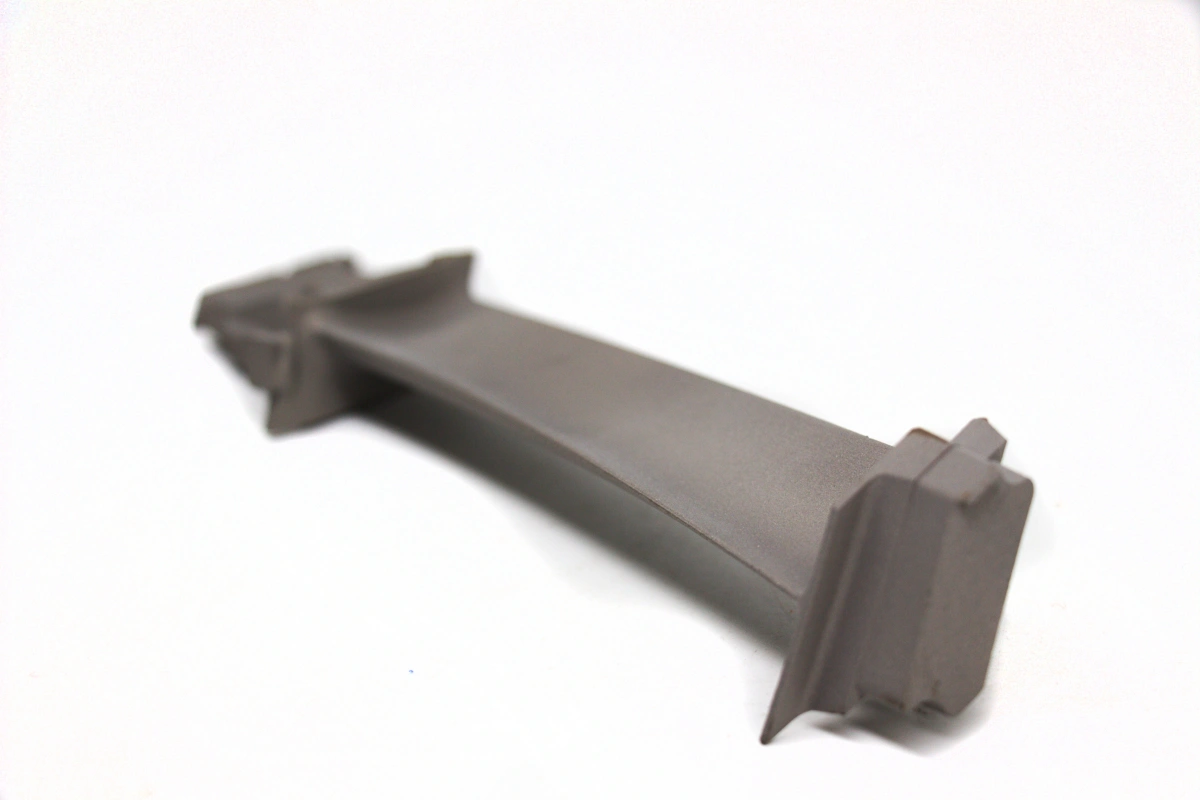
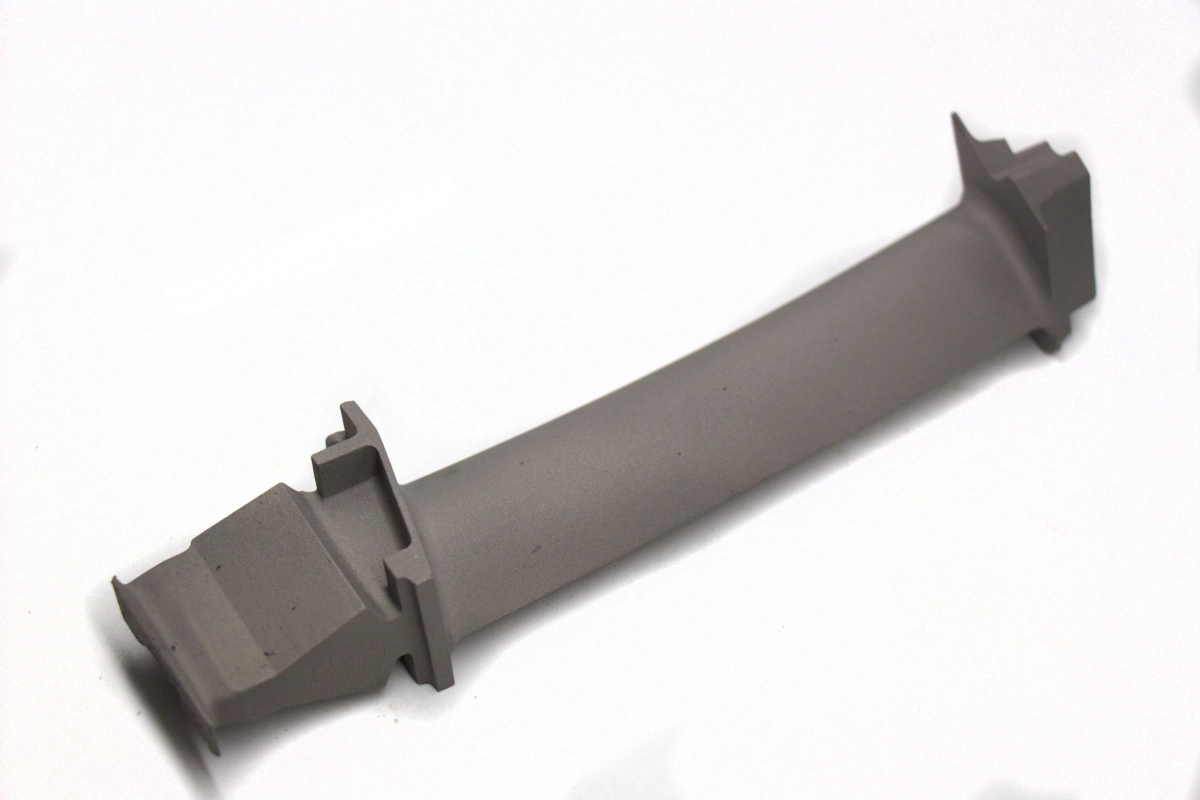
Which features usually require extra machining after investment casting?
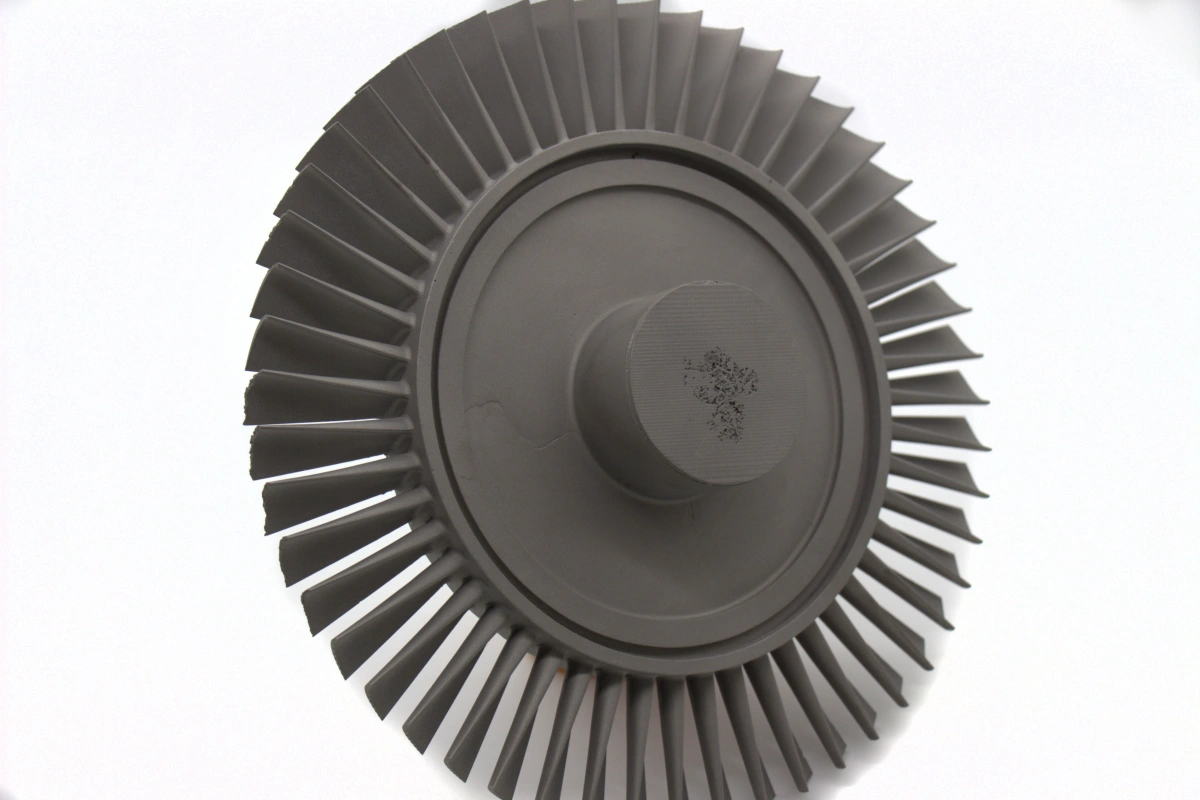
Which features usually require extra machining after investment casting?
The features that usually require extra machining after investment casting are sealing faces, bearing or locating bores, threaded features, precision holes, datum surfaces, tight-fit outer diameters, slot and groove details, and any interface that must meet stricter dimensional or surface-finish requirements than the as-cast process can reliably deliver. Even high-quality investment casting can produce complex near-net-shape components, but final machining is still commonly needed where tolerances tighten to about ±0.02 to ±0.10 mm, where surface finish must drop well below typical as-cast roughness, or where exact concentricity, flatness, and positional accuracy control assembly performance.
1. Why Post-Casting Machining Is Still Common
Investment casting is excellent for complex geometry, thin walls, internal contours, and material efficiency. In many superalloy or high-temperature alloy parts, it can reduce raw material waste by roughly 30% to 60% compared with billet machining. However, as-cast parts still experience normal variation from wax shrinkage, shell behavior, solidification, and local distortion during cooling. That is why manufacturers often keep machining stock on critical features and finish them later through precision machining.
2. Features Most Likely to Need Extra Machining
Feature Type | Why Machining Is Usually Required | Typical Technical Need |
|---|---|---|
Sealing faces | As-cast flatness and roughness are often not good enough for leak-tight service | Flatness control and smoother contact finish |
Precision bores | Cast bores may drift in size, roundness, and position during solidification | Diameter, cylindricity, and coaxial accuracy |
Threaded holes | Threads usually need tapping, thread milling, or secondary cutting for reliable fit | Thread profile and assembly consistency |
Datum pads and mounting faces | Reference surfaces need tighter positional control than cast surfaces usually provide | Reliable setup and assembly alignment |
Close-fit ODs and IDs | Interfaces for housings, rings, and sleeves often need controlled fit classes | Roundness, straightness, and tolerance fit |
Slots, grooves, and shoulders | Sharp edge definition and depth accuracy are often limited in casting | Feature clarity and repeatable geometry |
Hole patterns | Multi-hole layouts often require better true position than as-cast capability | Assembly match and bolt-up accuracy |
Blade roots or locating interfaces | Load-bearing interfaces need tighter control and better surface condition | Stress distribution and fit reliability |
3. Sealing and Mating Surfaces Are Among the Most Common Machined Features
Any face that must seal gas, liquid, or pressure usually needs extra machining after casting. An as-cast surface may be acceptable for non-critical structure, but a sealing face often needs much better flatness and a smoother finish to prevent leakage. In practical terms, a cast surface with Ra around 3.2 to 12.5 μm may still need machining down toward about Ra 0.8 to 1.6 μm or better, depending on gasket type, metal-to-metal contact, and service pressure.
4. Bores, Holes, and Threads Are Often Machined for Accuracy
Cast holes can be useful for reducing stock removal, but critical holes are still commonly drilled, reamed, bored, or tapped afterward. This is especially true when the feature controls alignment, fastener engagement, bearing location, or flow-path registration. For higher-value assemblies, even when a hole is formed in the casting, the final diameter may still be machined to improve true position and concentricity.
Where the feature is long, narrow, or performance-sensitive, manufacturers may also use deep hole drilling or, for hard-to-access areas, EDM.
5. Datum Surfaces and Reference Features Usually Need Machining
Many cast parts include pads, flanges, or bosses that serve as manufacturing and inspection datums. These areas often require machining not because they carry load directly, but because every later tolerance depends on them. If the datum is inconsistent, all downstream measurements and mating features become less reliable. For that reason, manufacturers often machine these faces first and use them as the basis for later setups and final inspection.
6. Thin, Sharp, or Tightly Defined Details May Also Need Secondary Machining
Investment casting can create highly complex shapes, but there are still limits on edge sharpness, groove clarity, local stock consistency, and the repeatability of narrow feature transitions. Slots, snap-fit grooves, narrow shoulders, and tightly controlled reliefs often need machining after casting to sharpen the final geometry. This is common in turbine hardware, ring parts, and structural interfaces where a few tenths of a millimeter can affect fit or stress distribution.
7. Which Features Can Often Remain As-Cast?
Non-critical outer contours, large radiused transitions, weight-saving pockets, low-precision internal shapes, and general exterior surfaces often remain as-cast when they do not control sealing, fit, or positional accuracy. That is where the real value of near-net-shape casting appears: manufacturers machine only the features that truly affect assembly or service performance, while leaving the rest in the cast condition.
Usually Machined | Often Left As-Cast |
|---|---|
Bores, threads, datum faces, sealing faces, close-fit diameters, hole patterns | Outer contours, ribs, non-critical pockets, blended transitions, low-precision walls |
8. Quality and Service Requirements Drive the Decision
The decision is ultimately driven by function. If the feature affects pressure retention, rotating alignment, load transfer, or assembly repeatability, it is usually safer to machine it. In critical alloy parts, manufacturers also confirm the route through inspection and analysis so that the machined features are built on a sound casting substrate. Where density improvement matters before finishing, steps such as HIP may also be included ahead of final machining.
9. Summary
In summary, the features that usually require extra machining after investment casting are sealing faces, precision bores, threaded holes, datum surfaces, close-fit diameters, slot details, and critical interface geometry. These areas need tighter dimensional control, smoother finish, and better positional accuracy than the as-cast process alone can normally provide. For related process references, see post process, machining benefits, and casting precision.