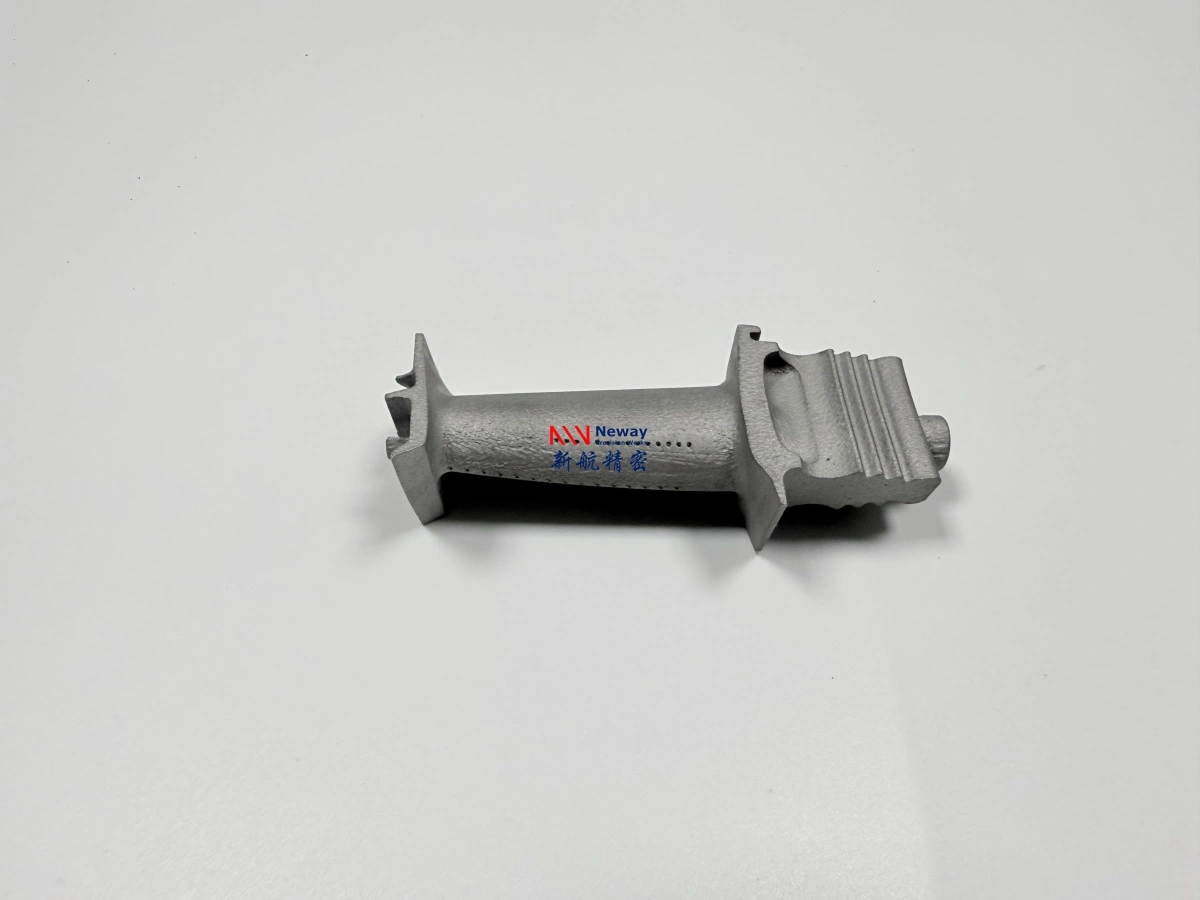
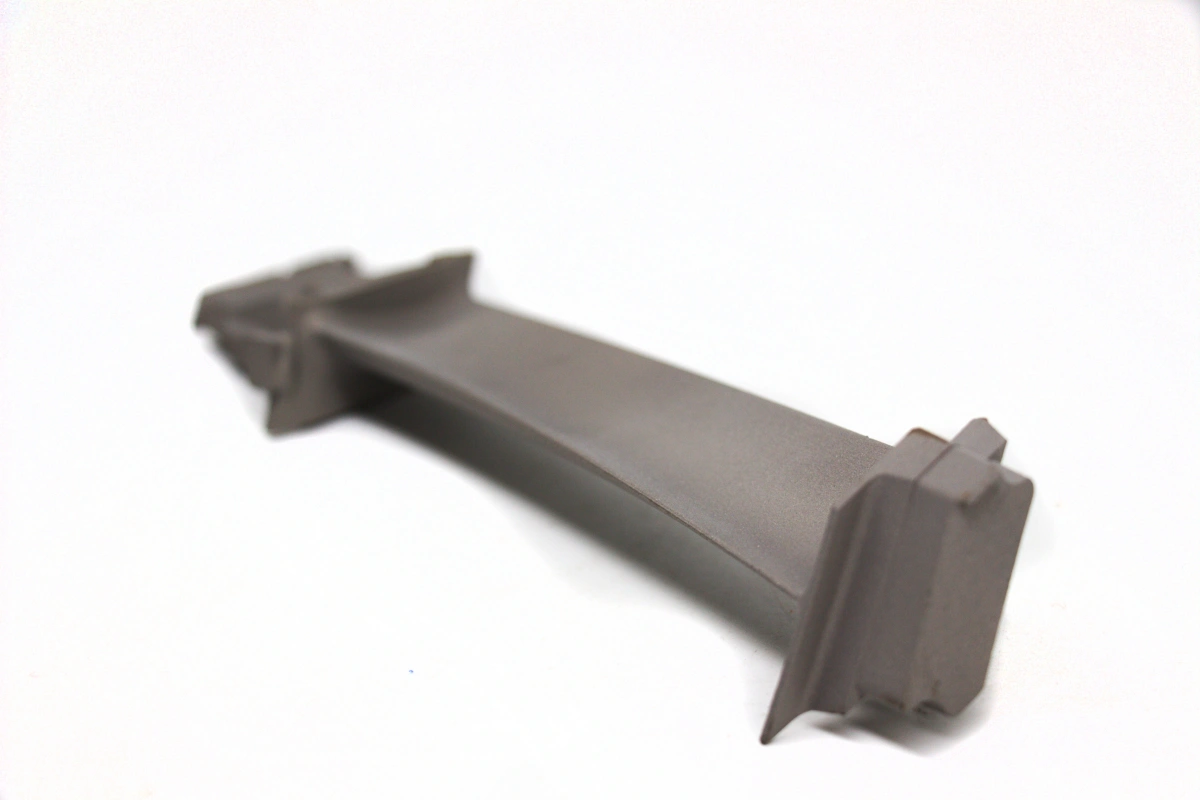
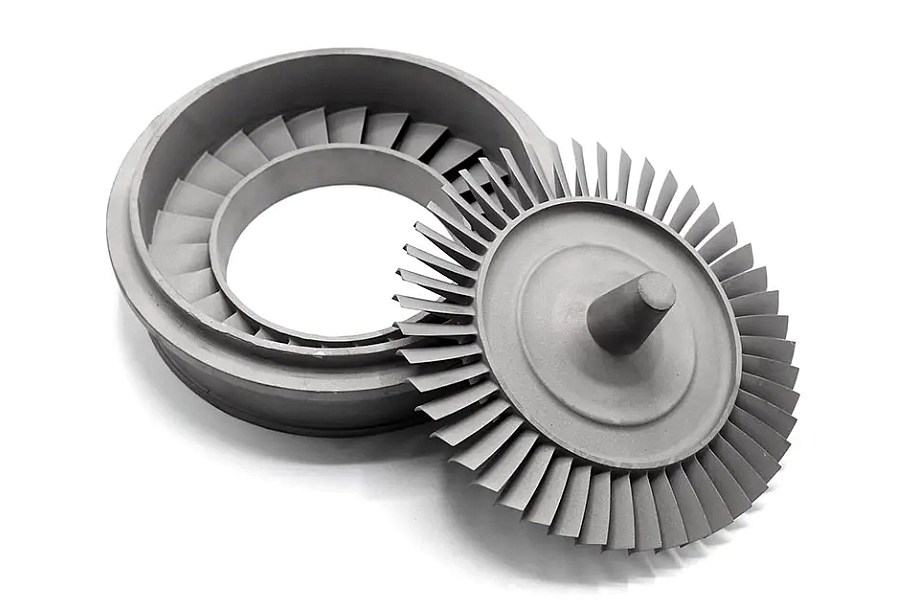
How Vacuum Investment Casting Supports 501F Hot Gas Path Components
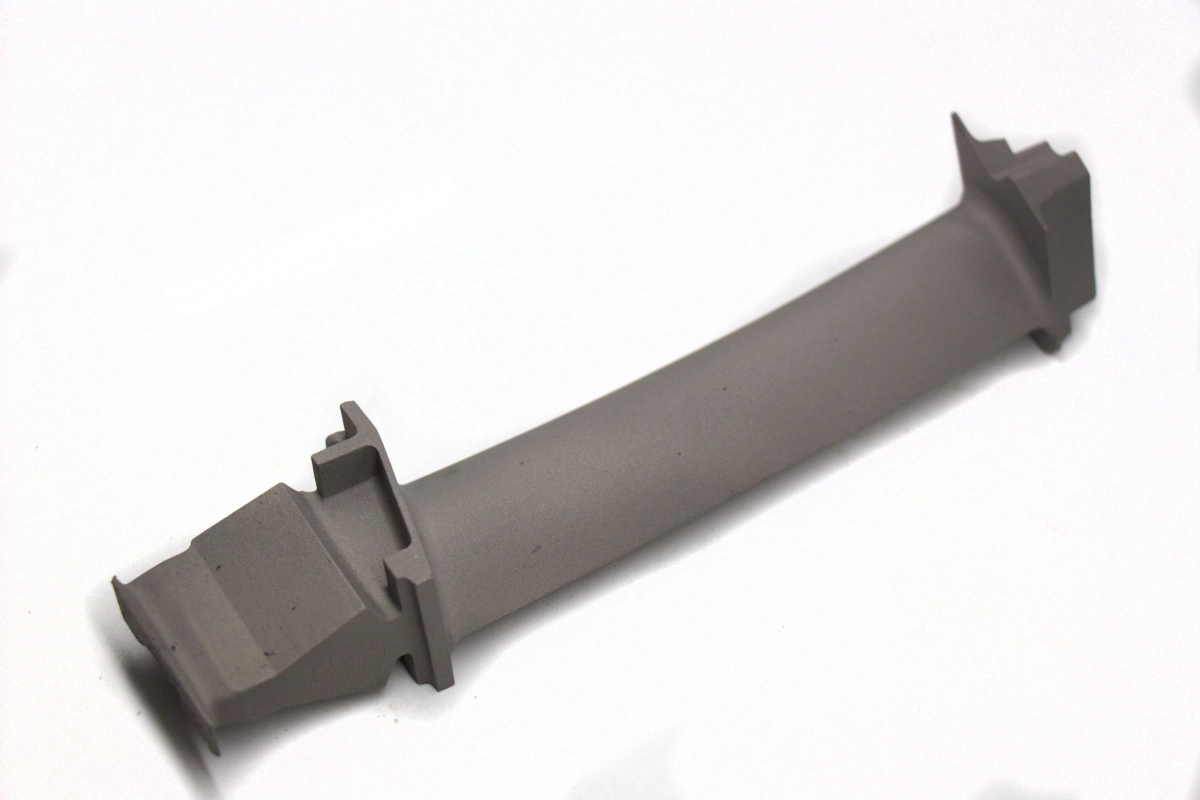
501F gas turbines operate in severe thermal environments where combustion baskets, transition pieces, and hot gas path components must resist oxidation, thermal fatigue, creep, and cyclic stress over long operating intervals. These parts are exposed to repeated startup-shutdown cycles, localized hot spots, flame interaction, and fast-changing pressure conditions. In practice, that means manufacturing quality has a direct effect on service life, maintenance frequency, and outage risk.
For these demanding applications, Vacuum Investment Casting is one of the most effective production routes because it supports high-temperature alloy integrity, complex geometry formation, and near-net-shape manufacturing. When integrated with Heat Treatment, Hot Isostatic Pressing (HIP), Superalloy CNC Machining, Superalloy Welding, and Thermal Barrier Coating (TBC), it becomes a strong foundation for both replacement parts and repair-oriented manufacturing strategies.
Why 501F Combustion and Hot-Section Parts Are So Demanding
Combustion baskets and transition pieces sit at the center of the turbine’s most aggressive operating zone. The basket must tolerate direct flame exposure, oxidation, and thermal cycling while maintaining its structural geometry and cooling effectiveness. The transition piece must guide extremely hot gas into the turbine section while enduring thermal gradients, vibration, and distortion risk. Hot gas path components downstream must preserve flow-path accuracy and mechanical reliability under prolonged exposure to elevated temperatures.
These requirements make conventional low-control manufacturing routes risky. High-temperature components need stable microstructure, repeatable wall thickness, reliable joining quality, and controlled post-processing. Any internal defect, alloy contamination, or excessive distortion can shorten service life significantly.
What Vacuum Investment Casting Contributes to 501F Parts
Vacuum investment casting is particularly valuable for 501F hardware because it helps produce complex parts in advanced heat-resistant alloys while limiting contamination during melting and pouring. The vacuum environment supports cleaner alloy handling, which is critical for nickel-based and cobalt-based materials designed for long-term high-temperature use.
For combustion and hot gas path applications, this process is often associated with material families such as Inconel alloy, Hastelloy alloy, Nimonic alloy, Rene Alloys, and other Casting Superalloys (High temperature alloys). These alloys are selected because they can retain strength and oxidation resistance under the thermal loads common in heavy-duty gas turbine service.
Key Benefits of Vacuum Investment Casting for 501F Components
1. Supports Complex Combustion and Gas-Path Geometries
501F combustion baskets and hot gas path parts often include curved walls, reinforcement areas, mounting interfaces, and gas-flow-sensitive surfaces that would be costly to generate entirely by machining from billet. Vacuum investment casting supports these geometries efficiently by creating parts close to final form before precision finishing begins.
This is especially useful for large transition structures, ring-type features, vane-related hardware, and hot-end sections where near-net-shape production helps reduce excessive stock removal and preserves alloy value.
2. Improves Alloy Cleanliness and Metallurgical Consistency
Combustion and hot-section hardware depends on alloy quality just as much as shape accuracy. Under vacuum conditions, the casting process helps reduce oxidation and contamination during critical stages of melting and pouring. That supports more stable chemistry and better microstructural control in high-temperature materials.
For components that must endure repeated thermal cycles and long exposure to aggressive combustion gases, this metallurgical consistency plays a major role in oxidation resistance, crack resistance, and long-term durability.
3. Reduces Material Waste in Expensive Superalloys
High-temperature alloys are expensive, and large-frame turbine parts can consume substantial raw material if manufactured from oversized wrought forms. Vacuum investment casting helps lower waste by bringing the part much closer to final geometry at the start of the process route. That improves material utilization and can reduce total production cost for complex replacement hardware.
This benefit is especially important in aftermarket turbine support, where batch sizes may be limited and cost control matters as much as performance.
4. Provides a Strong Base for Post-Processing
High-temperature castings are rarely ready for service immediately after solidification. Most 501F combustion and hot gas path components require a staged finishing route. Cast parts can proceed into Post Process operations that refine mechanical properties, improve internal soundness, generate final features, and prepare the surface for long-term exposure.
This makes vacuum investment casting valuable not only as a shaping method, but as the first step in a complete manufacturing chain built for demanding thermal service.
5. Supports Replacement and Repair Strategies
Not every 501F component must be produced or handled the same way. Some parts are most economical as new cast replacements, while others may enter repair routes involving weld restoration, local build-up, dimensional recovery, and recoating. Vacuum investment casting supports this broader ecosystem by supplying high-integrity replacement sections and complex new hardware that can fit into outage planning and refurbishment programs.
That flexibility is valuable for long-running fleets where operators need both reliability and practical maintenance economics.
How Vacuum Investment Casting Supports 501F Combustion Baskets
Combustion baskets must handle flame exposure, oxidation, and thermal cycling while maintaining shape stability and cooling performance. In many cases, they include thin-wall zones, structural transitions, attachment features, and surfaces that influence combustion behavior. Vacuum investment casting helps manufacture these geometries in heat-resistant alloys with better control than many traditional open-atmosphere routes.
After casting, the basket may require stress control, precision finishing, hole generation, localized joining, and protective surface treatment. That is why casting works best when linked to machining, inspection, and coating rather than treated as a standalone process.
How Vacuum Investment Casting Supports 501F Transition Pieces
Transition pieces operate under some of the most severe combined loads in the combustion system. They must transfer hot gas from the basket to the turbine section while resisting distortion, thermal fatigue, and oxidation. Their geometry is also critical to downstream flow distribution and component life.
Vacuum investment casting supports selected transition-related hardware and structural sections by providing high-temperature alloy shapes with controlled wall geometry and sound metallurgical quality. Where fabrication or restoration is involved, casting can also serve as the base for later joining, shaping, and surface engineering steps.
How Vacuum Investment Casting Supports 501F Hot Gas Path Components
Hot gas path parts demand strong oxidation resistance, reliable dimensional stability, and sound internal quality because they are directly exposed to high-velocity, high-temperature gas flow. Components in this area may include rings, nozzles, shrouds, support structures, and other thermally loaded alloy parts. These often contain contour-sensitive surfaces and attachment features that benefit from precision casting.
For some parts, alternative routes such as Single Crystal Casting, Equiaxed Crystal casting, or Superalloy Directional Casting may be more appropriate depending on the stress mode and service temperature. Even so, vacuum investment casting remains highly relevant for many combustion and hot gas path structures where part complexity, manufacturability, and repair logic are key factors.
The Full Manufacturing Route After Casting
For 501F combustion and hot gas path parts, casting is usually only the starting point. After solidification, the part commonly enters a sequence of thermal, mechanical, and inspection steps designed to make it service-ready.
Heat treatment helps stabilize microstructure and reduce casting or welding stresses. HIP can improve density and reduce internal porosity in critical cast regions. Precision machining produces final interfaces, datums, flange zones, and flow-sensitive surfaces. For difficult slots or hard-to-access features, EDM may be used. Where cooling holes or deep internal features are required, deep hole drilling becomes important.
Why Repair Readiness Matters in 501F Service
In heavy-duty gas turbine service, not every outage allows for complete replacement of all combustion and hot gas path hardware. Repair readiness is therefore a practical advantage. A vacuum-cast part that has good alloy quality, stable geometry, and sufficient remaining wall condition may be a better candidate for restoration through controlled weld build-up, stress relief, finish machining, and recoating.
This is one reason integrated process control matters so much. A manufacturing route that already considers joining, machining, and coating compatibility makes later repair work more predictable and more economical.
Inspection and Quality Control for 501F Cast Components
Because 501F combustion baskets, transition pieces, and hot gas path components operate in such severe environments, inspection must be built into the process rather than left until the end. Alloy verification, dimensional confirmation, surface review, internal defect detection, and microstructure analysis all play an important role in quality assurance.
Material Testing and Analysis supports this process through methods such as dimensional inspection, metallographic examination, chemical verification, and non-destructive evaluation. For critical parts, reliable inspection is what turns a cast shape into a qualified turbine component.
Related High-Temperature Applications
The same manufacturing logic used for 501F combustion and hot gas path hardware also applies across broader Power Generation applications and other extreme-environment industries such as Energy and Aerospace and Aviation. Comparable manufacturing challenges appear in gas turbine components, high-temperature alloy assemblies, exhaust system modules, and engine components.
These examples show why process integration matters. The part may change, but the manufacturing priorities remain similar: alloy purity, geometry control, post-processing compatibility, and dependable inspection.
Conclusion
Vacuum investment casting supports 501F combustion baskets, transition pieces, and hot gas path components by combining cleaner alloy processing with complex geometry capability and better material efficiency. For turbine parts exposed to flame, oxidation, and cyclic thermal loading, it provides a practical manufacturing foundation for high-temperature reliability.
When combined with heat treatment, HIP, machining, welding, coating, and inspection, vacuum investment casting becomes more than a casting process. It becomes part of a complete engineering route for producing and restoring critical turbine hardware used in demanding combustion and hot-section service.
FAQs
Which 501F components are the best candidates for vacuum investment casting?
Why are transition pieces and combustor baskets difficult to manufacture for F-class turbines?
How do porosity control and metallurgical quality affect 501F hot-section part life?
Which superalloys are commonly selected for 501F combustion and turbine castings?
What failure risks should manufacturers evaluate before producing 501F replacement castings?