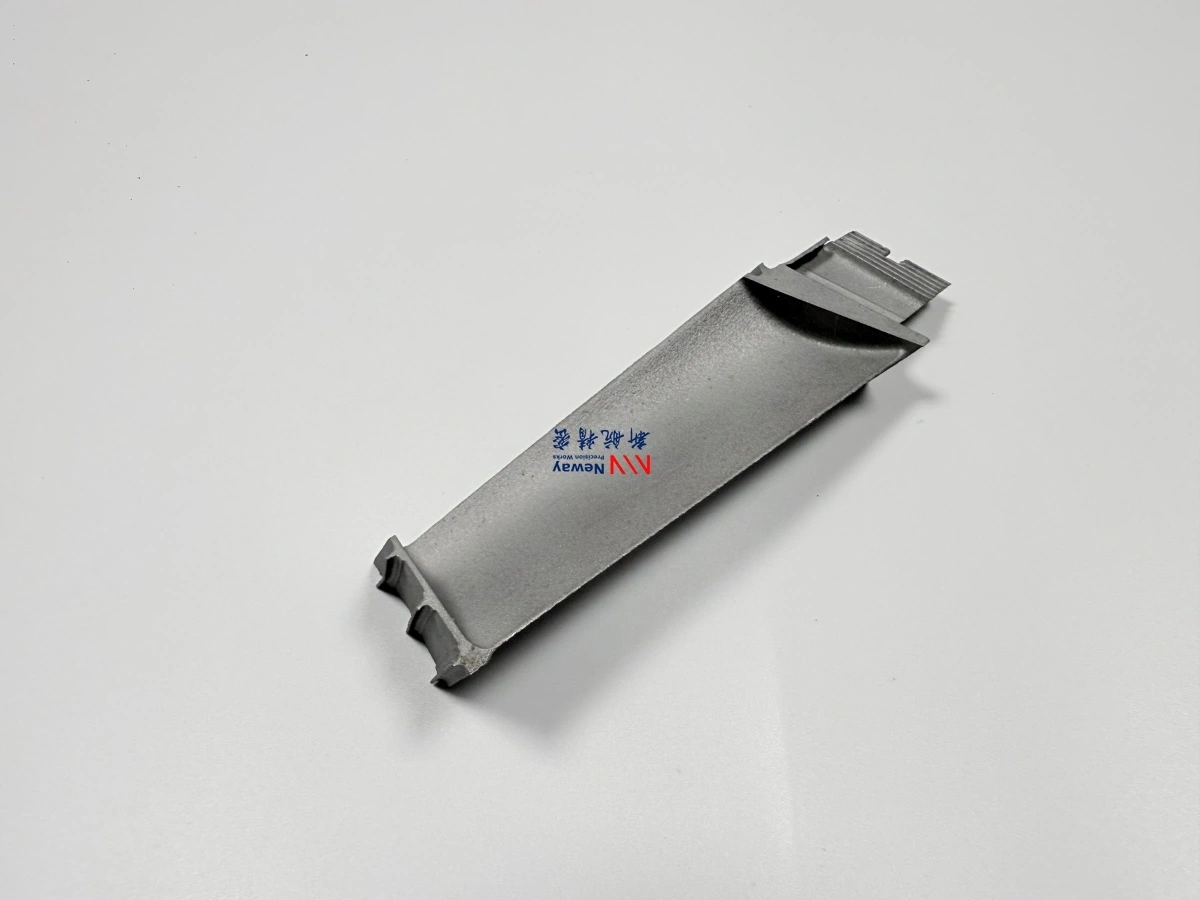
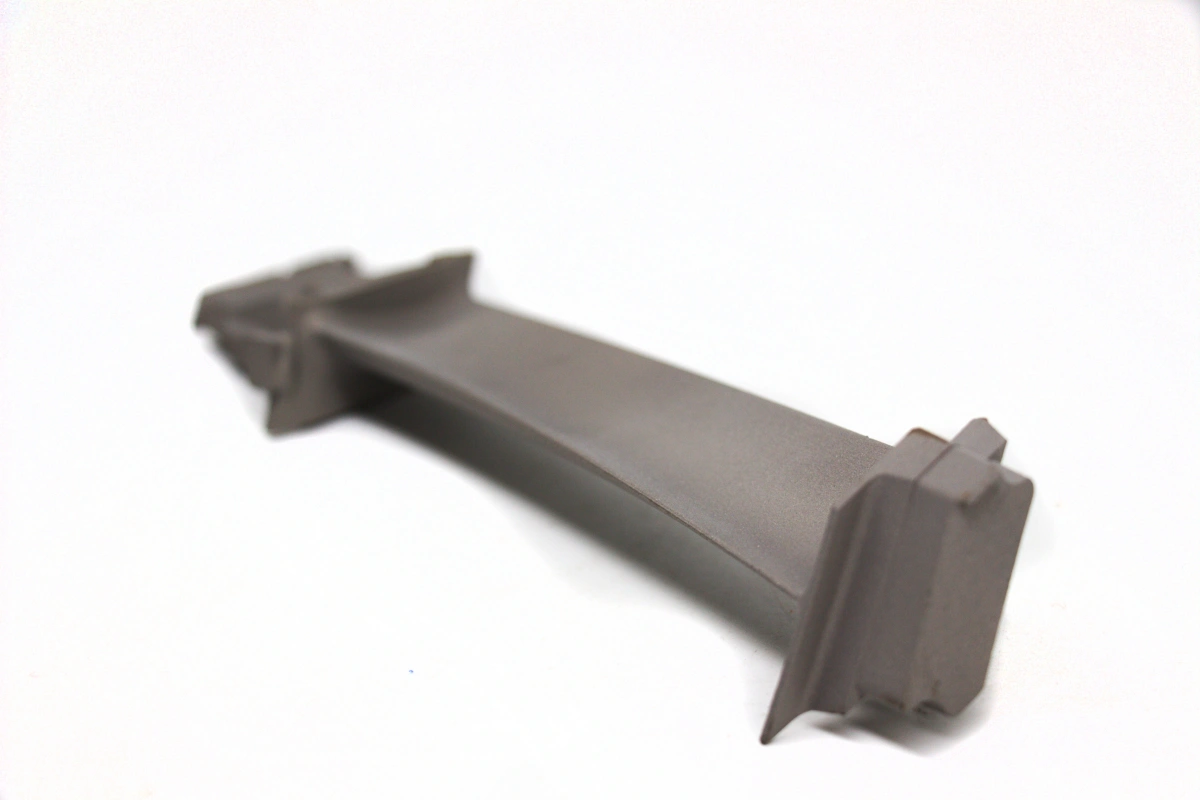
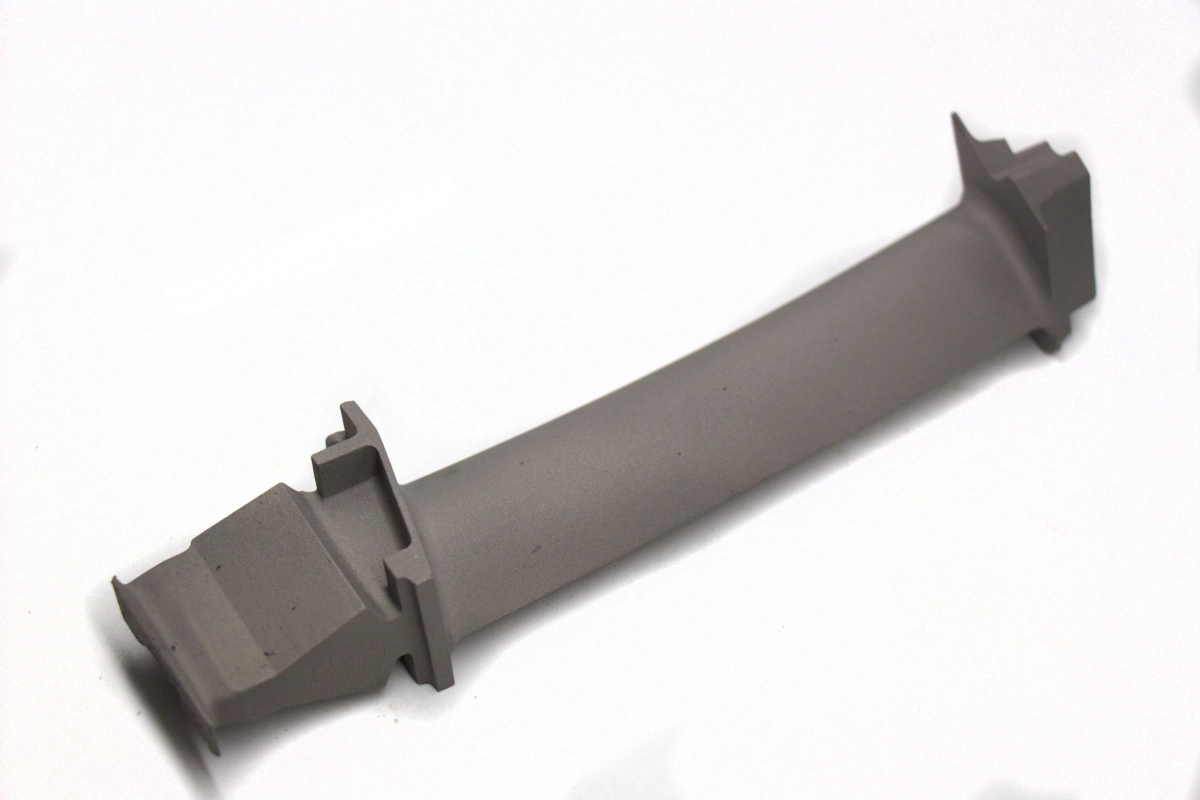
Which superalloys are commonly selected for 501F combustion and turbine castings?
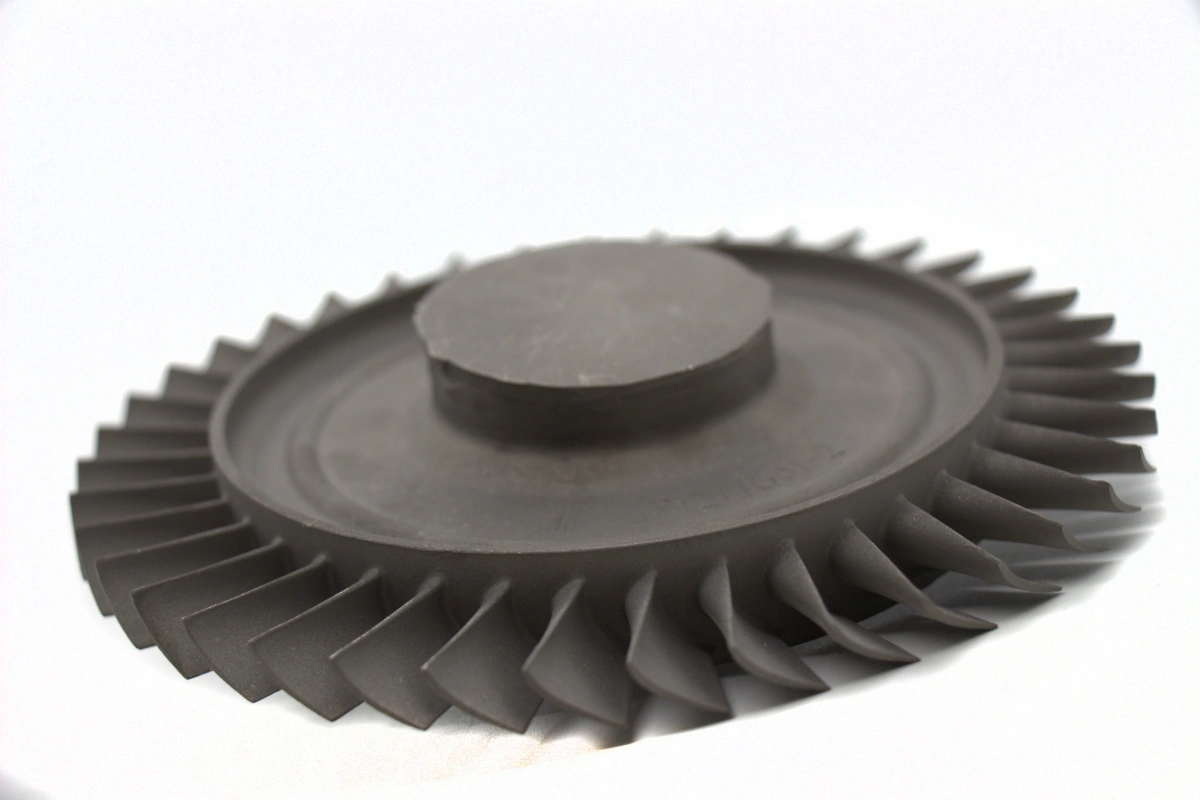
Which superalloys are commonly selected for 501F combustion and turbine castings?
The superalloys most commonly selected for 501F combustion and turbine castings are nickel-based high-temperature alloys chosen according to local metal temperature, creep load, oxidation exposure, thermal fatigue severity, and repair strategy. In practice, the most relevant families include Inconel alloys, Nimonic alloys, Rene alloys, and, for the highest-performance airfoil applications, advanced single-crystal grades from the CMSX Series. These materials are widely used because 501F hot-section hardware often operates with metal temperatures around 850–1,050°C, while local gas-path conditions can be even more severe.
1. Main Superalloy Families Used in 501F Castings
Alloy Family | Main Strength | Typical 501F Use Tendency | Why It Is Chosen |
|---|---|---|---|
Inconel | Balanced oxidation resistance and strength | Combustion hardware, vanes, rings, structural hot parts | Good combination of heat resistance, castability, and post-process compatibility |
Nimonic | Elevated-temperature strength and cyclic durability | Combustor parts, guide vanes, heat-resistant cast structures | Useful where thermal fatigue and oxidation both matter |
Rene | Higher creep capability in severe hot zones | Turbine blades, vanes, nozzle hardware | Better high-temperature strength for more demanding hot-gas-path service |
CMSX Series | Advanced single-crystal performance | Most severe blade applications | Very strong creep and thermal-fatigue resistance at extreme temperature |
2. Common Inconel Grades for 501F Combustion and Turbine Parts
Among commonly referenced cast alloys, Inconel 625, Inconel 718, Inconel 713, Inconel 713LC, Inconel 738, and Inconel 738LC are especially relevant to 501F-class castings.
Grade | Typical Strength Area | Best-Fit 501F Part Type |
|---|---|---|
Inconel 625 | Oxidation resistance and fabrication tolerance | Combustion structures, transition-related cast hardware, repaired hot parts |
Inconel 718 | High strength with good process flexibility | Nozzle-related parts, structural hot-section features, precision cast-machined parts |
Inconel 713 / 713LC | Established cast hot-section performance | Blades, vanes, heat-loaded turbine components |
Inconel 738 / 738LC | Higher hot strength and oxidation resistance | More severe turbine castings, nozzle segments, hotter vane sections |
In many 501F programs, 713-class and 738-class materials are especially important because they are well aligned with cast turbine hardware exposed to sustained heat, oxidation, and creep loading. The LC variants are also often considered where cleaner chemistry and better structural reliability are preferred.
3. Common Nimonic Grades Used in 501F Castings
For combustion and hot-section castings, Nimonic 75, Nimonic 80A, Nimonic 90, Nimonic 105, Nimonic 115, and Nimonic 263 are among the most relevant Nimonic options.
These grades are commonly considered when buyers need strong resistance to cyclic thermal loading, oxidation, and high-temperature mechanical degradation. Nimonic 263 is especially relevant for combustion-side hardware and welded hot structures because it offers a useful balance of elevated-temperature durability and processing practicality.
4. Common Rene Grades for Higher-Temperature 501F Turbine Castings
For more severe hot-gas-path service, commonly referenced Rene grades include Rene 41, Rene 77, Rene 80, Rene 95, Rene N5, and Rene N6.
Rene Grade | Typical 501F Role | Main Reason for Selection |
|---|---|---|
Rene 41 | High-temperature structural hot parts | Good elevated-temperature strength and oxidation capability |
Rene 77 / 80 | Turbine vanes and blade-related castings | Higher creep resistance in hotter turbine zones |
Rene 95 | Very demanding high-temperature duties | Strong high-temperature mechanical performance |
Rene N5 / N6 | Advanced airfoil applications | Single-crystal capability for extreme creep and fatigue demands |
5. CMSX Series for the Most Severe Cast Blade Requirements
When 501F blade applications move into the highest thermal and mechanical demand range, advanced single-crystal grades such as CMSX-2, CMSX-4, CMSX-6, CMSX-8, and CMSX-10 become highly relevant. These materials are selected not for general combustor hardware, but for the most demanding airfoil conditions where grain-boundary elimination can dramatically improve creep life and thermal-fatigue performance.
6. How Part Function Changes the Best Alloy Choice
501F Part Category | Most Common Alloy Direction | Main Selection Priority |
|---|---|---|
Combustion hardware | Inconel 625, Inconel 718, Nimonic 263, Nimonic 80A | Oxidation resistance, weldability, thermal-fatigue durability |
Nozzle rings and vane segments | Inconel 713LC, Inconel 738LC, Rene 41, Rene 80 | Hot strength, crack resistance, cast reliability |
Turbine blades | Inconel 738LC, Rene 80, Rene N5, CMSX grades | Creep life and thermal-fatigue resistance |
General hot-section castings | Inconel and Nimonic families | Balanced performance with practical casting and repair capability |
7. Casting Route and Post-Processing Still Matter
The alloy alone does not determine life. The manufacturing route also matters. Many 501F castings are produced through equiaxed crystal casting for general combustion and structural hot-section parts, while hotter airfoils may require directional casting or single-crystal routes. After casting, performance is typically strengthened through HIP, controlled thermal processing, finish machining, and surface protection. That is why high-temperature alloy selection should always be reviewed together with the process path rather than as an isolated material decision.
8. Summary
In summary, the superalloys most commonly selected for 501F combustion and turbine castings are Inconel, Nimonic, Rene, and CMSX-series grades. Combustion hardware usually favors alloys such as Inconel 625, Inconel 718, Nimonic 263, and Nimonic 80A because they balance oxidation resistance and processability. Hotter turbine castings more often move toward Inconel 713LC, Inconel 738LC, Rene 80, Rene N5, or CMSX-class materials where creep and thermal-fatigue resistance are more critical. For related applications, see power generation, gas turbine components, and cast component examples.