Superalloy Exhaust System Modules Manufacturing Hub
An exhaust system module RFQ should define the hot-gas path, attachment interfaces, and downstream assembly boundary before a buyer compares superalloy suppliers. Exhaust modules may include transition ducts, elbows, flanges, sensor bosses, heat shields, brackets, liners, support lugs, and small flow-control details. Some surfaces see direct hot gas and oxidation. Others only carry bolts, support adjacent hardware, or provide a seal face. Those functions should be separated before alloy and manufacturing route are selected.
NewayAeroTech supports custom exhaust system modules through vacuum investment casting, special alloy casting, machining, welding review, heat treatment, post-process work, and material testing. A useful RFQ states whether the supplier is quoting a casting blank, machined casting, welded subcomponent, prototype module, or finished part ready for the buyer's next assembly step.
Define the hot-gas path and module boundary
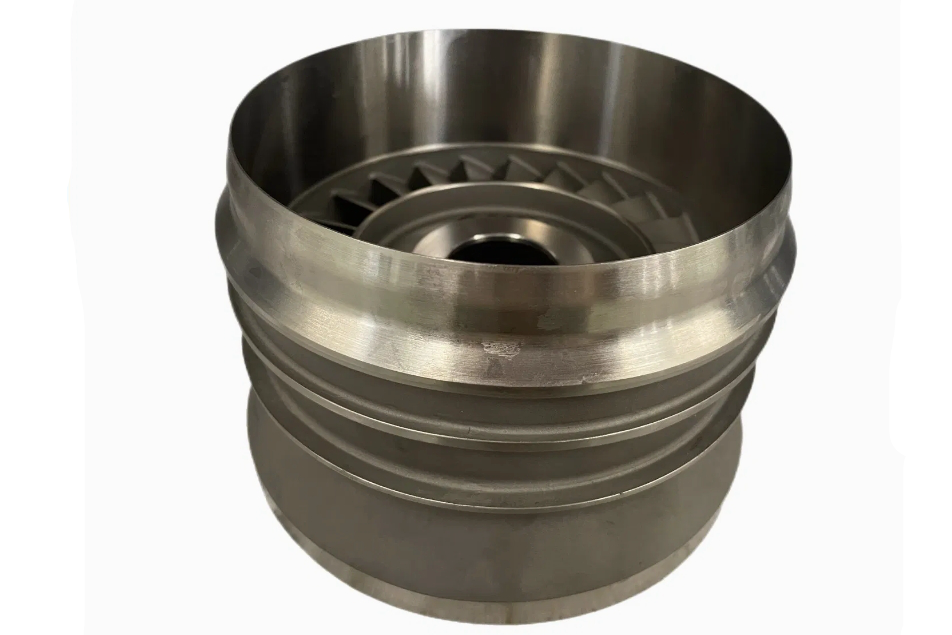
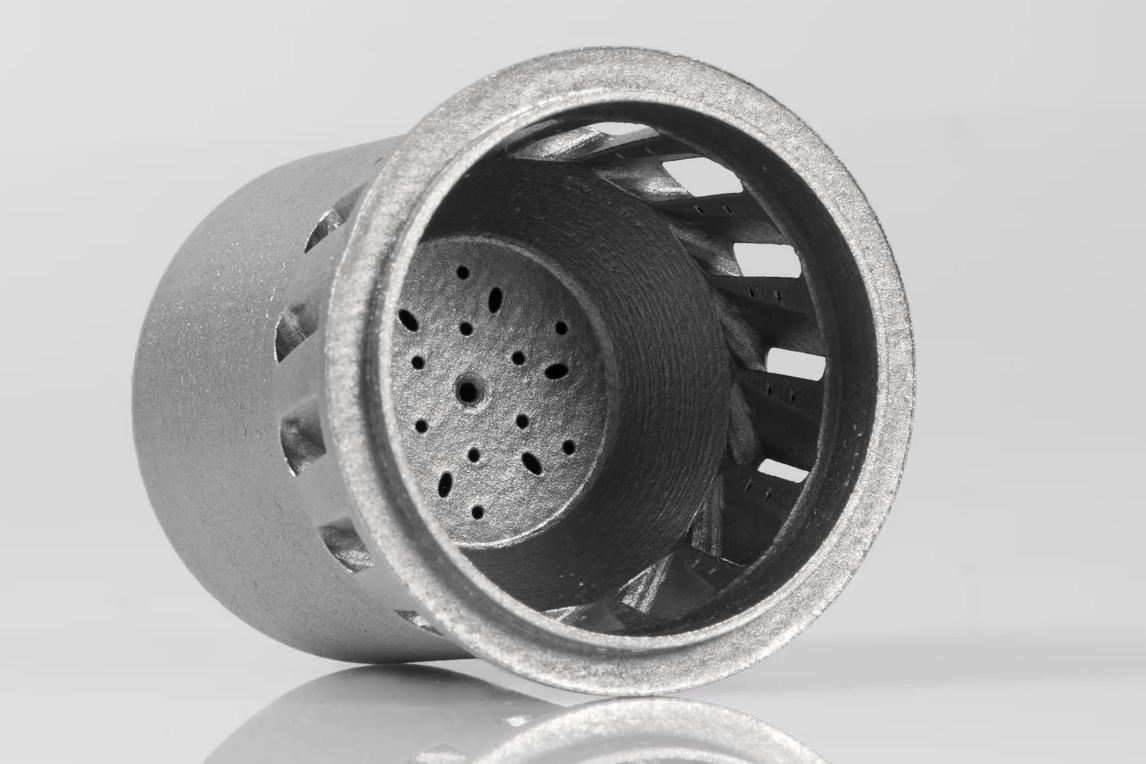
The first drawing review should show which surfaces face exhaust gas, which surfaces seal against another part, which features locate the module, and which features only provide clearance. A transition duct may need controlled wall thickness and smooth flow. A flange may need flatness, hole position, and surface finish. A sensor boss may need thread quality and orientation. A heat shield may need stable contour and oxidation-resistant surface condition. A support lug may need load path and crack-sensitive geometry review.
The buyer should provide temperature range, gas chemistry if known, thermal cycling condition, vibration exposure, and whether the module is part of an engine, turbine, test rig, or industrial exhaust package. A supplier cannot quote the same route for every exhaust module. A thin-walled duct, a heavy flange adapter, and a small heat shield all carry different manufacturing and inspection risks.
If the RFQ is based on a used sample, oxidation scale, warping, weld distortion, and assembly damage must be separated from original geometry. A used exhaust part may no longer show true flange flatness or wall shape. The supplier can use it for reference, but acceptance should be tied to drawings, agreed reverse-measurement notes, or first-article review.
Select alloy by oxidation, thermal cycle, and fit requirement
Superalloy exhaust modules are usually selected for heat resistance, oxidation behavior, thermal fatigue resistance, and dimensional stability. Inconel alloy casting may be reviewed for hot gas and strength requirements. Hastelloy alloy casting may be reviewed when corrosion or aggressive exhaust chemistry is a concern. Other high-temperature alloys may be considered when weight, weldability, or machining requirements drive the design.
The alloy should be chosen by module function. A duct wall may need oxidation and thermal-cycle behavior. A sensor boss may need machinability and thread stability. A flange may need flatness after heat and bolt-load resistance. A heat shield may need surface stability and controlled thickness. The supplier should be told which feature controls acceptance so it can align alloy, route, and inspection.
Material review should also include downstream operations. If a module will be welded into a larger assembly, superalloy welding requirements and post-weld treatment expectations should be discussed. If a surface will receive coating or special preparation, that surface should be identified before casting or machining stock is finalized.
Choose casting, machining, or fabrication route by geometry
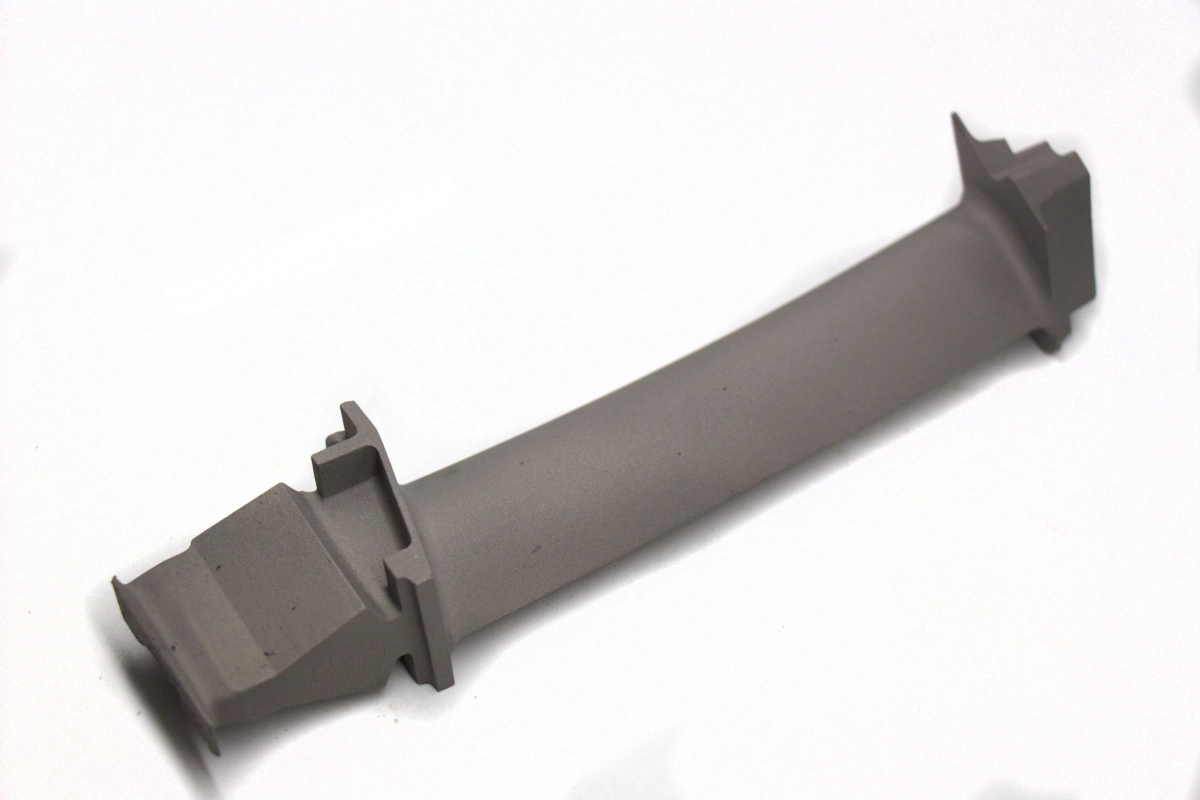
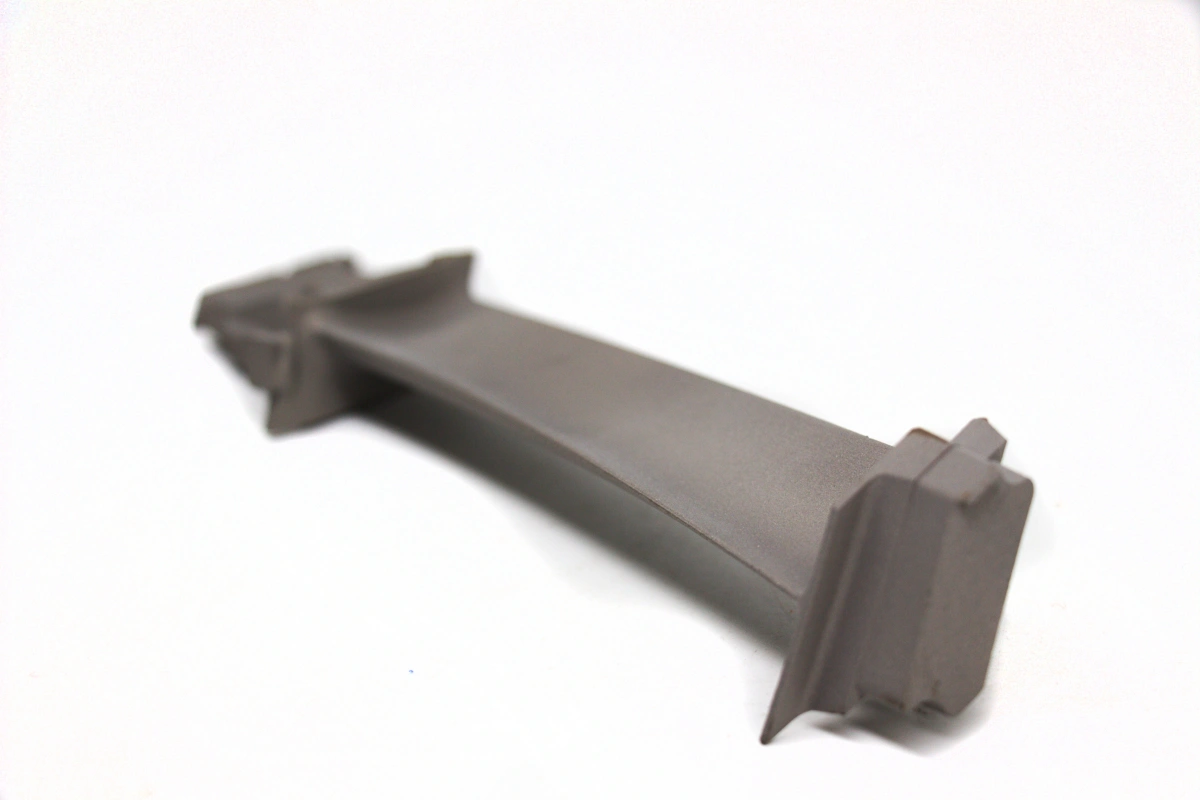
Vacuum investment casting can support curved elbows, integrated bosses, compact flanges, support lugs, and non-rectangular hot-gas shapes. A casting can reduce material waste and provide near-net geometry for complex transition pieces. It also requires tooling, gating, shrinkage review, wall-thickness control, shell removal, and first-article inspection. The quote should state whether the module is supplied as a casting blank or a finished machined part.
Machining controls final interfaces. Superalloy CNC machining may be required for flange faces, bolt patterns, grooves, sensor ports, threaded bosses, and locating pads. Thin walls can be distorted by aggressive machining or clamping, so fixture strategy should be reviewed early. If a hot-gas module contains holes or slots that are difficult to reach, EDM or staged machining may also need review.
Fabrication can be useful for sheet-like shields or assemblies where joining is central, while casting is often better for integral bosses and complex thickness transitions. Buyers can ask for route comparison when geometry and quantity are uncertain. The supplier response should explain how tooling, machining, weld preparation, and inspection change between the options.
Control wall thickness, flanges, and sensor ports separately
Exhaust system modules often combine thin hot-gas walls with heavy attachment features. Wall thickness, flange flatness, bolt-hole position, port threads, sensor boss orientation, and bracket faces should be reviewed as separate acceptance points. A duct can meet its outside shape and still fail if the flange cannot seal or if a sensor port is misaligned. The RFQ should mark these features before the supplier commits to route and stock allowance.
Machining allowance should be planned around final surfaces. Flanges and bosses may need extra stock after casting or heat treatment. Thin duct walls may need minimal machining and controlled handling. Sensor ports need clean threads and burr-free intersections. Mounting lugs may need surface cleanup without cutting into a load-sensitive transition. These tradeoffs are impossible to price accurately if the drawing does not identify functional surfaces.
For replacement modules, the buyer should note any existing distortion. Exhaust parts can bow, crack, or relax after repeated heating. A supplier can measure the sample, but the buyer should state whether the new part should match the original design or the current installed fit. That difference changes the first-article review.
Sequence heat treatment, coating readiness, and post-process work
Heat treatment should be coordinated with final machining because exhaust modules often have thin sections and asymmetric geometry. A rough casting may need heat treatment before finish machining on flanges and ports. A welded feature may need a separately defined post-weld process. The quote should show which features are inspected after final thermal processing.
Post-process work can include cleaning, surface preparation, coating readiness, deburring, and protection of machined faces. If thermal barrier coating is being considered, the buyer should identify coated surfaces, masked areas, and inspection needs. Coating should not be assumed for every exhaust module; it should be tied to thermal exposure and buyer requirements.
Internal cleanliness matters when exhaust modules include ports, bosses, or narrow passages. Shell residue, chips, abrasive media, or weld debris can interfere with assembly or testing. The RFQ should state whether visual inspection, borescope review, or specific cleaning evidence is needed.
Build inspection evidence around heat, fit, and flow
Material testing and analysis should support the module's actual risk. Cast exhaust parts may need material chemistry, visual inspection, dimensional reporting, penetrant inspection, radiographic review where agreed, hardness checks where required, and wall-thickness or surface review. Machined interfaces may need CMM data, flatness, surface finish, thread inspection, and edge-condition checks.
The buyer should separate component evidence from engine or system validation. NewayAeroTech can document material, route, dimensions, and agreed NDT for the supplied module. The buyer or assembler remains responsible for full exhaust-system validation unless a separate scope is defined. This boundary is especially important when modules are supplied as replacement parts for existing assemblies.
Inspection should follow function. A hot-gas wall needs surface and wall review. A flange needs flatness and hole position. A boss needs thread and orientation. A shield needs contour and mounting fit. Reports that identify these features are more useful than a generic quality statement.
Use first-article review to verify hot-shape and interface risk
A first article should prove the chosen exhaust-module route before repeat supply begins. For cast parts, the review should check wall distribution, flange stock, boss cleanup, surface condition, and whether critical features remain stable after heat treatment. For fabricated or welded features, the review should identify distortion, weld-prep fit, and final machining needs. For machined prototypes, the review should not be used as proof of a later casting route unless the casting route is also validated.
Buyers should ask for photos of functional areas, dimensional reports on flanges and ports, and notes on any route changes made after the first article. If the part is intended for small-batch replacement work, revision control and sample condition should be documented before ordering the next batch. Exhaust modules are unforgiving when a small interface shift creates assembly stress.
What to send for an exhaust system module RFQ
A strong RFQ includes drawings, models, sample photos if available, temperature, gas exposure, assembly boundary, material preference, wall-thickness targets, critical interfaces, quantity range, coating or surface requirements, and inspection expectations. For aerospace and aviation, power generation, marine, or energy applications, the real exhaust environment matters more than the industry label.
The supplier response should separate alloy review, casting or fabrication route, machining allowance, heat-treatment sequence, coating readiness, post-process cleaning, inspection evidence, and open questions. If the buyer needs a cast blank only, that should be stated. If the buyer needs a finished module ready for assembly, the quote should include machined interfaces and acceptance records.
NewayAeroTech's value is connecting superalloy manufacturing to hot-gas module geometry and buyer inspection needs. A clear RFQ gives both sides a route that can move from first article to small-batch supply without relying on generic exhaust-part assumptions.
Related FAQs
What are the main benefits of using superalloys in exhaust system modules?
How does 3D printing improve the manufacturing of superalloy exhaust system modules?
What are the typical industries that use superalloy exhaust system modules?
What is the role of heat treatment in post-processing superalloy exhaust system modules?
What are the key challenges in manufacturing superalloy exhaust system components?