What are the main benefits of using superalloys in exhaust system modules?
Superior Thermal and Oxidation Resistance
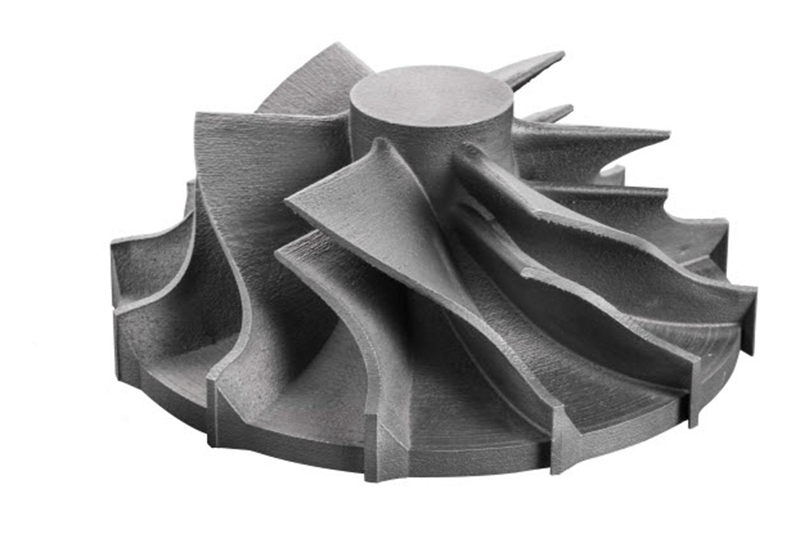
Superalloys are essential in modern exhaust system modules because they maintain exceptional strength and stability under continuous high-temperature exposure. Manufacturing processes, such as vacuum investment casting and superalloy equiaxed crystal casting, ensure precise microstructural control, resulting in outstanding resistance to oxidation and creep. These characteristics are particularly valuable for automotive and aerospace and aviation applications, where exhaust gases routinely exceed 900 °C.
Alloys such as Inconel 625 and Hastelloy X form stable oxide layers that prevent corrosion and preserve mechanical integrity. This allows engineers to design thinner wall sections without compromising durability, enabling lighter and more fuel-efficient systems.
Strength and Reliability Under Extreme Conditions
Components manufactured through superalloy precision forging and powder metallurgy turbine disc processes achieve enhanced grain refinement and fatigue resistance. These methods improve creep performance, vital for parts that experience prolonged exposure to cyclic loading.
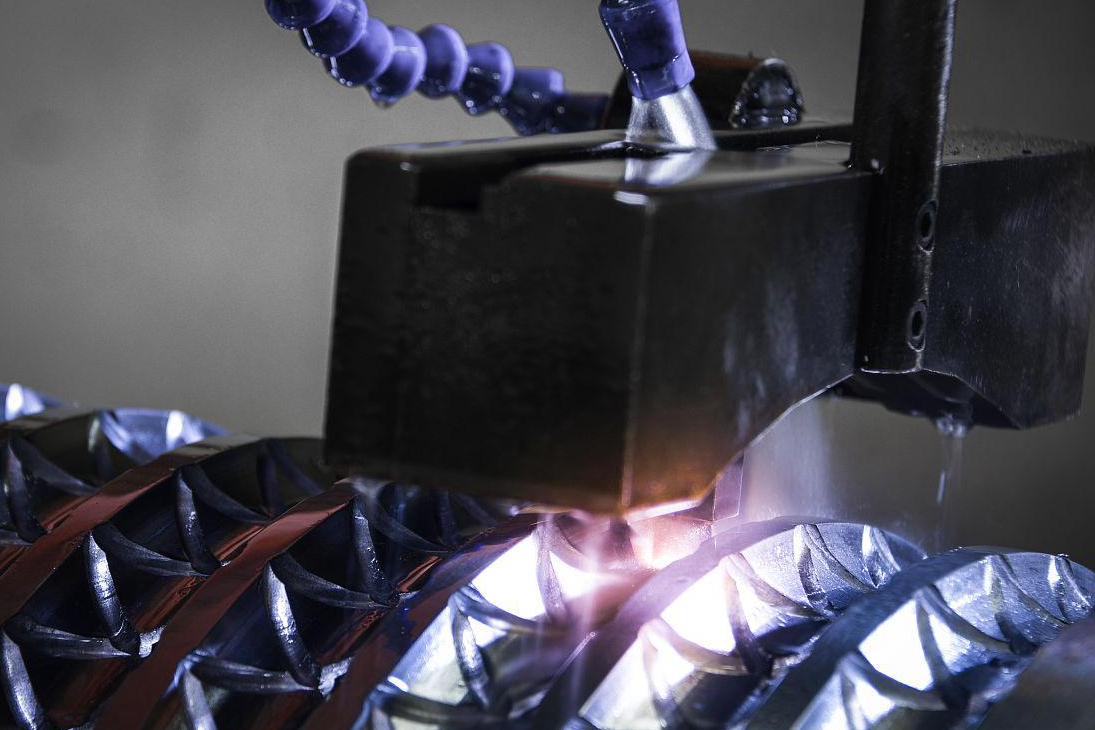
Post-processing steps such as hot isostatic pressing (HIP) and heat treatment further strengthen the microstructure by eliminating internal porosity and optimizing phase distribution. When combined with superalloy CNC machining, these techniques ensure precise tolerances, smooth internal flow paths, and reliable assembly interfaces.
Corrosion and Fatigue Resistance in Harsh Environments
Superalloys like Rene 80 and Nimonic 263 are particularly effective in exhaust systems operating under oxidative and corrosive atmospheres. Their high chromium, cobalt, and molybdenum contents enhance resistance to sulfuric and nitric compounds common in exhaust gases.
In automotive and power generation systems, these materials reduce thermal fatigue cracking and extend maintenance intervals, improving overall lifecycle performance. Their consistent mechanical strength across a wide temperature range ensures component stability even during rapid heating and cooling cycles.
Industrial and Environmental Advantages
In industries such as energy and marine, using high-performance alloys like Hastelloy C-22 or Stellite 6B minimizes downtime caused by corrosion-induced degradation. Their durability directly contributes to reduced emissions, better energy recovery, and improved long-term system reliability.