How does 3D printing improve the manufacturing of superalloy exhaust system modules?
Design Freedom and Lightweight Structures
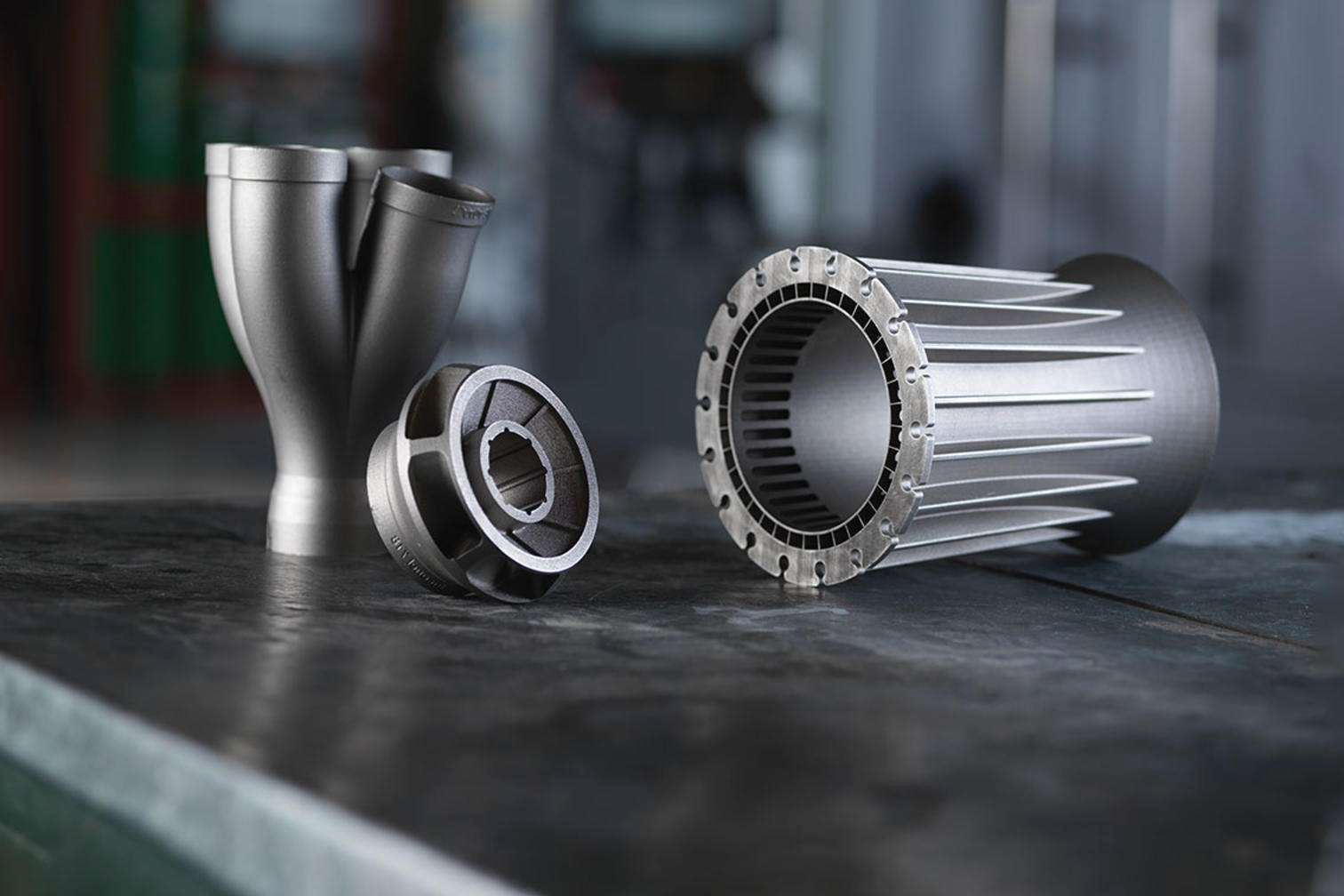
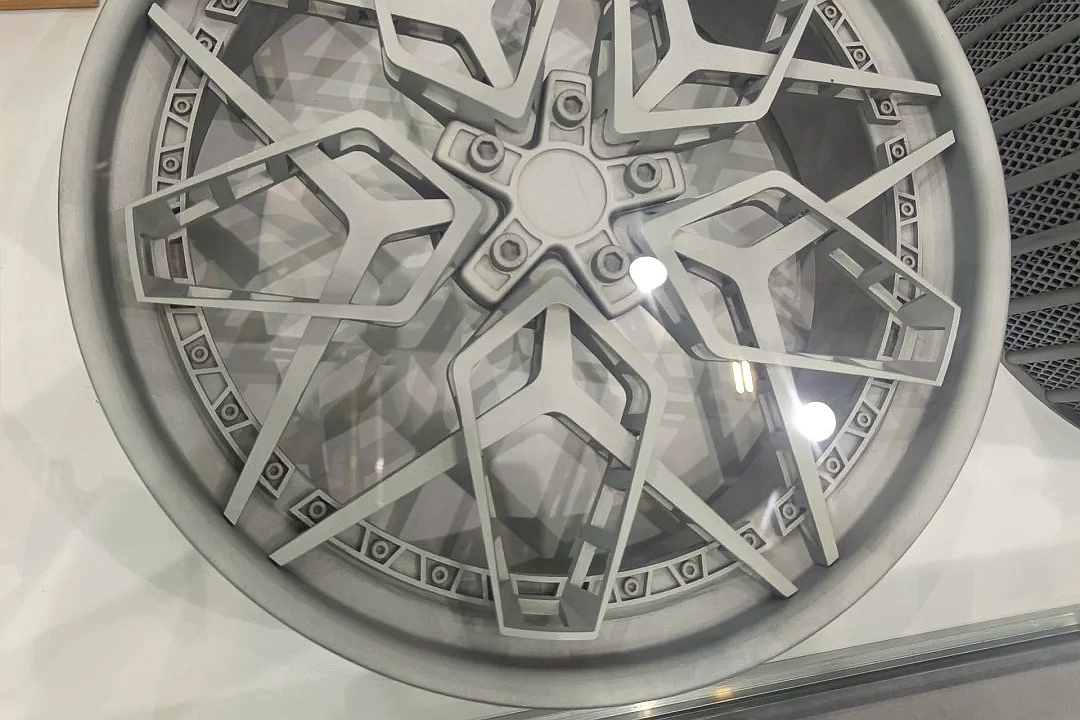
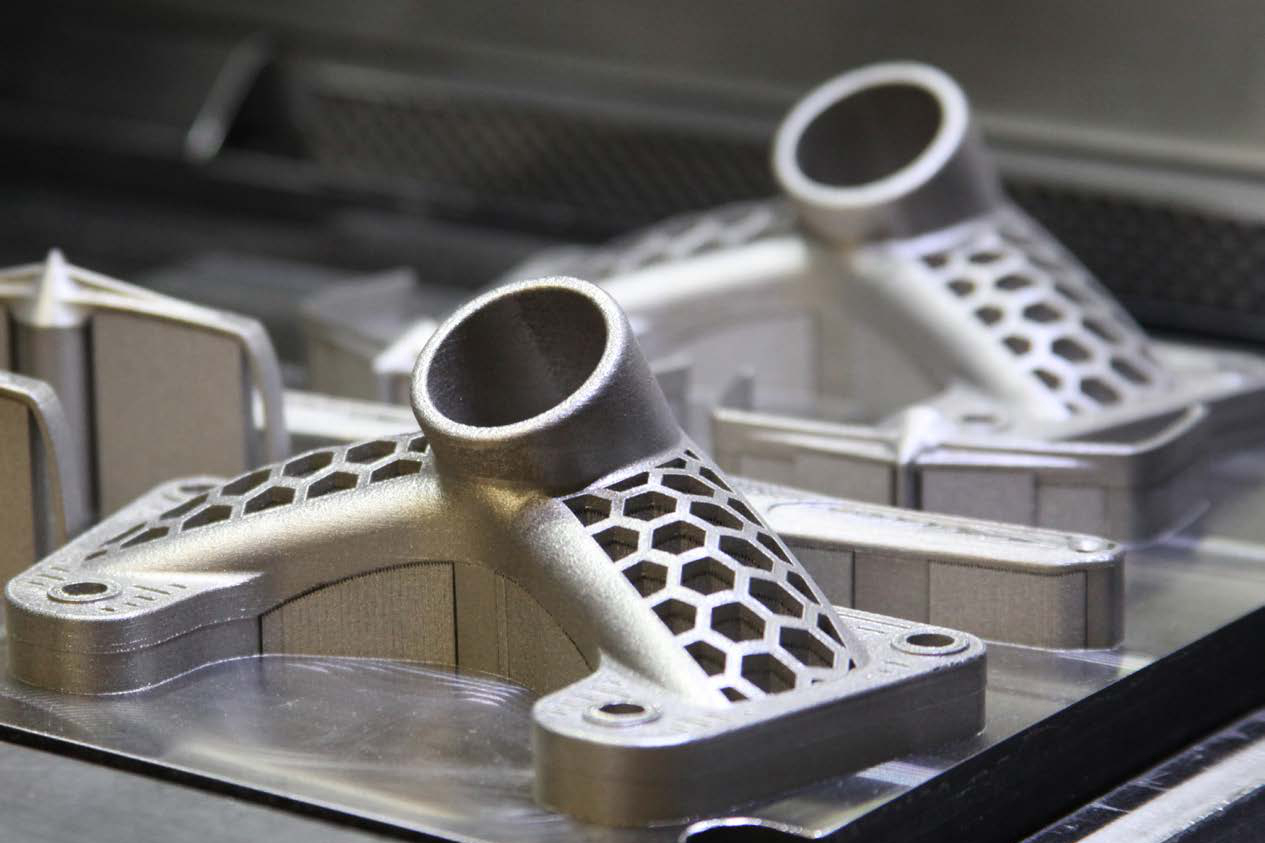
3D printing enables the fabrication of complex internal geometries that are impossible to achieve with conventional casting or machining. Using advanced superalloy 3D printing, engineers can create optimized flow channels, thin-wall structures, and lattice reinforcements within exhaust system modules. This significantly improves heat transfer, reduces back pressure, and lowers overall weight. For early-stage validation, rapid models can be produced through the general 3D printing service, drastically reducing prototyping time.
To explore lightweight alternatives, materials such as AlSi10Mg can be used for thermal simulation prototypes, while functional modules benefit from high-performance alloys like Inconel 718 or Hastelloy C-276. These alloys also support application-specific testing for fatigue, creep, and oxidation performance.
Faster Iteration and Testing Efficiency
Additive manufacturing accelerates the development cycle of exhaust system components by eliminating traditional tooling steps. This rapid turnaround is especially valuable for sectors such as automotive and aerospace and aviation, where component validation speed directly affects time-to-market. Dimensional accuracy and localized reinforcement are further enhanced through finishing processes like superalloy CNC machining and performance verification using material testing and analysis.
Post-processing treatments, such as hot isostatic pressing (HIP), can be applied to remove porosity and enhance fatigue resistance, while heat treatment further stabilizes the microstructure prior to assembly. With these integrated processes, prototypes can evolve into production-ready components without major redesigns.
Performance Enhancement Through Material Diversity
3D printing allows testing of multiple superalloys for application-specific environments. Alloys like Rene 65 and Nimonic 90 deliver exceptional temperature resistance and lightweight strength for exhaust manifolds and thermal shielding modules. For corrosive or high-pressure environments typical of oil and gas and power generation industries, alloys such as Stellite 6B offer outstanding abrasion and chemical resistance.
By combining additive manufacturing with strategic alloy selection and precise finish machining, the lifecycle of exhaust system modules can be significantly extended while reducing overall weight, cost, and fuel consumption.