What are the typical industries that use superalloy exhaust system modules?
High-Temperature and High-Pressure Industry Requirements
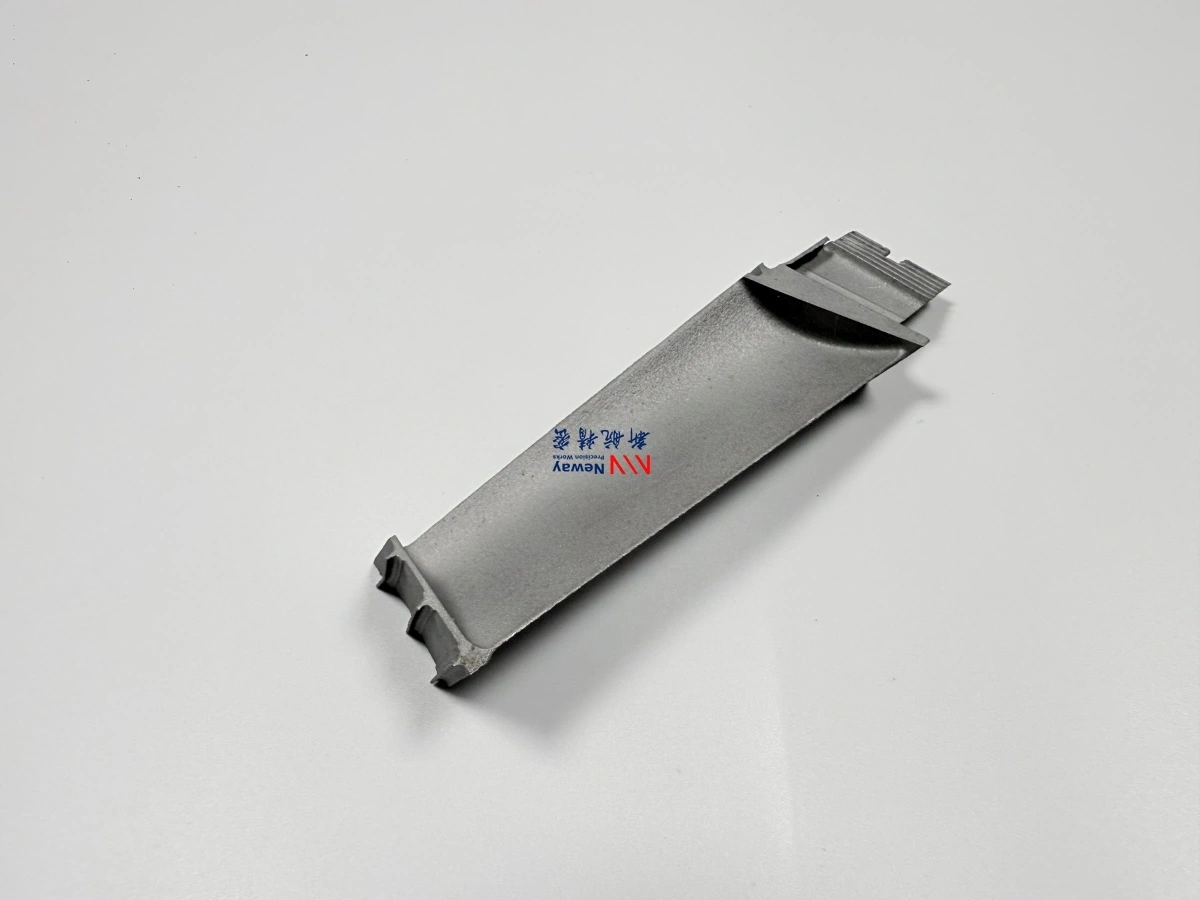
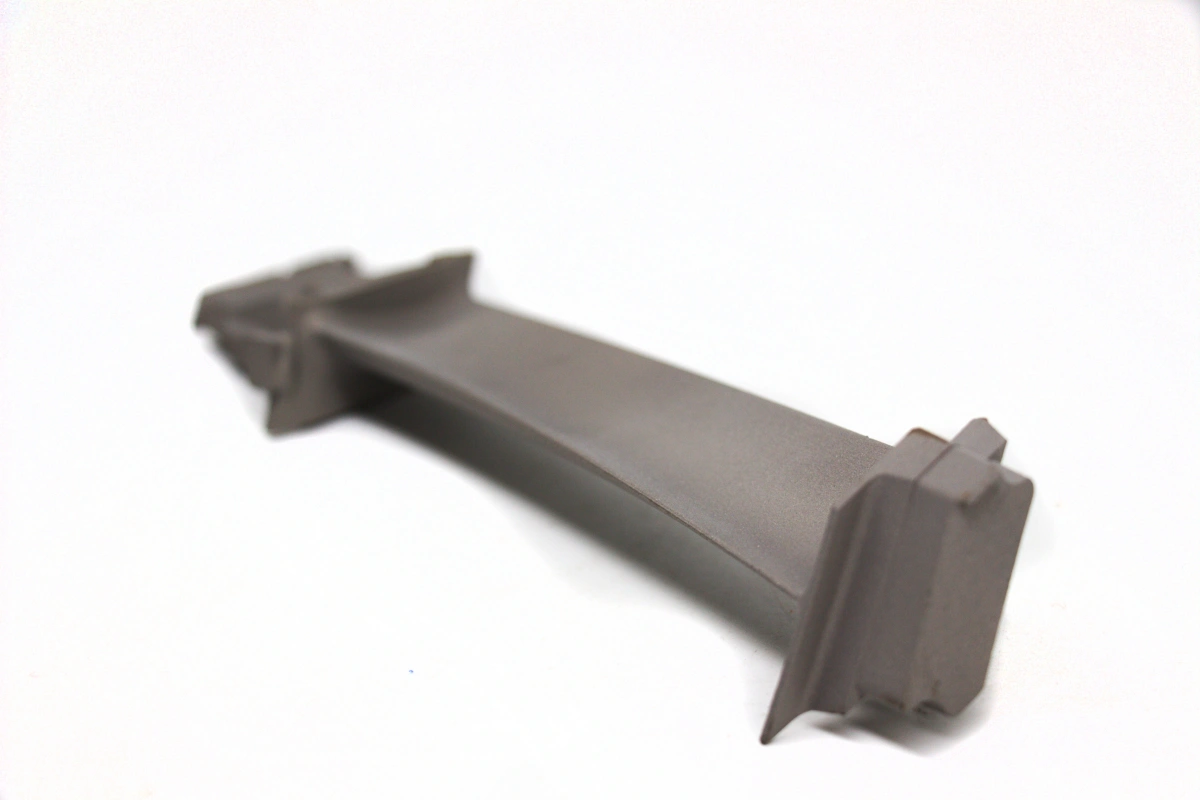
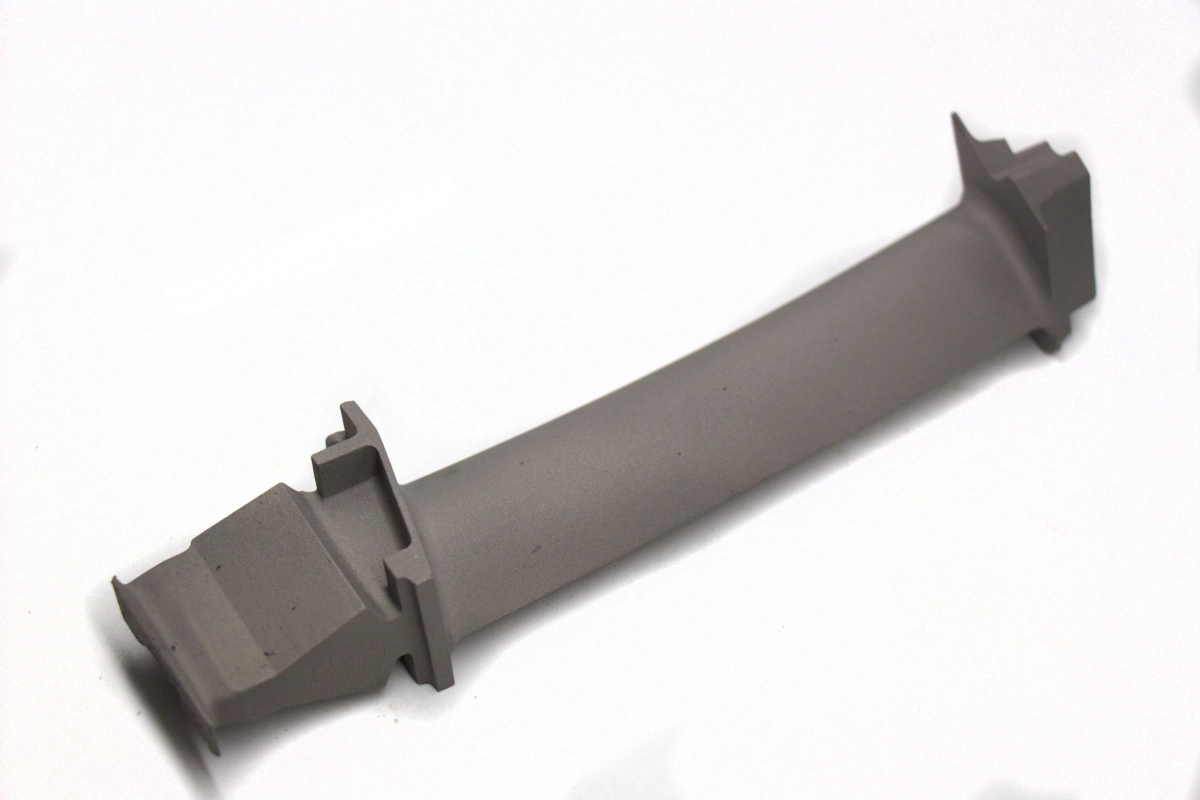
Superalloy exhaust system modules are widely used in areas where high thermal loads, corrosive gases, and pressure fluctuations exist. Their ability to retain strength above 900 °C and resist chemical attack makes them ideal for environments that require reliability and efficiency under harsh operating conditions. Precision manufacturing methods, such as vacuum investment casting and superalloy equiaxed crystal casting, enable geometry accuracy and superior grain control, both of which are critical for exhaust flow management and structural longevity.
Aerospace and Automotive Applications
In the aerospace and aviation industry, superalloys such as Rene 80 and Inconel 713 are used for engine exhaust modules, afterburner ducts, and gas flow control structures. These parts endure extreme thermal cycling and high stress without fatigue failure.
In the automotive sector, turbocharger housings and high-performance exhaust modules benefit from alloys like Nimonic 263 due to their creep resistance and oxidation stability. Manufacturing can be further optimized using superalloy precision forging to improve fatigue resistance and microstructural strength.
Energy, Oil & Gas, and Power Generation
In the energy and power generation sectors, exhaust modules are subjected to sustained heat and corrosive gases. Here, alloys like Hastelloy C-22 are often paired with post-processes such as hot isostatic pressing (HIP) to ensure resistance to creep and oxidation.
The oil and gas industry uses exhaust gas handling modules in high-pressure separation units and combustion systems. For these applications, components produced through powder metallurgy turbine disc processes ensure uniform grain structure and high fatigue resistance.
Harsh Marine Environments
In the marine sector, corrosion resistance is vital. Alloys such as Stellite 6 and Inconel 625 are used for exhaust manifolds and propulsion-related components. Their wear resistance and chemical stability help reduce maintenance cycles and ensure long-term performance.
Quality Assurance and Finishing
To verify dimensional accuracy and mechanical reliability, post-processing stages include material testing and analysis and finishing via superalloy CNC machining. These steps ensure that each module meets the industry-specific standards required by the aerospace, automotive, marine, and energy sectors.