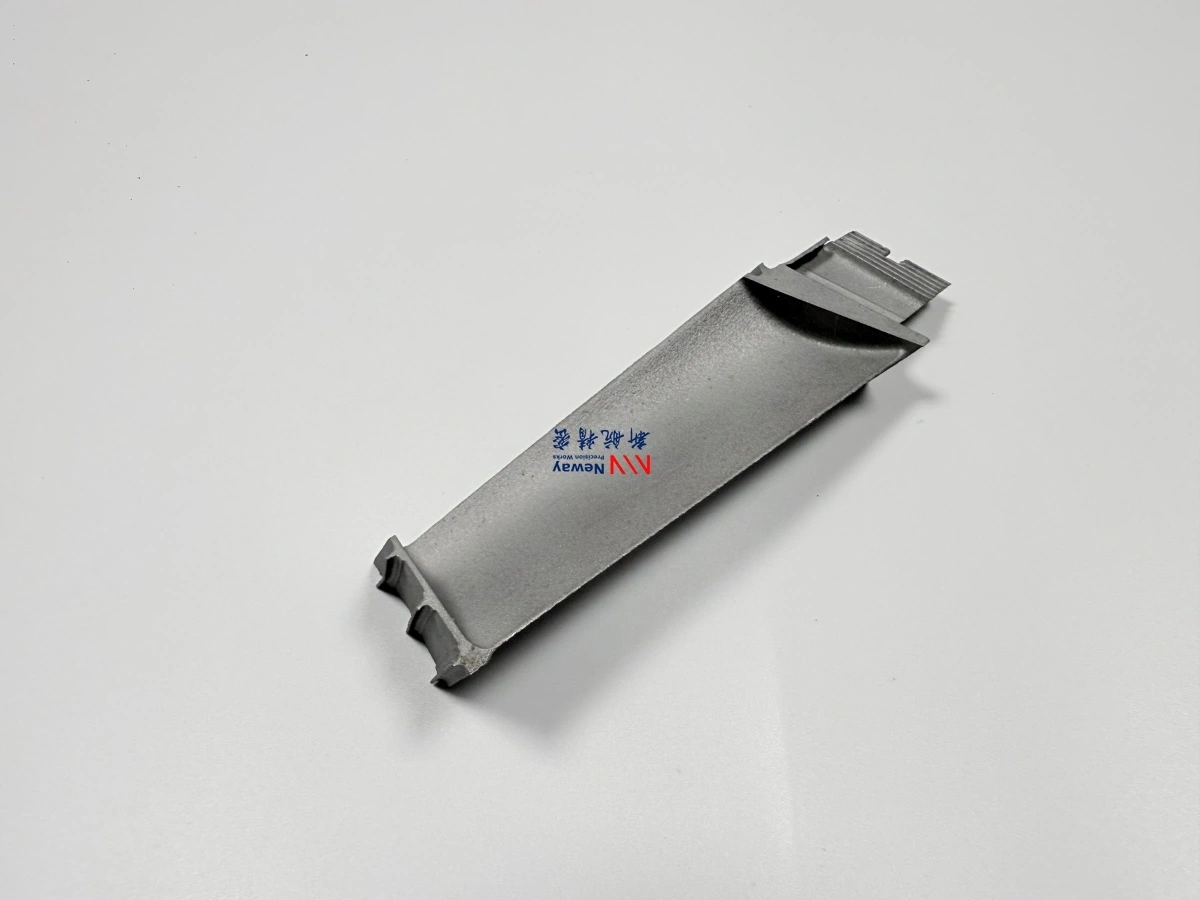
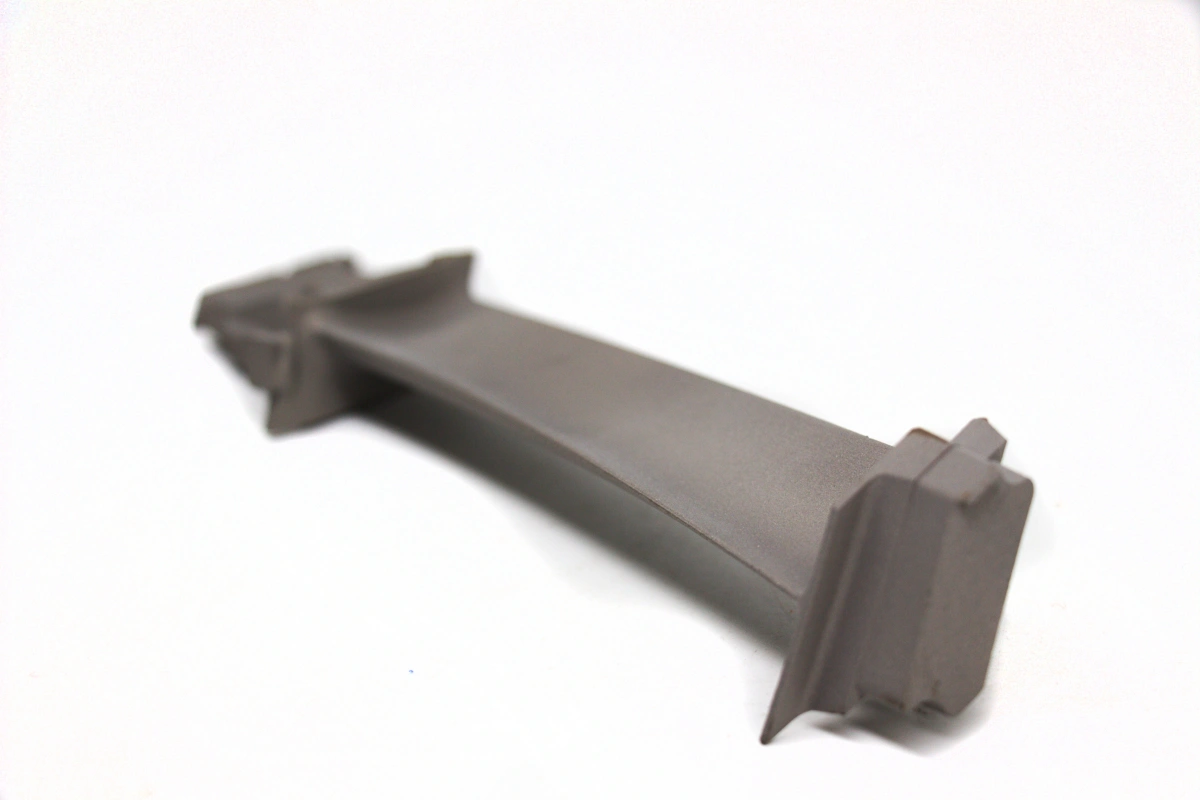
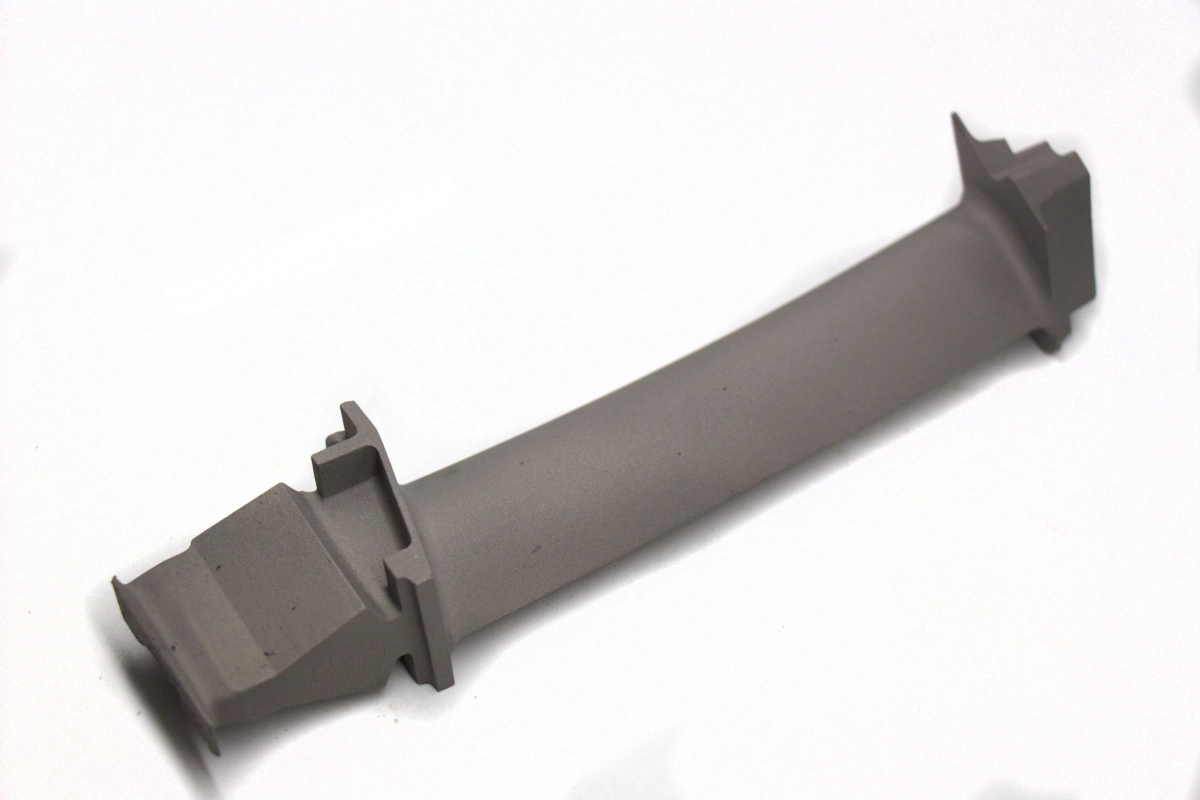
What failure risks should manufacturers evaluate before producing 501F replacement castings?
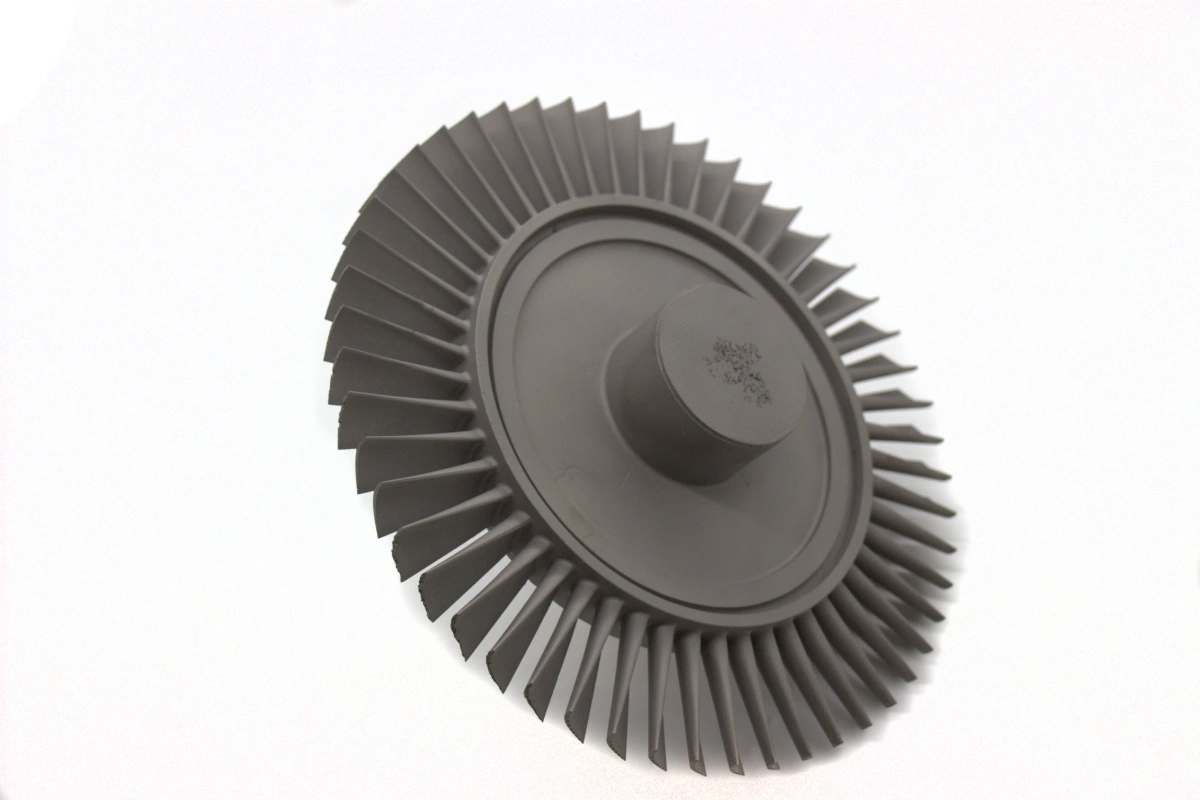
What failure risks should manufacturers evaluate before producing 501F replacement castings?
Before producing 501F replacement castings, manufacturers should evaluate failure risks related to alloy suitability, creep deformation, thermal fatigue cracking, oxidation and hot corrosion, porosity, inclusion content, dimensional instability, coating compatibility, repair history, and inspection escape. These risks directly affect whether a replacement part will survive real service conditions, especially in hot-section applications where local metal temperatures commonly reach about 850–1,050°C and repeated startup-shutdown cycles can rapidly amplify small manufacturing defects.
1. Why Risk Evaluation Matters Before Production
A 501F replacement casting is not just a shape-matching duplicate. It must also reproduce the original part’s structural performance, thermal behavior, and installation fit under high-temperature gas turbine duty. If the manufacturer focuses only on geometry and ignores metallurgical or service-life risks, the part may pass dimensional inspection but still fail early from crack growth, wall loss, distortion, or coating breakdown.
This is especially important for replacement hardware because many parts are produced under outage pressure, and field operators expect the new component to match the reliability of the original route as closely as possible. That means failure analysis should begin before pattern design, alloy melt planning, and vacuum investment casting execution.
2. Core Failure Risks to Review Before Making 501F Replacement Castings
Failure Risk | What Should Be Evaluated | Typical Service Consequence |
|---|---|---|
Alloy mismatch | Whether the selected chemistry truly matches the original duty requirement | Reduced creep life, oxidation resistance, or repairability |
Porosity risk | Expected shrinkage zones, hot spots, and feeding difficulty | Early crack initiation and reduced fatigue life |
Inclusion and cleanliness risk | Melt quality, contamination sensitivity, and mold interaction | Lower structural reliability in hot zones |
Thermal fatigue risk | Local thickness transitions, sharp radii, weld-adjacent regions, hot surfaces | Crack formation during starts, stops, and load changes |
Creep deformation risk | Stress level, section thickness, grain structure, alloy margin | Distortion, rub, or loss of dimensional stability |
Oxidation and corrosion risk | Surface exposure severity, alloy oxidation resistance, coating plan | Wall thinning and shorter service interval |
Dimensional risk | Casting shrinkage, machining allowance, fixture strategy | Installation mismatch, leakage, or rework |
Inspection escape risk | Whether planned NDT and metallurgical checks are sufficient | Undetected defects entering service |
3. Alloy Selection Risk Should Be Reviewed First
Manufacturers should first confirm whether the selected alloy truly fits the replacement part’s temperature, stress, oxidation, and repair conditions. A chemistry that looks similar on paper may still perform differently if creep resistance, weldability, or coating compatibility changes. For 501F replacement castings, commonly considered routes often come from Inconel alloy, Nimonic alloy, or Rene Alloys families, but the correct choice depends on the actual location and duty of the part, not only the nominal OEM name.
If the original part worked near the highest temperature zone, grain structure may matter as much as chemistry. In those cases, the manufacturer should also evaluate whether the component should remain equiaxed or move toward a more advanced route such as directional casting.
4. Porosity and Feeding Risk Are Among the Most Common Casting Failures
Before production, the casting team should identify hot spots, thick-to-thin transitions, and low-feed regions where shrinkage porosity is likely to form. In many replacement castings, internal porosity is one of the main hidden reasons for reduced fatigue life. A pore cluster only a few tenths of a millimeter to a few millimeters below the surface can become a crack origin under cyclic turbine loading.
That is why manufacturers often plan densification with HIP for critical hot-section hardware. However, HIP should be viewed as a strengthening step, not a substitute for poor gating or weak solidification control.
5. Thermal Fatigue and Creep Risk Must Be Mapped by Geometry
Many 501F replacement castings fail not because the average metal temperature is too high, but because local geometry creates stress concentration under thermal cycling. Manufacturers should evaluate sharp edges, wall-thickness changes, unsupported spans, fillet transitions, attachment interfaces, and thin hot-face areas. These regions often see the earliest crack initiation during repeated starts and stops.
Geometry Risk Area | Main Concern | Likely Failure Mode |
|---|---|---|
Sharp thickness transition | Uneven thermal expansion | Thermal fatigue cracking |
Unsupported hot wall | Long-term high-temperature stress | Creep bowing or distortion |
Edge or corner hot spot | Local over-temperature | Oxidation-assisted crack growth |
Machined interface zone | Fit-up stress and tolerance stack-up | Assembly stress or leakage-related failure |
6. Surface and Coating Risk Should Be Reviewed Before the Casting Route Is Finalized
If the replacement part will require thermal protection, the manufacturer should evaluate coating compatibility before finalizing the route. Surface condition, alloy choice, heat-treatment sequence, and local edge geometry all influence coating adhesion and long-term durability. In high-heat areas, manufacturers often need to plan for thermal barrier coating and ensure the substrate can support it without premature spallation.
Where oxidation life is critical, surface risk is not only a finishing issue. It is a service-life issue. Poor substrate quality can shorten coating life and raise base-metal temperature enough to accelerate creep and crack growth.
7. Dimensional Risk Can Cause Field Failure Even If the Metallurgy Is Good
Replacement castings should also be evaluated for shrinkage behavior, machining allowance, datum strategy, and final assembly tolerance. A part that is metallurgically sound but dimensionally unstable can still fail in the field through poor alignment, contact stress, sealing loss, or local overheating caused by improper flow-path geometry.
This is why manufacturers normally combine casting review with precision machining planning early in the project rather than treating machining as a later standalone step.
8. Repair History and Service History Should Be Included in the Risk Review
If the new part is being copied from a used component, the manufacturer should review fired hours, start count, visible crack zones, oxidation pattern, prior weld repairs, and coating remnants. These clues often reveal the real failure mode of the original part. Without that information, the replacement program may unintentionally reproduce the same weak design detail or local stress concentration that caused the earlier failure.
For replacement programs in power generation, this review is often one of the best ways to improve reliability without changing the part’s external fit.
9. Inspection Risk Must Be Addressed Before Release Planning
Manufacturers should define how they will verify chemistry, internal integrity, microstructure, and dimensions before the part enters production. If the inspection plan is too light, serious defects may escape into service. A reliable replacement casting program should define quality release through material testing and analysis rather than relying on visual checks or dimensional conformity alone.
Inspection Focus | Why It Should Be Evaluated Early |
|---|---|
Chemical verification | Confirms the alloy route truly matches the intended service condition |
Internal defect detection | Finds porosity or shrinkage before machining value is added |
Microstructure review | Checks whether the casting and heat-treatment route produced a stable structure |
Dimensional inspection | Verifies fit-up and gas-path accuracy before shipment |
10. Summary
In summary, manufacturers should evaluate alloy mismatch, porosity, inclusions, creep risk, thermal fatigue risk, oxidation exposure, coating compatibility, dimensional instability, repair history, and inspection adequacy before producing 501F replacement castings. The goal is not only to make a part that matches the original drawing, but to produce a component that survives real hot-section duty with predictable service life. For related references, see gas turbine components, vacuum cast components, and post-process support.