Which 501F components are the best candidates for vacuum investment casting?
Which 501F components are the best candidates for vacuum investment casting?
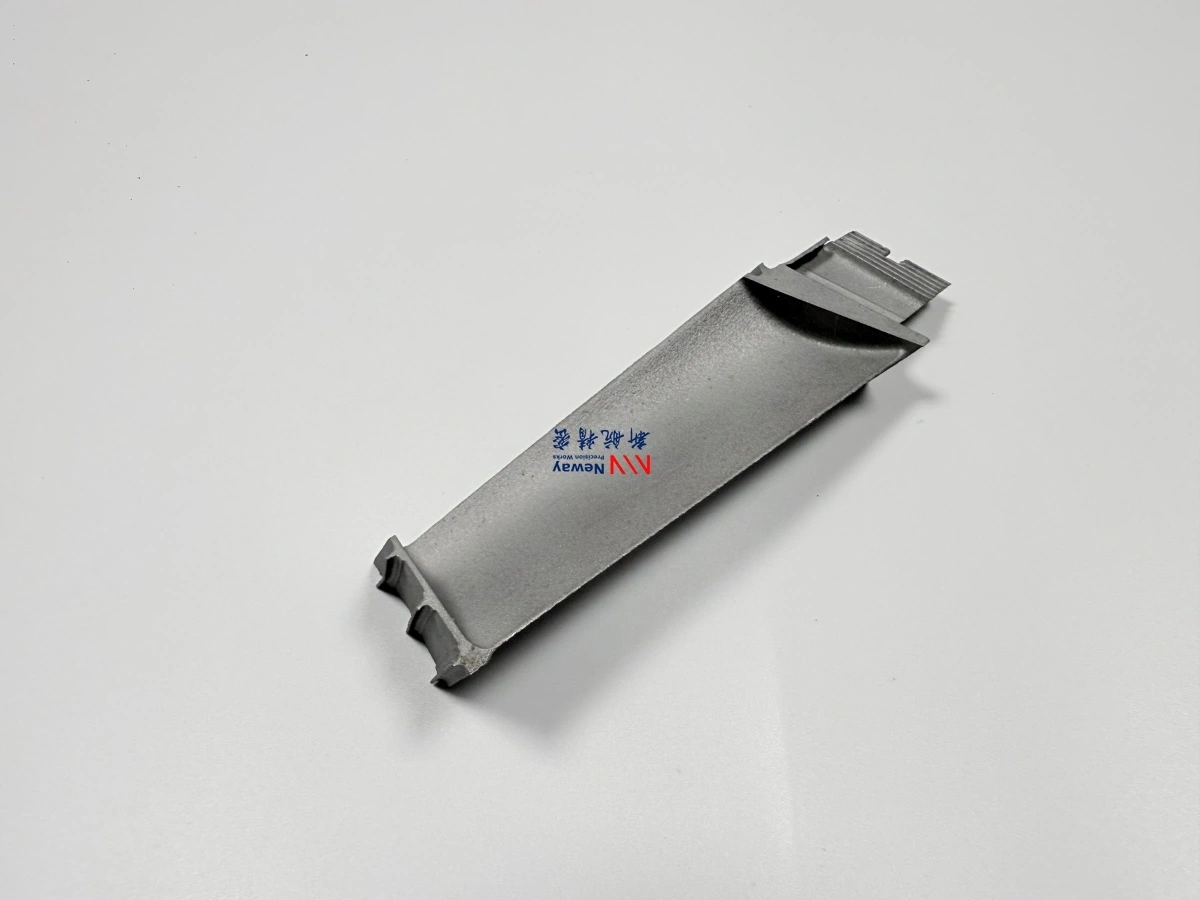
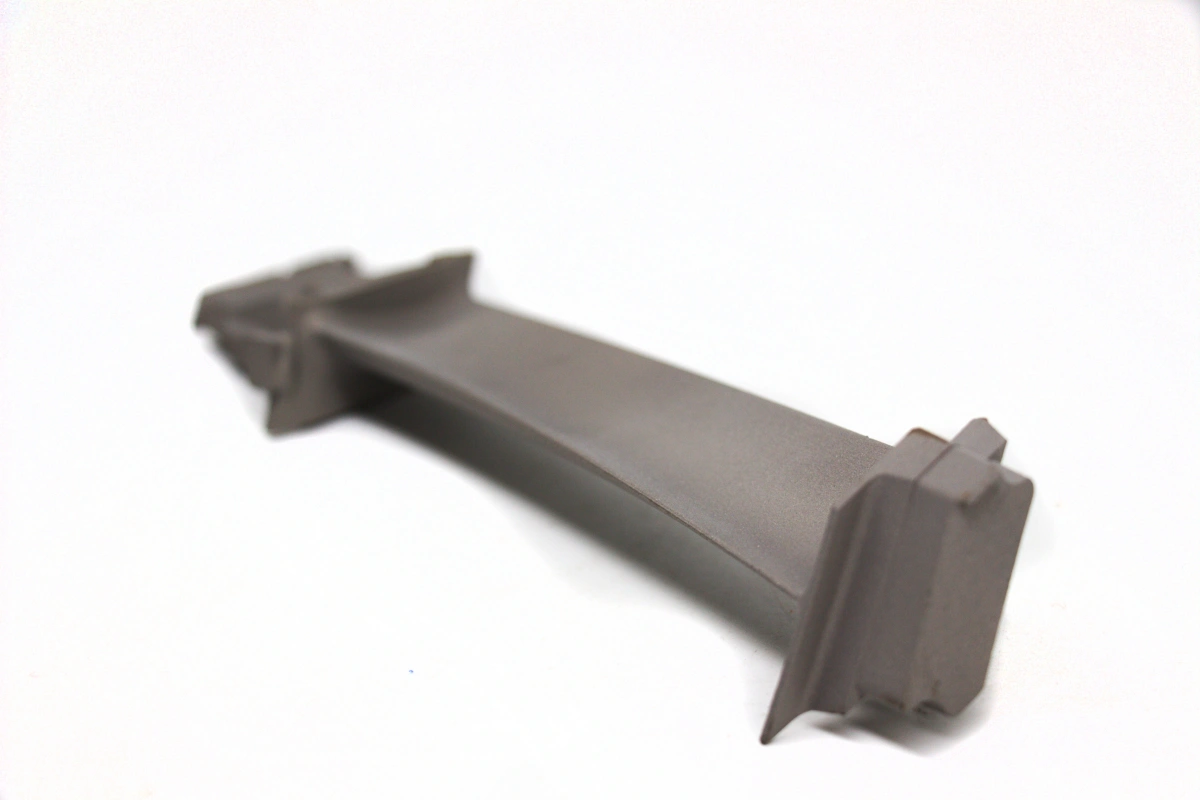
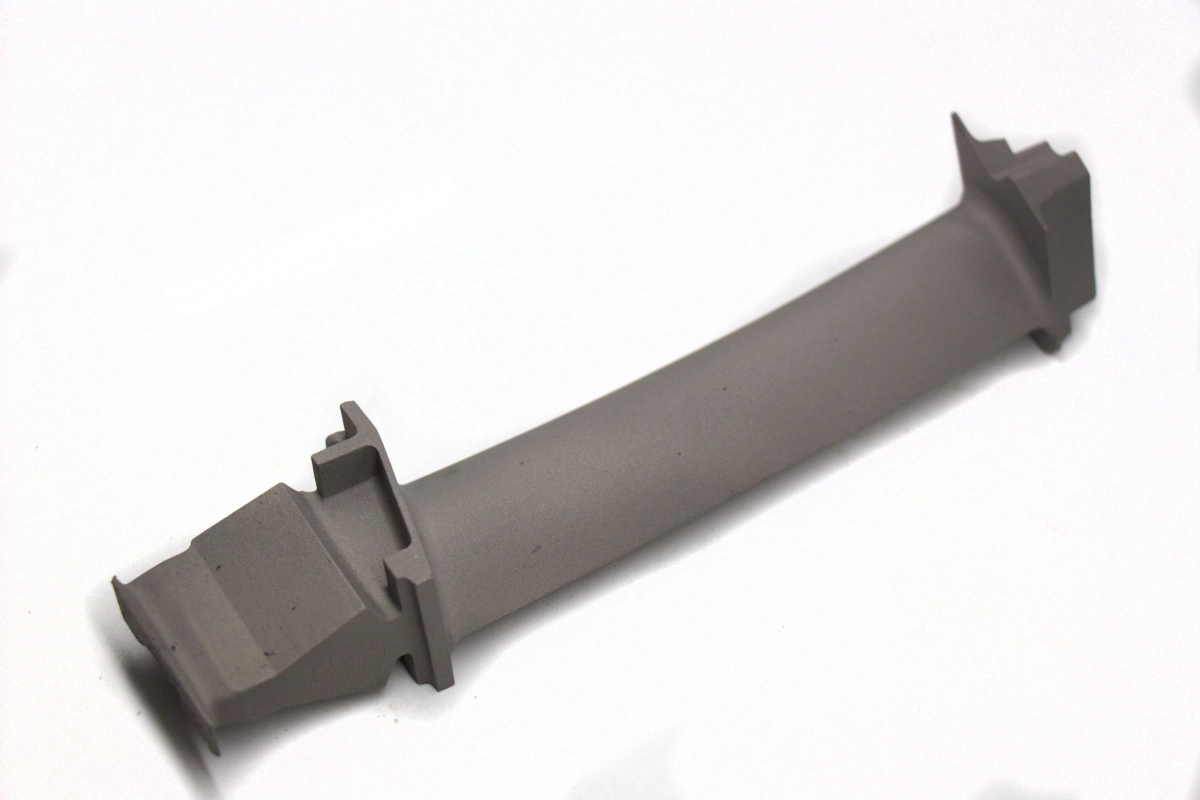
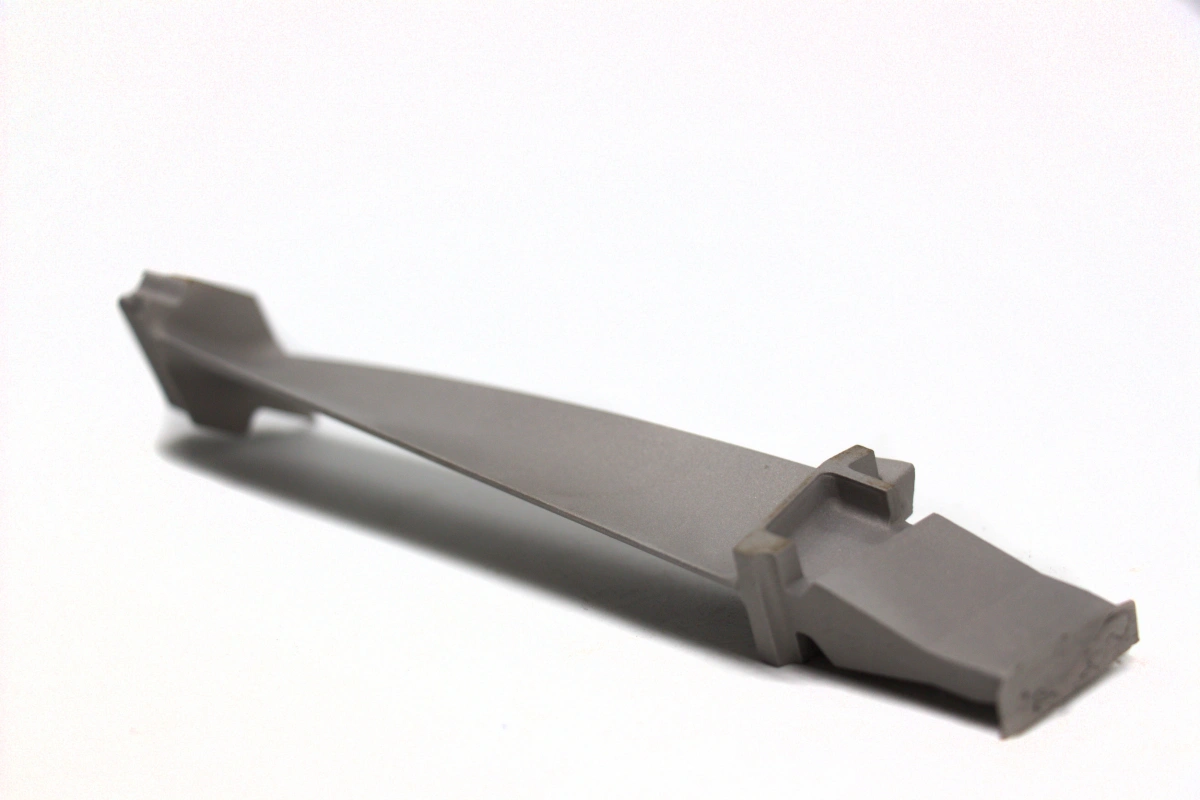
The best 501F components for vacuum investment casting are parts with complex geometry, high-temperature alloy requirements, curved gas-path surfaces, and expensive machining stock if made from billet or plate. In practice, the strongest candidates are turbine blades, guide vanes, nozzle rings, combustor hardware, shrouds, seal segments, and other hot-section structures that need near-net-shape production, good surface consistency, and stable alloy quality for long service in gas turbine environments.
1. What Makes a 501F Part a Good Casting Candidate?
A 501F component is usually well suited for vacuum casting when it includes one or more of the following features: thin-to-medium wall sections, intricate contours, multiple radii, internal passages, aerodynamic profiles, or difficult-to-machine heat-resistant alloy geometry. For these parts, casting can often cut raw material waste by about 30% to 60% compared with machining from solid stock, while also reducing the number of welded joints and improving repeatability across batch production.
2. Best 501F Components for Vacuum Investment Casting
Component Type | Suitability Level | Why It Fits the Process | Typical Value from Casting |
|---|---|---|---|
Turbine blades | Very high | Airfoil geometry, root details, and hot-section alloy demands favor near-net-shape production | Lower machining load and better profile consistency |
Guide vanes | Very high | Curved flow surfaces and heat-resistant material needs are difficult to machine economically | Improved gas-path geometry control |
Nozzle rings and vane segments | Very high | Segmented ring structures with complex contours are ideal for cast blank production | Reduced waste and better repeatability |
Combustion hardware | High | Heat-resistant shapes with attachment features and contoured walls suit casting well | Lower fabrication complexity |
Transition-related cast structures | High | Irregular thermal-duty shapes can be produced more efficiently as cast blanks | Fewer welded sections and more stable geometry |
Shrouds and heat shields | High | Curved thin-wall shapes are difficult to make economically by subtractive methods alone | Better contour control with less stock removal |
Seal segments | High | Complex mating surfaces and thermal-service alloy needs favor cast near-net forms | Improved dimensional repeatability |
Simple blocks or brackets | Low | These are often more economical through machining or fabrication | Limited casting benefit |
3. Components That Gain the Most Commercially
From a purchasing and manufacturing perspective, the biggest casting benefits usually come from parts that combine expensive alloy usage with complex geometry. For many 501F programs, the most commercially attractive categories are:
High-Value Category | Main Commercial Advantage |
|---|---|
Airfoils | High reduction in machining time for twisted and contoured surfaces |
Nozzle ring segments | Better material utilization in nickel-based alloys |
Combustor hot parts | Lower weld count and improved batch repeatability |
Shrouds and seals | More efficient production of thermally loaded contoured parts |
4. What Alloy Families Are Commonly Used?
Because 501F components often work in high-temperature combustion and turbine environments, the strongest casting candidates usually rely on high-temperature casting alloys. Depending on the part function, appropriate materials may come from the Inconel alloy, Nimonic alloy, Rene Alloys, or Stellite alloy families. These materials are selected for oxidation resistance, creep strength, thermal fatigue performance, and durability in hot gas flow.
Where alloy purity and high-temperature stability matter most, casting under controlled vacuum conditions can reduce oxidation during pouring and better support consistent structural quality in severe-duty components.
5. When Standard Equiaxed Casting Is Not Enough
Not every 501F part should use conventional equiaxed casting. Some of the most thermally stressed airfoils may require more advanced solidification routes. In general, buyers should think about the following logic:
Route | Best-Fit 501F Components |
|---|---|
Nozzle rings, combustor parts, shrouds, seals, and many structural hot-section parts | |
Higher-duty vanes and selected blade categories needing better creep performance | |
Most demanding blade applications in the hottest turbine zones |
So while many 501F components are excellent vacuum casting candidates, the final route should still match the temperature load, stress level, and service-life target.
6. What Processes Are Usually Needed After Casting?
Most 501F cast parts require more than casting alone before installation. Depending on the component, the route may include heat treatment, HIP, precision machining, local weld finishing, and protective TBC systems. Quality release typically depends on inspection and analysis to verify alloy chemistry, internal integrity, and final dimensions.
7. Summary
If the 501F part is... | Vacuum Investment Casting Suitability |
|---|---|
Nozzle ring or vane segment | Excellent |
Turbine blade or guide vane | Excellent, but may require directional or single-crystal route |
Combustion hot hardware | High |
Shroud, seal, or heat shield | High |
Simple machined block feature | Usually low |
In summary, the best 501F candidates for vacuum investment casting are turbine blades, guide vanes, nozzle rings, combustor structures, transition-related cast hardware, shrouds, and seal segments. These parts benefit the most because they combine complex geometry, costly high-temperature alloys, and demanding service conditions where near-net-shape production improves both quality and manufacturing efficiency. For related application references, see power generation, gas turbine components, and vacuum cast components.