High-Temperature Alloy Engine Components Production Unit
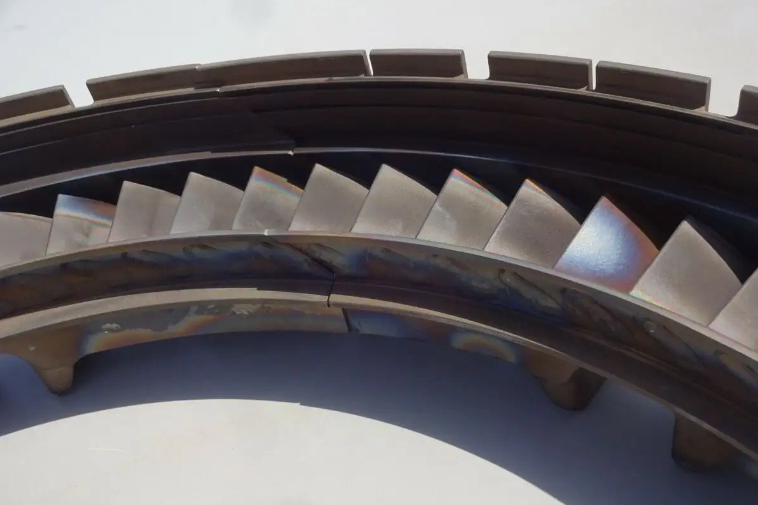
A high-temperature engine-component RFQ should separate rotating, static hot-gas, structural, and accessory parts before a supplier selects the route. Engine components can include turbine blades, vanes, shrouds, seal segments, heat shields, combustor details, fuel or air fittings, brackets, housings, and small interface parts. A rotating part may need different alloy and inspection evidence from a static shield. A vane or shroud has different casting risk from a machined bracket. The RFQ should not group every hot component under one vague engine-parts label.
NewayAeroTech supports high-temperature alloy engine components through vacuum investment casting, single crystal and directional casting review where suitable, equiaxed casting, CNC machining, heat treatment, HIP review, TBC readiness, and material testing. For buyers, the quote should state whether the part is a blank, a machined casting, a finished component, a prototype, or a sample-based replacement item.
Classify the engine component before quoting
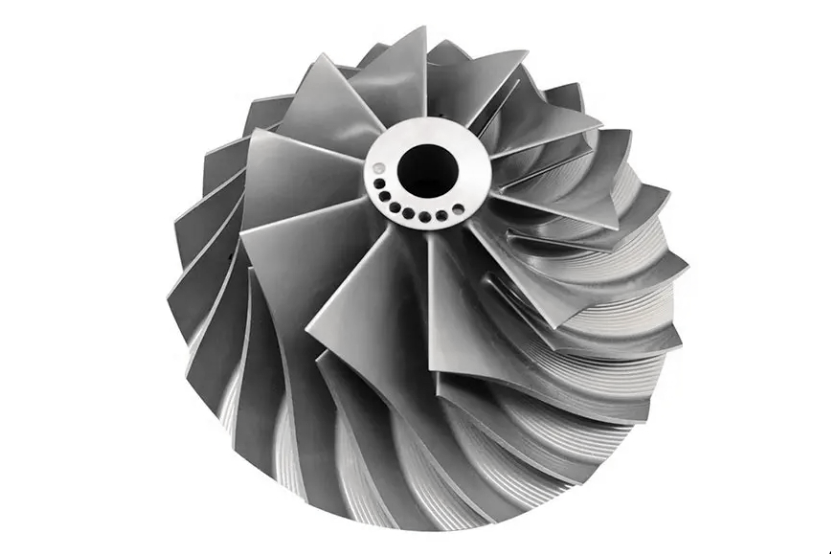
The first review is part classification. A blade, vane, or shroud belongs to the hot-gas path and may require advanced casting control. A combustor detail may need heat and oxidation resistance plus formed or welded interfaces. A bracket or housing may need machining accuracy and thermal stability. A fuel or air fitting may need passages, threads, and cleanliness. These categories should not use the same quotation assumptions.
Buyers should identify whether the part is rotating, static, pressure-related, exposed to hot gas, exposed to fuel or air, or only supporting adjacent components. They should also identify whether the part is new design, replacement, or reverse-sample work. A supplier can give a more useful route proposal when it knows which feature drives acceptance: crystal orientation, wall thickness, seal face, bore position, coating surface, or assembly fit.
Sample-based engine component RFQs need clear limits. Used hot-section samples may be oxidized, distorted, cracked, or coated. Accessory parts may be bent or worn at mounting holes. The supplier can measure and review them, but the buyer should define what is original geometry and what is service damage before production decisions are made.
Choose casting structure by temperature duty and geometry
High-temperature engine components may require equiaxed, directional solidification, or single crystal routes depending on part function. Equiaxed crystal casting can support many static components and complex shapes. Directional casting may be reviewed for parts where directional properties are needed. Single crystal casting is usually reserved for severe hot-section components where crystal control is part of the design requirement.
The buyer should not request the most advanced route by default. A static bracket, fuel fitting, or exhaust support may not need single crystal control. A hot vane, blade, or shroud may need stronger casting review, ceramic cores, wall-thickness control, or coating readiness. The drawing and application notes should make this distinction visible so the supplier can choose the correct manufacturing path.
Alloy families should be selected with the same discipline. Inconel alloy casting, Rene alloys, CMSX grades, Nimonic grades, cobalt alloys, and other high-temperature alloys all solve different problems. The RFQ should list either the required grade or the reason a material review is being requested.
Plan machining around hot-gas and assembly features
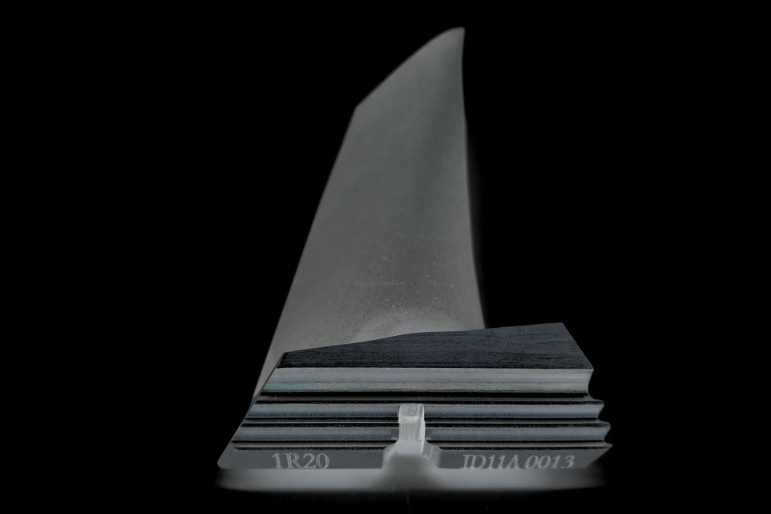
Superalloy CNC machining often controls the final part even when the blank is cast. Blade roots, vane platforms, shroud hooks, seal faces, bolt pads, ports, and fixture datums need planned stock. If machining stock is not designed into the casting, a functional surface may be left with casting variation. If too much stock is added to thin hot-gas features, distortion and machining cost can rise.
The buyer should identify final-machined surfaces, as-cast surfaces, coating surfaces, and features that must be inspected after heat treatment. A blade root needs a different machining plan from a combustor liner bracket. A shroud segment may need seal-face control and local stock. A housing may need bores and bolt patterns. A fuel fitting may need clean passages and thread inspection.
Where cooling holes, slots, or hard-to-reach features are required, EDM or deep-hole drilling may be part of the route. These features should be specified before the supplier commits to tooling or fixture design.
Sequence heat treatment, HIP review, and coating readiness
Heat treatment should be matched to alloy and component type. Some cast engine parts need thermal processing before finish machining. Others need post-process handling that protects thin walls or machined interfaces. The RFQ should state which dimensions must be accepted after all processing steps, not only after rough machining.
HIP may be reviewed for suitable castings where internal soundness is a major concern. It should be tied to part geometry, material, acceptance criteria, and inspection evidence. A thin accessory bracket and a hot-gas path casting do not have the same HIP logic. Buyers should ask the supplier why the process is included and how it affects later machining.
If thermal barrier coating is required, coating surfaces, mask areas, and pre-coating inspection should be identified. Coating readiness is a manufacturing scope item; it should not be assumed automatically for every high-temperature engine component.
Build inspection evidence around the component risk
Material testing and analysis should answer the specific risk of the engine component. For hot-gas castings, inspection may include chemistry, dimensional reports, visual inspection, penetrant inspection, radiographic review where agreed, wall-thickness checks, grain or orientation evidence where required, and coating-readiness checks. For machined accessories, CMM data, surface finish, thread gauging, and burr review may be more useful.
The buyer should separate component-level evidence from engine-level validation. NewayAeroTech can document material, manufacturing route, dimensions, and agreed inspections for the supplied component. The buyer or engine assembler remains responsible for system testing unless a separate scope is defined. This distinction keeps supplier responsibility clear and avoids unsupported performance claims.
Reports should identify critical features. A blade report should show root and airfoil-related dimensions agreed in the RFQ. A vane report should identify platforms and flow surfaces. A bracket report should identify holes, datums, and thermal-processing status. A fitting report should identify passages, threads, and cleanliness expectations.
Use first-article review to validate the selected engine-part route
A first article should be matched to the route being approved. For an equiaxed casting, the review should focus on stock distribution, soundness, wall thickness, and final machining surfaces. For a directional or single crystal hot-section component, the review may also include grain or orientation-related evidence when required by the drawing. For a machined accessory, the review should emphasize datum stability, burr control, thread quality, and final fit surfaces.
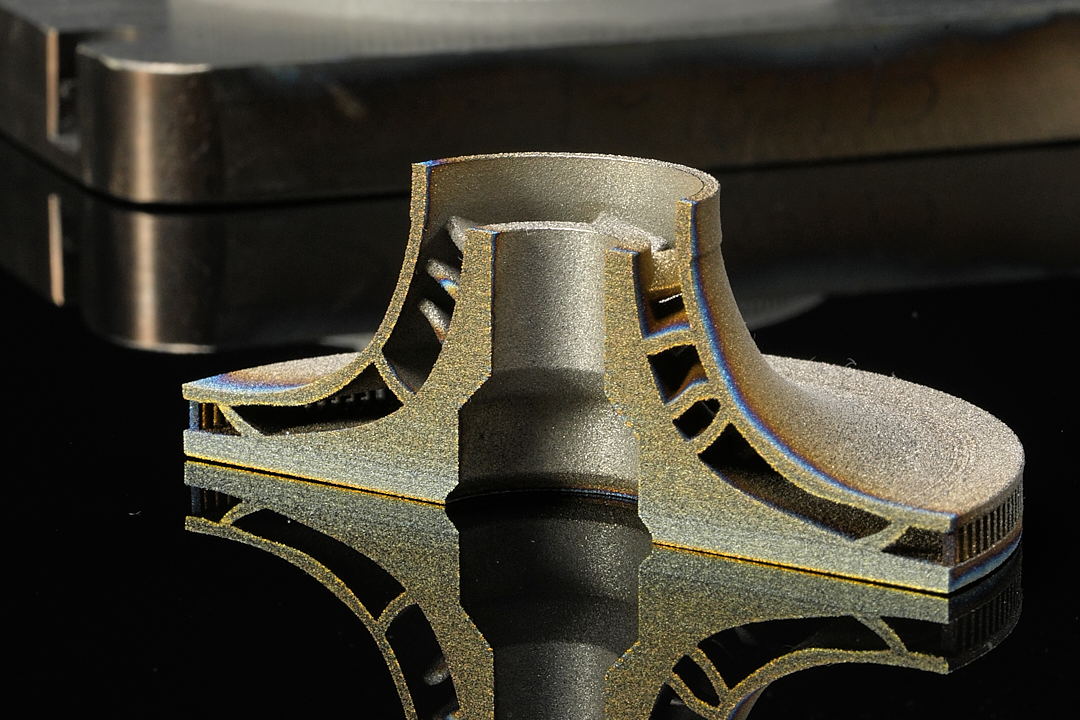
Prototype parts should be labeled by purpose. A machined prototype can confirm assembly envelope, but it does not prove that a later casting route will hold the same features. An additively manufactured development part can support passage or fixture review, but the final route still needs manufacturing validation. Buyers should state whether the first pieces are for fit check, bench test, material-route validation, or repeat supply approval.
Small-batch engine component supply also needs revision control. If a sample is used with an incomplete drawing, the buyer and supplier should agree which measured features are reliable references and which features show service wear. If the drawing is controlled, deviations and route questions should be closed before the next release. This keeps early engineering parts from becoming uncontrolled production assumptions. It also gives purchasing teams a stable basis for comparing supplier responses.
What to send for a high-temperature engine component RFQ
A complete RFQ includes drawings, models, candidate material, component category, operating temperature, hot-gas or media exposure, quantity range, sample condition if applicable, final-machined surfaces, coating or surface needs, and inspection requirements. For aerospace and aviation, power generation, marine, or energy programs, the part's function is more useful than an industry label alone.
The supplier response should separate alloy review, casting structure, machining route, heat-treatment and HIP assumptions, coating readiness, inspection evidence, and open questions. It should also identify whether NewayAeroTech is responsible for raw casting supply, post-process machining, finished component delivery, or only manufacturability feedback before the buyer freezes the design. If the part is a prototype or reverse-sample item, the quote should define what the first article will prove, what remains under buyer validation, and whether the next order will use the same route. If it is a repeat production part, the quote should identify fixture and inspection repeatability.
NewayAeroTech's value is matching high-temperature alloy processing to the component's engineering duty. A clear RFQ gives both sides a route from drawing or sample to manufacturable engine hardware without relying on broad material claims. It also helps separate high-value engineering questions from ordinary purchasing questions, so the first supplier reply can discuss route limits, inspection evidence, and missing data instead of returning a price that hides assumptions. The RFQ should also name the buyer contact responsible for closing technical deviations.
Related FAQs
What major high-temperature alloys are used in engine components?
How does casting influence performance of high-temperature alloy engine parts?
What advantages does 3D printing offer for high-temperature alloy engine parts?
Which industries rely most on high-temperature alloy engine components?
Which hot gas path components can be custom manufactured from drawings?
What inspections are typically conducted to ensure quality in gas turbine components?