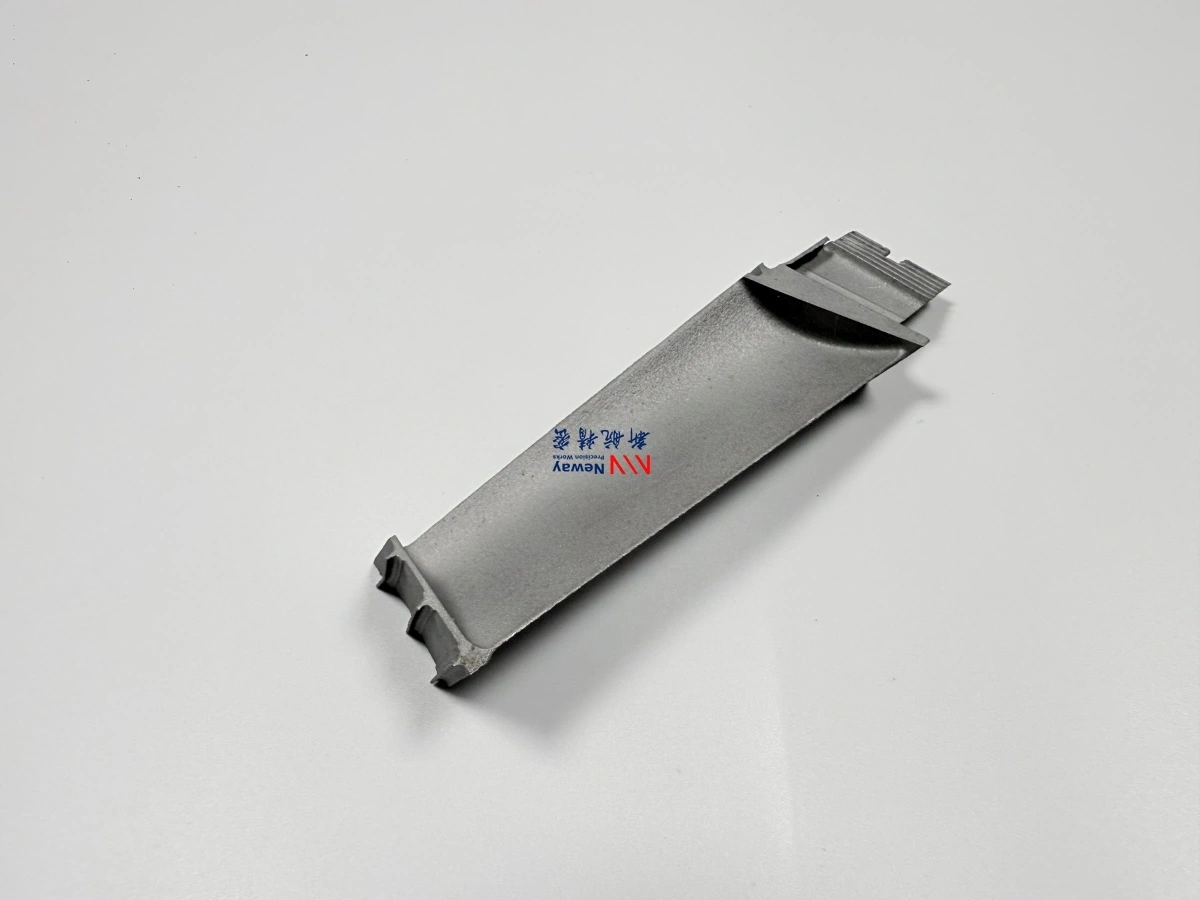
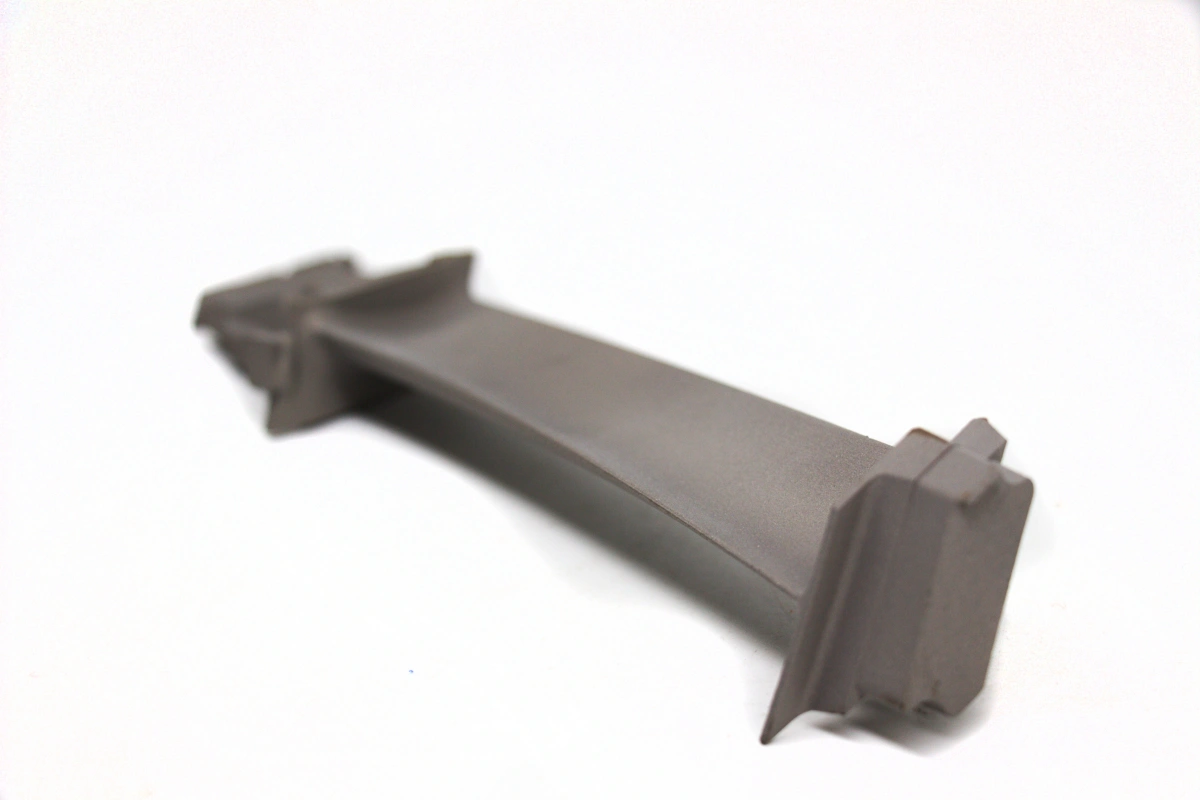
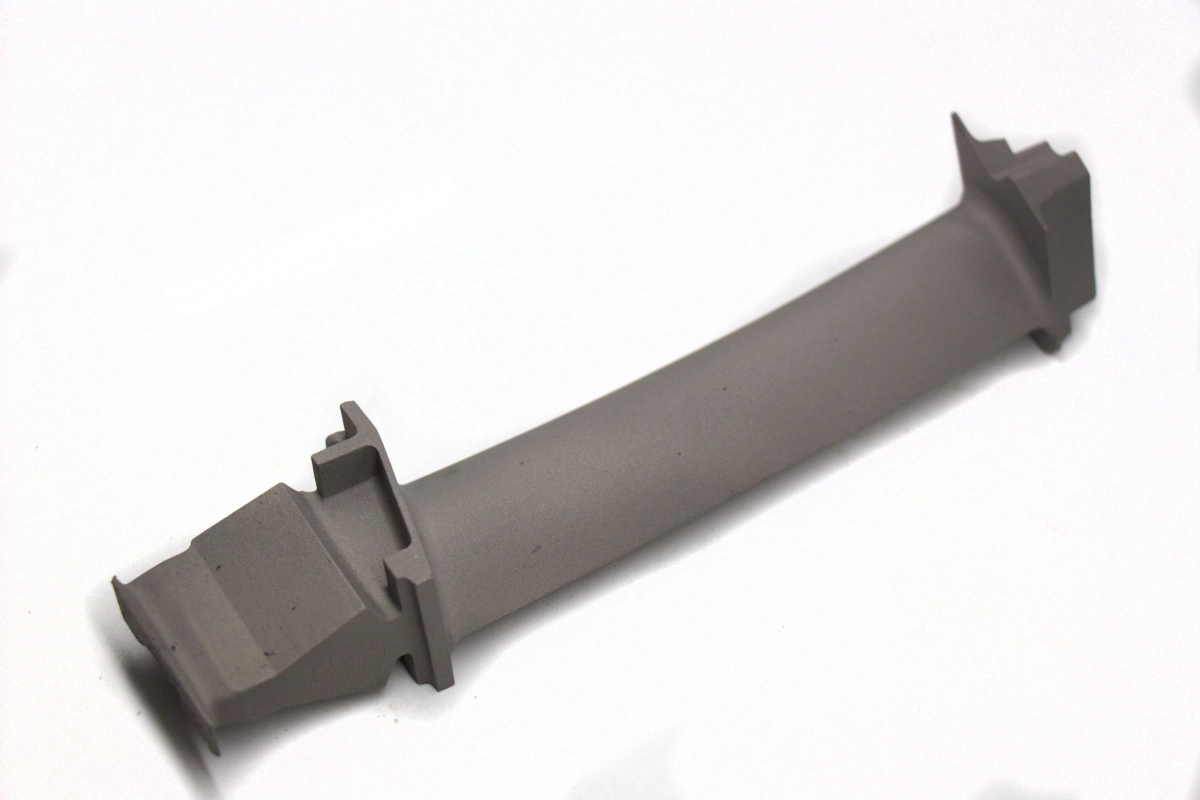
How does casting influence performance of high-temperature alloy engine parts?
Microstructure Control and Thermal Resistance
Casting plays a decisive role in determining the grain structure and heat resistance of high-temperature alloy components. Advanced processes, such as vacuum investment casting, allow for precise control over solidification speed, thereby reducing segregation and improving oxidation resistance. By achieving a fine and uniform microstructure, alloys like Inconel 600 and Inconel 738 maintain mechanical stability during long-term thermal exposure.
Elimination of Grain Boundaries
Grain boundaries are often the weakest regions in high-temperature environments, making them prone to creep deformation and crack initiation. Techniques such as directional casting and single crystal casting align grains or eliminate boundaries entirely. This results in premium creep resistance and longer fatigue life, particularly in turbine blades and high-stress engine components.
Improved Material Compatibility and Alloy Diversity
Casting enables the use of a wide portfolio of high-performance superalloys such as CMSX-10 and Rene 77. These alloys contain complex alloying elements like rhenium, tantalum, and molybdenum, which enhance temperature capability but are difficult to process via conventional methods. Casting enables near-net-shape formation while allowing flexibility in geometry and wall thickness.
Integration with Post-Processing
Casting defines the foundation of the microstructure, but its performance is finalized through post-processing. Hot isostatic pressing (HIP) removes internal voids and enhances fatigue resistance, while subsequent heat treatment stabilizes the γ′ phase and increases creep strength. Precision shaping is then achieved through superalloy CNC machining, ensuring reliable assembly into engine systems.