What major high-temperature alloys are used in engine components?
Nickel-Based Superalloys
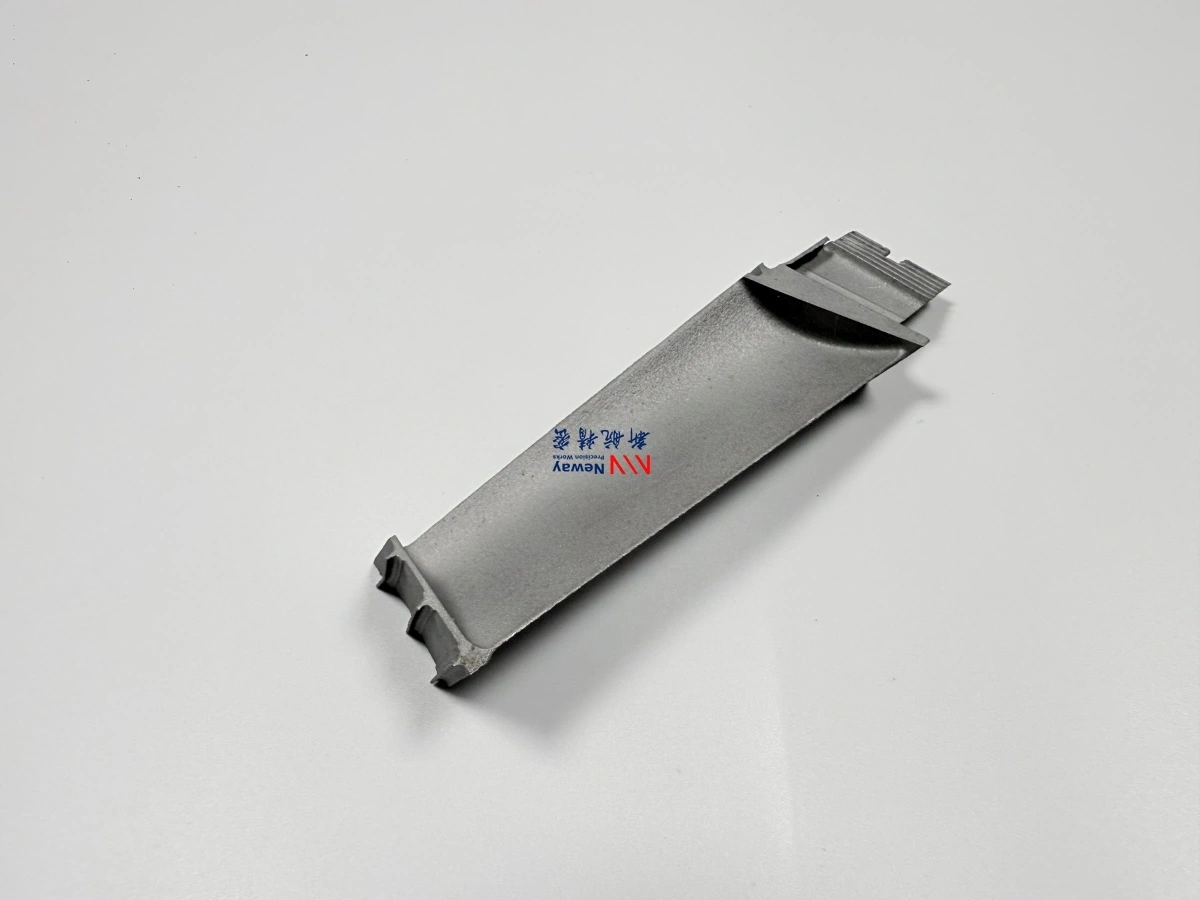
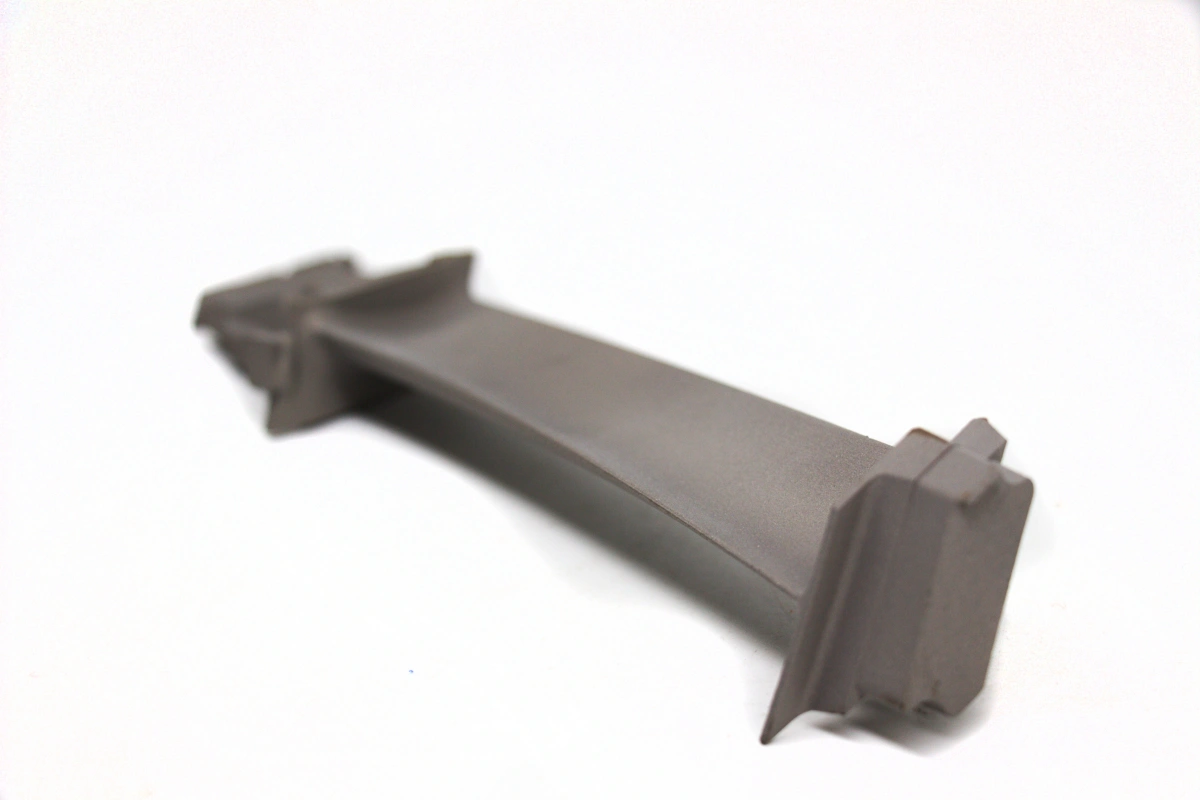
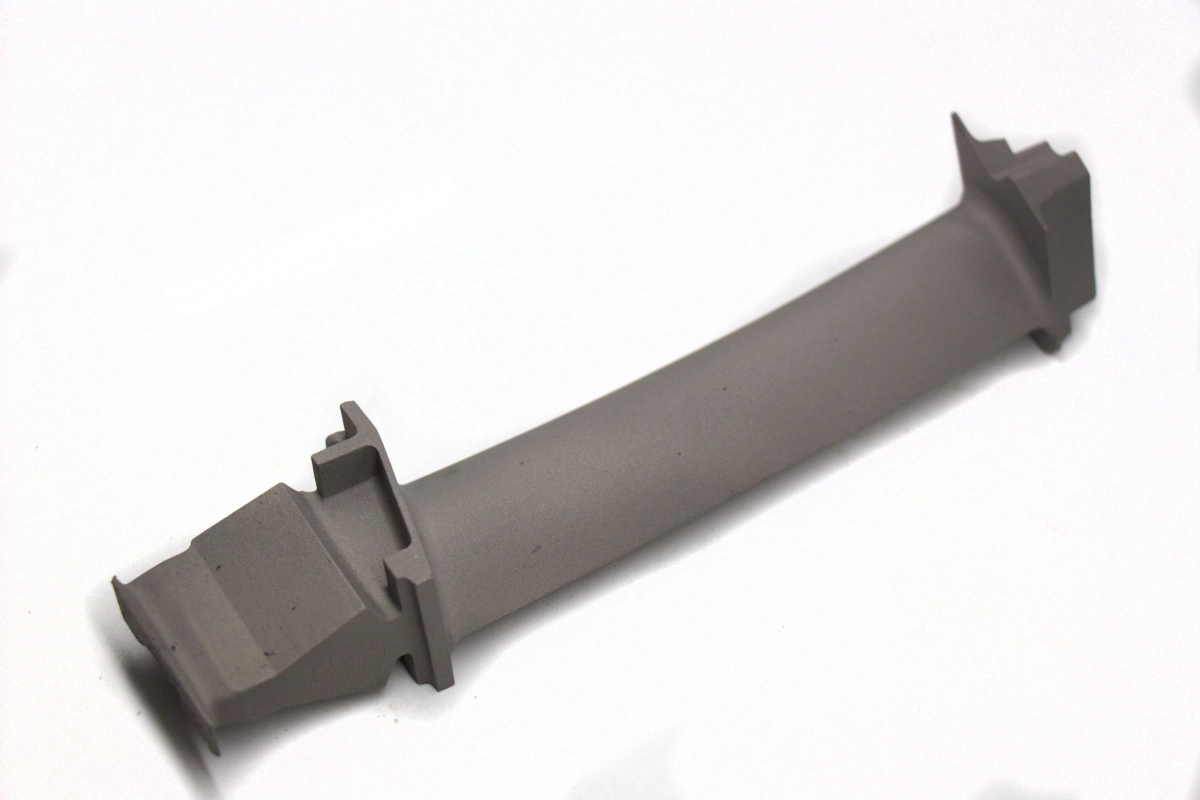
Nickel-based alloys dominate high-temperature engine applications due to their exceptional creep resistance, oxidation stability, and microstructural controllability. Alloys such as Inconel 713C, Inconel 718, and advanced materials like Rene 104 and CMSX-4 are widely deployed in turbine blades, exhaust nozzles, and combustor liners. Their γ′ (gamma prime) phase strengthening mechanism makes them ideal for resisting deformation at temperatures exceeding 1000 °C.
Single Crystal and Directional Solidified Alloys
To eliminate grain boundaries and improve high-temperature creep performance, alloys produced via single crystal casting or directional casting are increasingly used in first-stage turbine blades. Materials like PWA 1484 and TMS-75 show superior fatigue resistance under extreme loading—making them essential for modern propulsion systems.
Cobalt-Based Superalloys
When extreme wear resistance and oxidation protection are required, cobalt-based alloys such as those in the cobalt-based alloy family are employed. These materials maintain mechanical stability in aggressive combustion environments, often used for valve seats, bearing surfaces, and high-wear components in combustion chambers.
Titanium-Based High-Temperature Alloys
Titanium alloys provide high strength-to-weight ratio and are mainly used in compressor and exhaust system sections. Grades such as Ti-6Al-4V and higher-performance materials like Ti-5553 are commonly adopted in aerospace for weight reduction and vibration resistance. Titanium alloys are less suitable for ultra-high combustion temperatures but excel in intermediate engine sections.
Powder Metallurgy & Advanced Alloys
For extreme environments, powder metallurgy alloys such as FGH96 and FGH97 offer high purity, fine grain structure, and improved fatigue strength. These are applied in turbine discs, rotating hubs, and high-load transmission elements. Their controlled particle size and diffusion bonding characteristics allow superior mechanical reliability under extreme stress.