Which industries rely most on high-temperature alloy engine components?
Aerospace and Aviation
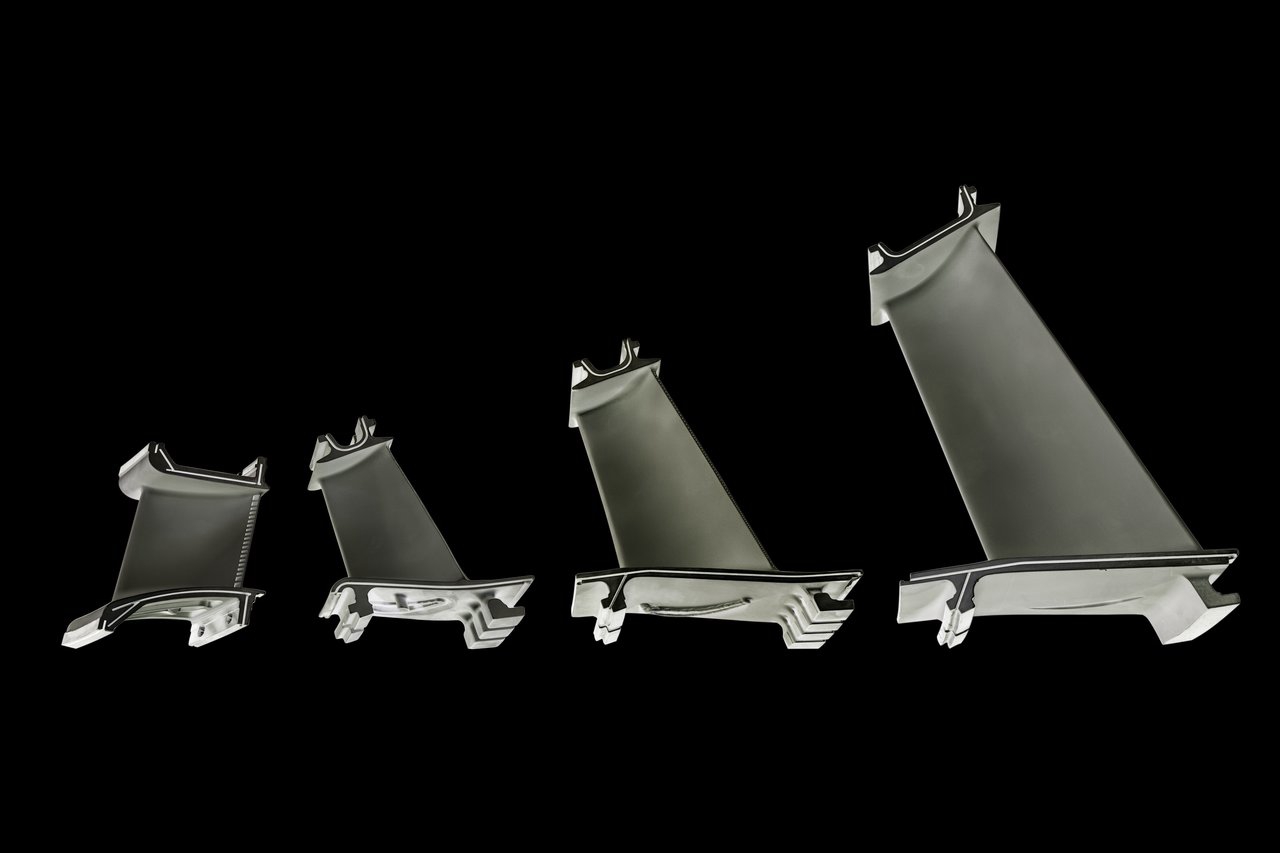
The aerospace sector is the most significant user of high-temperature alloy engine components. Jet engines, auxiliary power units, thrust vectoring assemblies, and exhaust modules all require materials that can withstand extreme temperature gradients and high-pressure combustion. Components produced via single crystal casting and directional casting provide superior thermal fatigue resistance and are widely used to ensure flight safety and efficiency in the aerospace and aviation industry.
Power Generation and Gas Turbines
Power plants that employ gas turbines utilize high-temperature alloy components in their combustion chambers, turbine blades, and heat recovery systems. These parts must resist thermal creep during continuous operation. Advanced materials such as CMSX-4 and Rene 142 enhance efficiency and enable higher operating temperatures, making them essential in power generation applications.
Oil and Gas & Energy Extraction
In upstream extraction and offshore drilling, engines and turbo-pumps operate in corrosive environments and under high thermal stress. Superalloys are essential for exhaust components, compressor systems, and high-pressure seals. The oil and gas industry relies heavily on material reliability to maintain continuous operation and prevent equipment failure.
Marine and Defense Applications
Naval propulsion systems and defense-grade gas turbines operate under challenging conditions including salt exposure, vibration, and high load cycles. Special alloys, when combined with protective coatings such as thermal barrier coating (TBC), ensure operational stability in corrosive marine conditions and demanding military and defense environments.
Emerging Electric and Hybrid Technologies
As hybrid propulsion and distributed turbine-based aircraft concepts evolve, lightweight and high-temperature materials such as Ti-6Al-4V and powder metallurgy alloys like FGH96 are becoming increasingly important. These materials enable high power density, structural efficiency, and improved thermal distribution for next-generation propulsion technologies.