Assemblies of High-Temperature Alloy for Gas Turbine Manufacturing Facility
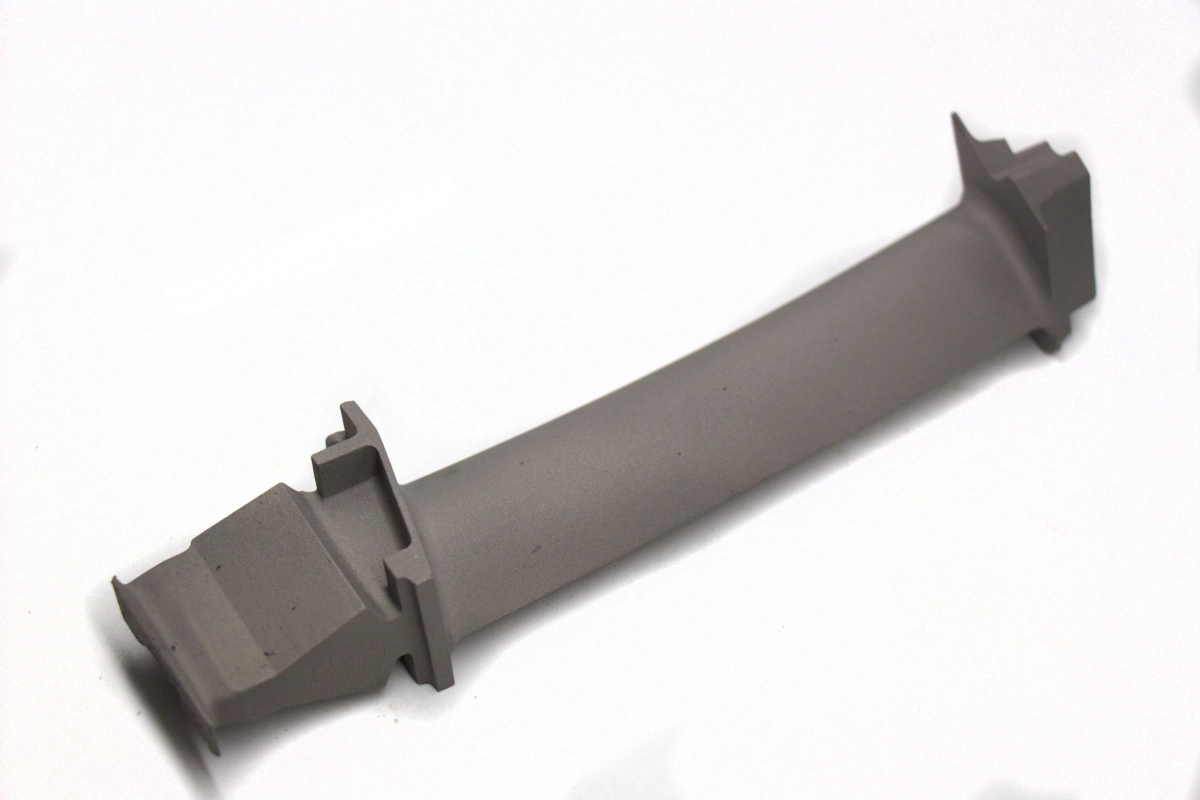
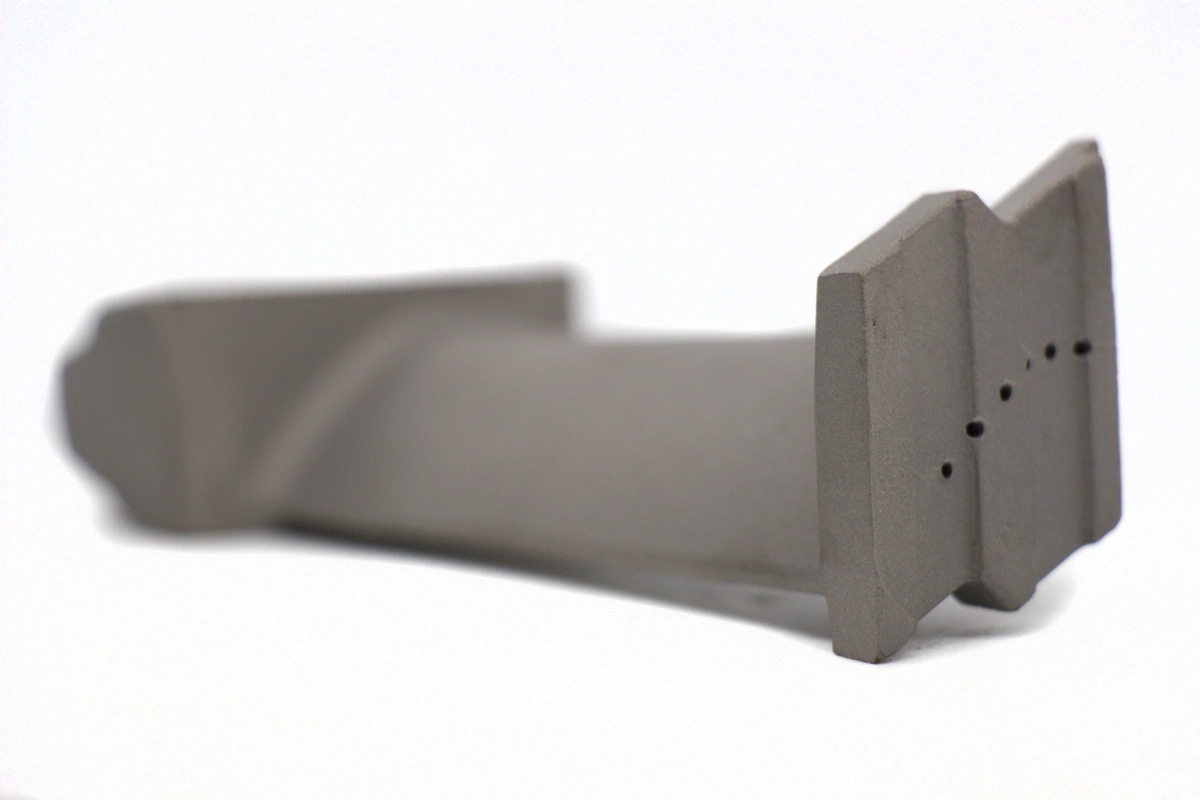
A gas turbine alloy assembly RFQ should define which components belong in the package, which interfaces must fit together, and which manufacturing evidence is required for each part. An assembly package may include blade or bucket blanks, vane segments, shrouds, seal pieces, combustor hardware, transition components, brackets, and test or prototype pieces. NewayAeroTech can review custom high-temperature alloy assemblies for gas turbine manufacturing facilities when buyers provide drawings, models, material requirements, quantities, interface notes, post-process needs, and inspection criteria.
This is different from buying one isolated component. Assembly-level purchasing requires interface control between parts, consistent material documentation, route alignment, and a first-article review that checks how the parts work together. A supplier quote should state whether it covers individual blanks, finished components, matched sets, or a grouped manufacturing package with reports. That distinction prevents buyers from comparing an incomplete unit price against a complete assembly-support quote.
Define the Assembly Package and Interface Responsibility
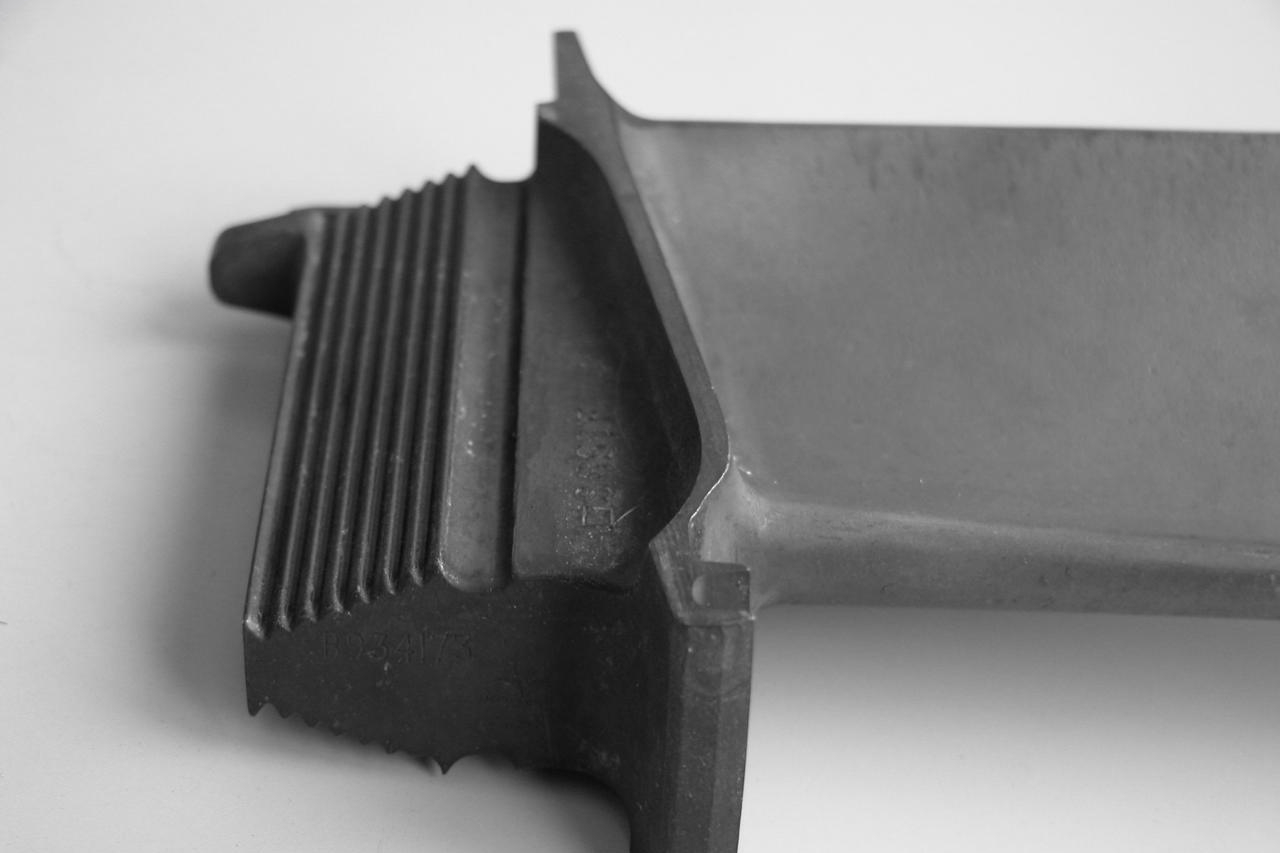
For this RFQ, buyers should list every part in the package and mark shared interfaces. A vane segment may mate with a shroud or seal segment. A combustor liner may need brackets or transition hardware. A blade or bucket may require root machining and platform finish that must match downstream assembly checks. If NewayAeroTech is asked to manufacture multiple parts, the quotation should identify which interfaces are controlled by drawing dimensions and which interfaces need fit-up review between supplied parts.
A sample set can help explain assembly logic, but worn gas turbine hardware often contains oxidation, coating residue, rubbed seal surfaces, and reworked edges. Sample condition should be recorded separately from final geometry. The buyer should approve the drawing, model, and revision level before the manufacturing route is fixed, especially for non-OEM custom manufacturing or maintenance-market support.
Assembly package element | Interface risk | RFQ definition needed |
Blade or bucket blank | Root fit, platform stock, airfoil cleanup, cooling feature access | Material route, machining stock, datum plan, and inspection requirements. |
Vane or nozzle segment | Flow path, platform face, seal land, thin-wall control | Casting route, core risk, final machining, and NDT scope. |
Shroud or seal segment | Arc profile, wear surface, coating readiness, mounting feature | Profile tolerance, surface treatment boundary, and CMM reporting. |
Combustor or transition part | Distortion, oxidation, bracket fit, weld or assembly handoff | Alloy grade, fabrication route, heat treatment, and visual/dimensional evidence. |
Group Material Routes Without Hiding Part-Level Requirements
Gas turbine assembly packages may contain different alloy routes in one purchase order. IN738LC, Inconel 713C, Rene 80, CMSX-4, Rene N5, Hastelloy X, Haynes 188, and FSX-414-type materials may appear depending on component function and customer specification. A blade may require single crystal or directional solidification, while a shroud or combustor-related component may use equiaxed casting or a fabricated alloy route. The supplier should not flatten the package into one generic superalloy description.
NewayAeroTech can review high-temperature alloy casting, vacuum investment casting, single crystal casting, and directional solidification casting when the drawings support those routes. The buyer should provide exact material callouts and any approved equivalent rule for each part in the package.
Route family | Where it may appear in an assembly package | Buyer approval point |
Equiaxed investment casting | Shrouds, seal segments, combustor hardware, support parts | Alloy grade, defect limits, machining allowance, and NDT scope. |
Directional or single crystal casting | Selected turbine blades or vanes when the design specifies grain control | Crystal requirement, orientation inspection, and nonconformance rules. |
CNC-machined alloy blank | Brackets, seal pieces, fixtures, and datum-heavy parts | Blank source, heat treatment, final machining, and CMM report. |
Fabricated or welded part | Liners, transition hardware, and support assemblies | Joint boundary, heat treatment, distortion control, and inspection handoff. |
Sequence Blank Manufacturing, Heat Treatment, and Final Machining
Assembly packages are sensitive to sequence. Cast parts may need cut-off, heat treatment, HIP review, NDT, and rough machining before final datum surfaces are established. Machined parts may need stress relief before final finishing. Coating-ready surfaces may need final cleaning after machining. A quote should show the order of operations, not only the list of capabilities. Superalloy CNC machining may be the step that connects cast blanks to assembly fit.
NewayAeroTech can review the route from blank to finished component when the buyer identifies final surfaces, stock allowance, and inspection requirements. If one supplier provides blanks and another performs final machining, the handoff condition must be defined. If NewayAeroTech is responsible for finished parts, the quote should include the required machining, heat treatment, post-process, and inspection package.
Post-Process Scope Should Be Assigned by Component Role
The same assembly may need different post-process rules for different parts. A blade blank may require HIP or heat treatment before root machining. A shroud may need coating preparation and wear-surface control. A combustor component may need oxidation-resistant surface treatment or cleaning. A bracket may need stress relief and final CMM. NewayAeroTech can review HIP, heat treatment, and superalloy post-process requirements when they are assigned part by part.
Buyers should avoid saying that all parts need the same finish unless the specification requires it. Surface preparation should follow the component role: flow-path surface, root surface, seal land, coating-ready face, or assembly bracket. Each role changes the post-process sequence and inspection evidence.
Component role | Likely post-process question | Quote evidence |
Blade or vane casting | HIP, heat treatment, FPI, X-ray/CT, orientation check if specified | Included steps and report package for each part number. |
Shroud or seal segment | Wear face, coating readiness, arc profile | Surface finish, coating-prep boundary, and CMM profile. |
Combustor or transition hardware | Oxidation, distortion, cleaning, weld or fixture marks | Surface condition, heat treatment record, and visual inspection. |
Bracket or fixture component | Stress relief, hole position, contact face | Machining report, hardness if required, and dimensional evidence. |
Inspection Must Prove Part Quality and Assembly Fit
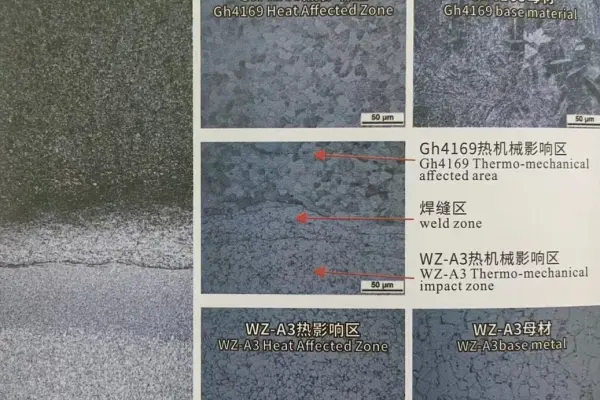
Inspection for a gas turbine assembly package should be organized by part number and by interface. FPI or DPI may be needed for cast or machined surfaces. X-ray or CT may be used for internal casting soundness. CMM reports are useful for root features, platform faces, seal lands, shroud arcs, bolt patterns, and bracket interfaces. Material records, heat-treatment records, hardness, metallography, and chemical analysis may be required depending on the drawing.
NewayAeroTech can support material testing and analysis as part of custom gas turbine assembly supply. Buyers should specify whether reports are needed for every part, sampled lots, or first articles only. A complete assembly quote should identify which evidence is included for each component rather than listing one generic quality-control phrase.
Prototype and First-Article Assembly Review
Prototype components may be used to check route feasibility, assembly clearance, or machining sequence before production. Additive manufacturing can support some fit-check or development hardware, while production-intent parts may require casting, machining, heat treatment, and inspection routes. The RFQ should state whether the prototype is only for geometry review or whether it must follow the intended production material and process.
First-article review should compare each part and the shared interfaces. Buyers should review dimensional reports, surface condition, NDT, material documents, post-process records, and any deviations before approving repeat production. If a shroud arc, vane platform, blade root, or bracket hole pattern needs correction, that decision should be closed before the next batch.
Matched-set control should be discussed when multiple components are supplied together. If a vane segment, shroud, seal piece, and bracket are manufactured in the same package, the buyer should define whether each part is inspected independently or whether a fit-up check is also required. That decision changes fixture planning, CMM reporting, packaging, and how deviations are reviewed.
Commercial comparison should also separate route cost by part number. Tooling, casting development, final machining, HIP, coating preparation, and inspection may not apply equally to every part in the assembly. A supplier response that shows those differences helps the buyer see which items are cost drivers and which items can be managed as repeatable production pieces.
RFQ Checklist for Gas Turbine Alloy Assembly Packages
Send the part list, 2D drawings, 3D models, material grades, quantities, assembly relationship, interface notes, machining stock, heat treatment requirements, coating or coating-preparation needs, inspection standards, and sample photos if available. Mark shared interfaces, final surfaces, critical dimensions, and part numbers that must be delivered as a matched set. State whether the quote is for blanks, machined parts, finished components, or an assembly-support package with reports.
Ask the supplier to return a route plan by part number, included operations, excluded operations, post-process scope, inspection deliverables, and open engineering questions. NewayAeroTech can review this package and suggest a custom manufacturing route for high-temperature alloy gas turbine assemblies without claiming OEM spare-part supply or unsupported application approvals.
Related FAQs
What are the most common superalloys used in gas turbine assemblies?
How does single-crystal casting improve the performance of turbine blades?
What quality control tests are essential for gas turbine assemblies?
What are the advantages of 3D printing in gas turbine component manufacturing?
What are the most commonly used alloys in gas turbine components?
How do manufacturing processes affect the performance of gas turbine components?
What post-processing methods are essential for gas turbine components?
For gas turbine assembly RFQs, define the package boundary, material route by part, interface responsibility, post-process scope, and inspection evidence before comparing suppliers. NewayAeroTech can support custom high-temperature alloy component manufacturing based on customer drawings and technical requirements.