How to Choose the Right Casting Route for GE Frame 6B Parts
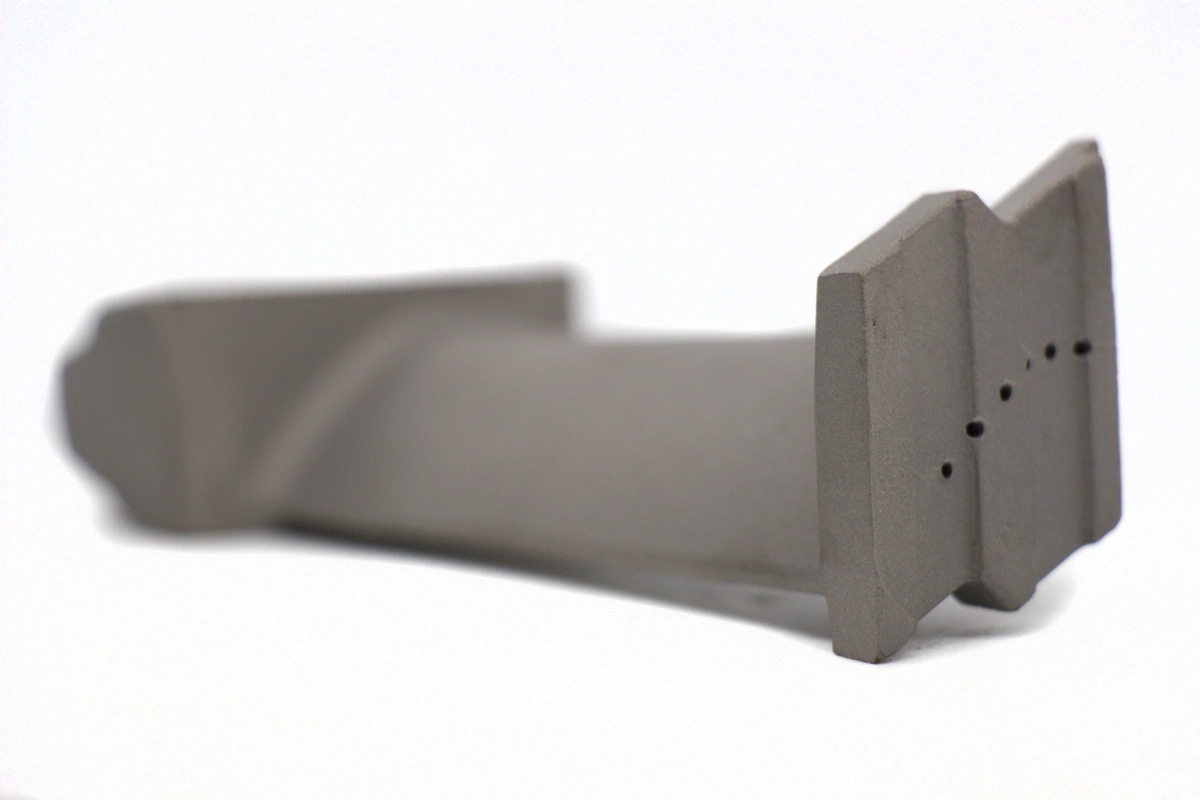
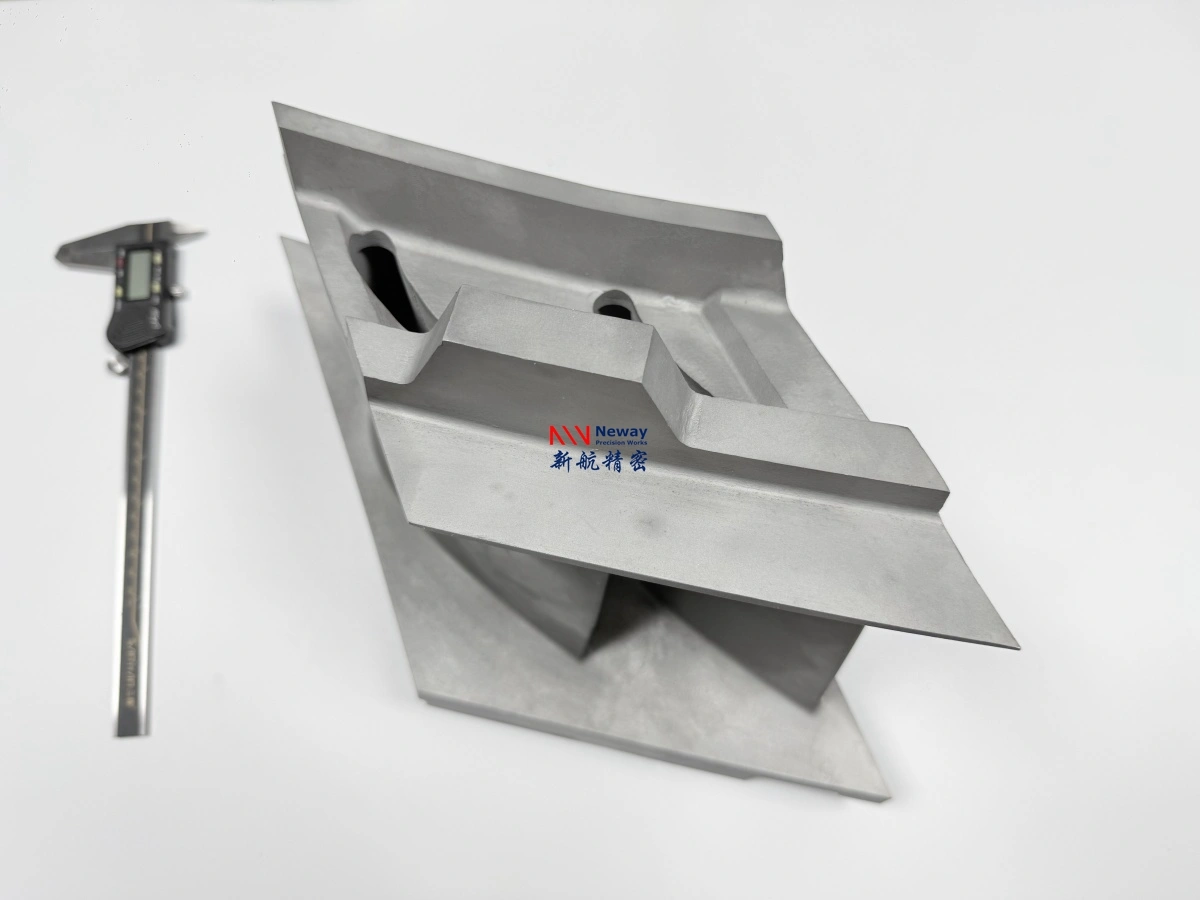
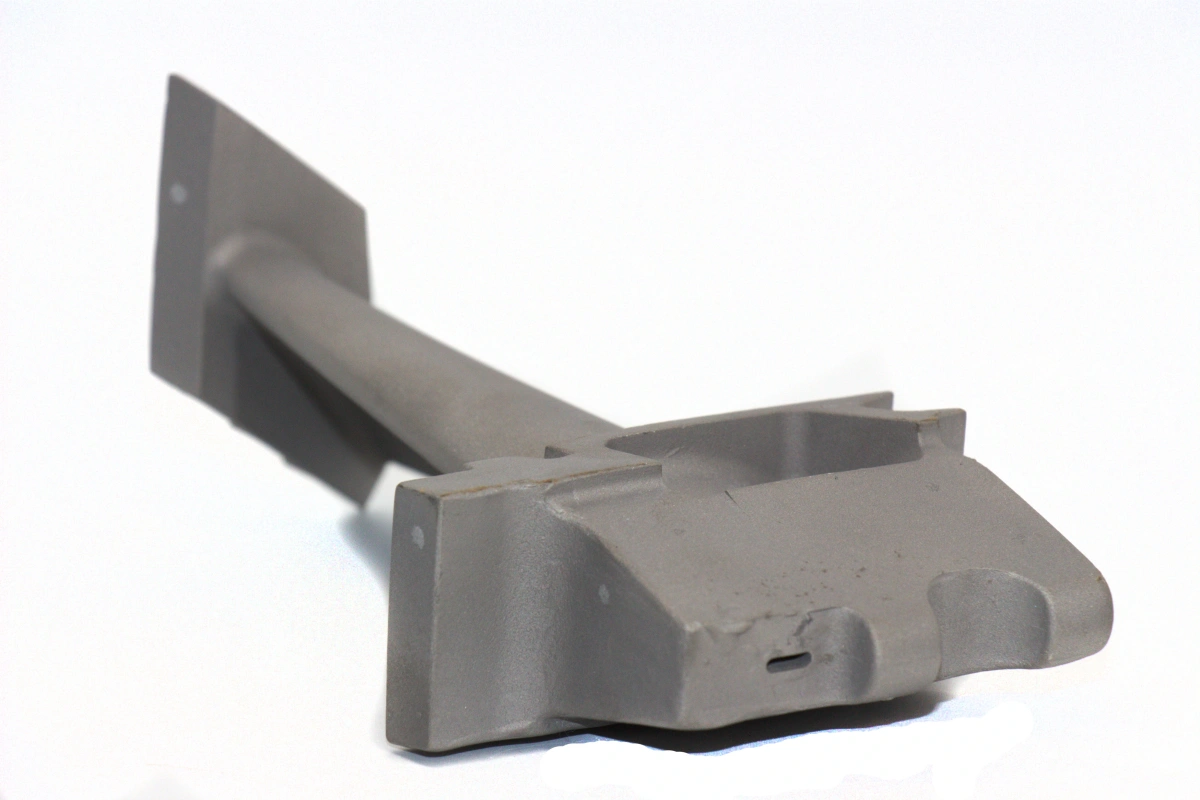
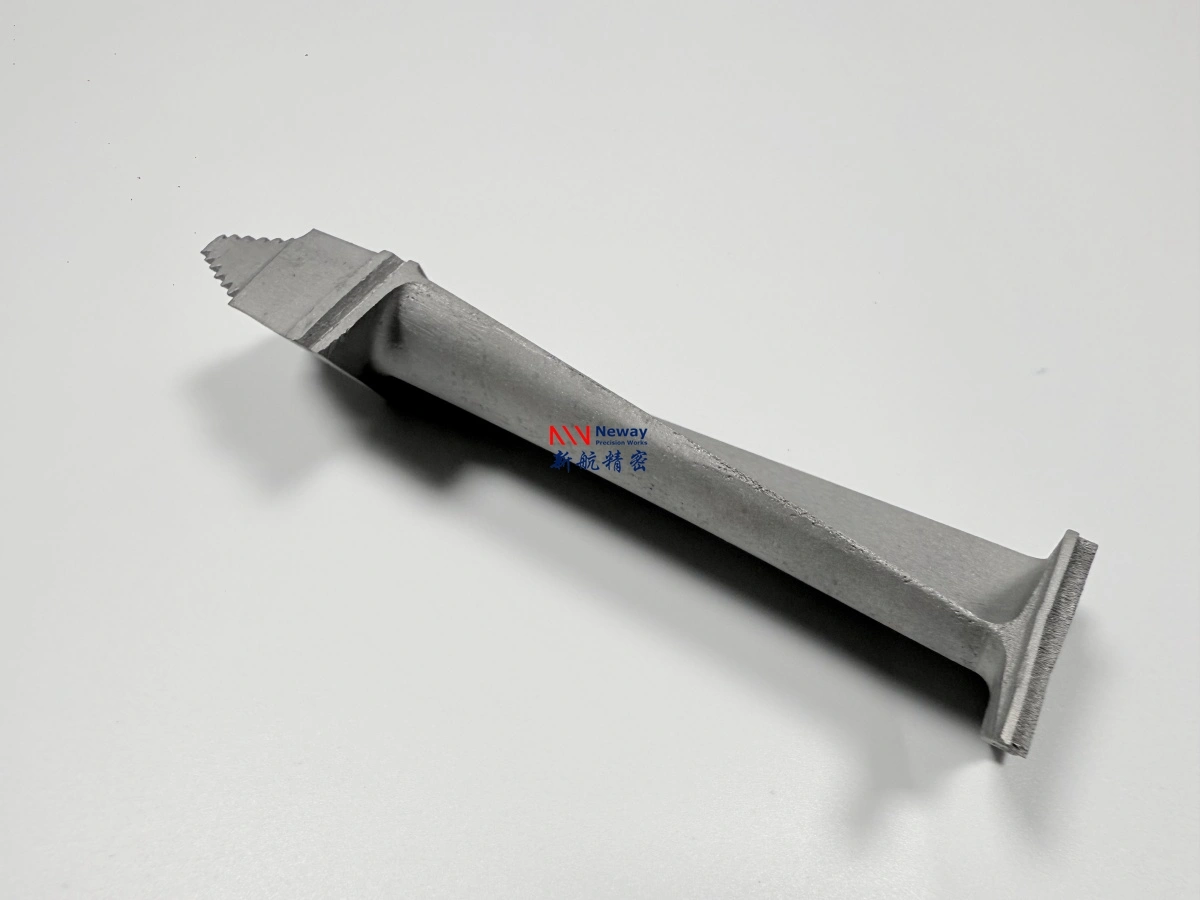
Choosing the right casting route for GE Frame 6B parts is one of the most important decisions in high-temperature component manufacturing. Different parts in the Frame 6B platform operate under different thermal, mechanical, and environmental loads, so the best casting route depends on the component’s service temperature, stress mode, expected life, repair strategy, and cost target. For turbine blades, vanes, nozzle segments, shrouds, and other hot-section components, the decision often comes down to three major routes: Equiaxed Crystal casting, Superalloy Directional Casting, and Single Crystal Casting.
Each route offers a different balance of cost, manufacturability, creep resistance, fatigue behavior, defect sensitivity, and downstream process complexity. For GE Frame 6B aftermarket and replacement parts, selecting the correct route can improve service reliability, control manufacturing cost, and reduce the risk of overengineering or underengineering the component. In practice, the best choice is usually made by matching the casting structure to the actual duty of the part rather than defaulting to the highest-grade route in every case.
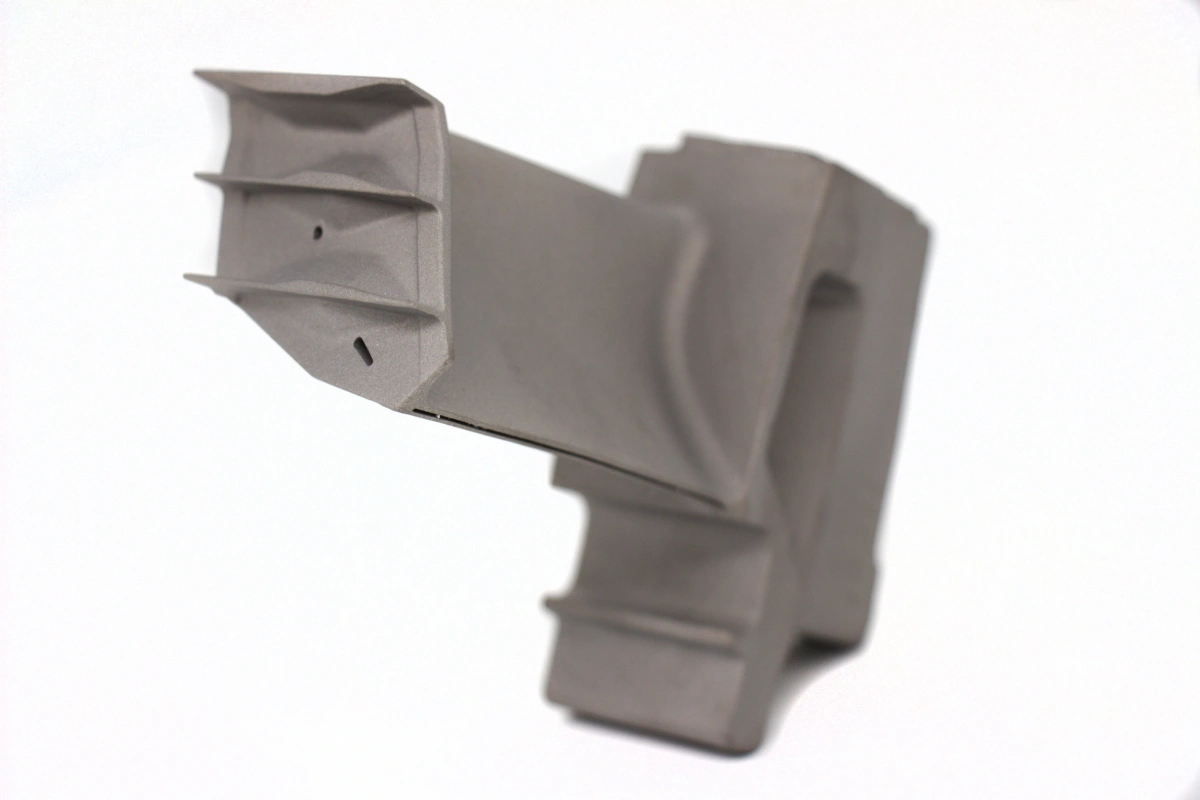
Why Casting Route Selection Matters for Frame 6B Parts
GE Frame 6B parts experience a wide range of operating conditions depending on where they sit in the turbine. Some components mainly face oxidation and moderate thermal cycling. Others operate under sustained high temperature with significant centrifugal loading, vibration, and thermal fatigue. A component that performs well as an equiaxed casting may not survive if used in a more highly stressed hot-section location, while a single-crystal route may be unnecessary and too expensive for parts that do not benefit from its full performance potential.
The casting route also affects repairability, inspection strategy, machining behavior, coating compatibility, and lead time. For this reason, casting selection should be treated as part of a complete manufacturing route that may also include Vacuum Investment Casting, Heat Treatment, Hot Isostatic Pressing (HIP), Superalloy CNC Machining, Superalloy Welding, and Thermal Barrier Coating (TBC).
Understanding the Three Main Casting Routes
Equiaxed Casting
Equiaxed Crystal casting produces a polycrystalline structure with grains growing in multiple directions. This route is widely used because it offers a practical balance of cost, manufacturability, and mechanical performance. It is often suitable for components that require good overall strength and thermal resistance but do not operate under the most extreme creep-driven conditions.
Equiaxed castings are commonly chosen for components where part geometry is complex, cost sensitivity is important, and the operating stress is lower than in the most highly loaded rotating hot-section parts. They can also be attractive for repairable or replaceable hardware in industrial gas turbine service.
Directional Casting
Directional Casting creates elongated grains aligned primarily along the main stress direction. By reducing the number of grain boundaries transverse to the principal load, directional castings generally offer better creep and fatigue resistance than equiaxed structures in high-temperature service.
This route is especially relevant for blades, vanes, and hot gas path components that face sustained thermal loading and stress in predictable directions. Directional casting often provides a strong middle ground between equiaxed affordability and single-crystal performance.
Single Crystal Casting
Single Crystal Casting eliminates high-angle grain boundaries altogether, producing a component with a single crystallographic orientation. This gives the structure excellent creep resistance and strong high-temperature fatigue performance in the right applications. Single crystal is typically used where the highest hot-section performance is required and the service environment justifies the extra manufacturing complexity and cost.
This route is generally selected for the most thermally and mechanically demanding turbine blades and guide vanes, particularly where long life at elevated temperature is critical and the component benefits directly from boundary-free crystal structure.
When Equiaxed Casting Is the Right Choice for Frame 6B Parts
Equiaxed casting is often the best choice when the GE Frame 6B part needs good high-temperature capability but does not require the premium creep resistance of directional or single-crystal structures. This can apply to selected vanes, nozzles, combustion-adjacent structures, support hardware, and some hot gas path parts where thermal exposure is significant but the stress state is less severe than in highly loaded rotating blades.
Equiaxed casting is also attractive when cost control and manufacturability are priorities. It can support complex shapes well, integrates efficiently with Vacuum Investment Casting, and usually offers more flexibility for repair and downstream processing. In aftermarket programs, it is often a practical solution for replacement parts where performance targets are demanding but not extreme.
Material systems commonly considered in equiaxed casting routes include Inconel alloy, Nimonic alloy, Hastelloy alloy, Stellite alloy, and selected Rene Alloys, depending on the exact function of the part.
When Directional Casting Is the Right Choice for Frame 6B Parts
Directional casting becomes the better option when the component experiences strong thermal and mechanical loading in a primary direction and needs better creep strength than an equiaxed structure can reliably provide. This is often relevant for first-stage or other high-duty blades, vanes, and selected hot gas path parts where prolonged elevated-temperature exposure drives life consumption.
For GE Frame 6B hardware, directional casting can be a particularly strong fit when the service demands are too high for a conventional equiaxed route but cost or manufacturability still makes single crystal less attractive. It helps improve high-temperature performance without moving to the most complex casting route available.
Directional casting can also work well when the part must balance performance and supply practicality in industrial turbine service. In many cases, it is the most efficient route for components that must survive elevated creep loading but still need to remain realistic from a production and cost standpoint.
When Single Crystal Casting Is the Right Choice for Frame 6B Parts
Single crystal casting is the right choice when the part operates in the most demanding thermal environment and gains clear life or reliability benefits from eliminating grain boundaries. For Frame 6B parts, this route is generally reserved for premium hot-section blade or vane applications where creep and thermal fatigue resistance at very high temperature are dominant design requirements.
However, single crystal is not automatically the best solution for every hot-section part. It introduces greater manufacturing complexity, more defect sensitivity, more stringent process control, and typically higher cost. If the component does not fully benefit from a single-crystal structure, the extra expense may not create real value. This is why route selection should be based on actual service conditions rather than the assumption that higher structure sophistication always means better overall economics.
Where single crystal is appropriate, material families such as CMSX Series, Single Crystal Alloy, and advanced Rene Alloys are commonly associated with these routes.
Comparing Equiaxed, Directional, and Single Crystal for Frame 6B Parts
Performance vs. Cost
Equiaxed castings usually offer the lowest cost and the broadest manufacturability. Directional casting adds process complexity and cost but improves high-temperature mechanical performance in the primary stress direction. Single crystal delivers the highest theoretical hot-section performance, but it also requires the greatest process control and usually the highest investment.
For many Frame 6B aftermarket parts, directional casting is the best compromise when equiaxed is not enough and single crystal is more than the application truly needs.
Manufacturing Complexity
Equiaxed casting is generally more forgiving and easier to scale for a wider range of geometries. Directional casting requires tighter control of solidification and defect management. Single crystal requires extremely tight orientation control and defect prevention throughout the process.
As the structure becomes more advanced, inspection and qualification demands also become more demanding, particularly when the component is intended for critical hot-section use.
Repair and Maintenance Considerations
Repair strategy matters in industrial gas turbine service. Some equiaxed and directional parts may fit more naturally into restoration programs involving Superalloy Welding, dimensional recovery, and recoating. Single-crystal parts can require much stricter repair controls because maintaining the structural advantages of the original casting route is more challenging.
This does not mean single crystal should be avoided. It simply means that route selection should consider the full lifecycle of the part, not only the initial manufacturing stage.
Role of Vacuum Investment Casting in All Three Routes
Vacuum Investment Casting supports all three routes by providing the precision shell-based process foundation needed for advanced high-temperature alloy casting. It is especially important because it helps control contamination and oxidation during melting and pouring, which is critical for superalloy integrity.
Whether the final structure is equiaxed, directional, or single crystal, vacuum-controlled casting conditions help improve alloy cleanliness, dimensional consistency, and process reliability. This makes vacuum investment casting one of the core enabling processes behind advanced Frame 6B part manufacturing.
How Post-Processing Affects the Best Route Choice
The casting route cannot be chosen in isolation. Downstream processes strongly influence final part performance and total manufacturing efficiency. After casting, Frame 6B parts may require Heat Treatment to stabilize the microstructure, HIP to improve internal soundness, CNC Machining to generate final interfaces, and TBC to extend high-temperature life.
These processes can raise the performance of equiaxed or directional cast parts significantly, and they may change the economic balance between the three routes. A well-designed equiaxed or directional part with strong post-processing may outperform a poorly matched single-crystal solution in real-world cost-effectiveness.
Importance of Testing and Inspection in Route Selection
Inspection and testing are central to casting route selection because each structure presents different defect risks and quality requirements. Material Testing and Analysis helps verify that the chosen route has produced the intended microstructure, chemistry, and internal integrity.
For Frame 6B parts, quality control may involve dimensional verification, X-ray inspection, metallographic review, chemical analysis, and mechanical testing depending on the component function. More advanced routes generally demand tighter verification because the consequences of structural defects can be more severe.
Practical Guidelines for Choosing the Right Route
Equiaxed casting is usually the best starting point when the part faces moderate-to-high thermal service but not the most extreme creep-driven load. Directional casting is typically the right step when the part sees higher sustained temperature and stress in a defined direction and needs more life margin. Single crystal is most appropriate when the part truly operates in the most severe environment and the performance gain justifies the extra cost and process control.
In other words, the right route is the one that matches the real service duty of the GE Frame 6B component while also fitting the manufacturing, inspection, and maintenance strategy behind the part.
Related High-Temperature Component Applications
The same selection logic used for GE Frame 6B parts also applies broadly across Power Generation and other severe-service sectors such as Energy and Aerospace and Aviation. Similar manufacturing decisions appear in gas turbine components, high-temperature alloy assemblies, jet engine components, and turbine engine parts.
This wider context shows that casting route selection is not only a material science decision. It is also a lifecycle manufacturing decision shaped by geometry, service conditions, cost, repair logic, and inspection requirements.
Conclusion
Choosing the right casting route for GE Frame 6B parts means matching the part’s service demands to the most appropriate structure: equiaxed for balanced performance and cost, directional for improved high-temperature strength in the main stress direction, or single crystal for the most demanding hot-section environments. No single route is universally best. The correct answer depends on how the component actually works in service.
When supported by Vacuum Investment Casting, proper post-processing, and reliable inspection, each of these casting routes can play a valuable role in GE Frame 6B aftermarket and replacement part manufacturing. The best results come from choosing the route that delivers the required life and reliability without unnecessary cost or unnecessary complexity.
FAQs