Which 6B parts are typically made with equiaxed casting?
Which 6B parts are typically made with equiaxed casting rather than directional or single crystal casting?
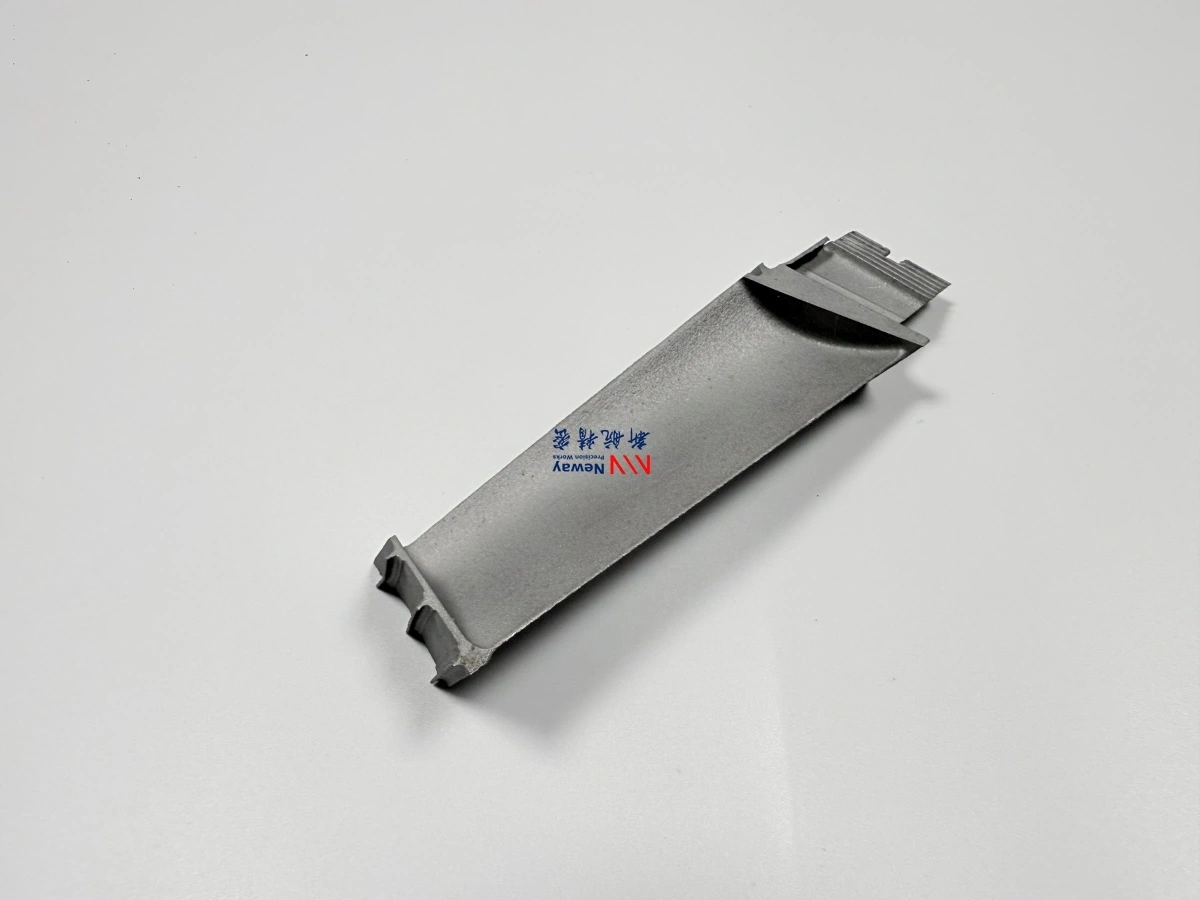
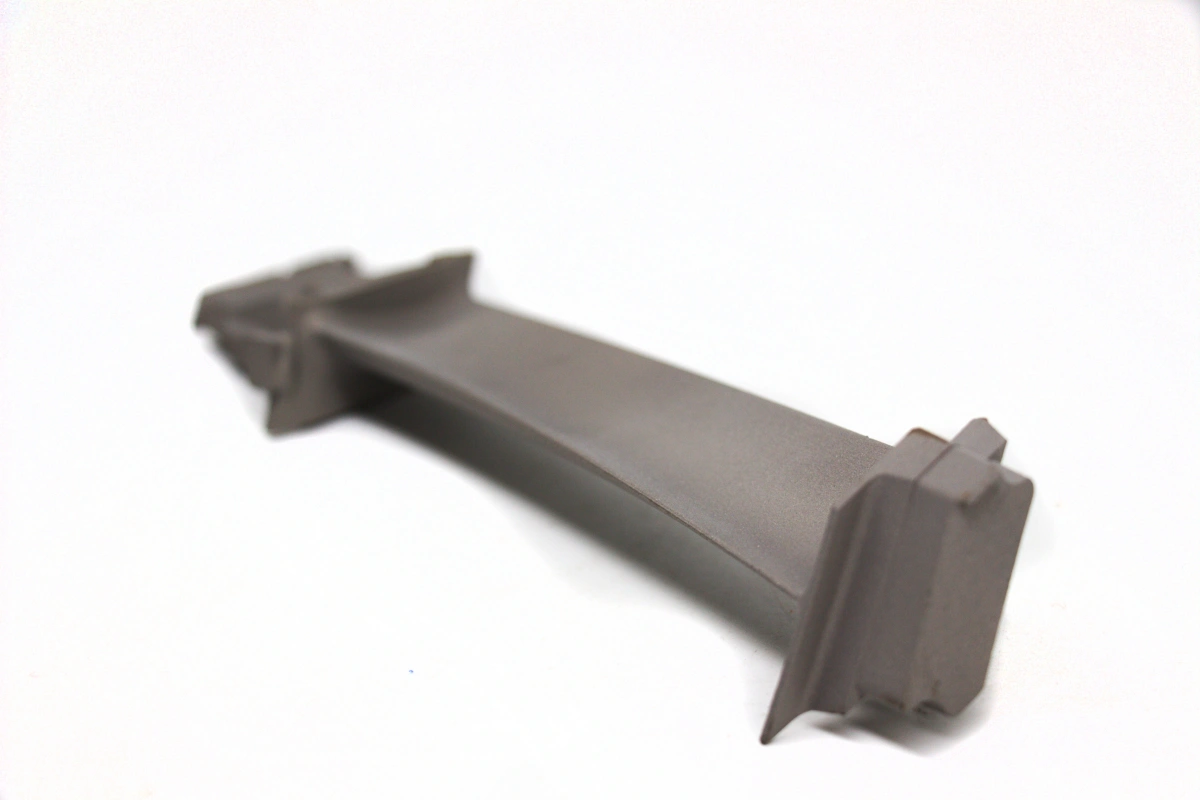
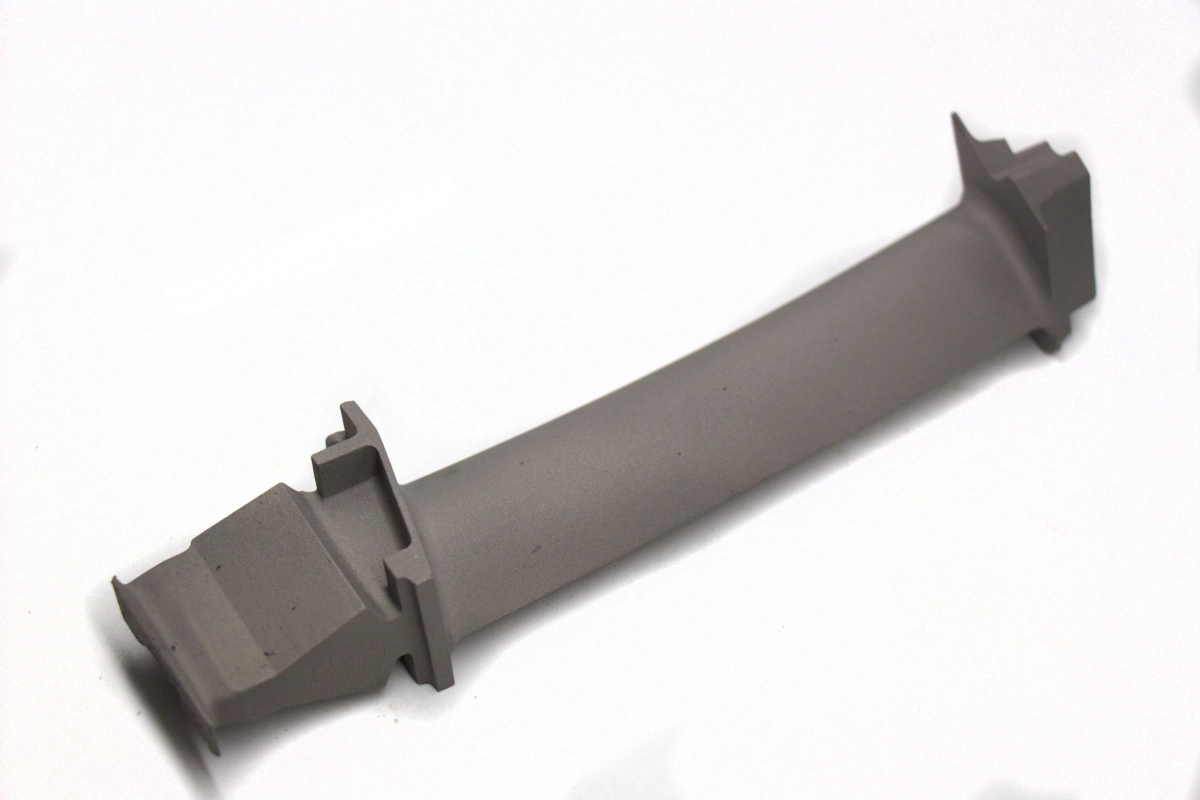
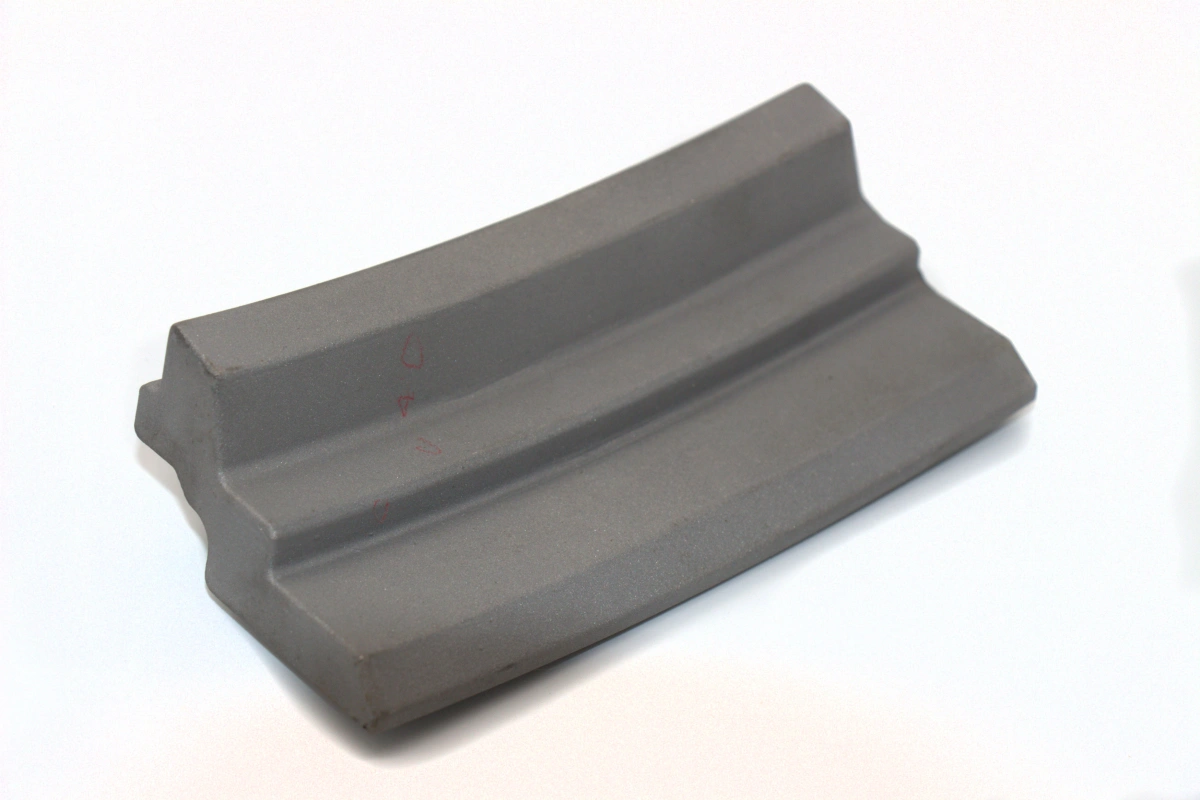
In 6B gas turbines, the parts most commonly made with equiaxed casting are components that need good high-temperature strength, oxidation resistance, and cost-effective manufacturability, but do not require the maximum creep life of directional or single-crystal airfoils. In practice, these usually include nozzle rings, guide vane segments in moderate-duty zones, combustor hardware, transition-related cast structures, shrouds, seal segments, heat shields, and many general hot-section structural parts.
1. Why Equiaxed Casting Is Common for Many 6B Parts
Equiaxed casting is widely used for 6B components because it offers a practical balance between performance, production efficiency, and cost. Many 6B parts operate in severe environments, but not every component sits in the highest creep-loaded zone where directional casting or single crystal casting becomes essential. For medium-complexity hot-section hardware, equiaxed structures are often sufficient and can be produced more economically through controlled vacuum investment casting.
This is especially true for parts where geometry complexity, flange features, wall consistency, and installation fit matter more than achieving the absolute maximum creep capability available in premium airfoil casting routes.
2. 6B Parts Most Often Produced by Equiaxed Casting
6B Part Type | Typical Casting Route | Why Equiaxed Is Common | Main Engineering Priority |
|---|---|---|---|
Nozzle rings | Equiaxed | Segmented ring geometry and thermal duty suit equiaxed cast production well | Dimensional stability and oxidation resistance |
Guide vane segments in moderate-duty zones | Equiaxed | Good balance of cost, castability, and hot-service strength | Thermal durability and profile repeatability |
Combustor hardware | Equiaxed | These parts often need oxidation resistance and fabrication flexibility more than maximum creep life | Thermal fatigue and service practicality |
Transition-related cast structures | Equiaxed | Irregular geometry and structural hot-duty service are well suited to equiaxed blanks | Geometry control and weld compatibility |
Shrouds and seal segments | Equiaxed | These parts need balanced heat resistance and efficient batch production | Wear, oxidation, and fit-up accuracy |
Heat shields and thermal covers | Equiaxed | Thin-wall contoured shapes are commonly produced as equiaxed castings | Hot-face durability and manufacturing efficiency |
General hot-section structural castings | Equiaxed | Often sufficient where creep demand is lower than first-stage blade duty | Cost-effective high-temperature service |
3. Which 6B Parts Are Less Likely to Use Equiaxed Casting?
The parts least likely to remain equiaxed are the most thermally stressed and creep-loaded turbine airfoils, especially blades in the hottest gas-path positions. Those parts may require directional or single-crystal structures because grain orientation becomes more important as temperature and sustained stress increase. So while equiaxed casting is common across many 6B hot-section parts, it is not usually the preferred route for the most demanding blade applications.
Part Category | More Likely Route | Reason |
|---|---|---|
Highest-temperature turbine blades | Directional or single crystal | Need stronger creep resistance and longer hot-section life |
Severe-duty airfoils | Directional | Grain alignment improves high-temperature load capability |
Extreme-duty blade designs | Single crystal | Eliminates many grain-boundary creep limitations |
4. Why Nozzle Rings, Combustion Parts, and Shrouds Are Strong Equiaxed Candidates
These parts are strong equiaxed candidates because they usually benefit more from stable casting geometry, oxidation resistance, repair practicality, and cost-effective near-net-shape production than from the premium creep performance of advanced grain-control routes. For example, nozzle rings need consistent segment geometry and reliable hot-section durability, while combustor-related parts often prioritize thermal fatigue behavior, weldability, and compatibility with later post-process operations.
Shrouds and seal segments also fit the equiaxed route well because they often work in thermally loaded but not maximum-creep-limited conditions. Their performance depends heavily on alloy stability, dimensional repeatability, and later finishing rather than on the most advanced grain orientation technology.
5. Common Alloy Families Used in Equiaxed 6B Castings
Equiaxed 6B castings commonly use nickel-based materials selected for oxidation resistance, thermal stability, and castability. Depending on the part, the material route may come from Inconel alloys, Nimonic alloys, Rene alloys, or other high-temperature casting alloys. These materials are often chosen because equiaxed structures can still deliver strong service life in many 6B combustion and structural hot-section locations without the higher cost of premium airfoil routes.
6. What Processes Usually Follow Equiaxed Casting?
Even when a 6B part is best made by equiaxed casting, the part still usually needs additional finishing stages before service. Depending on the part type, the route may include heat treatment, HIP, precision machining, and full inspection and analysis. In hotter exposed zones, protective coating may also be required for better oxidation and thermal performance.
So equiaxed casting should be seen as the starting grain-structure route, not the full manufacturing solution by itself.
7. Summary
If the 6B part is... | Typical Choice |
|---|---|
Nozzle ring | Equiaxed casting |
Combustor or transition-related cast hardware | Equiaxed casting |
Shroud or seal segment | Equiaxed casting |
Moderate-duty guide vane segment | Often equiaxed casting |
Highest-temperature turbine blade | Usually directional or single crystal |
In summary, the 6B parts most typically made with equiaxed casting are nozzle rings, combustor hardware, transition-related cast structures, shrouds, seal segments, heat shields, and many general hot-section structural components. These parts usually need strong high-temperature durability and efficient manufacturing, but not the maximum creep capability demanded by the most severe blade applications. For related capability references, see power generation, gas turbine components, and equiaxed casting components.