How does grain structure affect creep and thermal fatigue resistance?
How does grain structure affect creep and thermal fatigue resistance?
Grain structure strongly affects creep and thermal fatigue resistance because it controls how a metal deforms, how cracks initiate, and how damage spreads at high temperature. In turbine and combustion components, the difference between equiaxed, directional, and single crystal structures can determine whether a part maintains shape for thousands of hours or develops early cracking under cyclic heating and cooling.
1. Why Grain Structure Matters at High Temperature
At elevated temperature, metals do not fail only because of high stress. They also fail because atoms gradually move, grain boundaries slide, and local thermal expansion repeatedly loads the structure. Grain structure determines how easily these damage mechanisms occur. When the structure contains many randomly oriented grain boundaries, it usually has more paths for creep deformation and crack growth. When the grains are aligned, or when grain boundaries are largely eliminated, the part can better resist long-term thermal and mechanical loading.
2. How Grain Structure Affects Creep Resistance
Creep is time-dependent deformation under load at high temperature. In hot-section components, creep can cause bowing, loss of tip clearance, distortion of sealing faces, or eventual rupture. Grain boundaries are often weak zones during creep exposure, especially when stress acts across them for long periods.
Grain Structure | Creep Behavior | Main Reason |
|---|---|---|
Equiaxed | Good general high-temperature performance | Random grains create more grain-boundary sliding paths under sustained load |
Directional | Better creep resistance | Aligned grains reduce boundary weakness along the main stress direction |
Single crystal | Best creep resistance | Eliminates most transverse grain boundaries that promote creep damage |
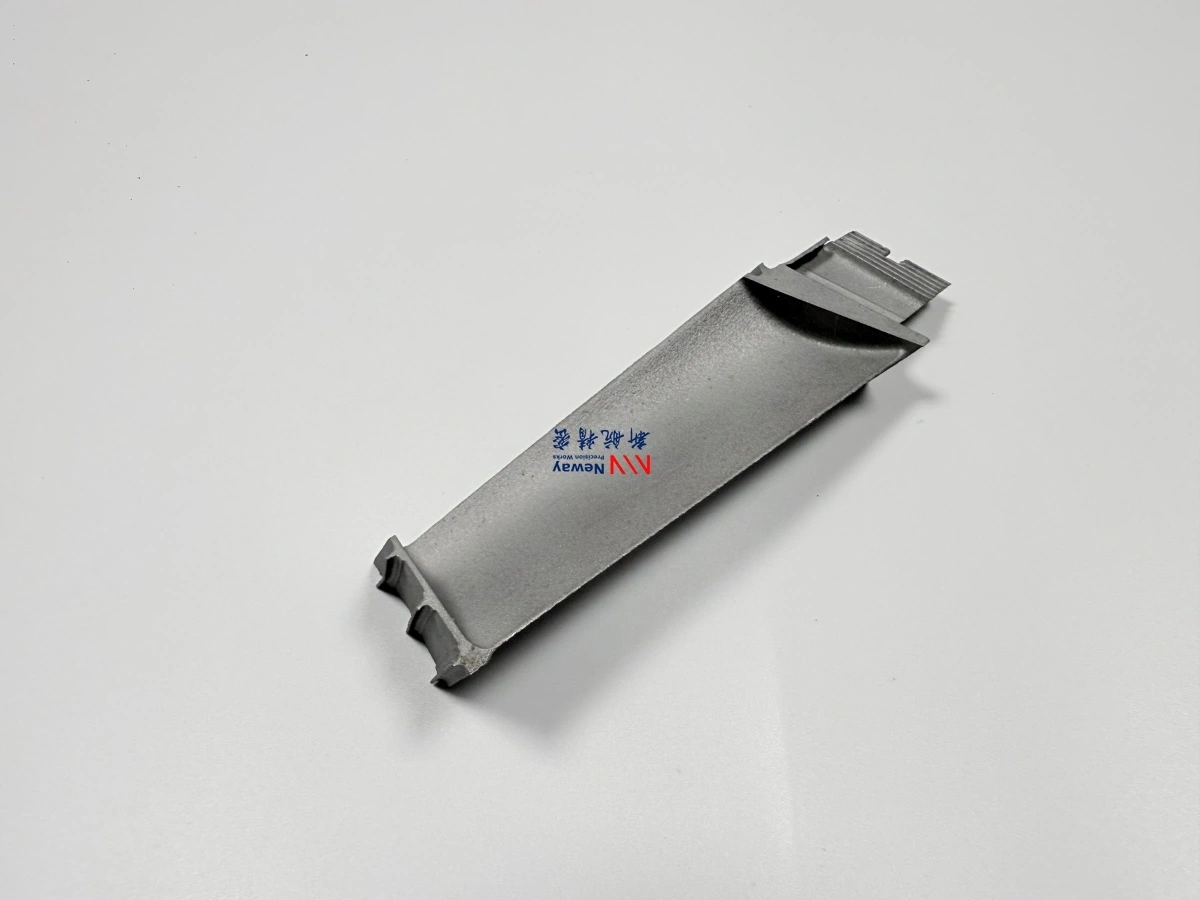
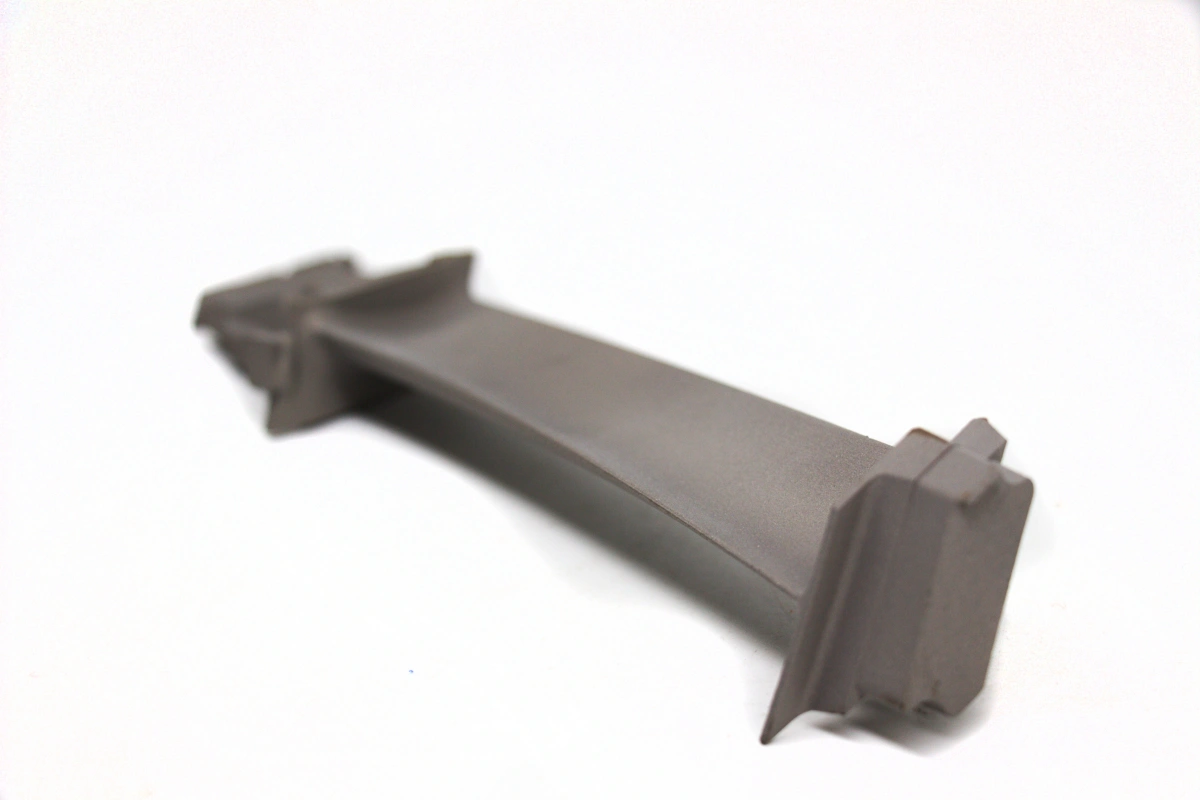
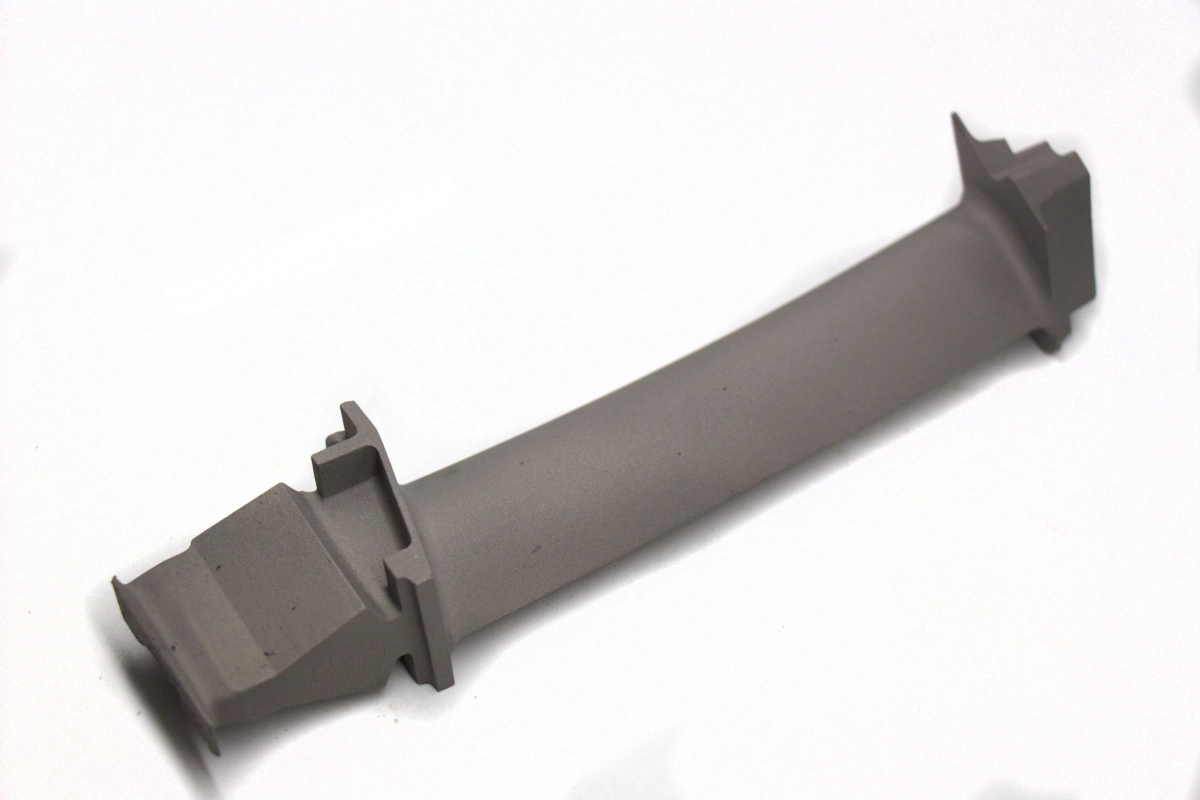
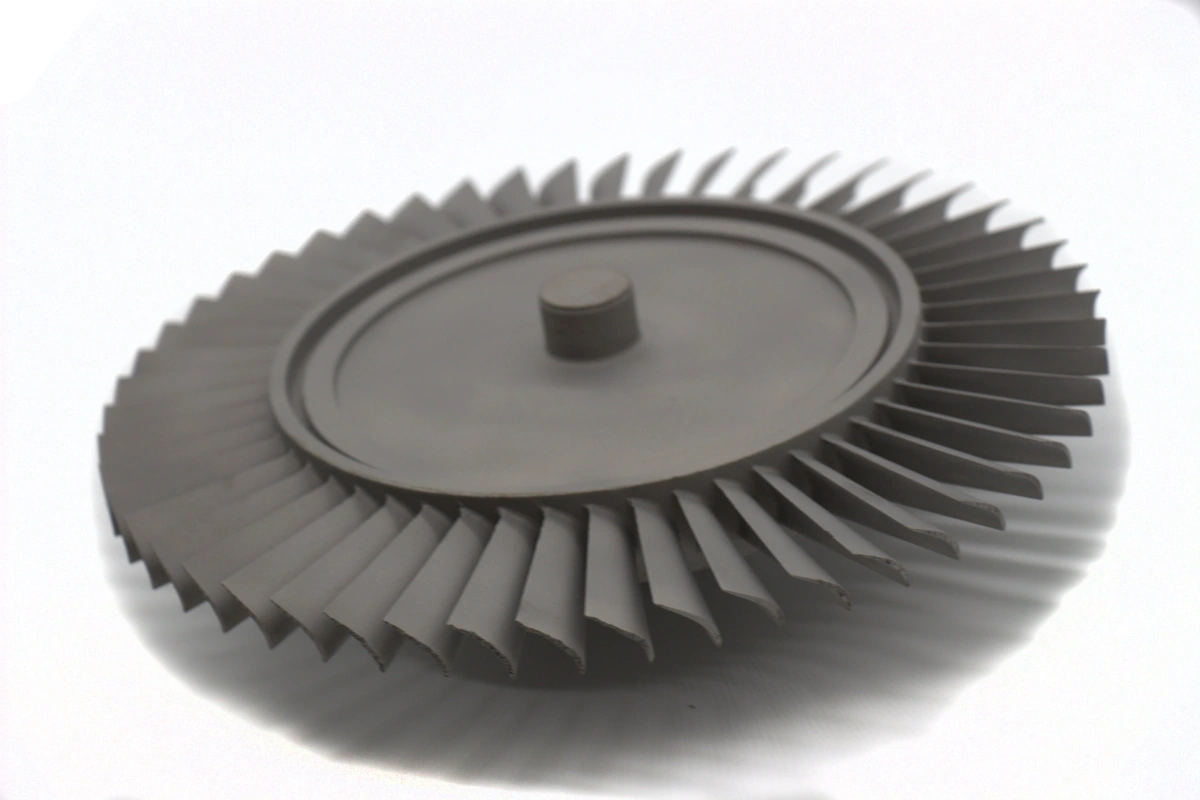
This is why components produced by equiaxed crystal casting are often suitable for general hot-section hardware, while more severely loaded vanes and blades may benefit from directional casting or single crystal casting.
3. How Grain Structure Affects Thermal Fatigue Resistance
Thermal fatigue develops when repeated heating and cooling cause cyclic expansion and contraction. If the metal cannot accommodate those strains smoothly, microcracks form and grow. Grain boundaries, especially randomly oriented ones, often become initiation sites for these cracks because neighboring grains do not deform in exactly the same way.
Grain Structure | Thermal Fatigue Resistance | Typical Damage Pattern |
|---|---|---|
Equiaxed | Good | Cracks may initiate at grain boundaries, pores, or sharp thermal gradients |
Directional | Better | Aligned structure lowers crack sensitivity in the main working direction |
Single crystal | Excellent in severe hot zones | Fewer grain-boundary-driven cracks under cyclic thermal stress |
In practical terms, a finer or better-controlled grain structure can delay crack initiation, while a poorly oriented or defect-rich structure can shorten life even if the alloy chemistry is correct.
4. Why Equiaxed, Directional, and Single Crystal Behave Differently
Structure Type | Main Advantage | Main Limitation | Typical Best-Fit Use |
|---|---|---|---|
Equiaxed | Balanced cost, castability, and durability | More grain-boundary creep and fatigue sensitivity | Nozzle rings, combustor structures, shrouds, seals |
Directional | Higher creep life with better thermal fatigue behavior | Higher cost and tighter process control | Higher-duty vanes, selected blades, hotter gas-path parts |
Single crystal | Maximum high-temperature capability | Most demanding process route and highest cost | Most severe blade applications |
5. Grain Structure and Defect Sensitivity Are Linked
Grain structure does not act alone. Its real effect depends on porosity, inclusions, segregation, and final microstructural quality. For example, an aligned grain structure can still perform poorly if internal defects remain after casting. That is why creep and thermal fatigue resistance depend on both the casting route and the quality of later processing such as HIP, heat treatment, and material testing and analysis.
A cleaner and more stable metallurgical condition helps the intended grain structure actually deliver its life benefit in service.
6. Which Structure Should Be Used?
The right choice depends on temperature, stress, duty cycle, and cost target. If the part mainly needs balanced high-temperature durability and economical production, equiaxed structure is often enough. If creep and thermal fatigue demands rise, directional solidification becomes more attractive. If the component works in the most severe blade environment and every life margin matters, single crystal becomes more justified.
If the priority is... | Best Grain Structure Option |
|---|---|
Balanced cost and durability | Equiaxed |
Higher creep resistance without maximum premium cost | Directional |
Maximum hot-section blade life | Single crystal |
7. Summary
In summary, grain structure affects creep and thermal fatigue resistance by controlling how the metal deforms and where cracks begin at high temperature. Equiaxed structures are suitable for many hot-section castings, directional structures improve creep and cyclic durability by aligning grains, and single crystal structures provide the highest resistance by removing most grain-boundary weakness. For related capability references, see high-temperature alloy casting, equiaxed material analysis, and single crystal durability.