Turbine Engine Parts: Advanced Alloy Manufacturing Services for Aerospace Precision
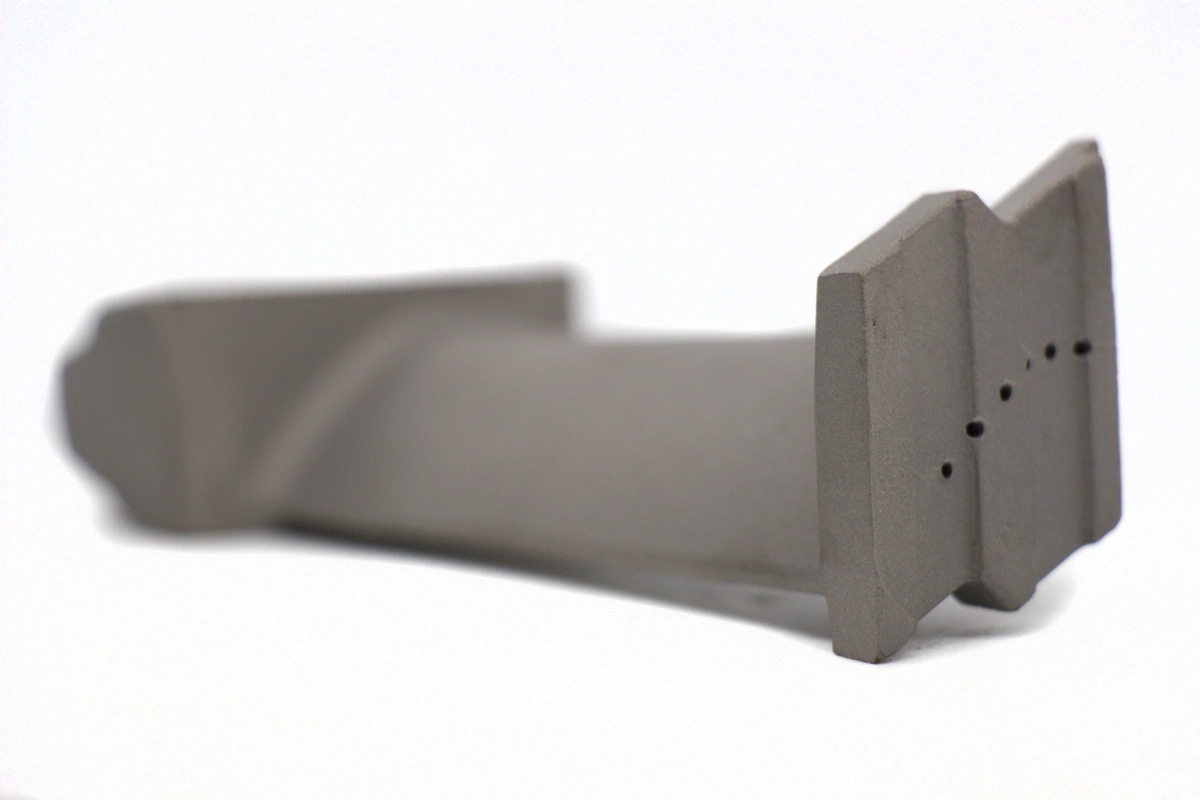
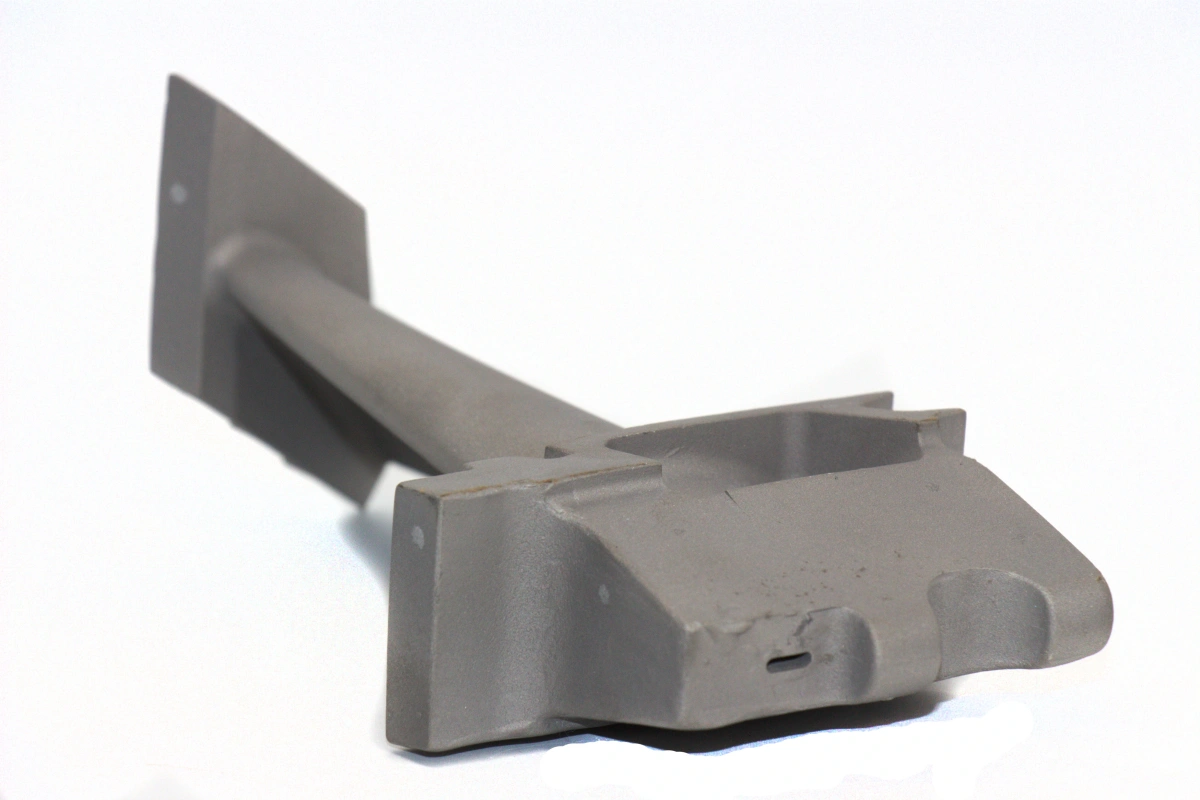
Aerospace turbine engine parts are not quoted well from a part name alone. A blade, vane, nozzle segment, shroud, seal, bracket, disc-adjacent blank, or combustor-related component can require a different alloy, forming route, machining allowance, and inspection package. Buyers should first define the component family, hot-zone exposure, final delivery condition, and evidence needed for release. That gives the supplier enough information to decide whether vacuum investment casting, single crystal casting, directional solidification, forging, CNC machining, or a combined route should be reviewed.
NewayAeroTech supports custom high-temperature alloy components based on drawings, models, specifications, and RFQ requirements. For turbine engine hardware, the useful supplier discussion usually links vacuum investment casting, superalloy casting route selection, heat treatment, HIP when required, superalloy CNC machining, and inspection records. The buyer receives a clearer quotation when the RFQ separates rough cast or forged scope from final-machined delivery and states which surfaces, holes, flow-path features, or attachment interfaces control acceptance.
Start with Component Family, Not a Generic Part Label
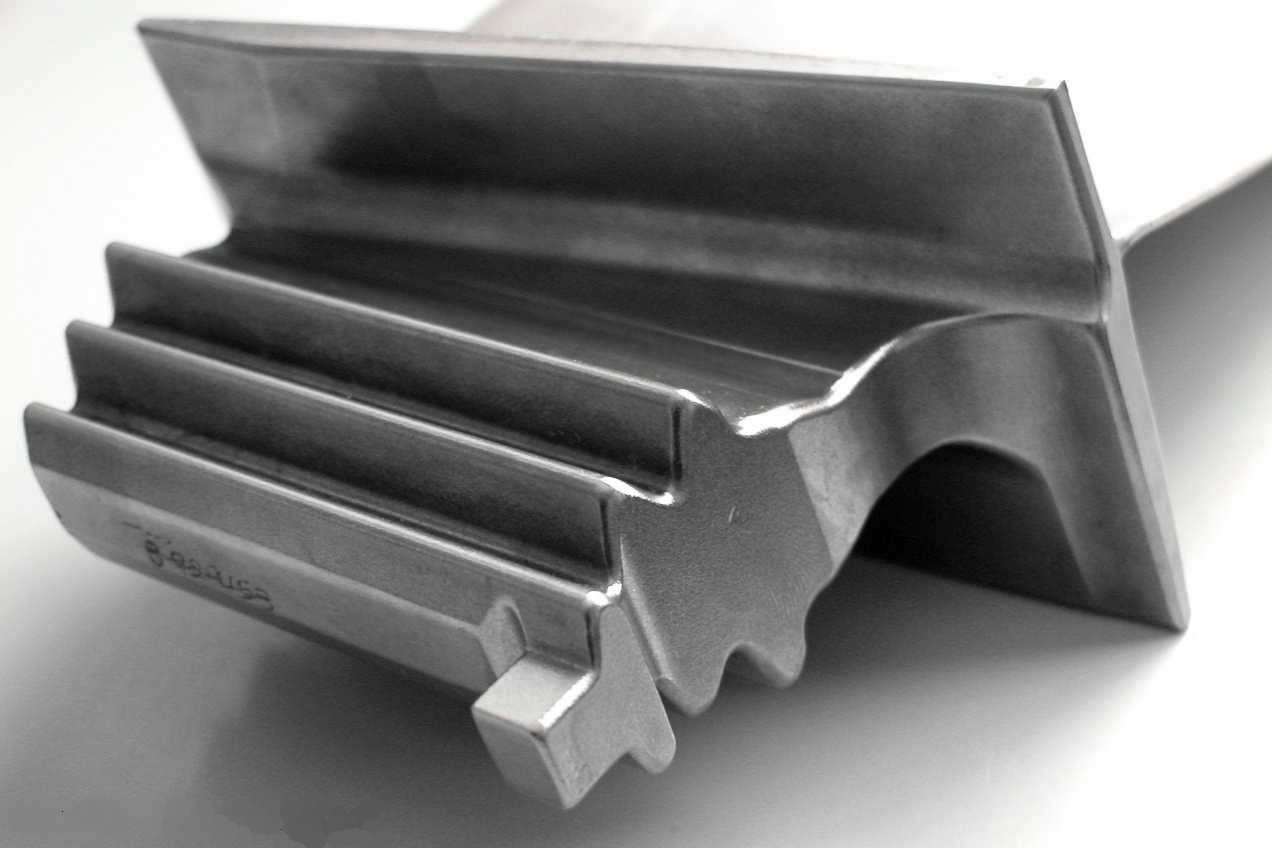
Turbine engine parts sit in different mechanical and thermal zones. A rotating blade has different risk from a static vane segment, and both differ from a shroud, seal segment, combustor bracket, or structural mounting part. The supplier needs to know whether the part is exposed to hot gas flow, rotating load, sealing contact, cooling air, fuel flow, bolted assembly, or casing support. These conditions influence alloy choice, casting method, grain structure, machining datums, coating review, and inspection method.
An RFQ that says only turbine engine part or aerospace alloy component leaves the route too open. Buyers should name the component family and describe the controlled features: airfoil profile, platform, blade root, nozzle throat area, cooling holes, seal land, flange face, bore, bolt pattern, or mounting pad. If the drawing is old, the buyer should also state whether the existing route is fixed or whether NewayAeroTech may review an alternate casting, forging, or machining route. That single note prevents a supplier from quoting the wrong manufacturing boundary.
Component family | Likely manufacturing concern | RFQ evidence to request |
|---|---|---|
Turbine blade or bucket | Airfoil profile, root geometry, platform stock, cooling feature allowance, and grain structure. | Casting route, heat-treatment condition, machining scope, dimensional report, and surface inspection. |
Vane or nozzle segment | Thin walls, flow-path surfaces, platform faces, seal features, and ceramic core risk. | Casting method, X-ray or CT review if required, FPI, CMM, and machining allowance. |
Shroud, seal, or heat shield | Hot gas path exposure, segment fit, seal land cleanup, and coating readiness. | Material choice, casting or machining route, surface finish, inspection method, and coating boundary. |
Bracket, mount, or casing hardware | Load path, attachment holes, pads, and whether wrought strength is needed. | Forging or machining review, datum scheme, hole inspection, and material records. |
Choose the Route Around Hot-Section Risk
Manufacturing route selection should follow the part geometry and service risk. Vacuum investment casting is often reviewed for complex superalloy parts where near-net geometry, thin sections, platforms, bosses, and integrated features reduce machining waste. Single crystal casting or directional solidification may be considered when the component and specification require grain-structure control. Precision forging can fit load-bearing rings, shaft features, brackets, or disc-adjacent blanks where wrought structure and grain flow are more important than cast complexity.
Buyers should avoid asking every supplier to quote the same generic process if the drawing does not support it. A hollow airfoil with cooling passages may be a casting project. A solid structural fitting with high load path may be a forging or billet-machining project. A prototype with simple geometry may not justify tooling. A mature part may require the original route to be maintained because downstream machining, heat treatment, or inspection expectations are already built around that process. The RFQ should state which route is required and which route may be proposed.
Route option | Where it can fit | Boundary to define before price comparison |
|---|---|---|
Vacuum investment casting | Near-net turbine blades, vanes, nozzles, shrouds, and complex hot-section hardware. | Casting alloy, casting condition, machining stock, heat treatment, and inspection scope. |
Single crystal or DS casting | Selected turbine blades and vanes that require grain-structure control. | Alloy, crystal requirement, orientation evidence, reject criteria, and first-article plan. |
Precision forging | Rings, shafts, brackets, disc-adjacent blanks, and load-bearing structural hardware. | Blank envelope, grain-flow expectation, heat treatment, machining owner, and inspection records. |
CNC machining from wrought stock | Prototype or lower-complexity geometry where tooling is not justified. | Stock form, datum strategy, surface finish, tool access, and material traceability. |
Material Selection Needs a Drawing Context
Superalloy names are not interchangeable purchasing labels. Inconel 718, Inconel 713C, IN738LC, Rene 80, Rene N5, CMSX-4, Hastelloy X, Haynes 188, and cobalt alloys can appear in turbine engine programs, but each brings different process assumptions. Some grades are better known for cast hot-section parts, some for forged or machined structural hardware, and some for combustor or exhaust exposure. Material selection affects melting practice, casting soundness, heat treatment, machining behavior, coating readiness, and inspection scope.
If the buyer already has a released material specification, the RFQ should quote that grade and condition. If the buyer only has a sample or legacy part name, the supplier may need chemical analysis, drawing review, and engineering confirmation before treating the grade as fixed. A sample can help identify the alloy family, but it should not replace a controlled drawing or design decision. For aerospace turbine engine parts, NewayAeroTech can support custom manufacturing review based on supplied requirements, but buyer-side design approval and final application authority remain outside the manufacturing quote.
Machining and Post-Process Scope Can Change the Quote
A turbine engine component may move through casting or forging, heat treatment, HIP, CNC machining, EDM, drilling, coating preparation, and final inspection. The quote changes when the buyer adds or removes one of those operations. A rough casting with stock is not the same deliverable as a finished blade root, machined platform, drilled cooling feature, or inspected nozzle segment. The RFQ should mark the surfaces that must be final-machined and the surfaces that may remain as-cast, as-forged, or only lightly cleaned.
Post-processing should be tied to the part risk. HIP may be reviewed for cast superalloy parts when the specification requires densification. Heat treatment may be needed to reach the required material condition. CNC machining and EDM may create final datums, holes, slots, roots, seal faces, or attachment features. TBC or oxidation-resistant coating can be part of the downstream plan, but the buyer should say whether NewayAeroTech is quoting coating-ready geometry, coating application, or only the base metal component. These distinctions prevent the supplier from pricing a different delivery level than the buyer expects.
Scope item | Buyer should define | Quote impact |
|---|---|---|
Rough casting or forging | Stock allowance, unfinished surfaces, and downstream machining owner. | Lower finished-part responsibility but more buyer-side cleanup risk. |
Machined component | Datums, controlled surfaces, hole features, surface finish, and CMM report need. | Adds fixture planning, tooling strategy, inspection time, and dimensional accountability. |
Heat treatment or HIP | Required condition, sequence, and records expected with shipment. | Changes routing, movement risk, release evidence, and supplier responsibility. |
Coating-ready part | Masking surfaces, surface preparation, coating allowance, and final owner. | Prevents confusion between base component supply and coated hardware delivery. |
Inspection Evidence for Aerospace Turbine Parts
Inspection should not be treated as a generic final step. It should answer the specific risks of the component. A cast vane segment may need X-ray or CT review for internal features, FPI for surface indications, and CMM for platform or flow-path dimensions. A machined blade root may need profile, datum, and surface finish evidence. A forged bracket may need material traceability, ultrasonic inspection when required, and dimensional checks on attachment features. The buyer should identify the evidence required for first article and repeat lots separately.
For supplier comparison, ask each manufacturer to list included inspections and excluded records. One supplier may quote only visual inspection, while another includes dimensional reports, material records, and nondestructive testing based on drawing requirements. The lowest price may not be comparable if the quality package is different. NewayAeroTech can review inspection needs for custom superalloy parts according to customer drawings and specifications, then align the manufacturing route with the evidence the buyer needs for release.
RFQ Package for NewayAeroTech Review
A useful RFQ for turbine engine parts includes the drawing, 3D model if available, alloy grade, material condition, quantity, delivery boundary, heat-treatment requirement, machining surfaces, coating expectation, inspection standard, and application environment. If the component is a replacement for an existing design, provide sample photos or a used sample, but also identify worn, coated, repaired, or distorted surfaces that should not be copied directly. If the part is a new design, mark what can change during manufacturability review and what is fixed by the buyer.
NewayAeroTech is suitable for custom superalloy turbine and aerospace hardware when the buyer needs route review, casting or forging support, CNC machining, and inspection planning. It is not a catalog source for original inventory spare parts, and it should not be asked to claim external design approval not provided by the buyer. The best quotation comes from a clear manufacturing boundary: what NewayAeroTech will make, what records it will provide, what remains buyer responsibility, and which assumptions must be confirmed before order release.
Related FAQs
How do manufacturing processes affect the performance of gas turbine components?
What are the most common superalloys used in gas turbine assemblies?
What quality control tests are essential for gas turbine assemblies?
When should buyers choose forging instead of casting for turbine?
Which inspections are needed for precision forged superalloy parts?
Why are testing and inspection vital for CNC-machined superalloy part reliability?
How do heat treatment and HIP complement CNC machining in production?