Superalloy Jet Engine Components Manufacturer

Jet engine component RFQs need a tighter boundary than a general request for superalloy parts. The buyer should identify whether the project concerns a blade, vane, shroud, seal segment, combustor-related item, bracket, nozzle hardware, casing detail, or a machined hot-section accessory. Each part family carries a different combination of alloy exposure, casting route, machining stock, cooling or sealing features, coating interface, and inspection evidence. A quote that treats all engine components as the same nickel alloy part will miss the risks that usually decide cost and acceptance.
Neway supports custom manufacturing discussions for civil aerospace, gas turbine development, repair support, and industrial engine hardware where the buyer needs engineering review before committing to tooling or batch production. The scope is a manufacturing route discussion for buyer-controlled drawings, samples, or approved specifications. For aerospace and aviation buyers, the useful starting point is to separate the component's operating zone, material route, finishing needs, and inspection release package.
Classify the Engine Component by Hot-Section Risk
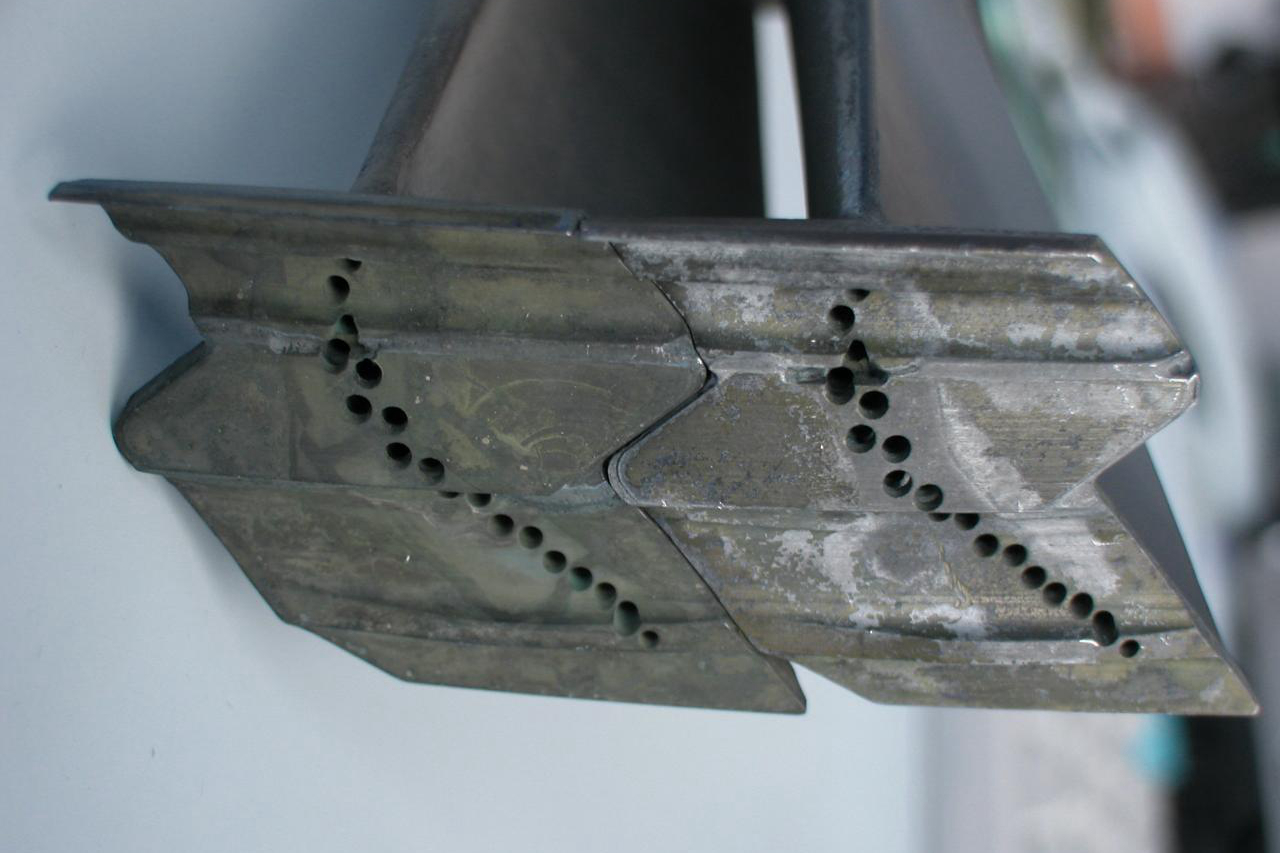
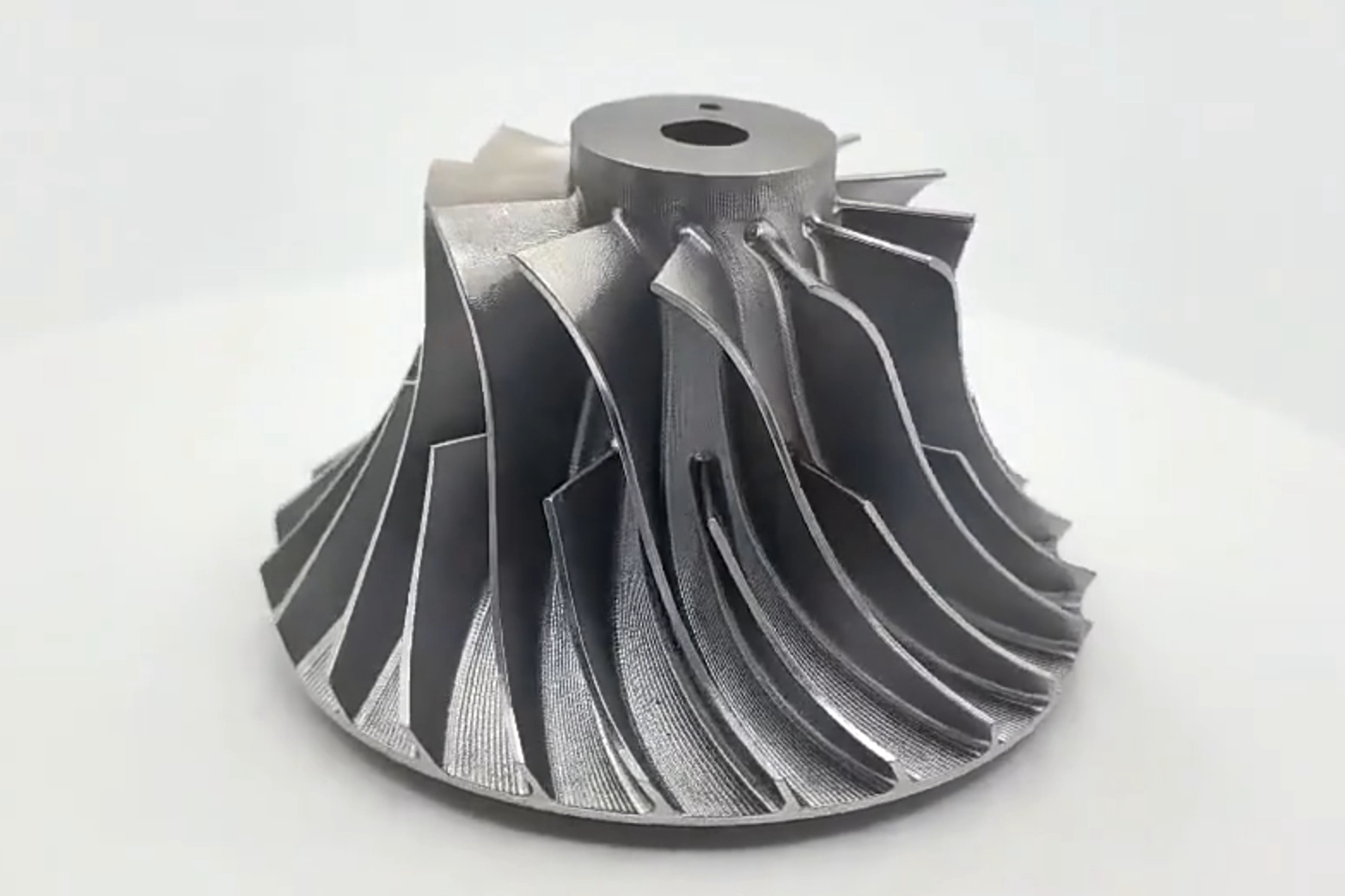
The first RFQ decision is not only material grade. Buyers should classify the component by the physical risk it carries inside the engine assembly. Rotating blades and some impellers are sensitive to mass distribution, airfoil geometry, root fit, fatigue exposure, and coating preparation. Static vanes and nozzle segments may emphasize thin wall control, passage geometry, platform sealing, thermal distortion, and non-destructive testing. Shrouds and seal segments often depend on abradable or wear faces, segment gaps, and stable support surfaces. Combustor-related hardware usually adds oxidation, thermal cycling, and sheet or casting interface concerns.
That classification helps the supplier avoid quoting the wrong route. A blade blank may need single crystal casting or directional solidification when grain structure is part of the requirement. A bracket or casing detail may be better handled by vacuum investment casting followed by machining. A sealing element may need machining and coating planning more than a complex casting route. The buyer should mark which surfaces carry gas-path geometry, which surfaces locate the part in the assembly, and which are sacrificial machining or blending areas.
For early supplier review, Neway recommends sending a drawing, 3D model, operating zone description, alloy specification if known, batch quantity, target part condition, and any inspection standard imposed by the buyer. If the buyer only has a worn or damaged sample, the RFQ should say which dimensions may have changed in service. A used sample can support geometry study, but it should not be treated as final design geometry until the buyer confirms fit, wear correction, and approval boundaries.
Material and Crystal Route Must Match the Part Function
Nickel and cobalt superalloys are chosen because engine environments combine temperature, stress, oxidation, hot corrosion, and thermal cycling. The route still depends on function. Equiaxed castings can be suitable for many structural hot-section parts and complex accessories where isotropic behavior and casting economy are practical. Directional solidification can reduce transverse grain boundary risk in parts that see strong thermal gradients. Single crystal casting removes grain boundaries from the airfoil in blade and vane programs where the buyer requires that structure.
Buyers should not ask for single crystal, directional, or equiaxed casting as a marketing term. The drawing or specification should define crystal requirement, orientation tolerance if applicable, allowed grain defects, heat treatment condition, and inspection method. If those details are missing, the supplier can give a preliminary route comparison, but the manufacturing quote should remain conditional until the buyer releases a controlled requirement. Crystal route affects tooling, mold design, grain selector strategy, shell handling, heat treatment, scrap risk, and inspection scope.
Alloy discussion should include both hot capability and manufacturability. CMSX, Rene, IN, MAR-M, and cobalt-base families may appear in engine projects, but each grade has different casting sensitivity, heat-treatment response, weldability, machining behavior, and coating compatibility. When an equivalent or alternate alloy is discussed, the buyer should control approval; the supplier can provide manufacturability input, but material substitution should not be hidden inside the quote.
Casting Features That Drive Quote Risk
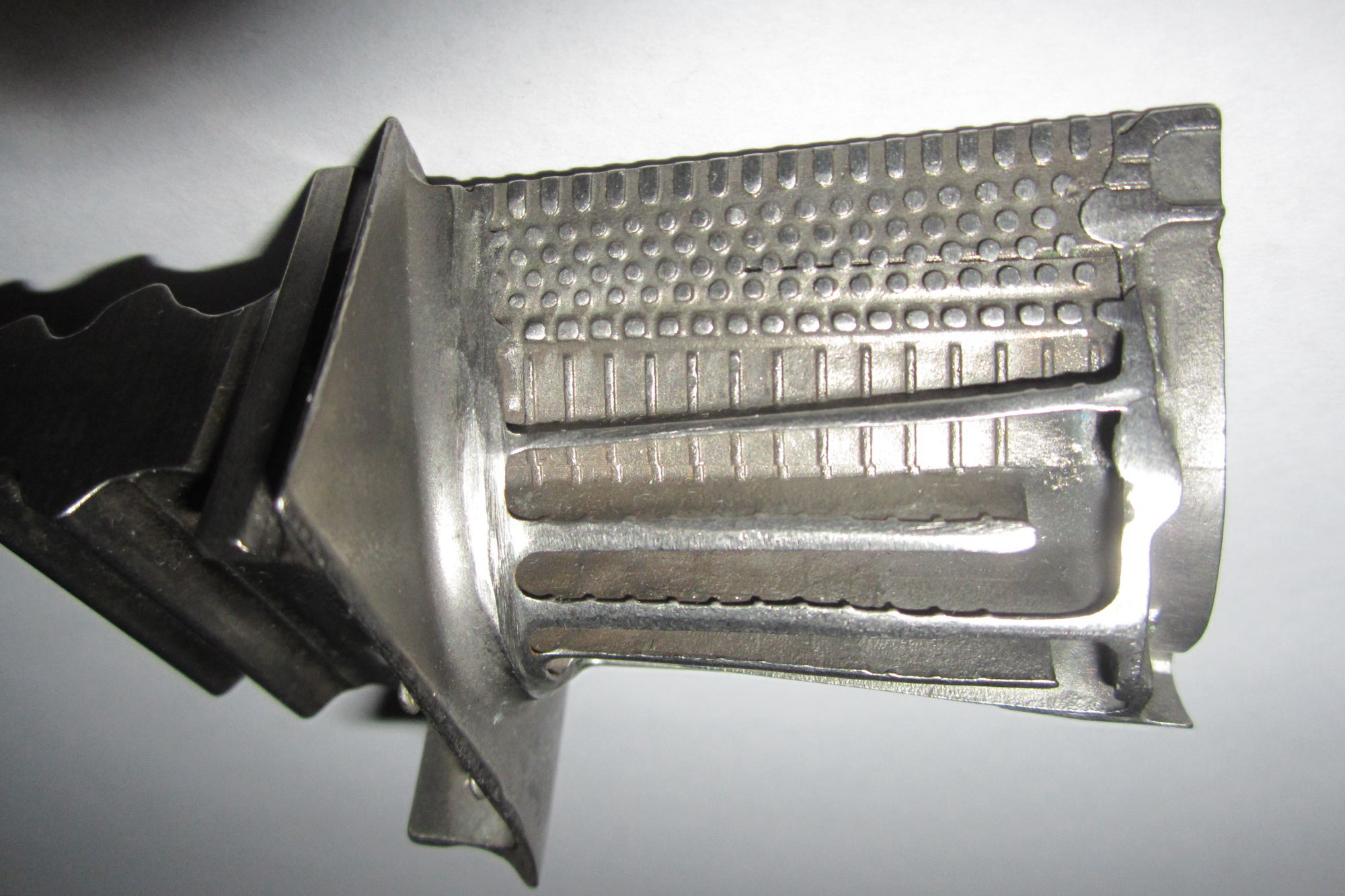
Engine components can look similar in a finished assembly while being very different to cast. Thin airfoils, cooling passages, platform fillets, root transitions, seal hooks, bolt bosses, ribs, and internal cavities all change shell design and inspection access. Ceramic cores require stable location, predictable removal, and enough inspection evidence to prove the passages are acceptable. For a cast blank, buyers should identify the surfaces that will be machined later and the surfaces that must come out of the mold close to final contour.
The RFQ should state whether the part is required as a rough casting, machined blank, or finished component. A rough casting quote may exclude root grinding, holemaking, coating, balancing, or final CMM inspection. A finished component quote must include machining datum strategy, allowance, fixture design, process order, and inspection evidence. For turbine blades and vanes, the difference between blank and finished part can be the difference between a foundry quote and a fully integrated manufacturing route.
Buyers can reduce misunderstanding by requesting a route review before tool release. The review should cover parting, gating, feeder removal, core print locations, machining stock, distortion risk, and inspection plan. Neway's casting team can connect that discussion to post-process and machining operations so the quote reflects the actual route instead of a single-process estimate.
Machining and EDM Scope for Engine Interfaces
Machining of superalloy engine components is often concentrated on a few high-value interfaces: fir-tree or dovetail roots, platform seal faces, mounting pads, cooling-hole exits, slots, bolt holes, bearing or shaft interfaces, and mating faces. Buyers should define which datums control these features. Without datum priority, a supplier may machine a visually clean part that still does not assemble correctly with adjacent hardware.
Superalloy CNC machining planning should identify tool access, interrupted cuts, rigid fixturing, heat input, burr control, and inspection after each critical stage. EDM may be needed for narrow slots, sharp features, or hard-to-machine cooling and sealing details. When superalloy EDM is part of the route, the RFQ should define whether recast layer removal, blending, polishing, or local inspection is required before final acceptance.
For first articles, Neway separates casting inspection from machining acceptance where practical. That lets the buyer understand whether a nonconformance came from wax/tooling, casting distortion, machining datum setup, or drawing interpretation. This is especially valuable for low-volume engine programs, development hardware, and legacy component support where the next batch may depend on lessons from the first article.
Heat Treatment, HIP, and Coating Interfaces
Post-processing can change the part as much as the casting operation. Heat treatment sets the required microstructure for many nickel-base superalloys, but it also affects distortion and machining sequence. HIP may be requested for cast integrity when the buyer wants reduced internal porosity risk in critical zones. Surface preparation may be needed before thermal barrier coating, diffusion coating, or wear coating. These steps should be placed in sequence before pricing because each one changes inspection timing.
For some components, machining before heat treatment creates risk because the part may move later. For others, final machining after heat treatment is necessary because the surface must meet the buyer's final assembly requirement. The RFQ should state whether final machining happens before or after heat treatment, whether coating thickness must be included in final dimensions, and whether any surfaces must remain uncoated. Neway can connect superalloy heat treatment, HIP, and TBC discussions when the component requires a complete route.
The buyer should also clarify who owns coating acceptance. Some projects only require a coating-ready machined part; others require coated hardware with thickness checks and masking records. If the supplier is quoting only the metal component, the interface for later coating must still be controlled so sealing faces, holes, and edges are not lost during downstream operations.
Inspection Evidence for Development and Repeat Orders
Inspection for engine components must match the manufacturing risk. Dimensional inspection alone is not enough for a cored vane, and X-ray alone is not enough for a root interface. The plan may include chemical composition, heat-treatment record, tensile or hardness checks where specified, FPI, radiography, CT review for complex passages, CMM, optical scanning, metallography, coating thickness checks, or orientation inspection for single crystal parts. The buyer should ask for evidence that aligns with the drawing and operating zone.
Material testing and analysis should be agreed before the first article is produced. For a blade or vane, the inspection plan may need to separate casting soundness, crystal quality, dimensional geometry, hole or passage condition, and final surface acceptance. For a bracket or accessory, the plan may be simpler but still must prove material, dimensions, and surface condition. The important point is to connect each inspection item to a buyer decision: release tooling, approve first article, adjust machining allowance, or approve repeat production.
After first article review, the supplier and buyer should freeze the accepted route. That includes tool revision, heat number control, machining program, inspection checklist, and packing condition. Repeat orders become more stable when every acceptance item is tied to the prior approved article rather than renegotiated from memory.
What to Include in a Jet Engine Component RFQ
A practical RFQ should include part name, drawing or model revision, operating zone, material grade or candidate alloys, crystal requirement, part condition required at delivery, quantity, target surfaces, inspection requirements, post-process scope, and any buyer-controlled specification. If the part is an independent custom component or maintenance support item, the buyer should state that boundary clearly and confirm that the supplier is manufacturing to buyer-provided authority, drawing, or sample review.
For development work, ask for a process review package before final price lock if the component has cored features, crystal structure requirements, tight root or seal interfaces, or coating boundaries. For repeat parts, ask the supplier to reference the approved first article and identify any process changes. This keeps the purchasing conversation grounded in controllable manufacturing evidence, not only alloy names and unit price.
Related FAQs
What are the most commonly used alloys in gas turbine components?
How do manufacturing processes affect the performance of gas turbine components?
What post-processing methods are essential for gas turbine components?
What inspections are typically conducted to ensure quality in gas turbine components?
How does single crystal casting improve the performance of turbine blades?
What major high-temperature alloys are used in engine components?