How should manufacturers balance durability, lead time, and cost for 6B castings?
How should manufacturers balance durability, lead time, and cost for 6B castings?
Manufacturers should balance durability, lead time, and cost for 6B castings by matching the casting route, alloy level, post-process scope, and inspection plan to the real service duty of the part rather than automatically choosing the highest-performance and highest-cost option. For many 6B replacement parts, the best commercial result comes from using the simplest process route that still provides enough creep strength, oxidation resistance, thermal fatigue life, and dimensional stability for the target outage interval.
1. Start with Service Duty, Not with the Most Expensive Process
The first decision should be whether the part is truly creep-critical, highly cyclic, or mainly structural. Some 6B parts work in severe hot-section conditions, but many do not need premium crystal-control routes. If the manufacturer over-specifies the process, lead time increases and cost rises without creating proportional field value. If the route is under-specified, the part may distort, oxidize too fast, or crack early.
Part Duty Level | Main Priority | Typical Best Route |
|---|---|---|
Moderate hot-section structural duty | Balanced life and cost | |
Higher thermal and creep duty | More life margin | |
Extreme blade-level duty | Maximum durability |
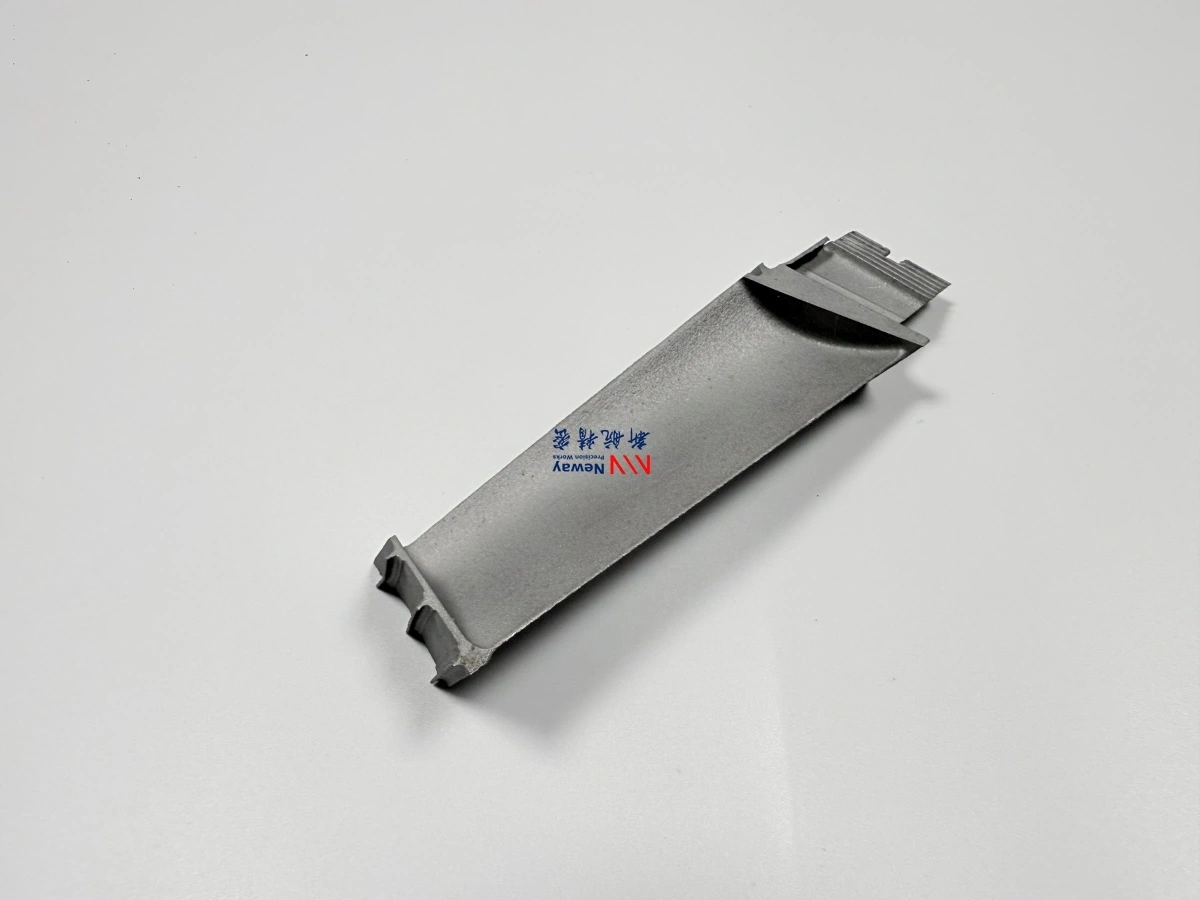
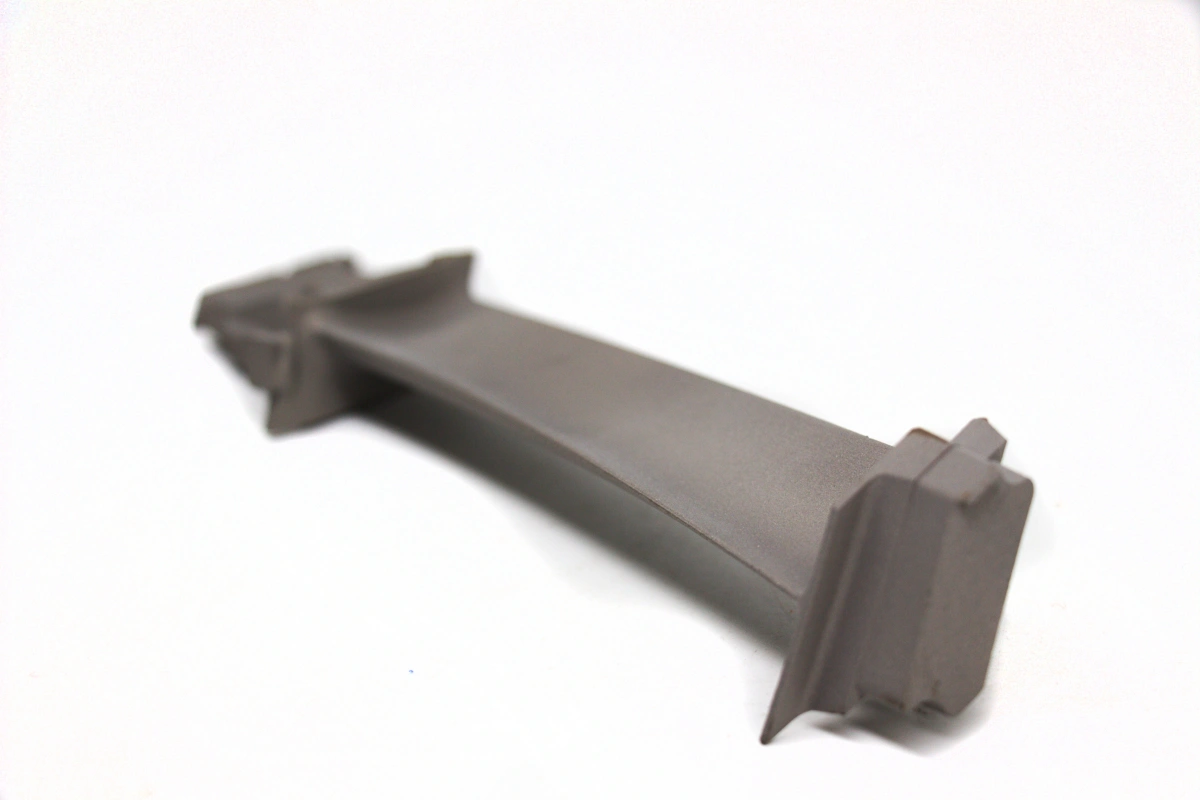
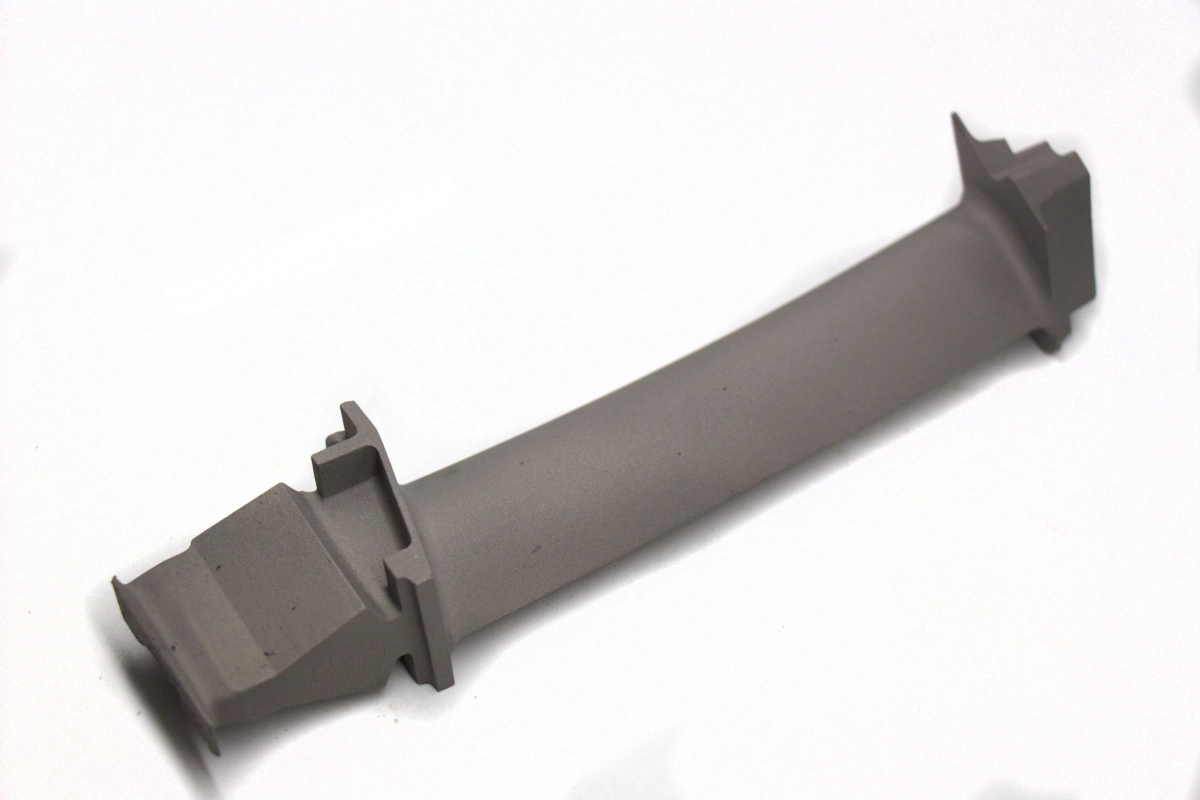
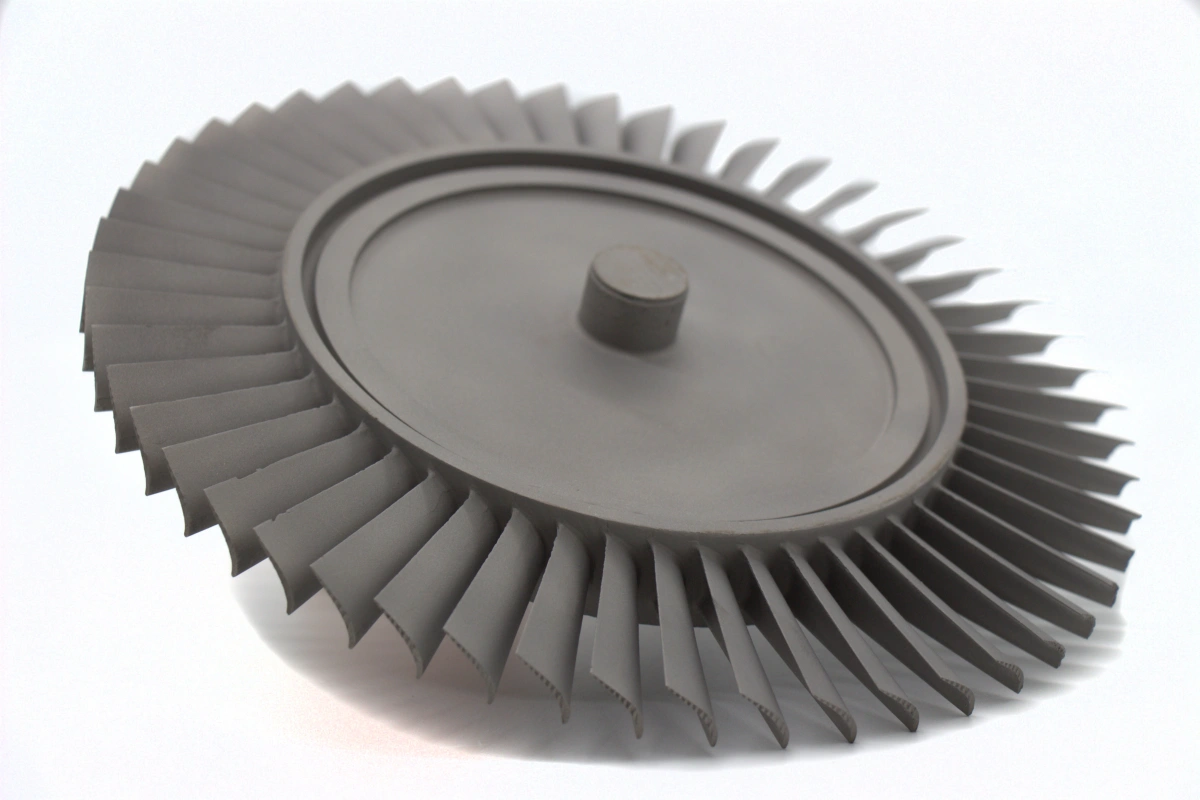
For many 6B nozzle rings, shrouds, seals, combustor-related structures, and general replacement castings, equiaxed routes are often sufficient and commercially more efficient.
2. Choose the Lowest Alloy and Process Level That Still Meets Life Target
Cost control does not mean choosing a cheap material. It means avoiding unnecessary upgrade. If a part can meet its target life with a well-controlled equiaxed nickel-based alloy and proper thermal processing, moving to a premium single-crystal route will usually add cost and schedule risk without enough return. A practical route often starts with a suitable high-temperature alloy casting solution and only escalates if service duty proves it is necessary.
Decision Area | Cost Effect | Durability Effect | Lead-Time Effect |
|---|---|---|---|
Upgrade from equiaxed to directional | Medium increase | Useful for hotter vanes and selected airfoils | Moderate increase |
Upgrade from directional to single crystal | High increase | Best only for the most severe duty | Large increase |
Improve alloy cleanliness and process control | Controlled increase | Often strong real-life benefit | Limited increase |
3. Control Porosity and Metallurgy Before Adding Expensive Upgrades
A well-made casting with low porosity and stable metallurgy often delivers better real durability than a more advanced route with weak internal quality. Manufacturers should therefore prioritize melt cleanliness, solidification control, and defect reduction early. A controlled vacuum investment casting route can reduce oxidation during pouring and help produce a better starting structure for later processing.
For many 6B replacement castings, this is one of the best places to balance performance and cost: invest in good baseline metallurgical quality, not in unnecessary premium route escalation.
4. Use Post-Processing Selectively, Not Automatically
Post-processing strongly affects both lead time and durability. The best balance comes from applying only the steps that materially improve service performance for the specific part.
Post-Process | When It Is Worth Adding | Main Trade-Off |
|---|---|---|
Critical castings with fatigue or porosity sensitivity | Higher cost and longer cycle, but better density and reliability | |
Nearly all high-temperature castings needing stress relief and microstructure control | Usually necessary, with manageable time addition | |
Fit-critical interfaces, flanges, roots, sealing faces | Adds cost but prevents assembly mismatch | |
Hotter exposed zones needing lower substrate temperature | Adds process steps, but can materially improve life |
A common mistake is applying the full premium post-process stack to every part. A better method is to identify which steps directly improve the main failure mode of the component.
5. Balance Inspection Scope with Risk Level
Inspection improves reliability, but excessive inspection on low-risk parts can slow delivery and raise cost without enough benefit. Manufacturers should align release requirements with failure consequence. Critical hot-section parts need deeper verification, while moderate-duty replacement hardware may only require the most relevant controls.
A structured inspection and analysis plan should target chemistry, internal defects, dimensions, and microstructure based on the part’s duty level and consequence of failure.
Part Risk Level | Recommended Inspection Strategy |
|---|---|
High-risk hot-gas-path parts | Full chemistry, internal defect checks, microstructure review, dimensional release |
Moderate-duty cast replacements | Dimensional verification plus key metallurgy and defect screening |
Lower-risk structural castings | Focused dimensional and process-control release |
6. Reduce Lead Time by Freezing Scope Early
Lead time often grows not only because of manufacturing difficulty, but because the project scope changes late. Manufacturers can shorten schedules by defining at RFQ stage whether the customer needs a cast blank, rough-machined part, or fully finished hardware. Unclear scope creates rework in tooling, machining allowance, inspection planning, and final routing.
For 6B castings, the fastest stable route is usually the one with the fewest late technical changes, not simply the route with the fewest process steps.
7. Think in Terms of Cost per Service Interval, Not Only Piece Price
The lowest part price is not always the lowest operating cost. A cheaper casting that loses 20% to 30% of expected life can create a far worse commercial result if it drives earlier outage work or repeat replacement. On the other hand, an overbuilt premium part may never recover its added cost if the unit’s actual inspection interval is modest. The correct balance is the route that achieves the required service interval at the lowest total delivered cost.
8. Practical Balance by Part Type
6B Part Type | Typical Best Balance Strategy |
|---|---|
Nozzle rings and general hot-section segments | Use equiaxed casting with controlled metallurgy, heat treatment, machining, and targeted inspection |
Higher-duty vanes | Use directional casting only if life margin clearly requires it |
Combustor and transition-related cast hardware | Focus on oxidation resistance, weld compatibility, dimensional control, and practical turnaround |
Critical replacement castings with high failure consequence | Add HIP and broader inspection only where defect risk justifies the added time and cost |
9. Summary
In summary, manufacturers should balance durability, lead time, and cost for 6B castings by selecting the least complex alloy and casting route that still meets the real service duty of the part, strengthening that route with only the post-processes and inspections that materially improve life. For many 6B replacement castings, that means controlled equiaxed production, strong metallurgical discipline, essential thermal processing, precision finishing where needed, and risk-based inspection rather than blanket premium processing. For related references, see power generation, gas turbine components, and cast component examples.