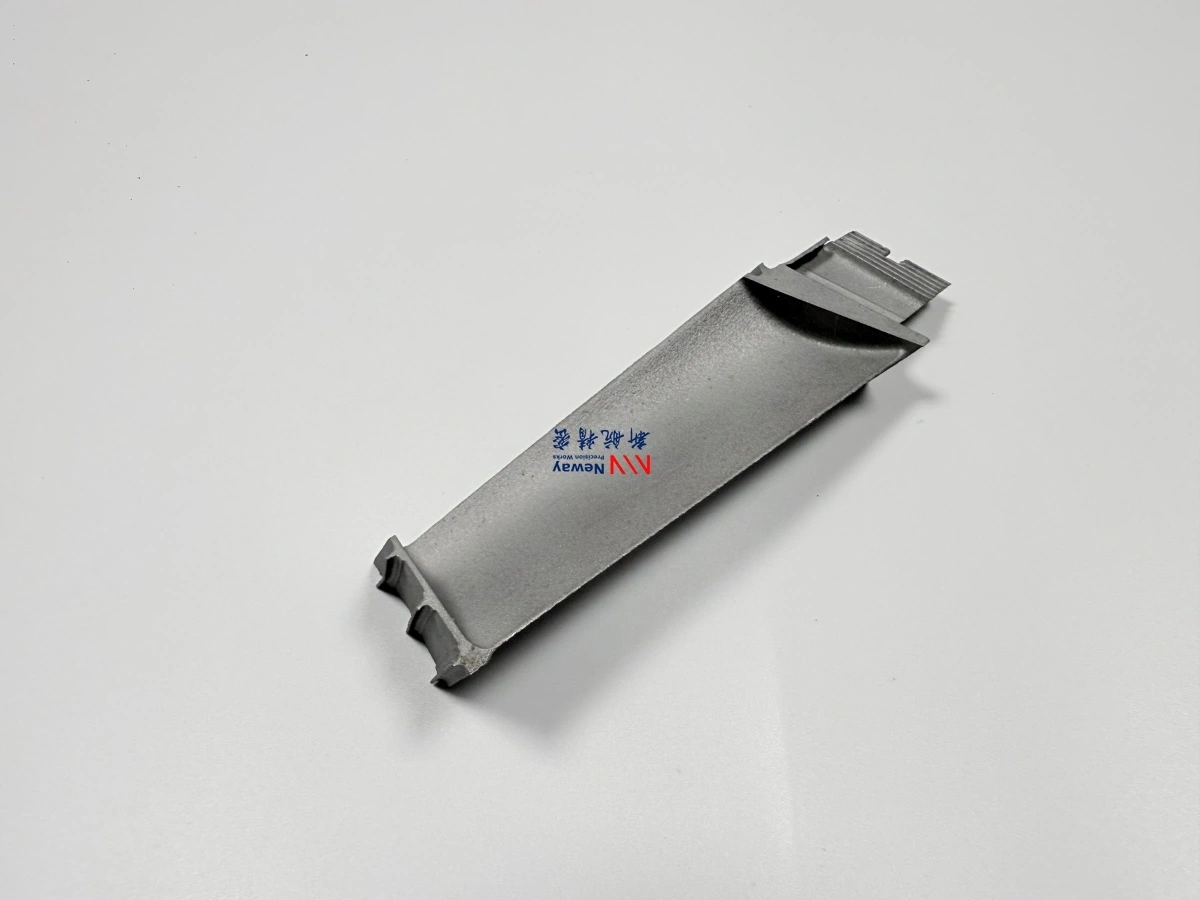
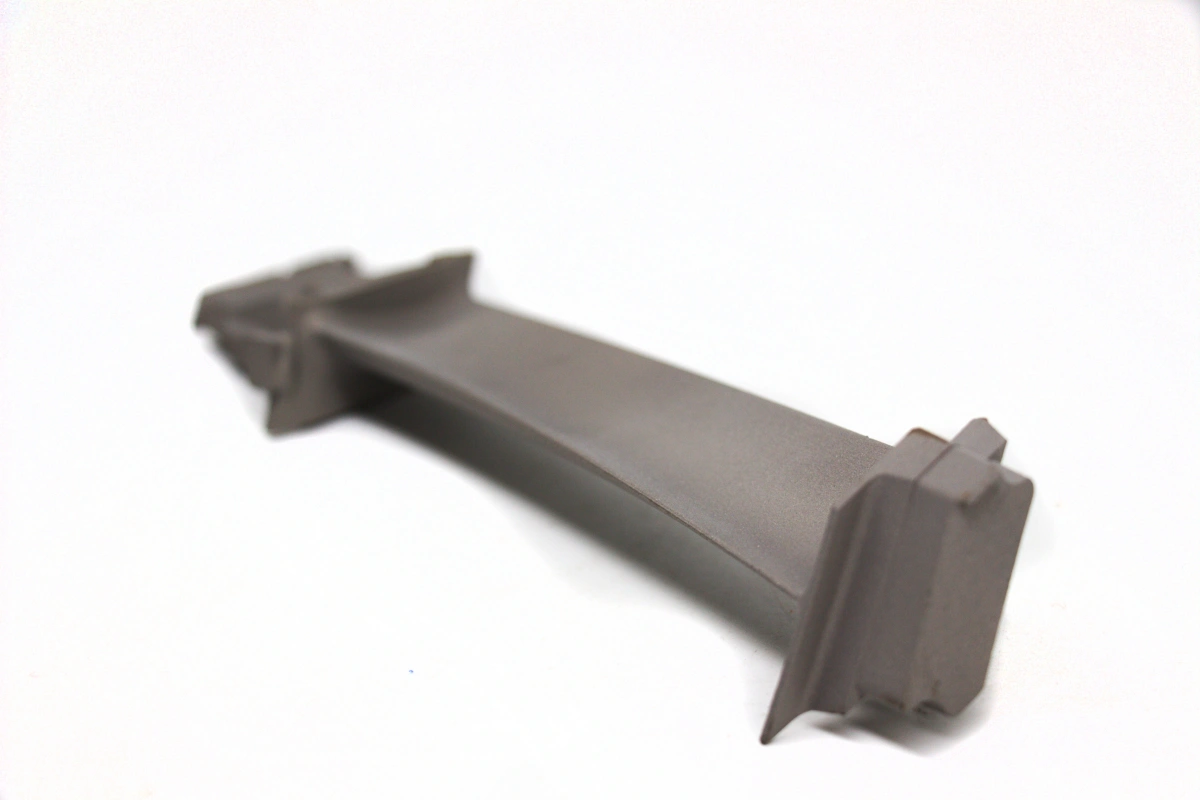
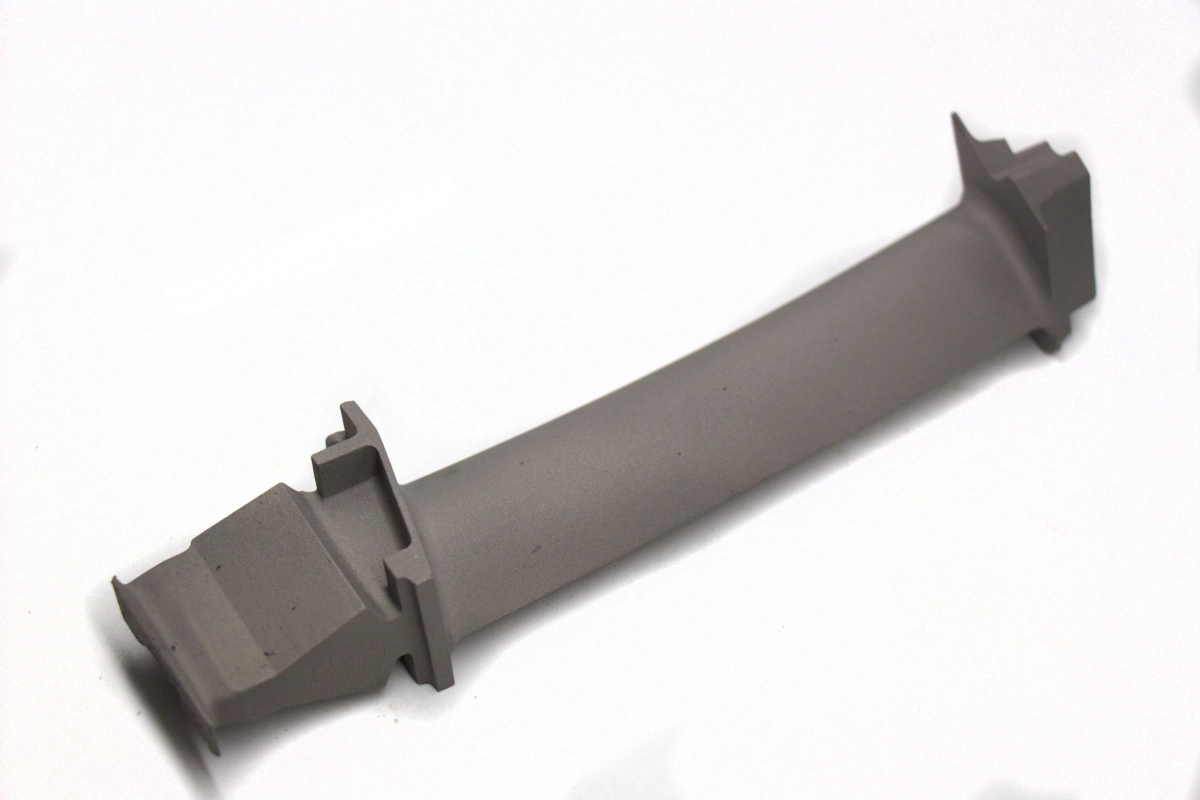
When is directional casting a better option for 6B turbine components?
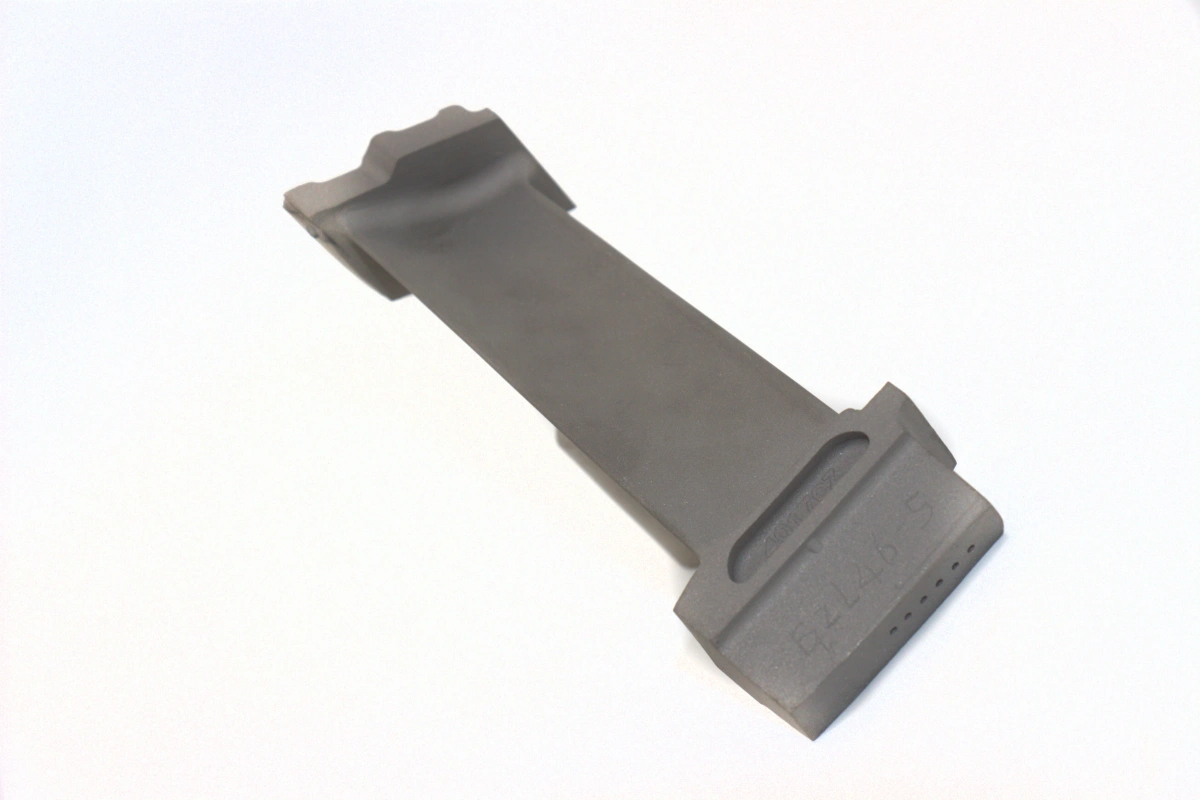
When is directional casting a better option for 6B turbine components?
Directional casting is a better option for 6B turbine components when the part works in a hotter and more highly stressed zone where ordinary equiaxed grain structure may not provide enough creep life, thermal fatigue resistance, or dimensional stability. In practical 6B service, directional solidification is usually chosen for components such as higher-duty vanes, selected blades, and other gas-path parts that must hold shape and strength for thousands of operating hours under sustained temperature and load.
1. Why Directional Casting Improves High-Temperature Performance
The main advantage of directional casting is grain alignment. Instead of random grains, the structure is oriented along the main loading direction. This reduces transverse grain boundary weakness and improves resistance to creep deformation and thermal fatigue cracking. For 6B turbine parts exposed to metal temperatures commonly around 850–1,000°C, that structural improvement can make a meaningful difference in service life, especially in rotating or flow-path hardware with long exposure to heat and stress.
Performance Factor | Equiaxed Casting | Directional Casting | Effect on 6B Part Life |
|---|---|---|---|
Creep resistance | Moderate | Higher | Better long-term dimensional stability in hotter zones |
Thermal fatigue resistance | Good | Better | Lower crack risk during startup and shutdown cycling |
Load direction strength | General | Improved | Stronger performance where stress follows blade or vane length |
Cost and complexity | Lower | Higher | Used only where the performance gain justifies it |
2. When Equiaxed Casting Is No Longer Enough
Equiaxed casting is still suitable for many 6B hot-section parts such as nozzle rings, shrouds, seals, and combustor-related hardware. But it becomes less suitable when the component faces one or more of the following conditions:
Service Condition | Why Directional Casting Becomes Better |
|---|---|
Higher sustained temperature | Aligned grains improve creep resistance under long exposure |
Strong thermal cycling | Reduced transverse grain-boundary weakness lowers crack growth risk |
More severe gas-path duty | Better structure for vanes and blades in hotter flow conditions |
Tighter life target | Useful when outage interval or replacement cycle must be extended |
Higher dimensional stability requirement | Better resistance to long-term bowing or creep distortion |
3. Which 6B Components Are the Best Directional Casting Candidates?
Directional casting is most justified for 6B parts that lie between ordinary equiaxed hardware and the most advanced single-crystal airfoils. In most cases, the strongest candidates are vanes, certain turbine blades, and selected hot-gas-path parts that need stronger high-temperature life without moving all the way to single crystal casting.
6B Component | Directional Casting Suitability | Main Reason |
|---|---|---|
Higher-duty guide vanes | Very high | Need improved creep and thermal fatigue resistance in hot flow |
Selected turbine blades | High | Better grain-direction strength than equiaxed structures |
Hot-gas-path cast segments | Medium to high | Useful when life demand is above standard equiaxed capability |
Nozzle rings | Medium | Only for more severe duty cases; many remain equiaxed |
Combustor hardware | Low | Usually oxidation, fabrication, and cost priorities favor equiaxed routes |
4. When Directional Casting Is Better Than Single Crystal
Directional casting is often the better choice when the component needs better high-temperature capability than equiaxed castings can offer, but the part does not justify the higher cost, tighter process control, and premium alloy route of single crystal production. For many 6B components, this makes directional solidification the practical middle ground.
In other words, if the part is hotter and more life-critical than a standard equiaxed vane, but not at the absolute top end of blade temperature and stress, directional casting is often the most rational technical and commercial option.
5. Alloy Selection Still Matters Alongside the Casting Method
Directional casting delivers its best value when paired with the right high-temperature alloy. Common choices for directional routes may come from the Inconel, Rene, or other advanced superalloy families, depending on the exact duty level. The casting method improves grain-direction behavior, while the alloy chemistry controls oxidation resistance, precipitate stability, and hot-strength margin.
That means manufacturers should not decide on directional casting based on geometry alone. The real decision should combine part location, firing condition, creep target, inspection interval, and alloy compatibility.
6. Post-Processing and Quality Control Remain Critical
Even when directional casting is the right route, the component still requires controlled downstream processing. This often includes heat treatment, possible HIP, finish machining, and full inspection. If these stages are weak, the life benefit of the directional grain structure can be reduced by porosity, poor microstructure control, or dimensional instability.
7. Summary
Choose Directional Casting When... | Why It Is the Better Option |
|---|---|
The 6B part sees hotter gas-path duty | Higher creep resistance is needed |
Thermal cycling crack risk is high | Aligned grains improve fatigue durability |
Equiaxed life margin is not enough | Directional casting offers a strong mid-level upgrade |
Single crystal would be excessive in cost or complexity | Directional casting gives better performance without the highest-route premium |
In summary, directional casting is a better option for 6B turbine components when the part needs more creep strength, thermal fatigue resistance, and dimensional stability than equiaxed casting can provide, but does not require the full premium of single-crystal production. It is most often justified for higher-duty vanes, selected blades, and hotter gas-path castings. For related capability references, see power generation, gas turbine components, and directional casting examples.