How do porosity control and metallurgical quality affect 501F hot-section part life?
How do porosity control and metallurgical quality affect 501F hot-section part life?
Porosity control and metallurgical quality have a direct effect on 501F hot-section part life because they determine how well the part resists crack initiation, creep deformation, thermal fatigue, oxidation-assisted damage, and coating failure. In 501F service, many hot-section parts operate with metal temperatures commonly in the 850–1,050°C range, while local gas-path exposure can be even more severe. Under those conditions, even small shrinkage pores, gas pores, inclusions, segregation bands, or unstable microstructures can shorten usable life by creating stress concentration points and weakening the alloy under cyclic thermal load.
1. Why Porosity Is a Life-Limiting Defect in 501F Parts
Porosity is dangerous in hot-section components because it reduces the effective load-bearing cross section and acts like an internal notch. In practice, pores often become early crack initiation sites when the part sees repeated startup and shutdown cycles, vibration, gas loading, and local thermal gradients. A pore cluster near the surface is especially harmful because it can accelerate oxidation penetration and make coating performance less stable.
Defect Type | Main Damage Mechanism | Life Impact on 501F Parts |
|---|---|---|
Shrinkage porosity | Creates internal stress concentration zones | Raises fatigue crack initiation risk in cast hot-section hardware |
Gas porosity | Reduces local density and structural continuity | Lowers reliability under thermal cycling and vibration |
Near-surface pore clusters | Promote oxidation ingress and coating instability | Can accelerate wall loss and local overheating |
Micro-porosity in hot zones | Weakens creep resistance over long service exposure | Shortens life in blades, vanes, and nozzle segments |
2. Why Metallurgical Quality Matters Just as Much as Geometry
A 501F hot-section part can meet dimensional requirements and still fail early if the metallurgy is poor. Metallurgical quality covers grain structure, segregation level, inclusion content, precipitate stability, phase balance, and chemical consistency. In high-temperature turbine service, these factors control whether the part maintains creep strength and crack resistance over thousands of operating hours.
For example, unstable grain structure or local segregation can cause some regions to soften faster than others, which leads to uneven thermal expansion and earlier crack formation. In oxidation-sensitive areas, poor chemistry control can also weaken the protective surface scale and reduce coating system durability.
3. Which Properties Are Most Affected by Porosity and Metallurgy?
Property | Effect of Poor Porosity Control or Poor Metallurgy | Typical Field Consequence |
|---|---|---|
Fatigue resistance | Cracks start earlier from pores or inclusions | Shorter inspection interval and earlier repair demand |
Creep strength | Defects and segregation reduce long-term load capacity | Distortion or premature high-temperature degradation |
Thermal fatigue life | Stress intensifies around metallurgical weak points | Faster crack growth in cyclic-duty turbines |
Oxidation resistance | Poor chemistry and microstructure reduce scale stability | Higher wall thinning and hotter substrate exposure |
Coating durability | Weak substrate and pore-rich surface reduce coating support | Earlier spallation and temperature rise in protected zones |
4. Which 501F Parts Are Most Sensitive?
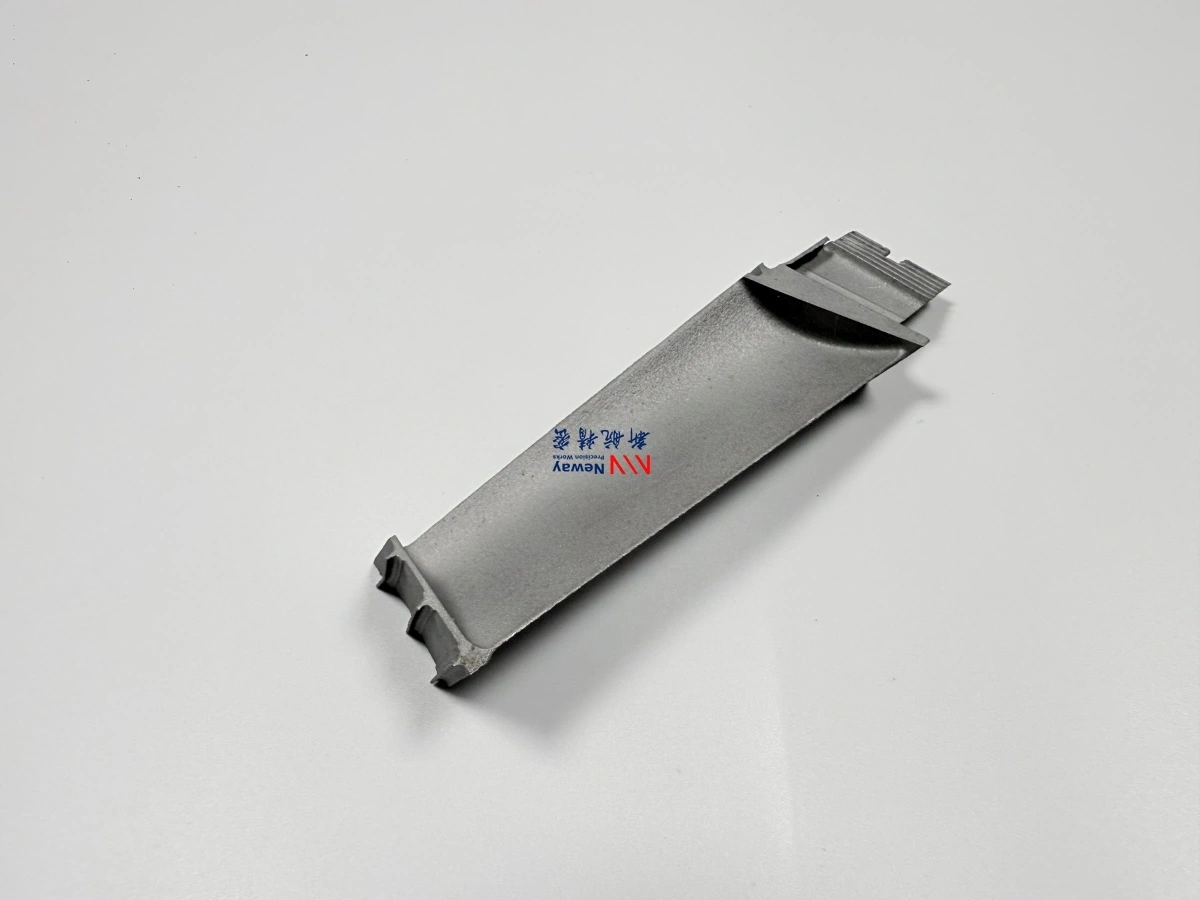
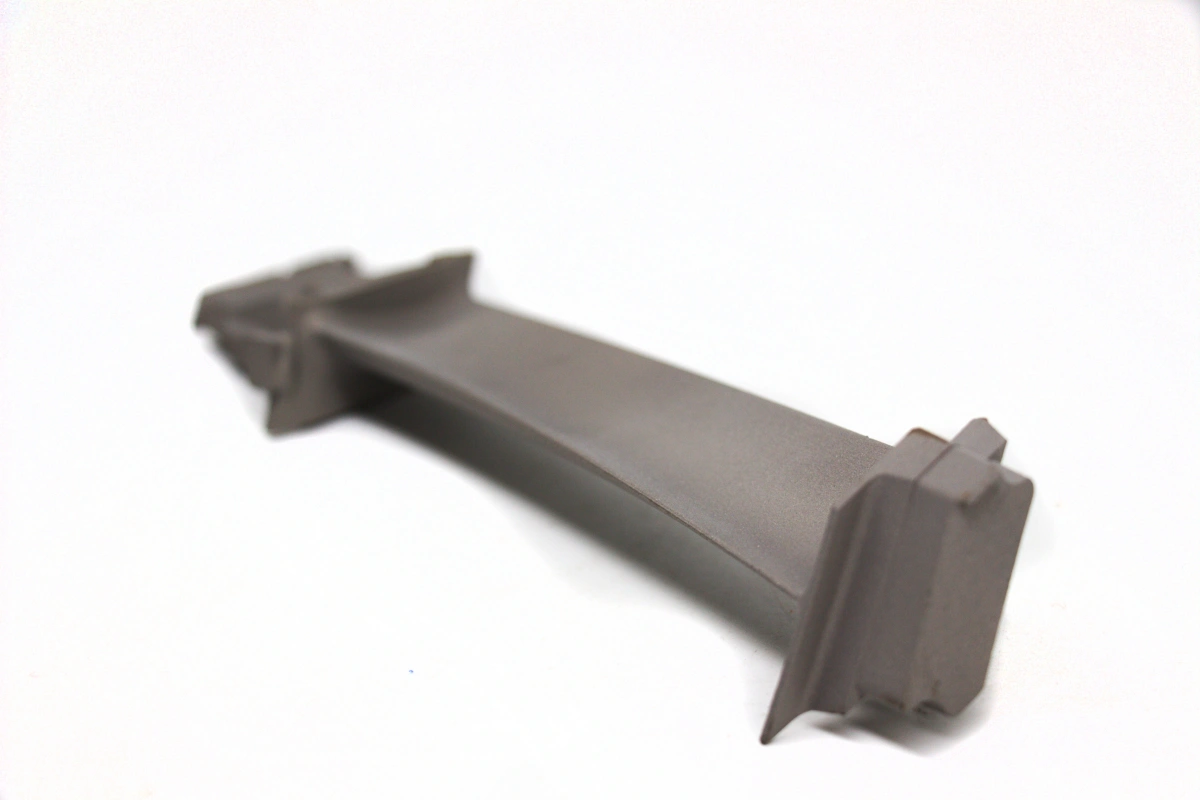
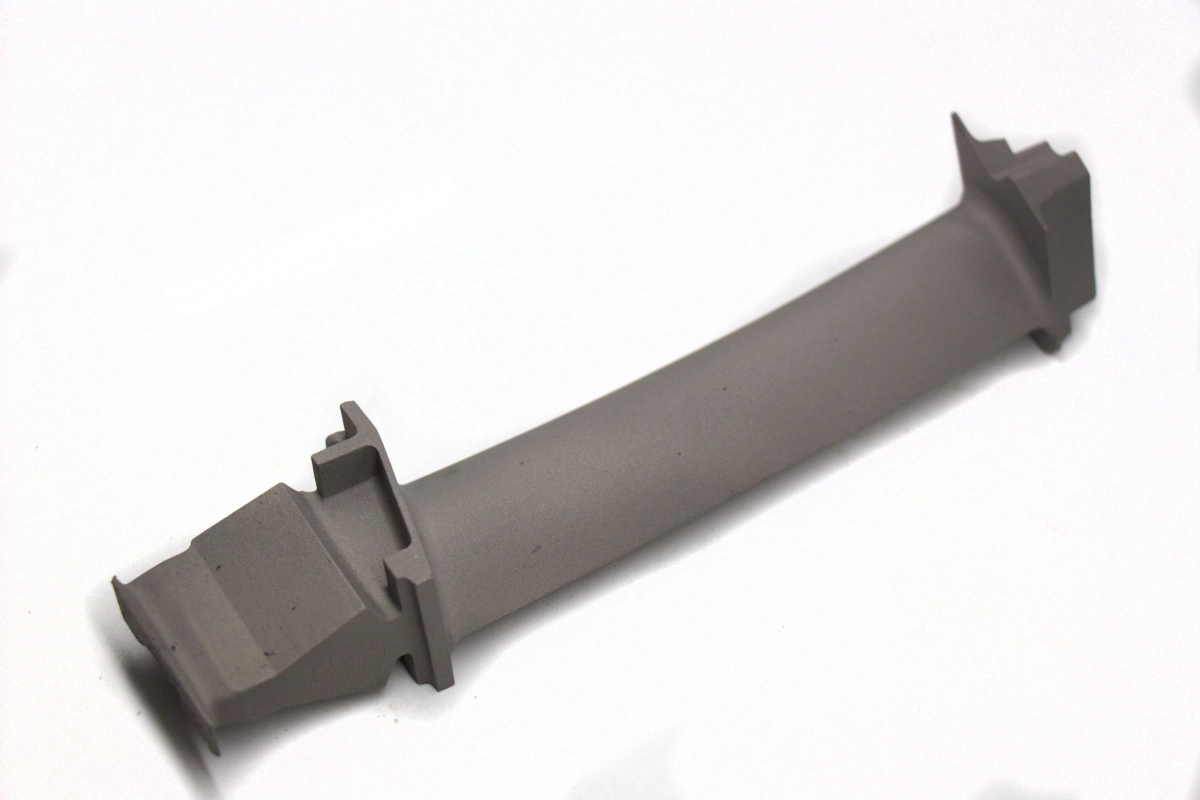
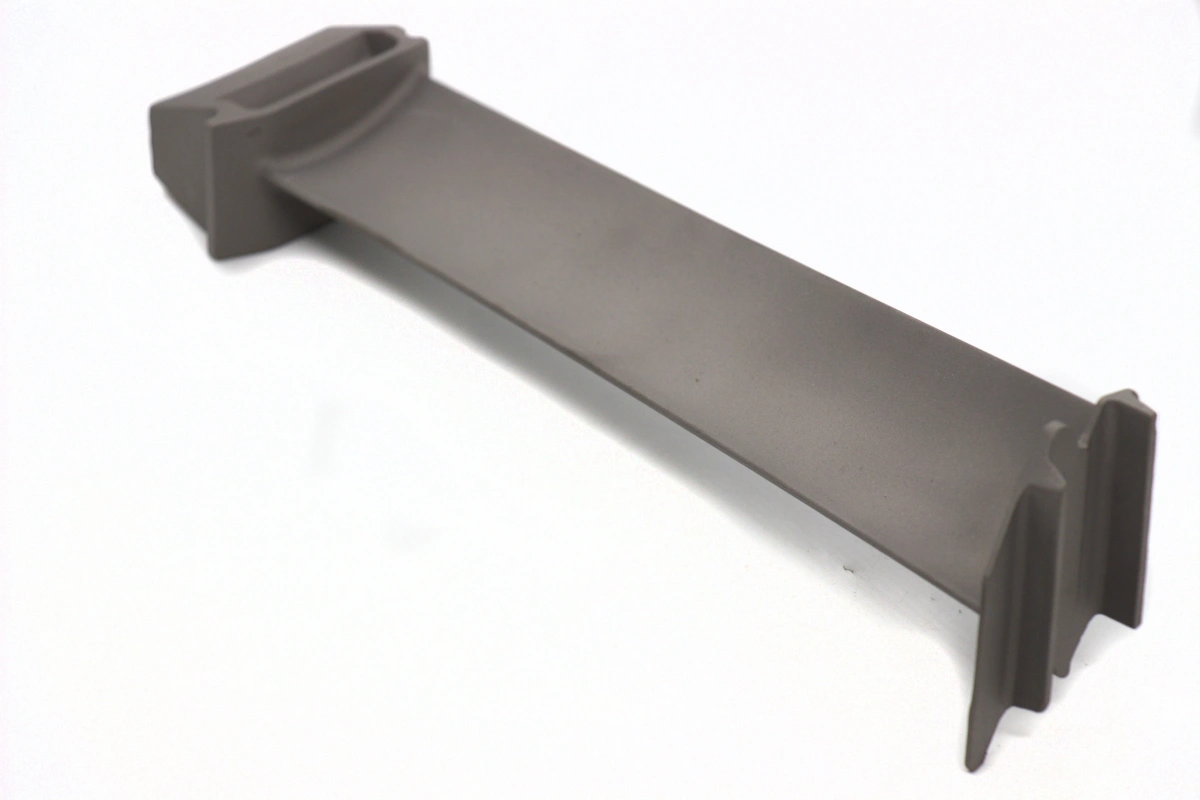
The most sensitive 501F parts are those exposed to the highest combination of temperature, stress, and cycling. These typically include turbine blades, guide vanes, nozzle rings, and other hot-gas-path structures. Combustion hardware also remains highly sensitive because thin walls and local hot spots make crack initiation more likely once metallurgical discontinuities are present.
Part Type | Sensitivity to Porosity | Sensitivity to Metallurgical Quality | Main Life Driver |
|---|---|---|---|
Turbine blades | Very high | Very high | Creep and thermal fatigue resistance |
Guide vanes | High | Very high | Oxidation stability and crack resistance |
Nozzle rings | High | High | Dimensional stability and local fatigue performance |
Combustion structures | Medium to high | High | Thermal fatigue and oxidation-assisted cracking |
5. How Good Casting Control Improves Life
Better casting control improves 501F part life by reducing defect frequency before the part ever reaches downstream processing. A controlled route using high-temperature alloy casting and vacuum investment casting helps lower oxidation during melting and pouring, improves alloy cleanliness, and supports more stable solidification. That creates a stronger starting condition for later processing.
When the initial casting is cleaner, later operations such as heat treatment can more effectively stabilize the microstructure, and protective systems such as thermal barrier coating have a more reliable substrate to bond to. In contrast, post-processing cannot fully compensate for severe casting-related metallurgical weakness.
6. What Role Does HIP Play in Life Improvement?
For critical 501F cast parts, HIP is often one of the most important life-enhancing post-processes because it can reduce or close internal porosity and improve density. In many hot-section applications, this directly improves fatigue resistance and lowers the chance that internal defects will grow into service cracks. HIP is especially valuable when the part will see long exposure at high temperature or high cyclic loading.
However, HIP works best when it is applied to a casting that already has good baseline metallurgical quality. It is a powerful improvement step, but it is not a substitute for poor melting control, severe segregation, or major inclusion problems.
7. How Quality Is Verified Before Release
Because porosity and metallurgical quality are so important, reliable 501F hot-section programs depend on structured material testing and analysis. Typical verification may include radiographic inspection, metallographic microscopy, chemistry analysis, SEM review, and dimensional checks. These methods help confirm that the part is not only shaped correctly, but also structurally suitable for high-temperature service.
Where final interfaces or gas-path features matter, precision machining also plays a supporting role by ensuring that a sound metallurgical part is not compromised by poor local finishing or mismatch at critical contact surfaces.
8. Summary
If the goal is... | Most important quality factor | Main life benefit |
|---|---|---|
Longer fatigue life | Low porosity and low inclusion content | Delayed crack initiation |
Better creep durability | Stable microstructure and low segregation | Improved high-temperature load resistance |
More reliable coating life | Dense substrate with sound metallurgy | Lower spallation and lower metal temperature rise |
More predictable outage interval | Controlled casting plus inspection verification | Lower failure risk in service |
In summary, porosity control and metallurgical quality affect 501F hot-section part life by controlling where cracks start, how fast creep damage develops, and how well the alloy resists oxidation and cyclic thermal stress. Cleaner castings with stable microstructure and low defect content consistently deliver longer, more predictable service life than parts with weak internal quality, even when the external geometry looks acceptable. For related capability references, see power generation, gas turbine components, and vacuum cast components.