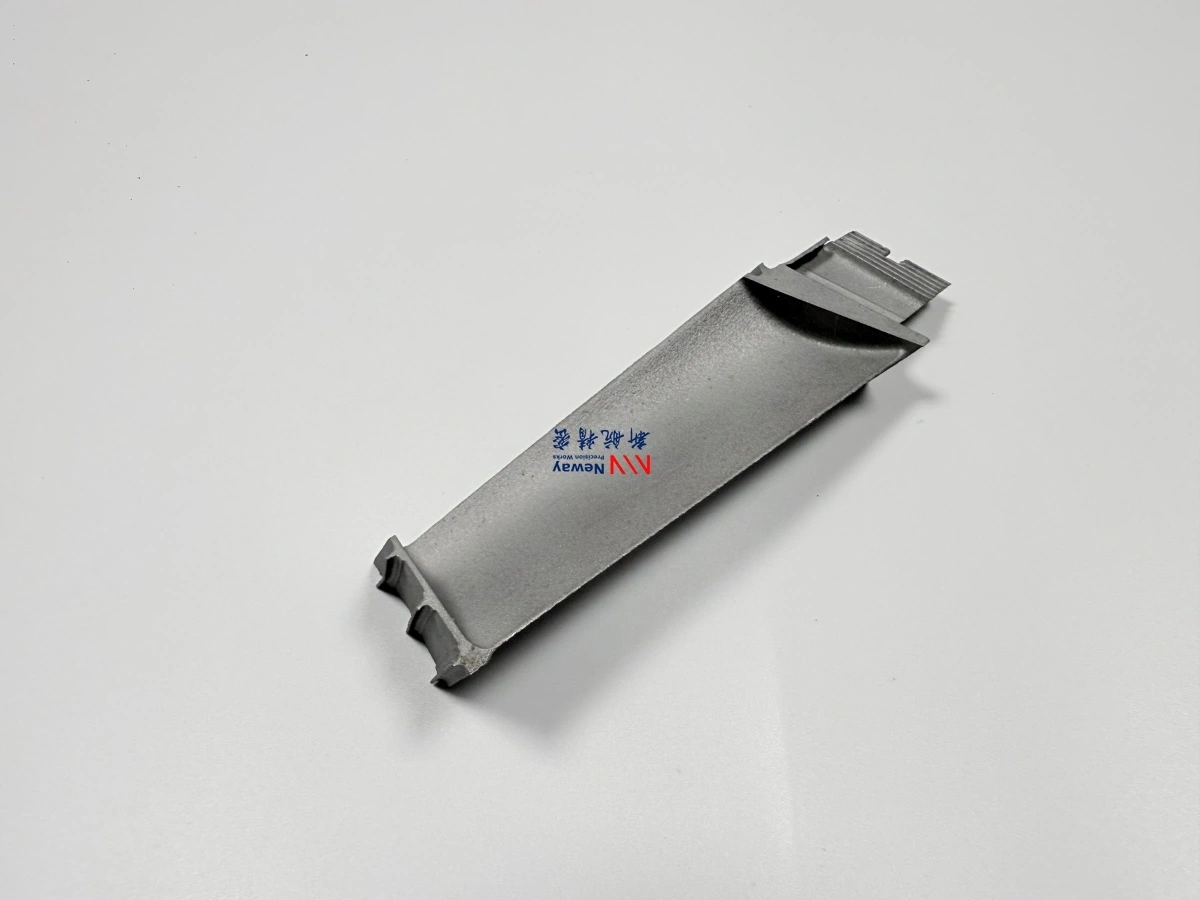
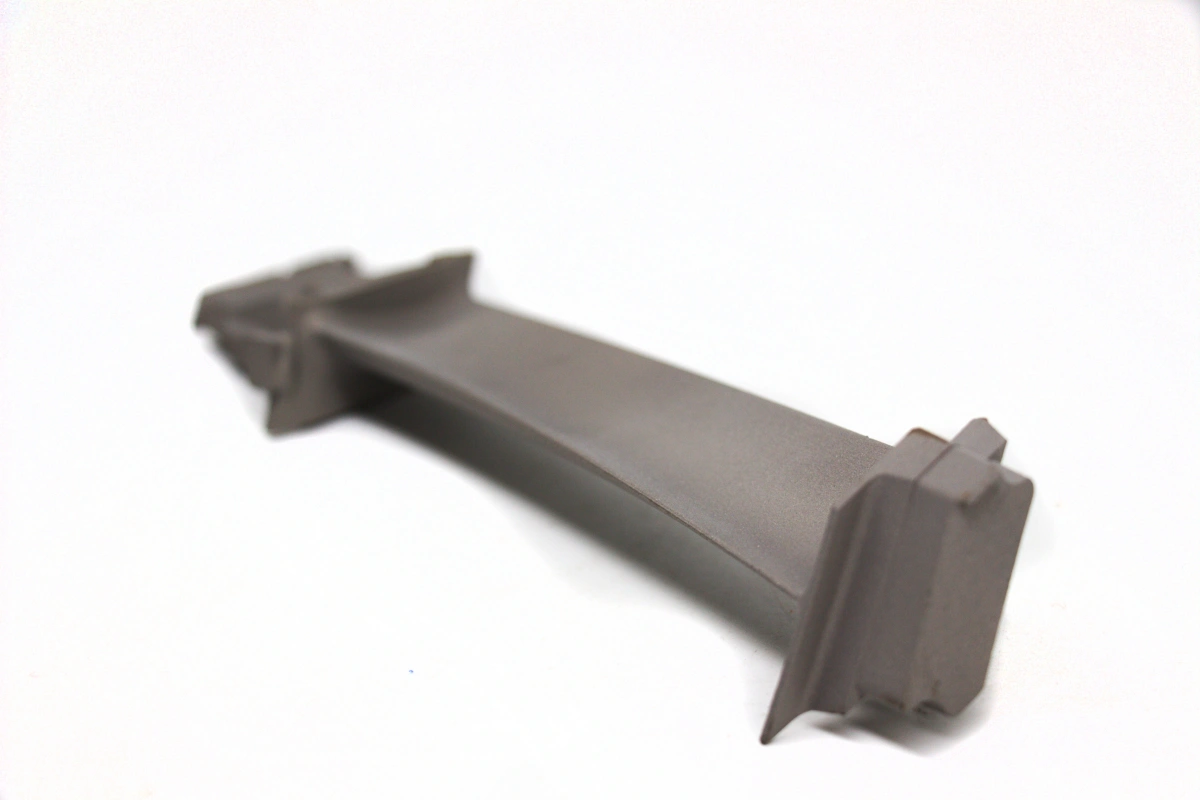
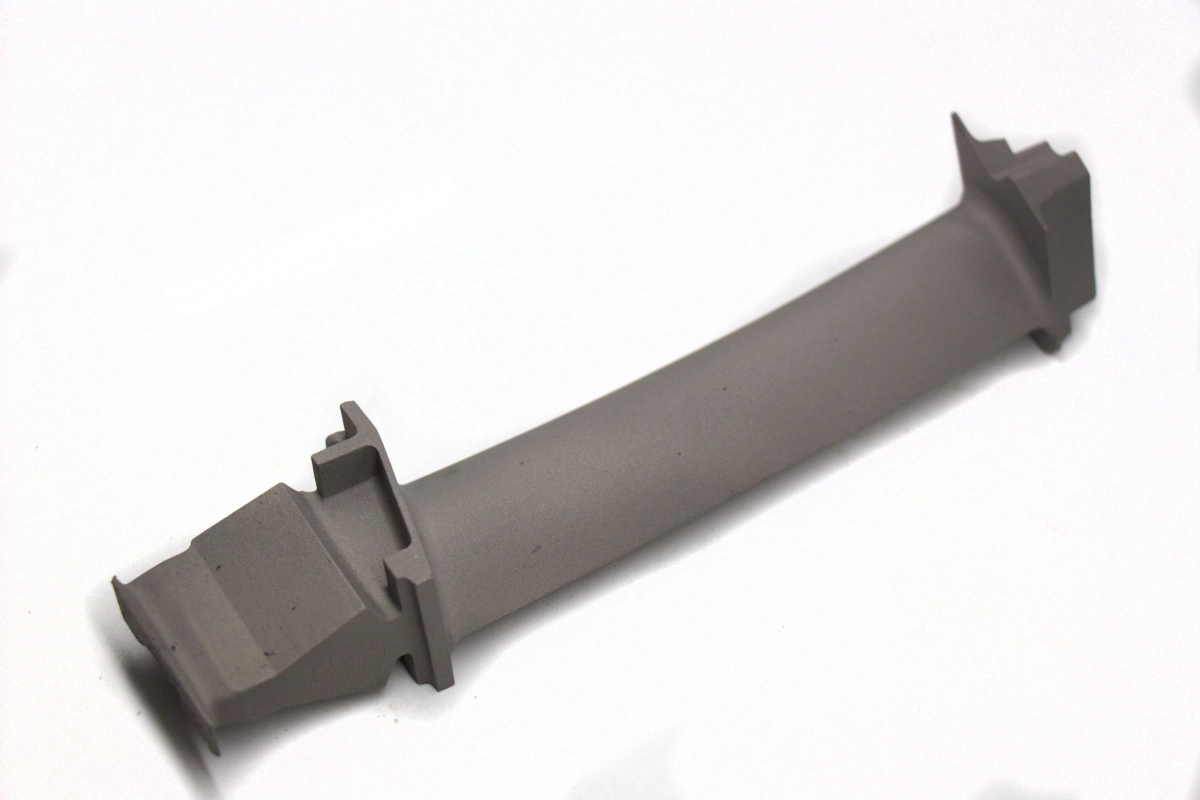
What usually causes delays in aftermarket gas turbine casting programs?
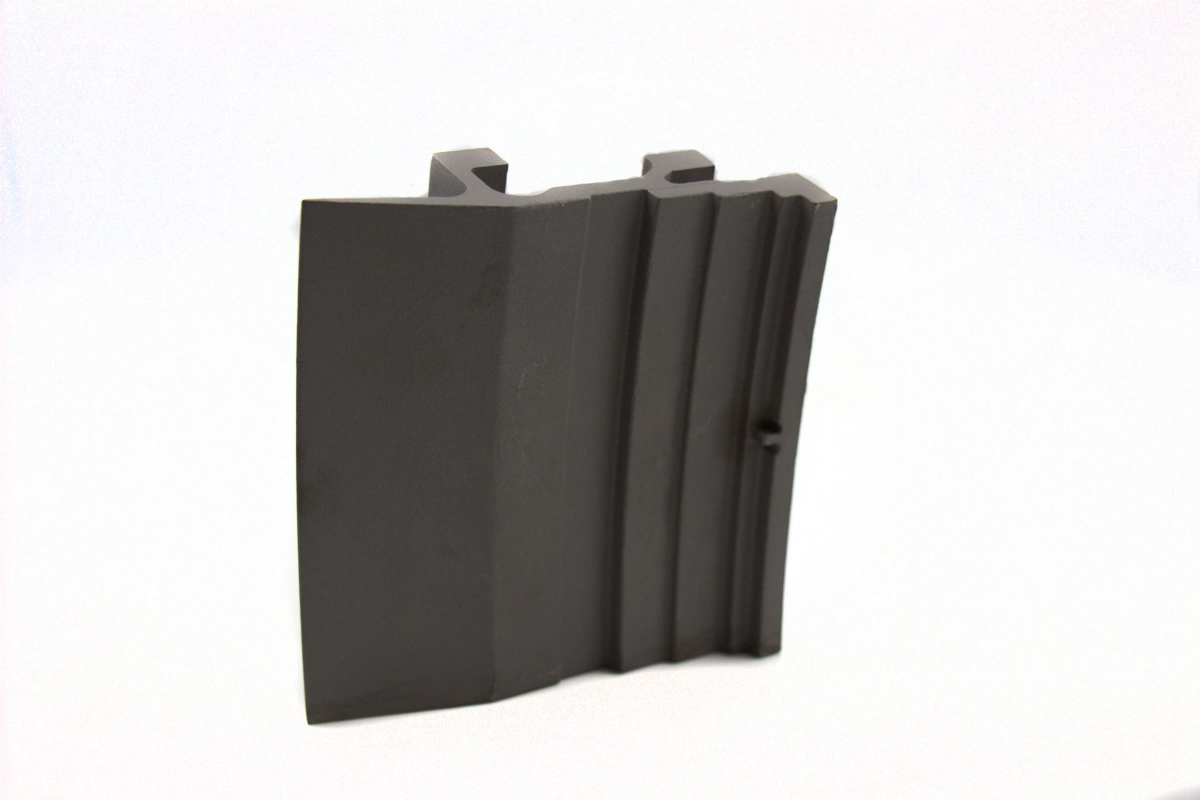
What usually causes delays in aftermarket gas turbine casting programs?
The most common delays in aftermarket gas turbine casting programs come from incomplete technical input, unclear material and inspection requirements, long tooling revision loops, casting quality issues, post-process rework, and final machining or dimensional approval problems. In many projects, the actual metal pouring step may take only a small portion of the total schedule, while engineering clarification, first-article correction, and quality release consume 40% to 70% of the full program timeline.
1. Why Aftermarket Programs Often Take Longer Than Expected
Aftermarket work is usually harder than new-production work because OEM data is often incomplete, legacy parts may have been repaired several times, and the buyer may only have a used sample rather than a full manufacturing package. That means the supplier must rebuild technical logic before starting a stable casting route. If this early stage is rushed, later scrap, rework, and approval delays become much more likely.
2. The Most Common Delay Sources
Delay Source | What Usually Happens | Typical Schedule Impact |
|---|---|---|
Incomplete RFQ package | Missing 3D model, unclear dimensions, no section views, no tolerance logic | 3 to 10+ days |
Unclear alloy confirmation | Supplier must verify chemistry, service temperature, and replacement intent | 2 to 7 days |
Reverse engineering work | Used part must be scanned, rebuilt, and corrected for wear or distortion | 1 to 3+ weeks |
Tooling revisions | Wax die offsets or shrink compensation need adjustment after first sample | 1 to 2+ weeks |
Casting defects | Porosity, hot tears, misrun, or distortion force recast or repair review | 1 to 4+ weeks |
Post-process bottlenecks | HIP, thermal cycles, coating, or weld repair slots are not immediately available | 3 to 14+ days |
Machining and inspection rework | Critical datums or stock allowance do not match final finishing needs | 3 to 10+ days |
3. Incomplete Customer Input Is One of the Biggest Causes
A large percentage of aftermarket delays start before production. Buyers often provide only a part photo, an old part number, or a worn sample. Without final geometry, service condition, inspection requirements, and quantity planning, the supplier cannot confidently fix tooling allowance, alloy route, or quality level. This is especially true for hot-section components in power generation, where small technical mistakes can lead to major service-life loss.
If the part also needs critical finishing after casting, the absence of datum logic or machining stock definition can create a second delay loop later in the program.
4. Reverse Engineering and Data Rebuild Often Add Time
When OEM files are unavailable, the supplier may need to rebuild the model from a used component. That work is valuable, but it adds time. The part may already have oxidation, crack repair, local wear, coating remnants, or creep distortion, so the engineering team must distinguish original geometry from in-service damage. This is one reason aftermarket programs for turbine hardware often take longer than buyers initially expect.
Programs involving complex contours or hot-gas-path surfaces often need additional validation against dimensional control and likely service deformation before tooling release.
5. Tooling and Shrinkage Correction Can Create a Second Delay Loop
Even after the model is approved, the first wax pattern and first casting may not immediately land inside the best stock window. Foundries often need one or more iterations to refine tooling compensation, shell behavior, and local shrink response on complex parts. For large rings, vanes, shrouds, and combustor structures, a dimensional shift of only 0.3 to 1.0 mm in the wrong area can force die offset changes or extra machining review.
This is especially relevant on programs that depend on high repeatability from equiaxed casting or more demanding grain-control routes.
6. Quality Issues After Pouring Can Add the Longest Delays
Once metal is poured, the most serious delays usually come from internal quality findings. Porosity, inclusions, hot cracking, shell reaction, dimensional warp, or insufficient wall definition can trigger repair review, re-inspection, or full recast. On critical aftermarket programs, one failed first article may add several weeks because the supplier must repeat shell build, pouring, thermal cycles, and final verification.
That is why robust quality verification is necessary, even though it may appear to slow the program. In practice, it prevents bigger delay later in field service or final approval.
7. Post-Processing and Machining Often Become Hidden Schedule Bottlenecks
Many buyers estimate lead time based only on casting, but aftermarket turbine parts usually require multiple downstream steps. These may include HIP densification, heat treatment, weld repair, surface protection, and precision machining. If any one of these processes has limited capacity or a failed intermediate inspection, the entire delivery plan slips.
Downstream Step | Why It Delays Programs | Common Trigger |
|---|---|---|
HIP | Batch scheduling and furnace availability are limited | Critical porosity-control requirement |
Heat treatment | Thermal cycle duration and fixture loading must be controlled | Microstructure and stress-relief targets |
Coating | Surface prep and subcontract queue add waiting time | High-temperature protection requirement |
Final machining | As-cast variation may reduce stock margin or require fixture changes | Tight-fit features and datum correction |
8. Approval Delays Are Also Common in Aftermarket Programs
Even when the part is physically finished, shipment may still be delayed by document or approval issues. Buyers may ask for extra dimensional reports, metallography, X-ray review, material certification, or comparison against legacy samples after manufacturing is already complete. If these expectations were not fixed at RFQ stage, release can stall unexpectedly.
This is one reason strong commercial and technical alignment at the beginning of an aftermarket program is just as important as foundry capability.
9. How to Reduce These Delays
Best Practice | Why It Helps |
|---|---|
Provide 3D, 2D, service condition, and quantity together | Reduces engineering clarification loops |
Confirm alloy and inspection standard before tooling | Avoids later process-route changes |
Agree whether the deliverable is cast blank, rough-machined, or finished | Prevents scope change after metal is poured |
Review risk of porosity, distortion, and stock margin early | Improves first-pass yield |
Define document package before production | Prevents final release delay |
10. Summary
In summary, delays in aftermarket gas turbine casting programs are usually caused by incomplete technical input, reverse engineering work, tooling iteration, casting defects, post-process bottlenecks, machining rework, and late quality-document requests. The fastest programs are usually not the ones with the shortest pouring schedule, but the ones with the clearest RFQ package, the fewest scope changes, and the most stable path through post-processing. For related references, see gas turbine components, component case studies, and process simulation.