How do foundries control dimensional repeatability on complex turbine components?
How do foundries control dimensional repeatability on complex turbine components?
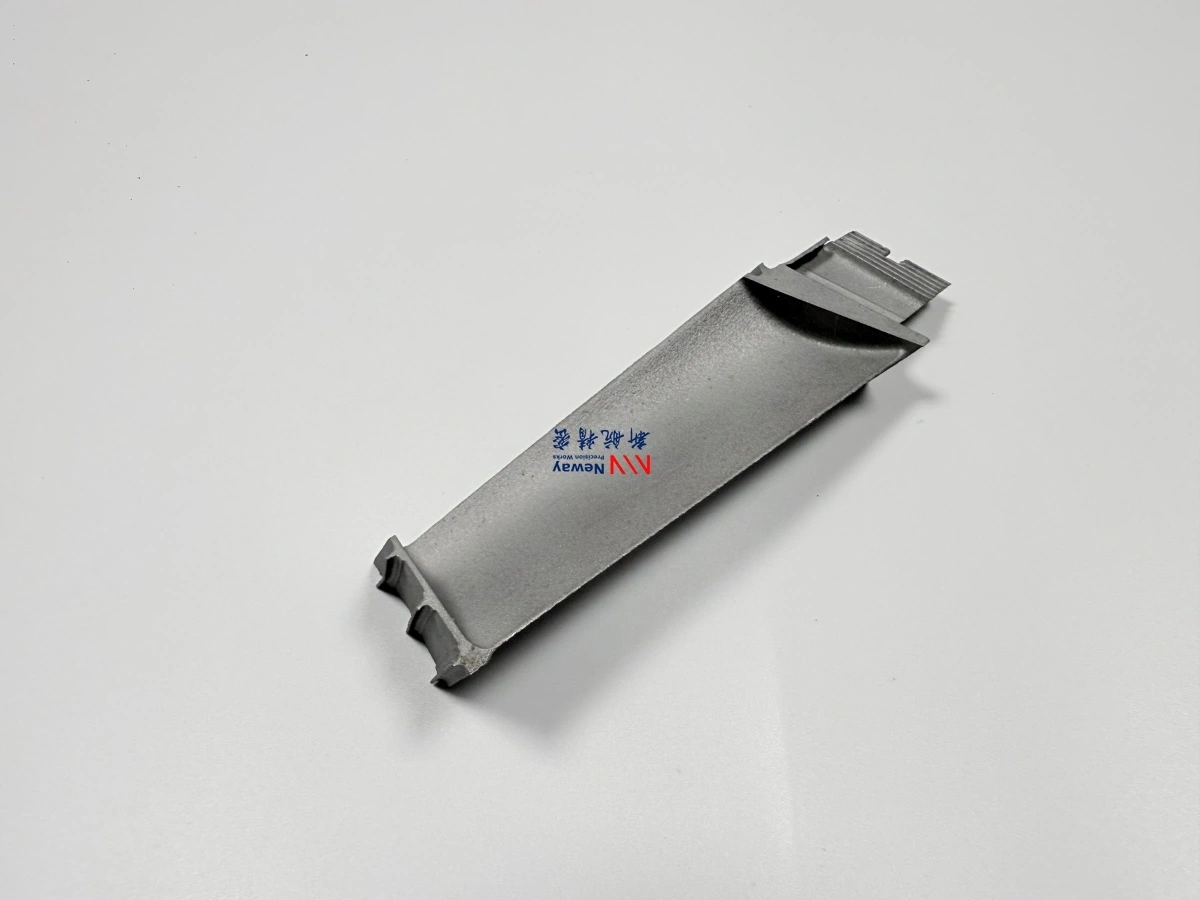
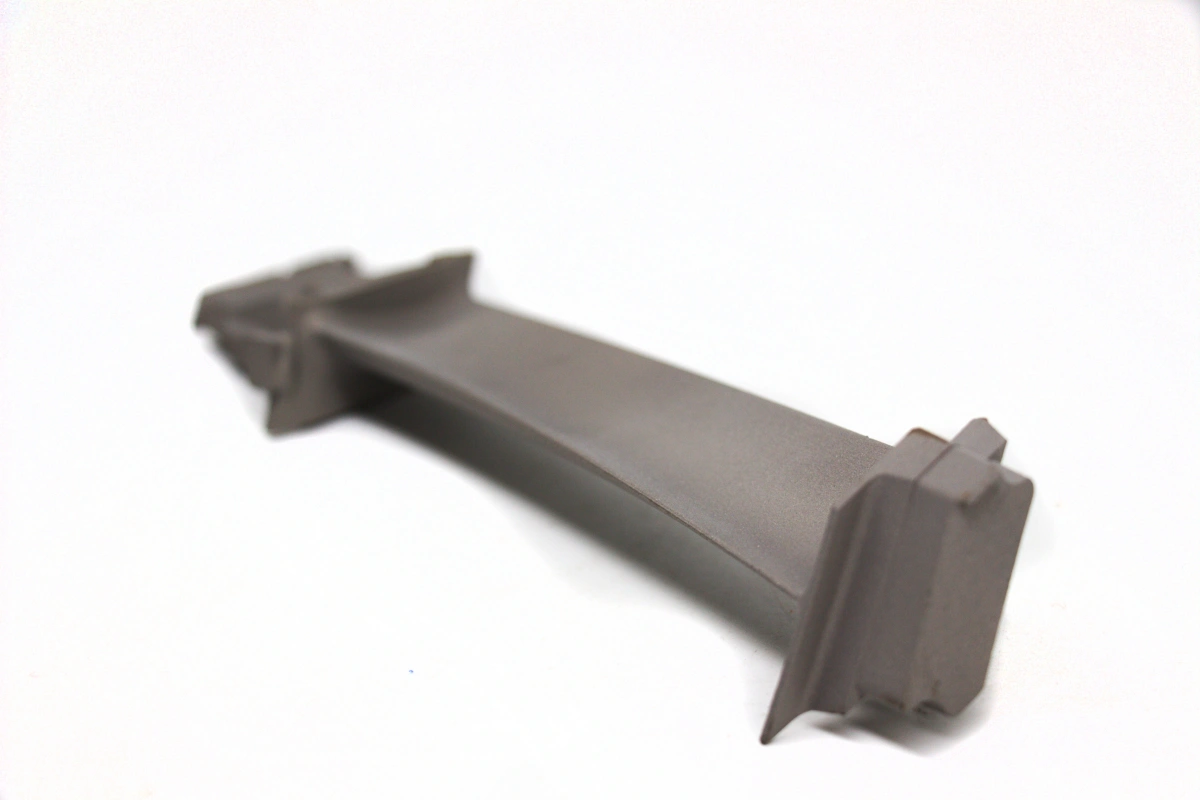
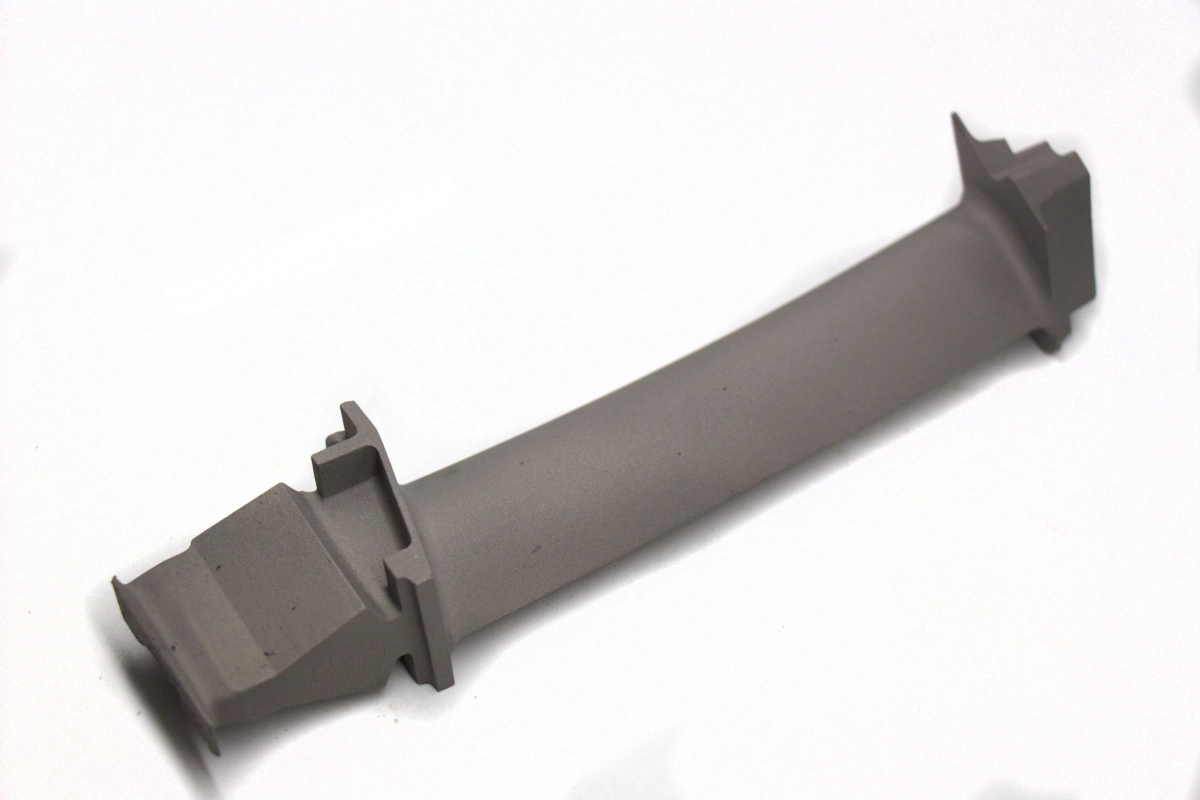
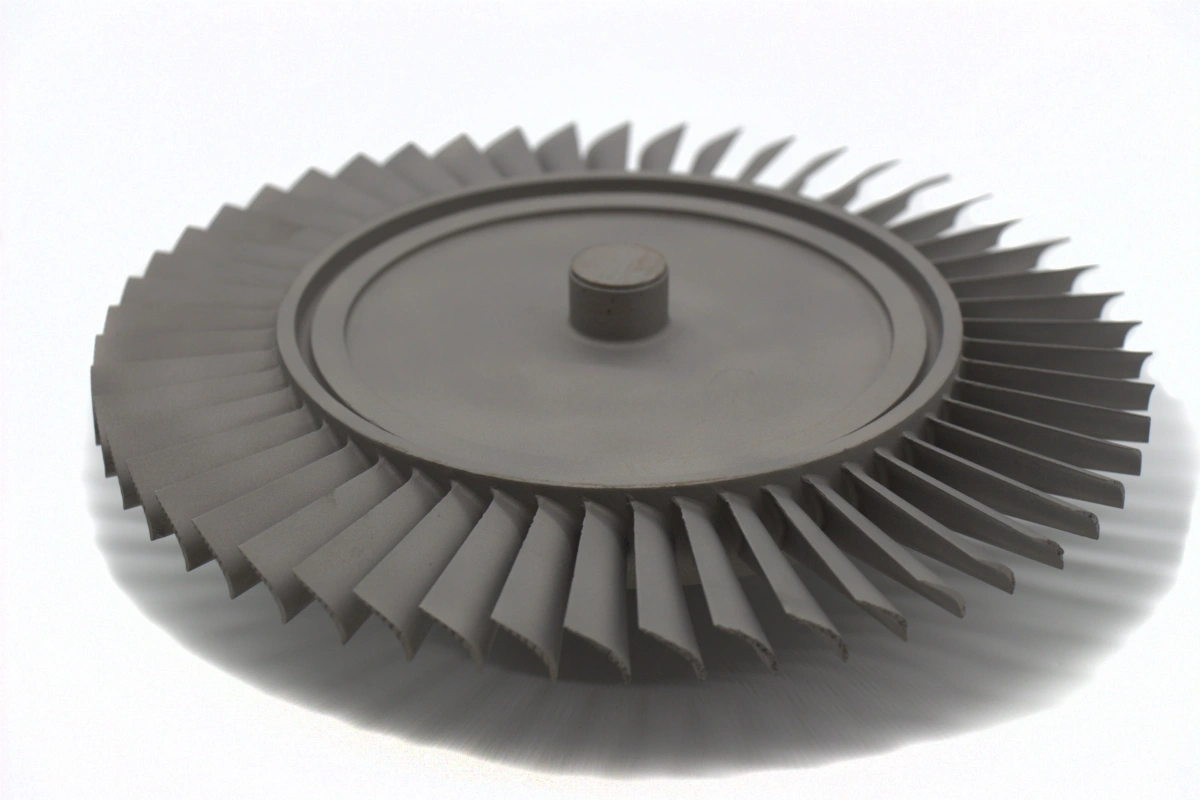
Foundries control dimensional repeatability on complex turbine components by stabilizing every stage that influences shape: wax tooling, pattern injection, shell building, alloy pouring, solidification, heat treatment, fixturing, finish machining, and final inspection. For turbine parts with thin walls, airfoil contours, ring segments, and multi-datum interfaces, repeatability depends on controlling cumulative variation rather than relying on one single process step. In well-managed programs, casting variation is reduced by combining tooling compensation, process-window control, and post-cast verification so that part-to-part dimensional drift stays within the machining and assembly margin.
1. Why Dimensional Repeatability Is Difficult on Turbine Parts
Complex turbine components are difficult to repeat because they often combine airfoil curvature, changing wall thickness, long unsupported sections, local hot spots, and multiple critical interfaces in one casting. A small variation in wax shrinkage, shell growth, or solidification can shift profile position, flange flatness, hole location, or ring geometry. On larger or thinner parts, even thermal contraction during cooling can move dimensions enough to affect machining stock or assembly fit.
Variation Source | Typical Dimensional Effect | Main Risk |
|---|---|---|
Wax pattern instability | Profile drift, local thickness change | Inconsistent cast starting geometry |
Shell thickness variation | Uneven mold restraint and local distortion | Shape inconsistency after pouring |
Alloy shrinkage variation | Size shift and warpage | Loss of repeatability batch to batch |
Heat-treatment movement | Bow, twist, or flatness change | Extra machining or scrap |
Fixture inconsistency | Datum shift during finishing | Poor assembly alignment |
2. Repeatability Starts with Pattern Tooling
The first control point is stable wax tooling. Foundries improve repeatability by using dimensionally compensated dies, controlled injection pressure, stable wax temperature, and consistent cooling time. If the wax pattern is unstable, no later process can fully recover the dimensional loss. On many turbine castings, a pattern variation of only 0.10 to 0.30 mm in a local feature can later become a much larger machining or assembly problem after shell growth and metal shrinkage are added.
That is why programs using vacuum investment casting often treat wax control as a primary repeatability variable, not just a pre-casting preparation step.
3. Shell Building Must Be Kept Uniform
Ceramic shell stability has a direct effect on repeatability. Foundries control slurry viscosity, coating thickness, drying time, humidity, and shell support strategy so the mold restrains the part consistently during pouring and cooling. Uneven shell thickness can lead to local growth differences, profile drift, and non-uniform contraction. This is especially important for nozzle segments, shrouds, vanes, and other thin-wall turbine castings.
When automated shell lines are available, they usually improve repeatability by reducing operator-to-operator variation in coating and drying.
4. Shrinkage Compensation Is Built Into the Tooling and Process
Foundries do not simply copy nominal CAD dimensions into a mold. They build in shrinkage compensation based on alloy type, part geometry, section thickness, and historical process data. For superalloy turbine components, total dimensional change comes from several stages: wax contraction, shell behavior, liquid-to-solid transformation, cooling to room temperature, and later thermal processing. Good foundries use trial data and statistical feedback to adjust tooling offsets until the as-cast geometry consistently lands within the intended stock envelope.
Control Method | How It Improves Repeatability |
|---|---|
Tooling offset compensation | Pre-corrects known shrinkage trends before casting begins |
Historical process feedback | Uses measured casting data to refine future pattern dimensions |
Geometry-based allowance planning | Keeps critical machined features inside stable stock windows |
Alloy-specific compensation | Prevents using one shrink rule for multiple high-temperature alloys |
5. Solidification and Cooling Control Reduce Warping
Repeatability is strongly affected by how the part solidifies and cools. Foundries reduce dimensional spread by controlling gating layout, feed path, mold orientation, and thermal gradients. If one section freezes much earlier than another, the final casting may distort or pull unevenly. Better thermal balance reduces warpage and improves batch consistency.
For more demanding components, grain-control routes such as equiaxed crystal casting, directional casting, or single crystal casting also influence dimensional repeatability because solidification path and thermal control become more tightly managed.
6. Fixturing After Casting Is Critical
After knockout and thermal processing, foundries often use controlled fixtures to hold datum relationships during straightening, stress relief, and machining preparation. Without repeatable fixturing, even a good casting can be measured or machined from a shifting reference condition. This is especially important for ring segments, flange parts, and airfoil components where twist or bow must be controlled before final finishing.
In many production routes, fixturing is one of the hidden reasons why one supplier delivers repeatable parts and another does not.
7. Heat Treatment and HIP Must Be Managed for Dimensional Stability
Heat treatment and HIP can improve metallurgy and density, but they can also shift geometry if the support method and thermal cycle are not controlled. Foundries improve repeatability by standardizing load arrangement, fixture support, heating rate, soak pattern, and cooling method. On precision turbine castings, even small post-process movement can affect flatness, hole position, or profile stock for later machining.
8. Final Repeatability Is Often Achieved with Machining Datums
Complex turbine castings usually combine as-cast geometry with finished datums and interfaces. Foundries therefore leave controlled stock on critical areas and use superalloy CNC machining to lock down mounting faces, sealing surfaces, bores, and hole patterns. The casting process creates the near-net-shape form, while machining removes the remaining variation on function-critical features.
This is often the most economical way to balance manufacturing efficiency and final dimensional repeatability: cast the complex geometry, then machine only the features that control fit and performance.
9. Inspection Closes the Loop
Repeatability improves only when the foundry measures the results and feeds them back into tooling and process control. That is why advanced programs rely on material testing and analysis, dimensional mapping, and profile comparison rather than checking only a few dimensions. For turbine components, 3D scan comparison, CMM inspection, and key-datum trend tracking help reveal where the process is drifting.
Inspection Method | Repeatability Value |
|---|---|
CMM checking | Confirms datums, hole positions, and critical feature size |
3D scanning | Shows full-profile drift against CAD across batches |
SPC trend tracking | Identifies gradual tooling or process movement before it becomes scrap |
First-article correlation | Sets the dimensional baseline for repeat production |
10. Summary
In summary, foundries control dimensional repeatability on complex turbine components by stabilizing wax tooling, shell thickness, shrinkage compensation, solidification behavior, fixturing, thermal processing, final machining, and closed-loop inspection. The best results come from treating repeatability as a system problem rather than a single tolerance problem. For related capability references, see dimensional control, CMM checking, and 3D scanning.