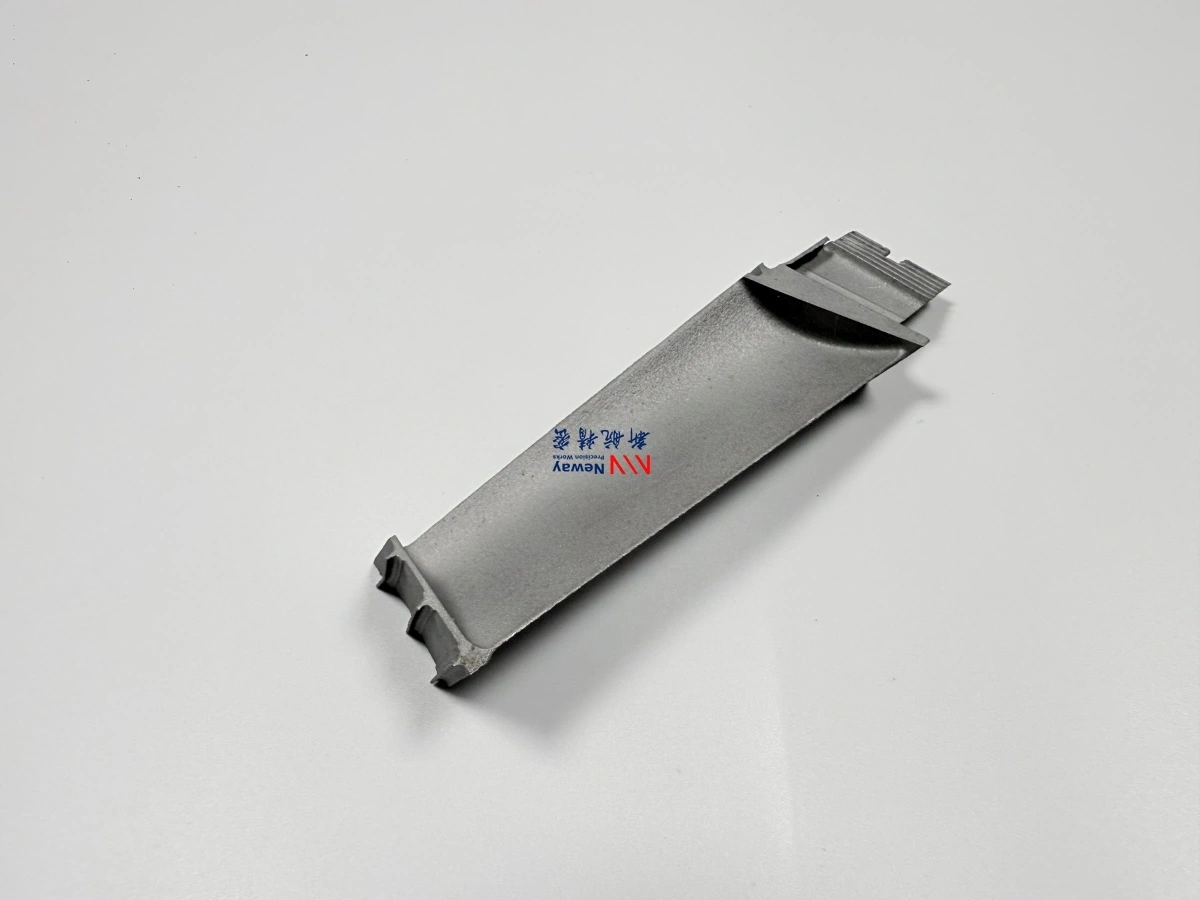
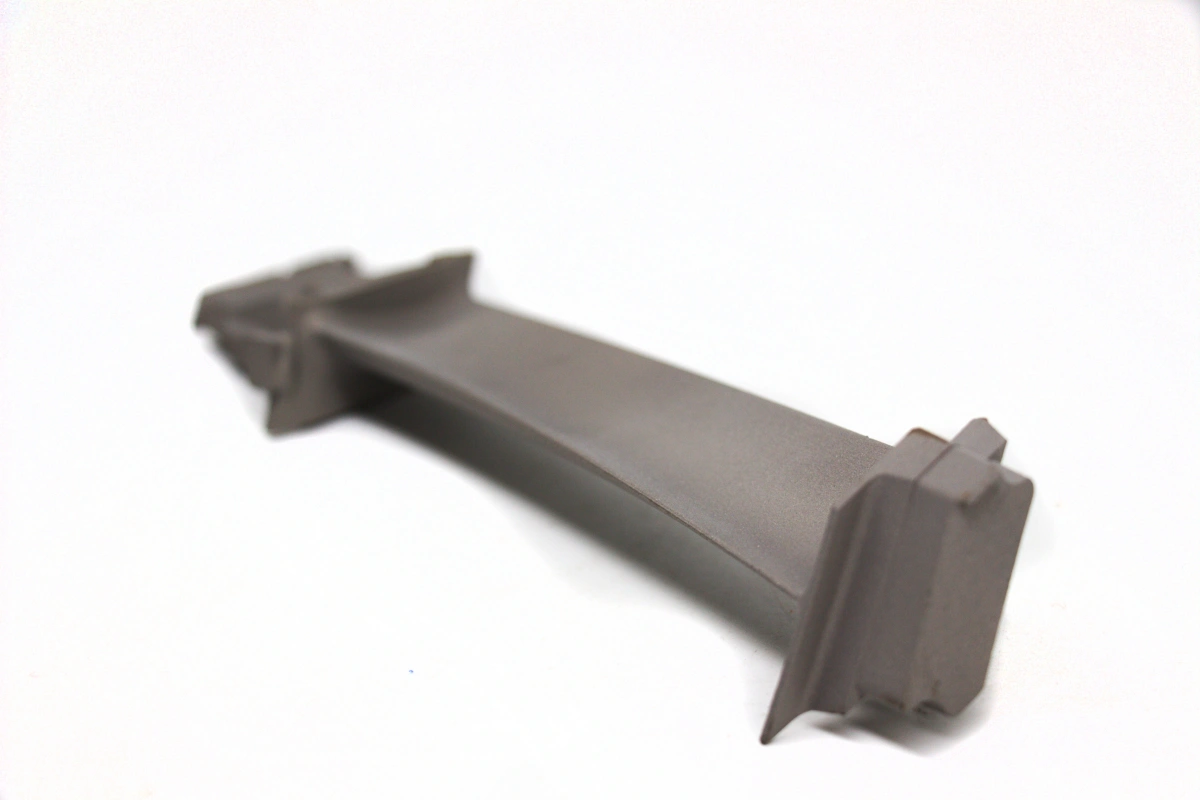
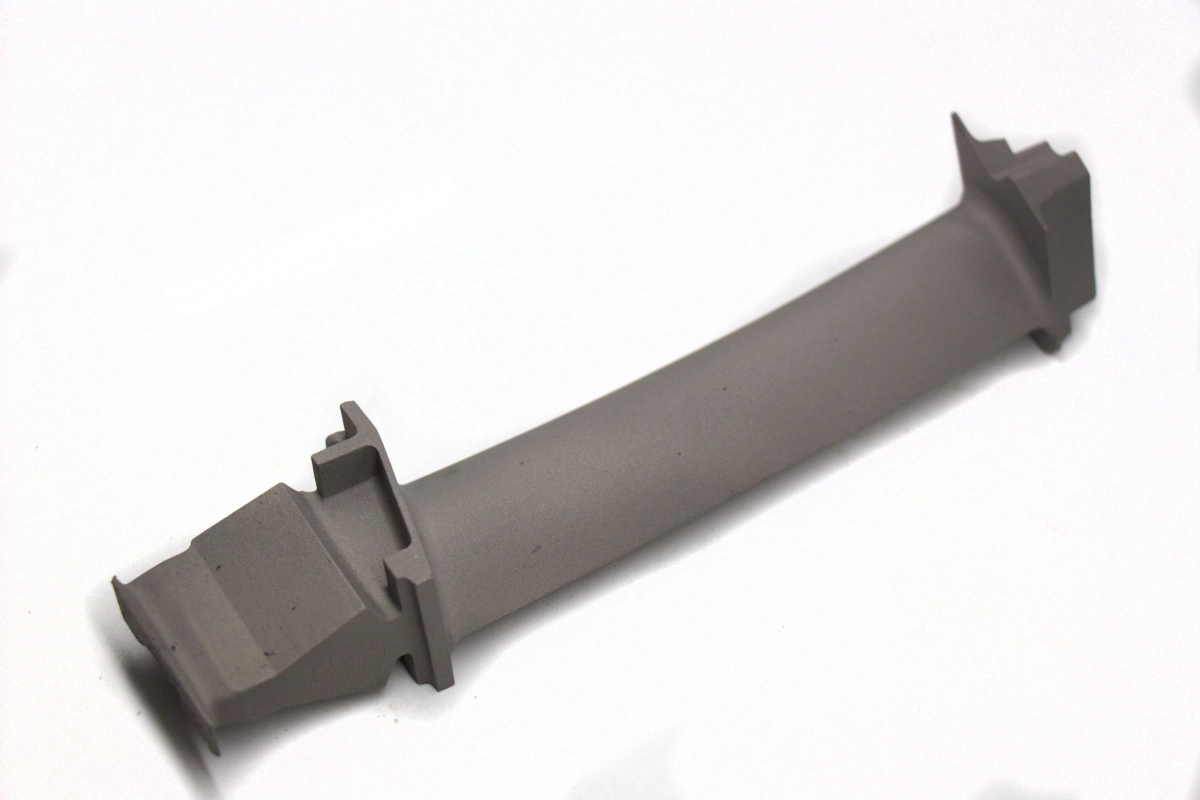
How does reverse engineering help when OEM data is incomplete or unavailable?
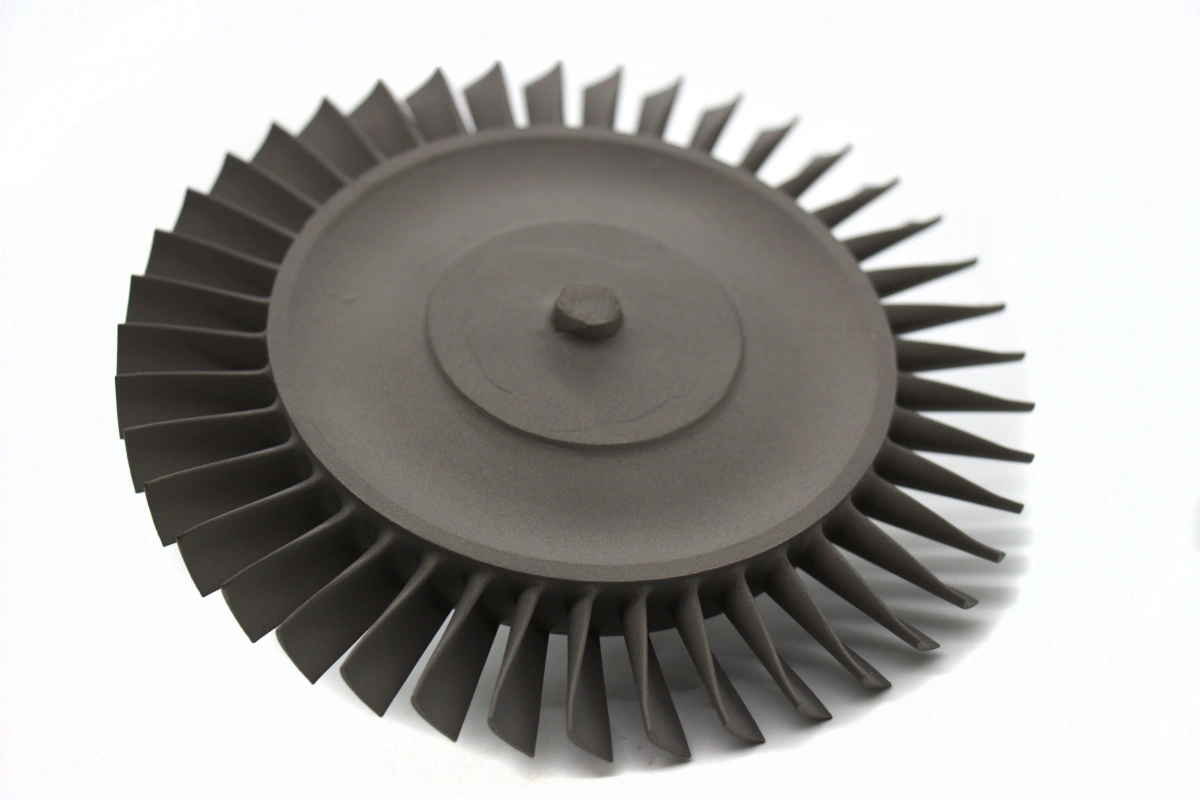
How does reverse engineering help when OEM data is incomplete or unavailable?
Reverse engineering helps when OEM data is incomplete or unavailable by rebuilding the missing technical foundation needed to manufacture, inspect, and quote a replacement part. Instead of relying only on incomplete drawings, worn samples, or outdated part numbers, manufacturers can use measured geometry, scanned surfaces, material evidence, and service-condition analysis to reconstruct a usable production model. For gas turbine replacement parts, this is often the fastest way to move from an unavailable OEM dataset to a manufacturable part route with controlled risk.
1. Why OEM Data Gaps Create Serious Manufacturing Risk
When OEM information is missing, the problem is usually much bigger than one absent drawing. In many projects, the missing data includes tolerance logic, datum definition, alloy revision, repair history, wall-thickness intent, machining stock allowance, or inspection acceptance criteria. If a manufacturer guesses these items incorrectly, the result may be poor fit-up, wrong material selection, distortion during service, or premature cracking in hot-section use.
Missing OEM Information | Typical Risk Created | Why Reverse Engineering Helps |
|---|---|---|
Full 3D geometry | Unknown surfaces, hidden transitions, and interface mismatch | Scanned geometry rebuilds the actual physical shape |
Critical tolerances | Incorrect fit, leakage, rub, or assembly stress | Measured datums help define functional dimensions |
Material specification | Wrong alloy route or inadequate service life | Testing identifies chemistry and metallurgical clues |
Manufacturing route | Choosing casting, forging, or machining incorrectly | Part geometry and structure reveal the likely process logic |
Inspection criteria | Uncontrolled quality release | Rebuilt inspection points can be tied to functional risk |
2. Reverse Engineering Turns a Physical Part Into Manufacturing Data
The main value of reverse engineering is that it converts a sample part, damaged part, legacy component, or field-returned hardware into usable engineering inputs. A worn or partially documented component can be scanned, measured, section-reviewed, and compared against service damage patterns to create a new digital reference. This makes it possible to build quotation data, casting models, machining routes, and inspection plans even when the original OEM package is incomplete.
For replacement programs in power generation, this is especially useful when the operator has a physical part in hand but lacks reliable production records.
3. What Reverse Engineering Can Recover
Recovered Data Type | How It Helps Production |
|---|---|
External geometry | Supports CAD rebuilding and casting or machining route design |
Interface dimensions | Improves assembly fit and reduces installation risk |
Wall thickness pattern | Helps evaluate creep, distortion, and feed-path logic for castings |
Damage distribution | Shows likely hot spots, weak zones, and service failure mechanisms |
Material clues | Guides alloy family selection and post-process planning |
Functional datums | Creates inspection logic when OEM datum schemes are unavailable |
4. It Is Especially Important for Cast Replacement Parts
Reverse engineering is particularly valuable when the target part is likely to be produced by vacuum investment casting or another advanced casting route. Cast parts often include blended surfaces, varying section thickness, fillet logic, and shape-driven load paths that cannot be reconstructed accurately from a few 2D dimensions alone. A physical sample reveals these relationships much more clearly than a partial drawing set.
For hot-section components such as vanes, rings, combustor hardware, and other gas turbine components, this can prevent expensive mistakes in shrink allowance, gating strategy, and post-machining datum placement.
5. Reverse Engineering Also Supports Material and Failure Understanding
Good reverse engineering is not limited to shape capture. It also helps manufacturers understand how the original part worked and why it failed. When combined with material testing and analysis, reverse engineering can identify likely alloy family, casting quality level, grain structure intent, oxidation pattern, crack origin zones, and whether the part needs a stronger post-process route.
This is important because copying only the shape of a failed part may simply reproduce the original weakness. A better approach is to reconstruct both geometry and service logic, then decide whether the replacement should keep the same route or improve it.
6. How It Improves Quoting and Lead Time
When OEM data is missing, quoting delays often come from uncertainty rather than manufacturing difficulty. Reverse engineering reduces that uncertainty. Once a usable model and key dimensions are built, the manufacturer can make grounded decisions on alloy, process route, machining scope, and inspection cost. That makes RFQ response faster and more accurate.
Without Reverse Engineering | With Reverse Engineering |
|---|---|
Quote based on assumptions | Quote based on measured geometry and verified features |
Large uncertainty in process route | Clearer choice between casting, machining, or hybrid route |
Higher rework risk after order start | Better process planning before production release |
Longer engineering clarification cycle | Faster transition into production review |
7. It Helps Build a Complete Production Route, Not Just a Model
The real goal is not just to generate CAD. It is to create enough information to support the full manufacturing route. That may include alloy choice, casting class, heat-treatment strategy, final machining plan, and inspection release criteria. Depending on the part, the rebuilt route may later include HIP, heat treatment, precision machining, and targeted surface protection from the post-process route.
So reverse engineering works best when it is connected directly to manufacturability review, not treated as a standalone scanning task.
8. Summary
In summary, reverse engineering helps when OEM data is incomplete or unavailable by reconstructing the geometry, functional dimensions, material clues, and production logic needed to manufacture a reliable replacement part. It reduces quotation uncertainty, improves process selection, supports inspection planning, and helps manufacturers avoid repeating hidden service-life weaknesses. For related references, see vacuum cast component cases, material integrity work, and whole-process simulation.