Which 7B, 7E, and 7EA parts can use equiaxed casting?
Which 7B, 7E, and 7EA parts can use equiaxed casting?
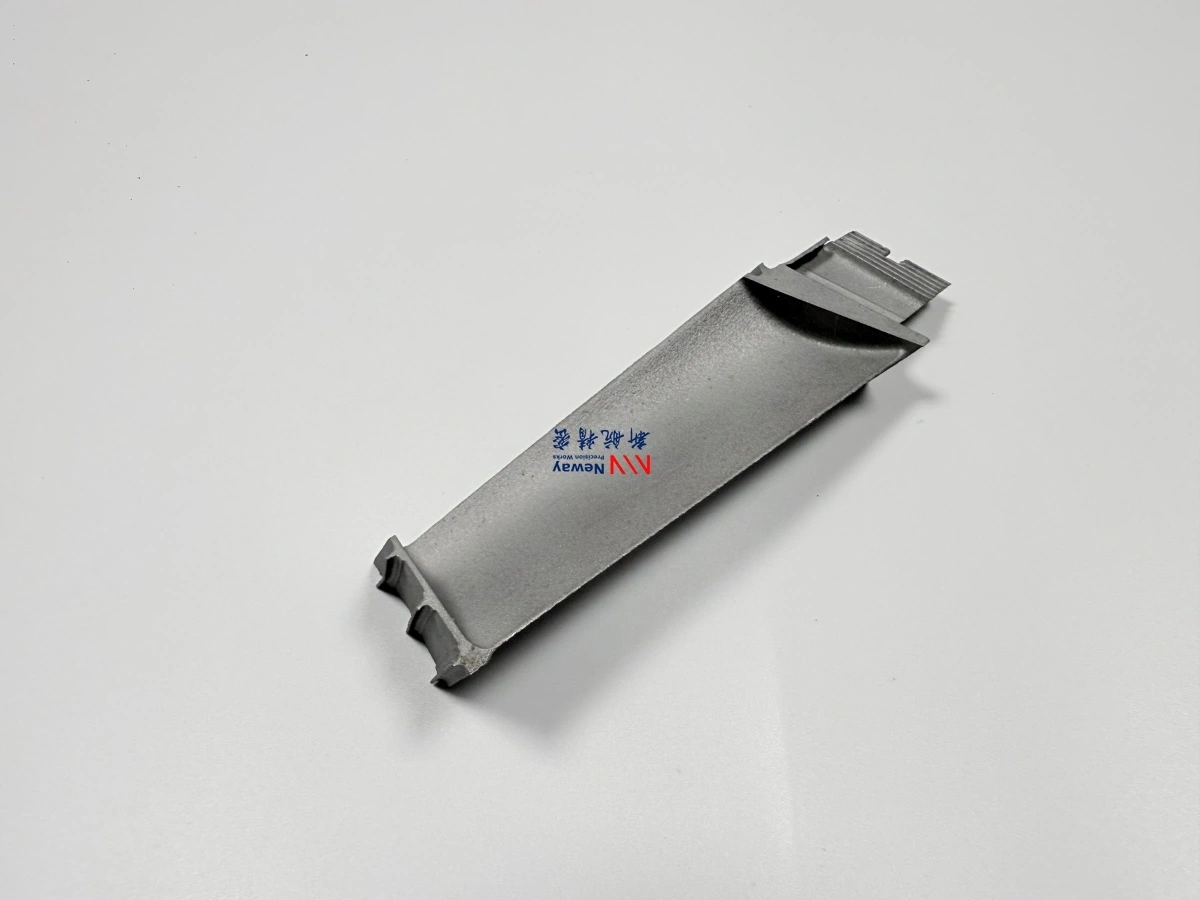
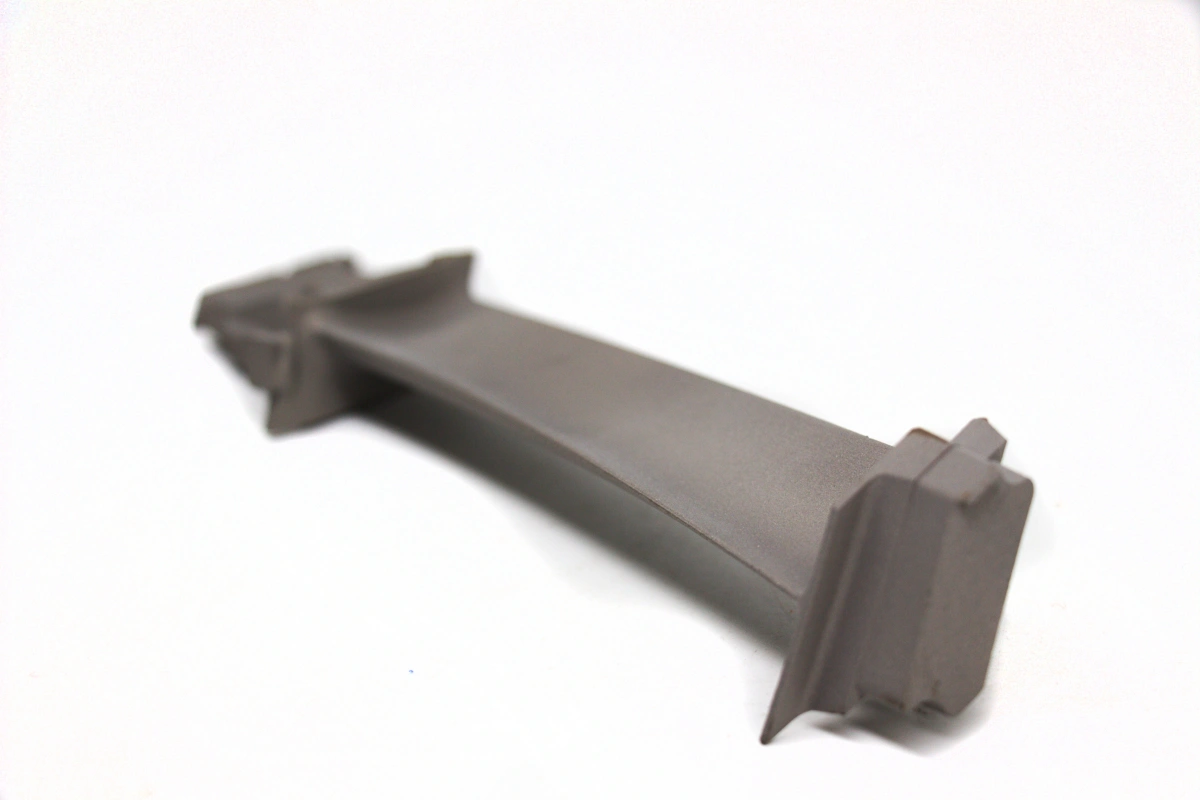
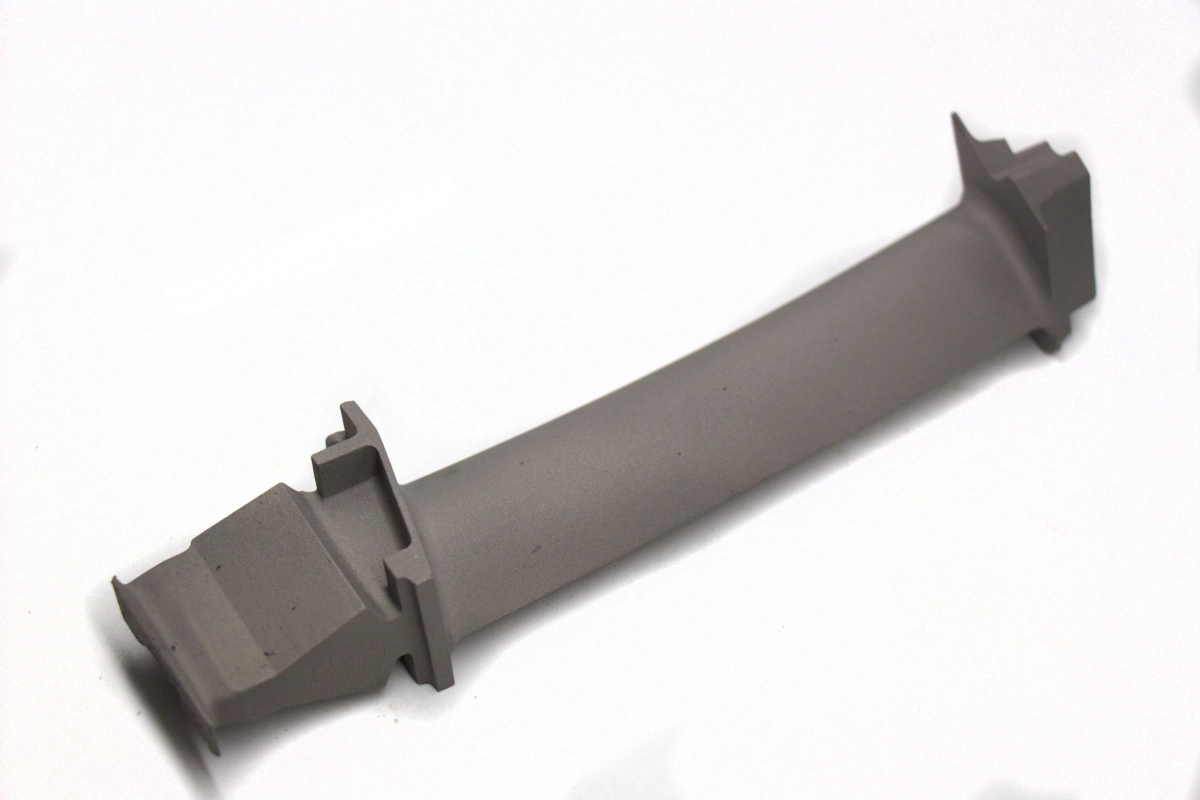
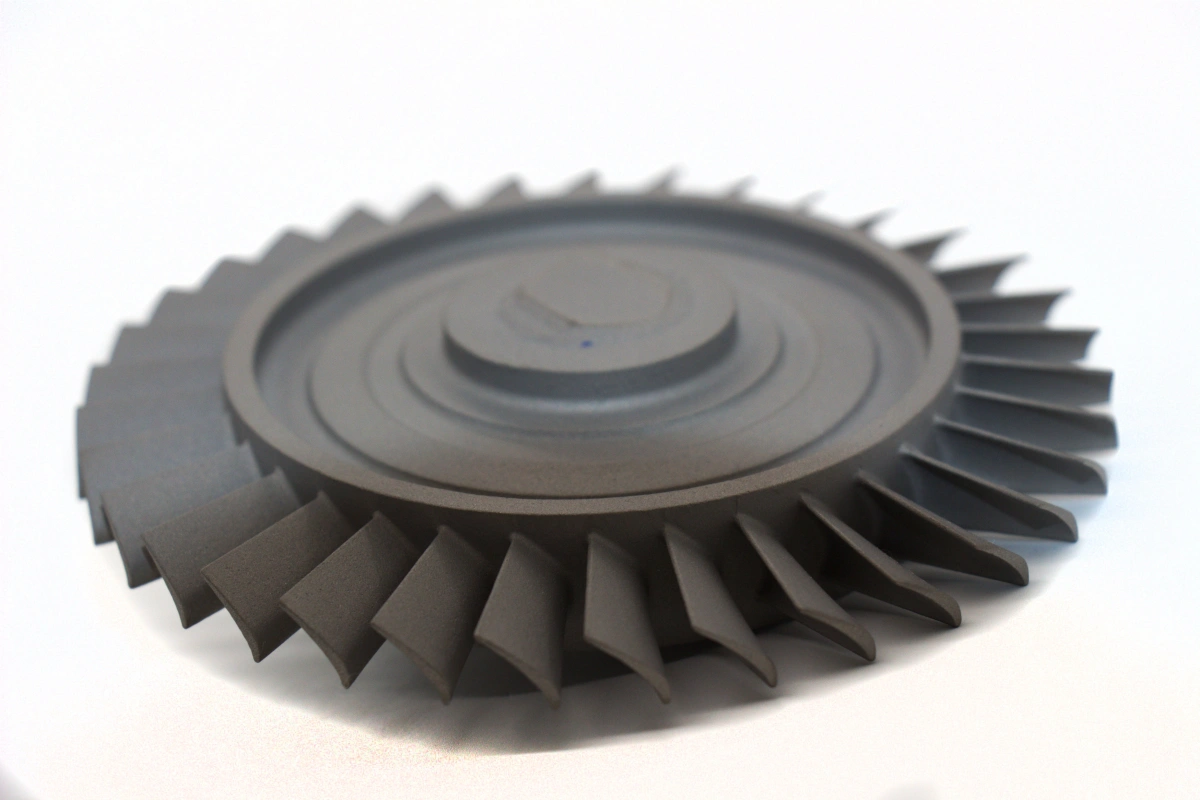
For 7B, 7E, and 7EA gas turbines, equiaxed casting is commonly suitable for nozzle rings, vane segments in moderate-duty zones, combustor cast hardware, transition-related cast structures, shrouds, seal segments, heat shields, and many general hot-section structural parts. These components usually need strong oxidation resistance, thermal stability, and cost-effective near-net-shape production, but they do not always require the higher creep capability of directional or single-crystal airfoils.
1. Why Equiaxed Casting Is a Practical Choice for 7B, 7E, and 7EA Parts
Equiaxed casting is often the most practical route when the component must survive elevated temperature service, but the duty level does not justify the added cost and lead time of more advanced grain-control routes. For many frame 7B, 7E, and 7EA replacement parts, the main requirements are dimensional consistency, oxidation resistance, repair practicality, and reliable batch production rather than maximum creep life.
Compared with machining from billet or fabricating multi-piece structures, equiaxed castings can reduce raw material waste by roughly 30% to 60% on complex hot-section shapes, while also lowering machining hours on contoured surfaces and flanged interfaces.
2. Parts Most Commonly Made by Equiaxed Casting
Part Type | 7B / 7E / 7EA Suitability | Why Equiaxed Casting Fits | Main Benefit |
|---|---|---|---|
Nozzle rings | Very high | Segmented ring geometry and hot-gas exposure suit cast near-net-shape production | Lower machining burden and good dimensional repeatability |
Guide vane segments in moderate-duty stages | High | Need strong oxidation resistance and stable profile geometry without premium airfoil route cost | Balanced durability and price |
Combustor cast hardware | High | Thermal-duty components often value manufacturability and thermal fatigue stability over maximum creep margin | Efficient replacement production |
Transition-related cast structures | High | Irregular hot-section shapes benefit from casting efficiency and lower fabrication complexity | Fewer joined sections and better shape control |
Shrouds | High | Curved thermal-duty forms are easier to produce as cast blanks than from solid stock | Improved contour consistency |
Seal segments | High | Need dimensional repeatability, wear resistance, and oxidation control more than premium grain alignment | Stable fit and economical supply |
Heat shields and covers | Medium to high | Thin-wall hot-face parts are often better served by equiaxed cast production than heavy machining | Lower material waste |
General hot-section structural castings | High | These parts usually need reliable high-temperature service, not the highest blade-level creep performance | Best value-to-life ratio |
3. Parts That Often Do Not Need Directional or Single-Crystal Routes
In 7B, 7E, and 7EA platforms, many replacement parts fall below the temperature and stress threshold where directional casting or single crystal casting becomes necessary. This is especially true when the component is mainly limited by oxidation, thermal fatigue, fit-up accuracy, or outage economics rather than by maximum long-term creep deformation.
Usually Equiaxed | Usually Higher-Grade Route Only If Duty Increases |
|---|---|
Nozzle rings, shrouds, seals, combustor cast parts, transition-related cast structures | Selected vanes and hotter airfoils if creep demand becomes more severe |
4. Common Alloy Families Used in Equiaxed 7B, 7E, and 7EA Castings
These parts are commonly produced from nickel-based and other high-temperature materials selected for oxidation resistance, castability, and service stability. Depending on the application, manufacturers often choose alloys from the Inconel alloy, Nimonic alloy, Rene Alloys, or broader casting superalloys families.
For moderate-duty gas-path and combustion applications, equiaxed routes in alloys such as Inconel 713LC, Inconel 738LC, Nimonic 80A, or Rene 41 are often technically appropriate when matched to the actual service zone.
5. Which Parts Should Be Reviewed More Carefully Before Choosing Equiaxed Casting?
Not every 7B, 7E, or 7EA hot-section part should automatically use equiaxed grain structure. Components that see stronger sustained stress, hotter gas-path exposure, or tighter life requirements may need route escalation. The most common review cases are higher-duty vane rows and selected blade applications.
Part Category | Equiaxed Use Decision | Main Review Question |
|---|---|---|
First-stage or hotter vane sections | Case by case | Is creep life still adequate with equiaxed grains? |
More severe turbine blades | Often limited | Would directional or single crystal materially extend life? |
General replacement hot hardware | Usually yes | Do oxidation, fit, and cost dominate over maximum creep demand? |
6. Equiaxed Casting Still Needs Strong Post-Processing
Even when equiaxed casting is the right route, the final part usually requires more than casting alone. Reliable 7B, 7E, and 7EA replacement parts often need heat treatment for microstructure stabilization, possible HIP for density improvement, finish operations through superalloy CNC machining, and full release through material testing and analysis.
For parts exposed to stronger thermal load, protective surface systems from the post-process route may also be necessary to control oxidation and extend service interval.
7. Summary
Frame Size | Parts Commonly Suitable for Equiaxed Casting |
|---|---|
7B | Nozzle rings, combustor cast hardware, shrouds, seals, general hot-section structures |
7E | Nozzle segments, moderate-duty guide vanes, transition-related structures, thermal covers |
7EA | Nozzle rings, seal segments, shrouds, combustor and transition cast components, many replacement hot parts |
In summary, the 7B, 7E, and 7EA parts that can commonly use equiaxed casting include nozzle rings, moderate-duty vane segments, combustor cast hardware, transition-related structures, shrouds, seal segments, heat shields, and other general hot-section structural castings. These parts usually benefit more from balanced high-temperature performance, reliable replacement supply, and economical production than from the premium grain-control routes used for the hottest blade applications. For related application references, see power generation, gas turbine components, and equiaxed casting components.