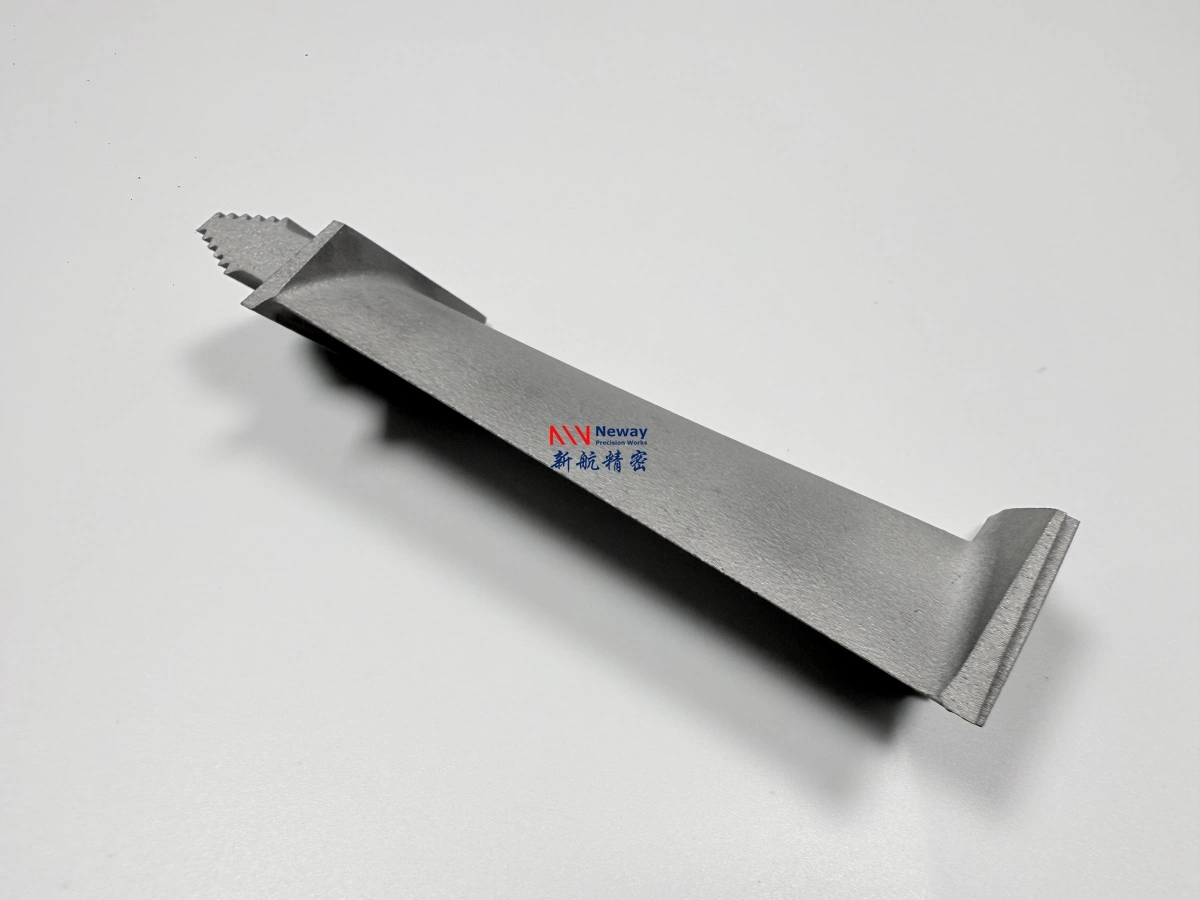
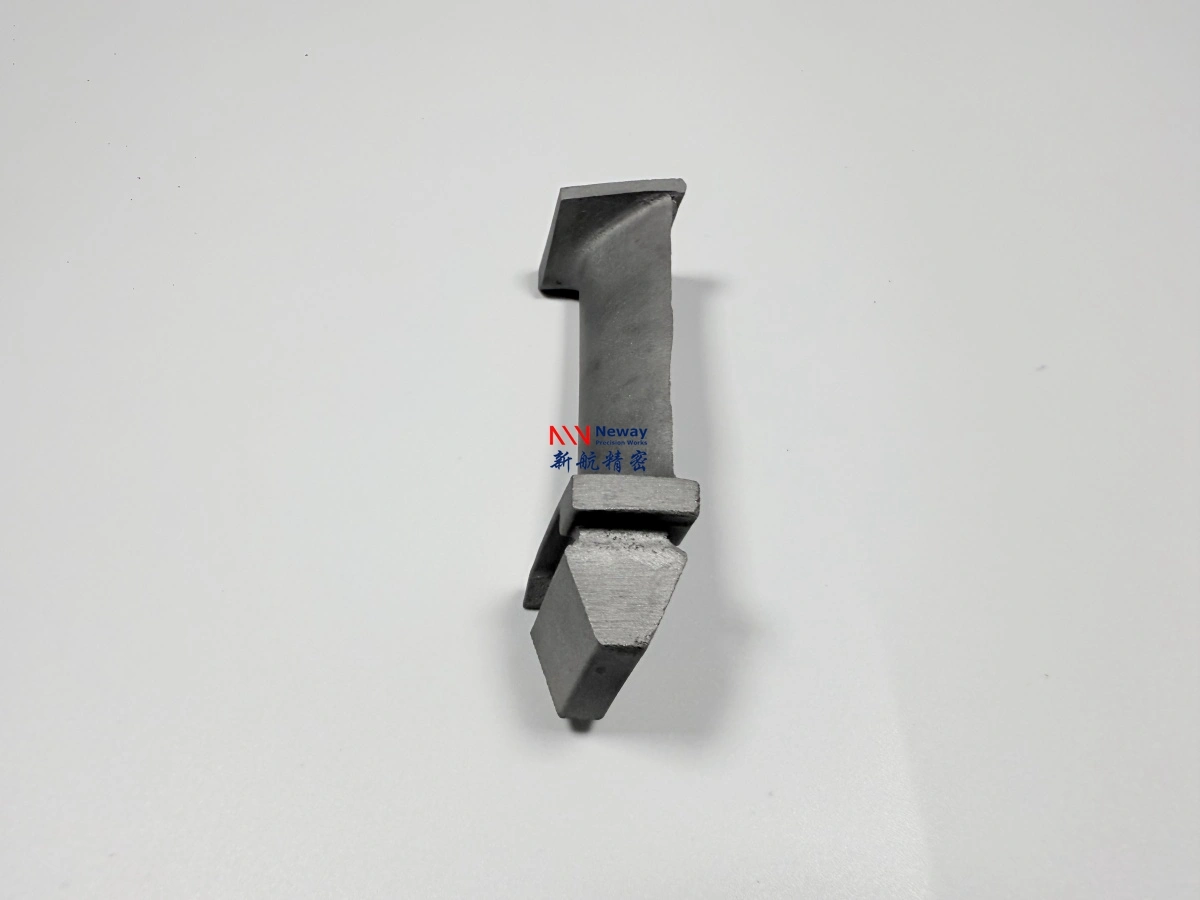
Stellite 12 Turbine Nozzle Ring Casting and Machining Boundary
A Stellite 12 turbine nozzle ring RFQ should define the ring's hot-side function before asking for a casting price. The component may need wear resistance, heat exposure resistance, dimensional stability, seal-face cleanup, and controlled ring geometry after machining. A supplier cannot quote that work from an alloy grade alone. It needs the ring drawing, segment plan if applicable, critical faces, stock allowance, and inspection records.
NewayAeroTech can review Stellite alloy vacuum investment casting projects, including cobalt alloy turbine wear hardware and machined ring components, when buyers provide drawings, alloy grade, quantity, delivery condition, and acceptance requirements. For this RFQ, the key question is where casting stops and where CNC machining, surface finishing, and final inspection begin.
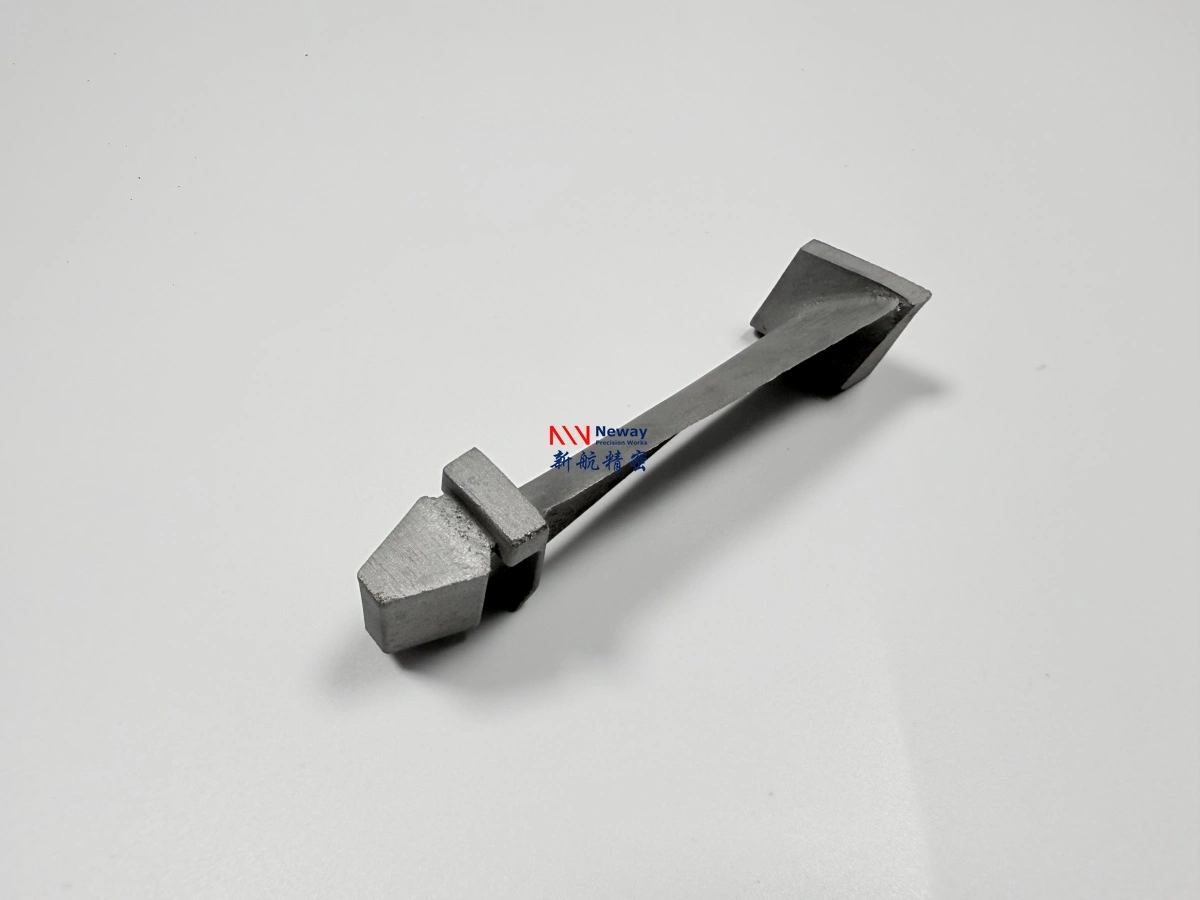
Nozzle Ring Geometry Changes the Stellite 12 Quotation Path
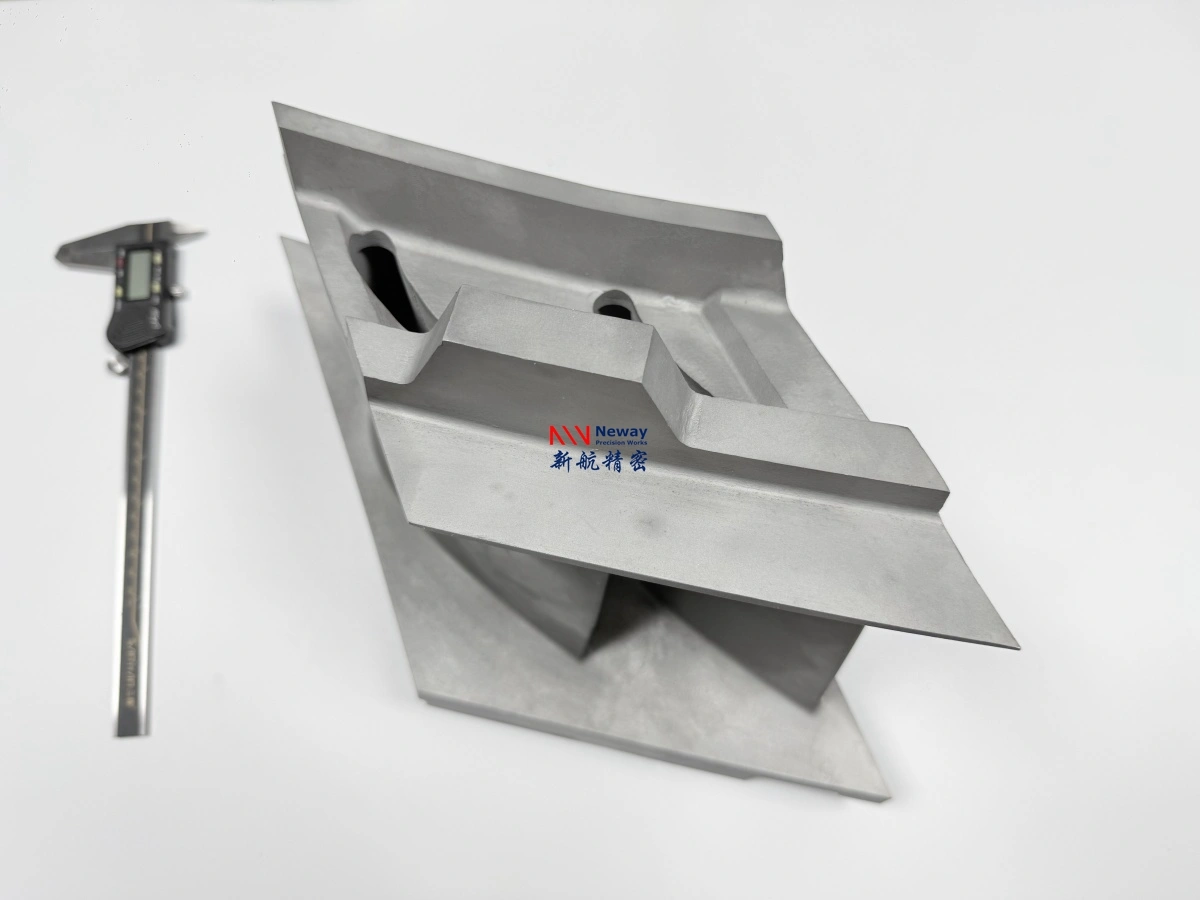
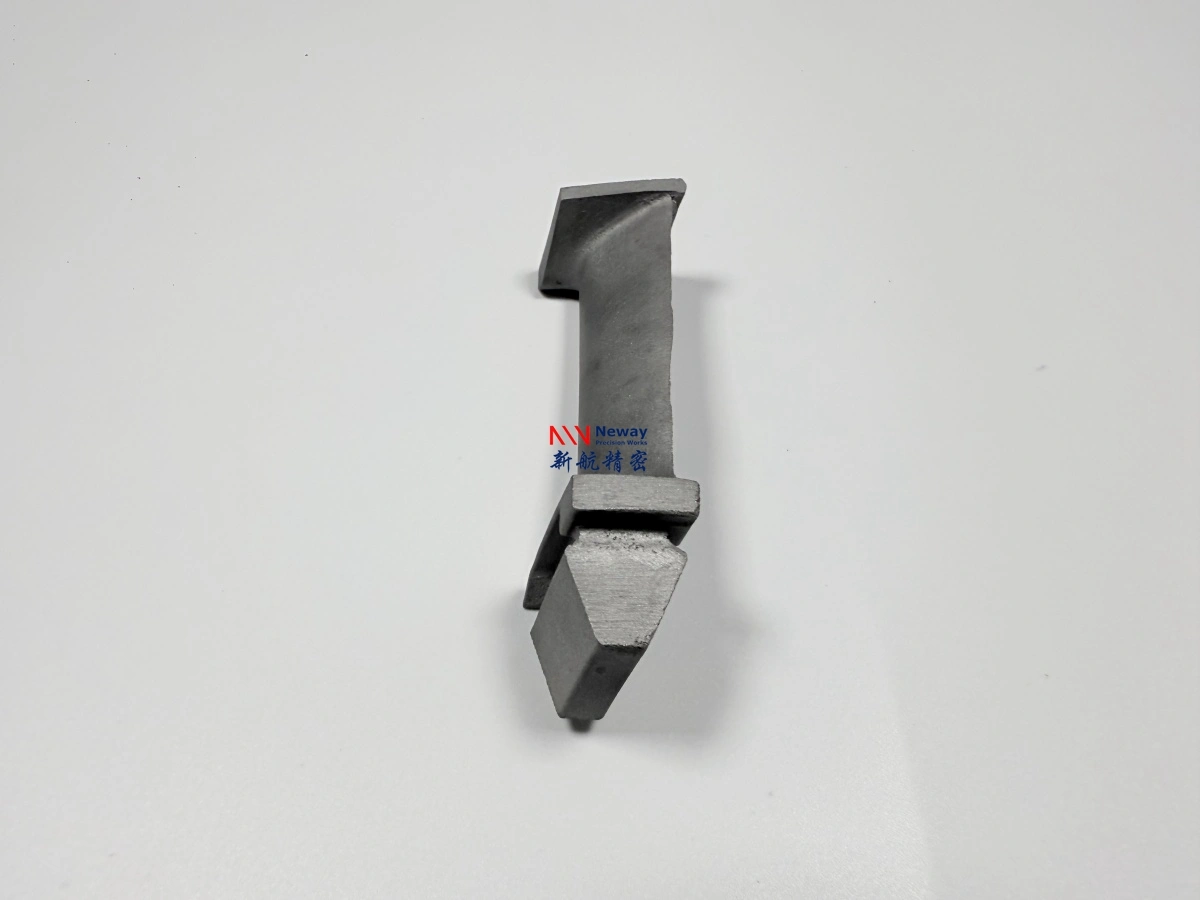
For this RFQ, buyers should show whether the nozzle ring is a full ring, segmented ring, arc section, shroud-like component, or ring with integrated bosses and seal lands. A complete ring creates distortion and fixture questions that a small wear insert may not create. A segmented ring may reduce casting size but introduces joint faces, angular tolerance, and assembly alignment. Those geometry choices decide how the supplier reviews tooling, casting orientation, machining allowance, and inspection.
The drawing should identify inner diameter, outer diameter, axial faces, seal lands, flow-path features, bolt holes, slots, and any wear-facing surface. A 3D model alone may not show which features are acceptance-critical. The buyer should also state whether the ring will be assembled into a turbine casing, used as a repair component, or machined further by another supplier. This prevents a casting quote from being mistaken for a finished ring quote.
Nozzle ring feature | Buyer should define | Supplier quotation impact |
|---|---|---|
Full ring or segment | One-piece ring, arc section, split line, and assembly relationship. | Controls casting envelope, fixture design, distortion review, and inspection setup. |
Seal face or land | Flatness, runout, finish, mating surface, and stock allowance. | Determines machining scope and final acceptance evidence. |
Flow-path edge | As-cast, blended, machined, or buyer-finished condition. | Changes cleanup labor and local defect acceptance. |
Mounting holes or slots | Hole pattern, angular tolerance, datum, and whether EDM is required. | Defines CNC/EDM operations and dimensional reporting. |
Buyers should not assume that a Stellite 12 ring will behave like a simple round blank. Local mass changes, casting feed design, heat exposure, and machining stress can all affect circularity. A useful quotation should describe how the ring will be held, cleaned, machined, and inspected before shipment.
If the nozzle ring is segmented, the RFQ should also identify the match method between adjacent segments. End-face stock, segment numbering, assembly radius, and acceptable mismatch should be defined before machining. A supplier may machine each segment individually, machine them in a fixture, or check them against a ring gauge depending on buyer requirements. That decision changes tooling, inspection time, and the usefulness of the final report.
Wear and Heat Exposure Information Buyers Should Define
Stellite 12 is often selected for wear and heat service, but the RFQ should describe the actual damage mode. A turbine nozzle ring may see hot gas, particle erosion, rub contact, sealing wear, thermal cycling, or localized oxidation. The supplier does not need proprietary turbine data, but it does need enough application context to separate wear-facing surfaces from simple structural geometry.
The alloy grade should be confirmed by drawing or buyer specification. If Stellite 12 is fixed, send the material requirement and any chemistry or hardness evidence needed. If the buyer is comparing Stellite 12 with another cobalt alloy or nickel alloy, state that the material decision is still open. A supplier can review manufacturability and inspection implications, but material approval must come from the buyer's engineering system.
Wear information should also identify whether the ring is a new manufacturing item, replacement hardware, or part of a repair program. A used sample can help show contact marks and wear zones, but it may also carry distortion, oxidation, and previous repair evidence. The RFQ should mark which surfaces are service-worn and which surfaces represent the desired final geometry.
Casting Allowance, Seal Face Machining, and Ring Distortion Review
The casting allowance for a nozzle ring should be assigned by feature, not applied as one global stock value. Seal faces, datum faces, bolt lands, and flow edges may need different allowances. Too little stock on a seal face can prevent cleanup. Too much stock on a cobalt alloy ring can make machining expensive and may increase the risk of movement during finishing. The RFQ should state which surfaces must finish to drawing and which can remain as-cast or blended.
If NewayAeroTech quotes superalloy CNC machining after casting, the buyer should provide final tolerances, datum scheme, surface finish callouts, and inspection report requirements. For ring parts, datum selection is especially important because inner diameter, outer diameter, side face, and segment end faces can compete for control. The supplier response should state the proposed machining sequence and inspection stage.
Manufacturing boundary | What casting should control | What machining should control |
|---|---|---|
Ring envelope | Near-net shape, feed cleanup, local stock, and cast feature visibility. | Final ID/OD, face cleanup, runout, and assembly fit. |
Seal surface | Enough stock for finishing without hiding casting defects. | Flatness, roughness, lapping or grinding allowance, and final report. |
Segment joint | Cast stock and distortion allowance near split faces. | Angular accuracy, joint face finish, and assembly gap check. |
Flow path | Cast contour and local cleanup plan. | Blend, surface finish, and edge condition where specified. |
Ring distortion should be discussed before tooling approval. The supplier may need a stress relief step, fixture plan, intermediate inspection, or revised stock distribution. If the buyer only inspects the final ring after machining, it may be too late to separate casting movement from machining setup error. A staged inspection plan gives both sides a clearer release path.
An intermediate inspection can be more useful than adding tighter final tolerances without a process plan. The buyer can ask for a rough casting envelope check, a post-stress-relief roundness check, and a final machining report. This sequence helps identify whether movement occurred during casting cleanup, heat exposure, or final cutting. It also gives the supplier a chance to correct stock removal before the seal face reaches final size.
Inspection Records for Stellite Nozzle Ring Acceptance
Inspection records for a Stellite 12 nozzle ring should match the delivery condition. A rough casting may need material traceability, visual inspection, gating cleanup review, and envelope dimensions. A machined ring may need CMM or layout report, surface finish measurement, hardness evidence if specified, FPI where required, and feature-specific acceptance records. The buyer should state which records are required for purchase order release.
For ring geometry, inspection should not focus only on a few linear dimensions. Circularity, concentricity, runout, flatness, angular position, and segment match can affect assembly. The report should identify the datum reference and inspection condition. If the ring is inspected before and after heat treatment or stress relief, those stages should be listed so the buyer can understand when movement was checked.
Inspection item | Why it is useful | RFQ instruction |
|---|---|---|
Material and chemistry record | Confirms Stellite 12 requirement or agreed cobalt alloy grade. | State required certificate or chemical verification format. |
Dimensional ring report | Shows ID/OD, face, runout, flatness, and segment features. | Define datum, inspection stage, and feature list. |
Surface condition review | Protects seal faces, flow edges, and wear zones. | Identify inspected regions and acceptance criteria. |
NDT or FPI where specified | Helps detect relevant surface indications after casting or machining. | State method, acceptance reference, and timing. |
NewayAeroTech can coordinate inspection planning through material testing and analysis when the buyer defines the required records. If the buyer expects a first article, it should define what must be measured and which results release the ring for repeat production.
RFQ Checklist for Stellite 12 Turbine Nozzle Ring Casting
A complete Stellite 12 nozzle ring RFQ should include the drawing, 3D model, alloy requirement, full-ring or segment boundary, quantity, wear zones, seal faces, machining allowance, delivery condition, inspection records, and first-article expectations. If a used ring or worn nozzle component is provided, identify service-worn areas and do not ask the supplier to copy damaged geometry without buyer approval.
The quote should separate tooling, casting, heat treatment if required, rough cleanup, CNC machining, surface finishing, inspection, and documentation. Buyers can then compare suppliers on engineering responsibility rather than a single unit price. If the buyer will machine the casting elsewhere, the delivery envelope and stock responsibility should still be clear.
For first-article release, the buyer should define which result allows repeat production to begin. That may be a dimensional report, seal-face finish record, material verification, FPI result, assembly trial, or a combination of records. The RFQ should also state whether later production rings can follow the same report set or require additional sampling. This avoids changing the inspection package after the first ring has already been accepted.
Send the Stellite 12 drawing, ring or segment layout, critical seal faces, wear-zone notes, machining allowance, quantity, and inspection requirements. NewayAeroTech can review whether cobalt alloy investment casting, CNC machining, and inspection support fit the turbine nozzle ring RFQ.
Related FAQs